




Antique Hollowware Cups
These antique hollowware cups are solid silver, Old Sheffield Plate and copper vessels shaped for drinking, christenings and sugar, built to hold their weight and line.
Antique Hollowware Cups
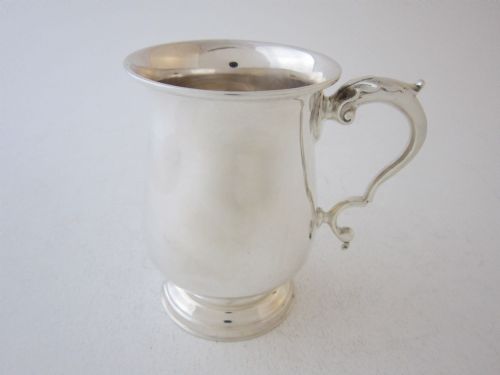
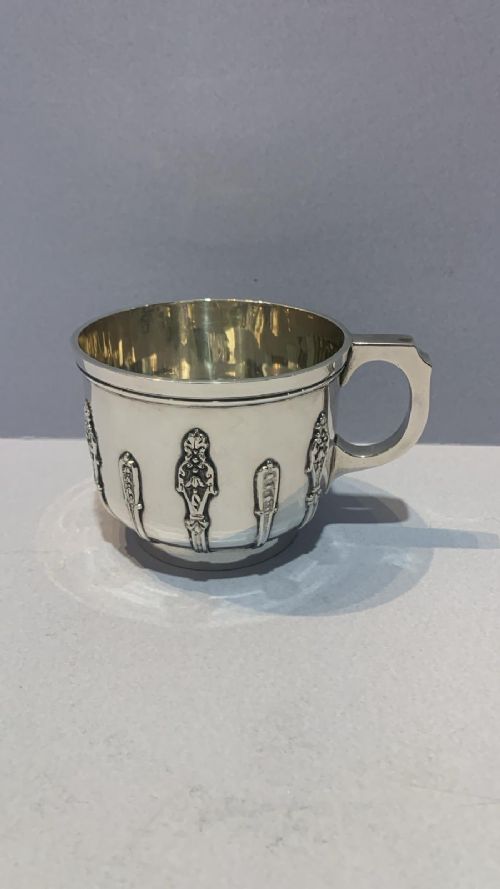
Antique hollowware cups span a domestic range from Georgian tankards and christening mugs to Edwardian porringers, sugar bowls and communion chalices. You will most commonly meet Victorian and Edwardian silver christening mugs alongside earlier Georgian drinking vessels on this page.
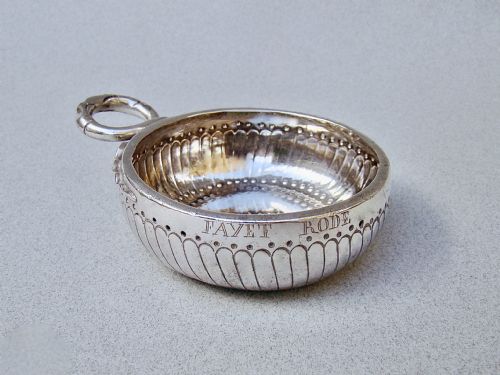
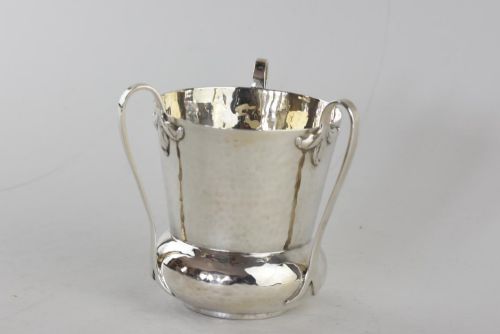
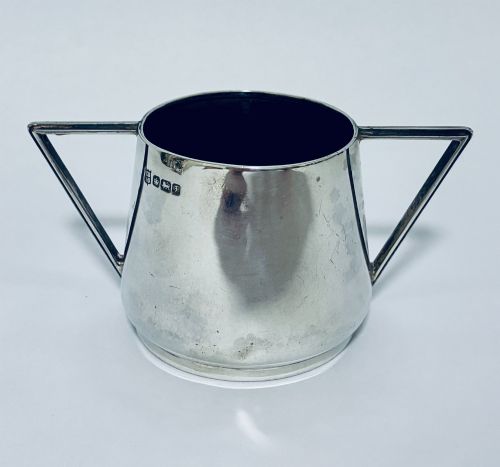
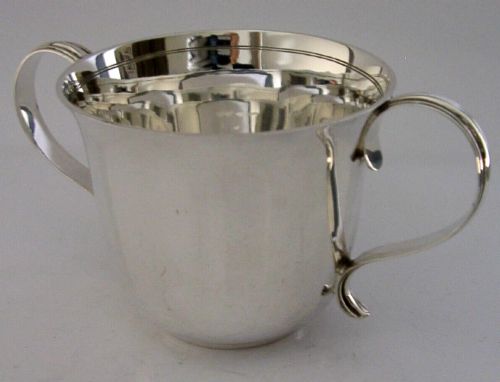
The forms here include heavy two-handled tygs, pedestal goblets, circular bowls and traditional mugs stamped with assay marks. Each piece serves a distinct domestic or ceremonial function, grounded in metalwork traditions from the eighteenth century through to the Art Deco period.
How they were made
Silversmiths formed these vessels primarily from sterling silver, Britannia standard silver and Old Sheffield Plate, often applying gold gilt washes to the interiors. Copper and hammered finishes appear in Arts and Crafts pieces, while leather and velvet line fitted cases.
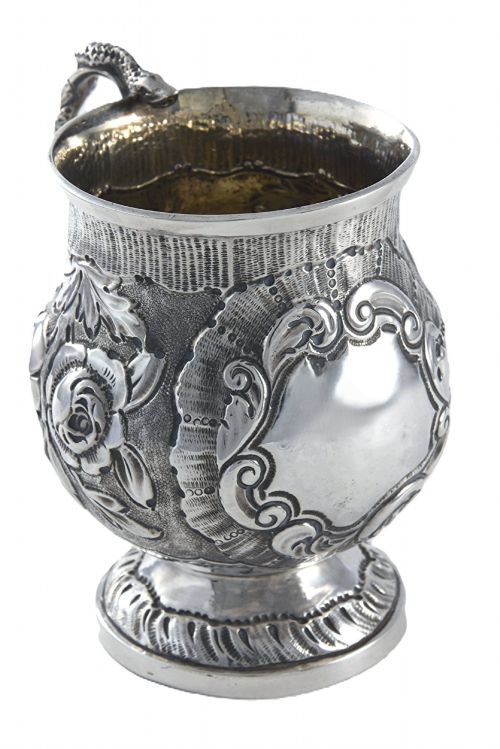
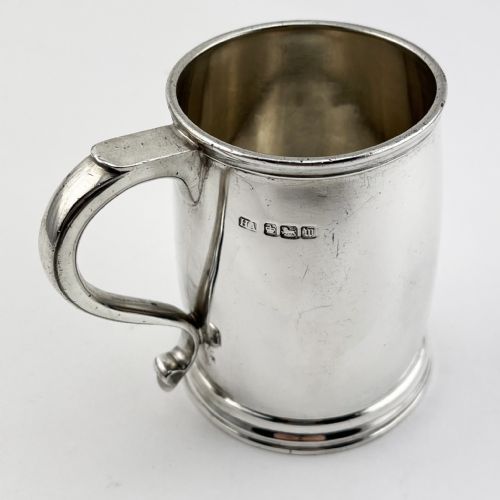
Makers shaped the hollowware bodies through raising and spinning techniques, adding applied handles, chased swags, bows and hand-hammered textures. Hallmarks stamped directly into the metal record the assay office, year and maker.
Antique Hollowware Cups Retail Price Guide 2026
Typical asking prices for hollowware cups among the pieces listed under this phrase on Sellingantiques today, from the lower quarter to the upper quarter. They describe what is for sale here now, not the wider market.
Listings feature sterling silver, Old Sheffield Plate and copper across Georgian, Victorian and Edwardian periods.
What varies in quality
Quality rests in the gauge of the metal and the crispness of the chased or hammered detail rather than surface decoration alone. Heavier pieces maintain their structural integrity across handles and bases, showing deliberate weight and balanced proportions.
Superior execution shows in the precision of the maker marks, clean solder joints and the preservation of original gilding or plating without excessive polishing wear.
Lambert and Co
The Antique Hollowware Cups Glossary
- Tyg
- A large drinking vessel featuring three or more handles designed for communal passing. They appear frequently in Arts and Crafts silver work.
- Porringer
- A small, shallow bowl with one or two flat handles used for porridge or broth. In silver, these often double as christening bowls.
- Britannia Standard
- A higher fineness of silver containing ninety-five point eight percent pure silver, introduced by statute in England. It was mandatory for a period during the eighteenth century.
- Old Sheffield Plate
- A composite material formed by fusing a thin sheet of silver to a thicker copper base. It predates electroplating and displays a characteristic warm glow.
Antique Hollowware Cups: Frequently Asked Questions
What is a silver christening mug?
A christening mug is a small handled vessel traditionally presented as a gift to an infant upon baptism. They were built from solid sterling silver to last through generations as family heirlooms.
Most examples date from the Victorian and Edwardian eras, though earlier Georgian pieces exist. They often feature engraved naming panels and decorative chased motifs.
How do I date an antique silver cup?
Dating relies primarily on the hallmarks stamped into the metal by the assay office. These marks include a date letter, a standard mark and a maker mark.
Comparing these punches against historical registry charts reveals the exact year and city of manufacture. Stylistic shifts from Georgian restraint to Victorian ornamentation also help narrow the period.
What is Old Sheffield Plate?
Old Sheffield Plate is an early fusing technique where a sheet of silver is melted onto a copper core. This creates a durable material with the appearance of solid silver.
Items made this way often reveal faint lines of copper showing through at the edges where the metals meet. This manufacturing method was largely replaced by electroplating during the nineteenth century.
Can I use these cups for drinking?
Most of these silver and plated vessels remain structurally sound for holding liquids. Many buyers choose to use them for daily drinks or ceremonial toasts just as their makers intended.
Careful hand washing with mild soap preserves the antique metal surface and any interior gilding. Avoid modern dishwashers and harsh abrasives to protect the finish.