


Antique Historical Engraving
Antique historical engraving brings centuries of portraiture, cartography, and narrative art into the room through paper, ink, and period frames.
Antique Historical Engraving
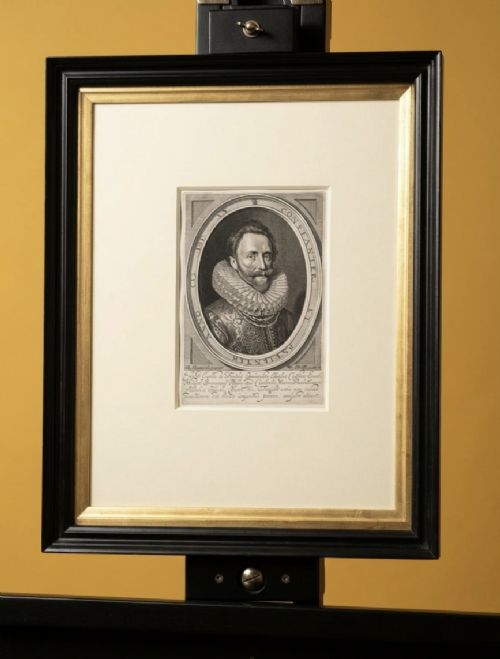
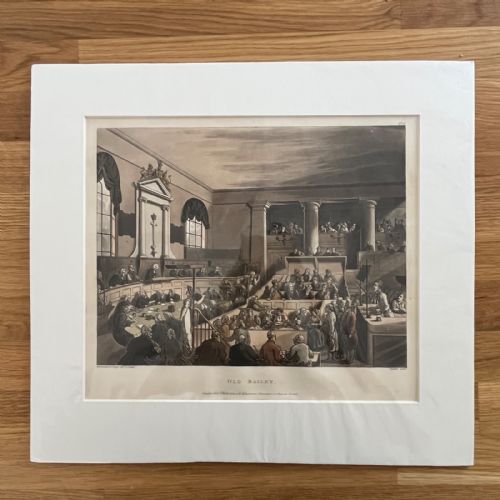
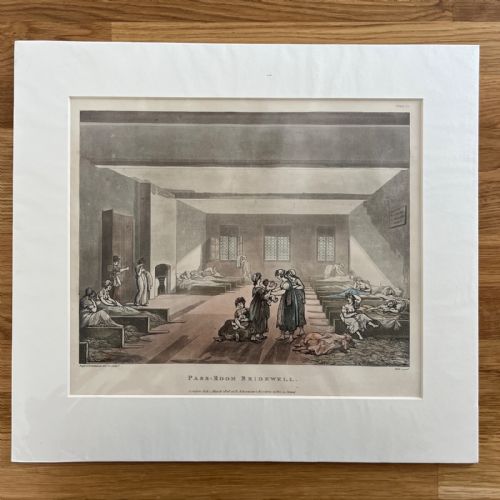
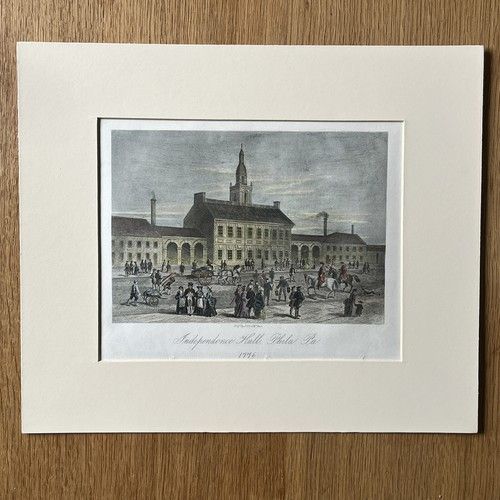
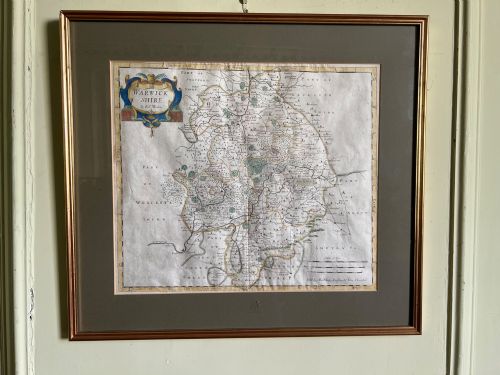
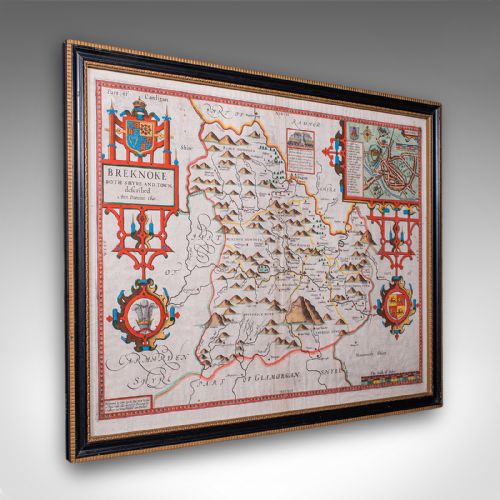
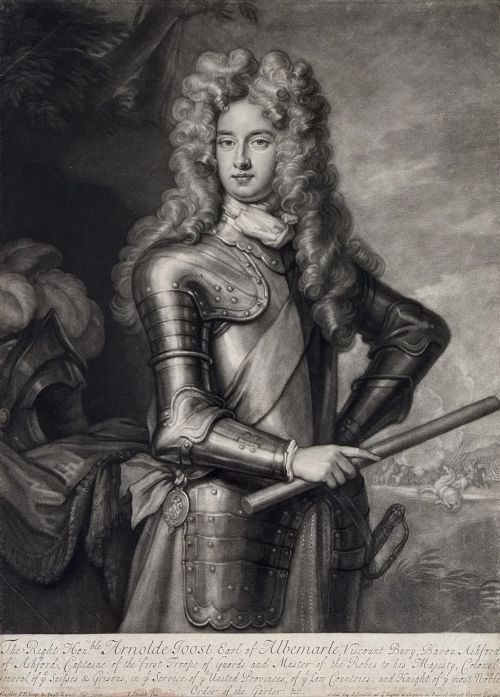
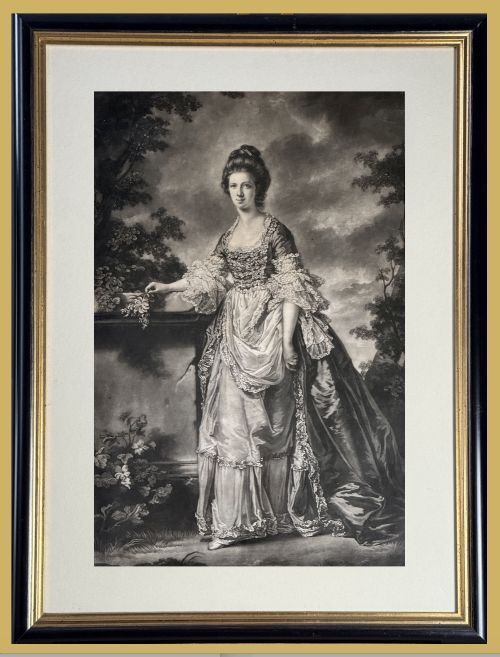
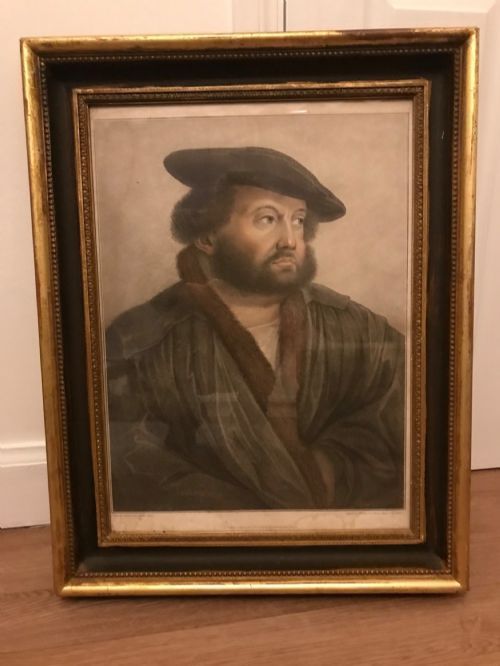
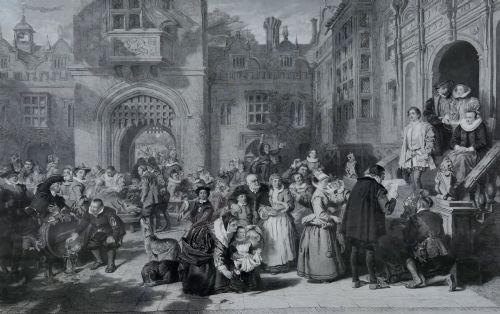
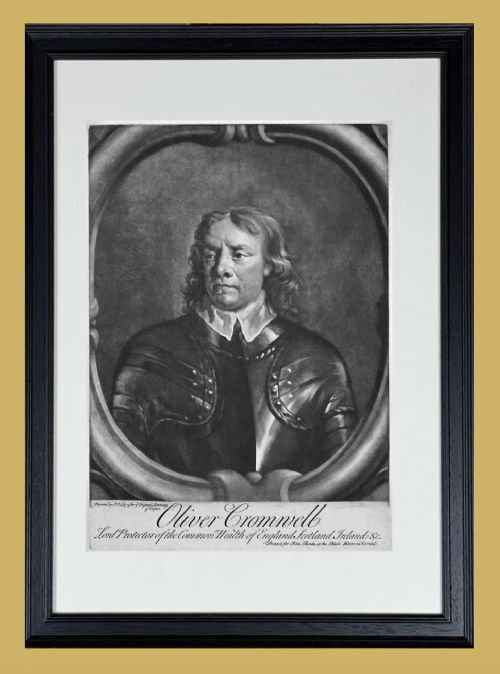
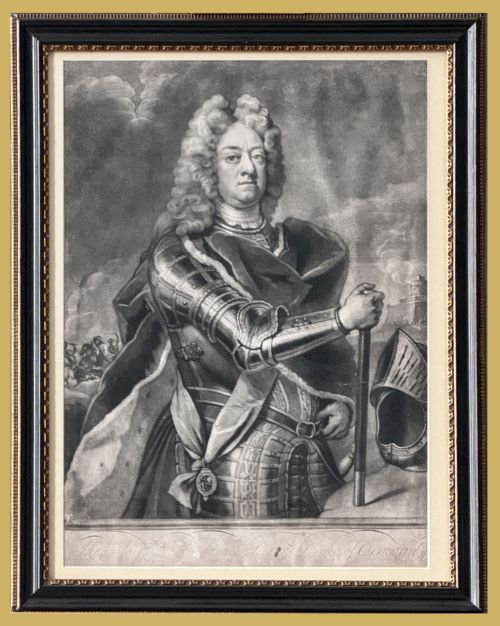
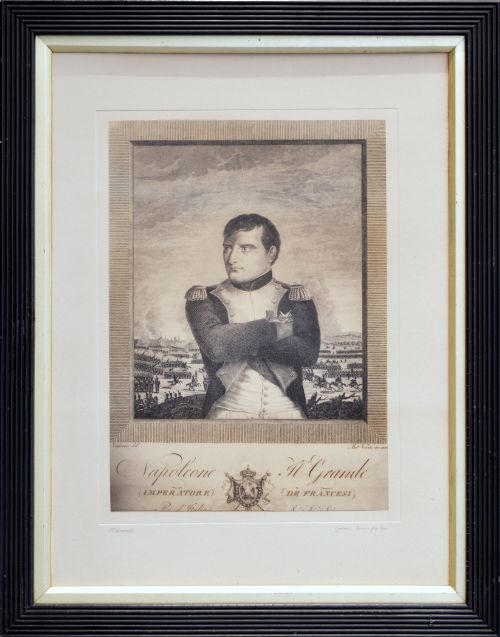
When searching for antique historical engraving, collectors encounter framed prints, wall art, and cartography spanning the seventeenth, eighteenth, and nineteenth centuries. These works record significant figures, royal courts, naval scenes, and early geography.
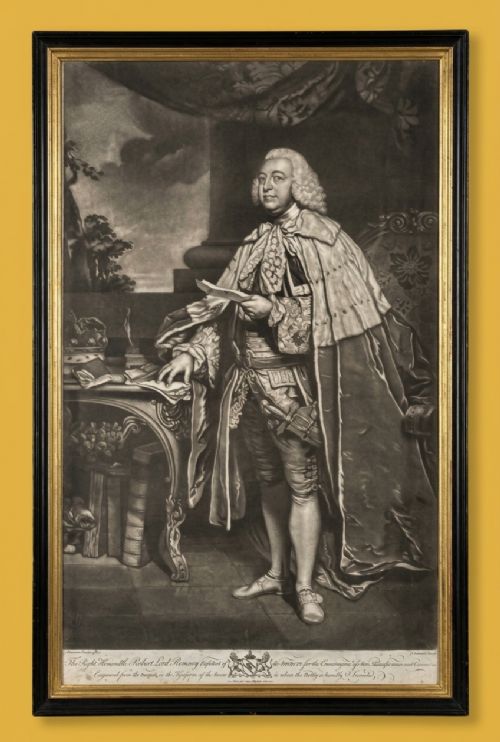
The selection on this page leans heavily toward eighteenth-century portrait mezzotints and seventeenth-century county maps. Buyers also find architectural scenes, anatomical studies, and allegorical prints preserved in original wooden frames.
Originating primarily from British, French, and Dutch workshops, these pieces function as both historical documents and decorative wall art. They connect modern interiors directly to the visual culture of the Georgian, Baroque, and Victorian eras.
How they were made
Makers produced these works on paper using copper plates, applying ink by hand before transferring the image through a rolling press. Many portrait plates utilised mezzotint or stipple techniques to achieve tonal depth and delicate shading.
Framing materials reflect the period of creation, utilising oak, giltwood, and gold leaf. Surviving pieces frequently retain their original Hogarth or moulded wooden frames, which protect the fragile paper within.
Antique Historical Engraving Retail Price Guide 2026
Typical asking prices for historical engraving among the pieces listed under this phrase on Sellingantiques today, from the lower quarter to the upper quarter. They describe what is for sale here now, not the wider market.
Listings feature works from the seventeenth century through the Victorian era, executed on paper with ink and housed in wood frames.
What varies in quality
The clarity of the impression on the paper separates superior plates from worn examples. Early strikes from a copper plate show crisp lines and rich dark tones in the ink, whereas later impressions lose definition.
The survival of original framing materials, such as period giltwood and glass, influences the integrity of the piece. Provenance recorded in contemporary handwritten text or original margins adds documentary weight to individual prints.
John Simon·Francesco Bartolozzi·Jean Mariette·John Smith·Sir Peter Lely·Sir Godfrey Kneller·Andrew Bell·Hans Holbeel the Younger·Sir Joshua Reynolds·Jacobus Houbraken·Étienne Baudet·William Hogarth
The Antique Historical Engraving Glossary
- Mezzotint
- A printmaking process where the copper plate is roughened to produce dark tones and smooth areas yield lighter shades. This technique allowed printmakers to create subtle gradations resembling oil paintings.
- Stipple engraving
- A method of creating images on metal plates using a pattern of dots rather than continuous lines. It gained popularity for rendering flesh tones and soft fabrics in portraits.
- Cartography
- The study and practice of making maps, represented here by seventeenth- and eighteenth-century county and regional surveys. These engraved maps often feature decorative cartouches and hand-coloured borders.
- Hogarth frame
- A narrow, ogee-profile wooden frame common in the eighteenth century. These frames complement the proportions of contemporary prints without overwhelming the composition.
- Allegorical print
- An artwork that uses symbolic figures and imagery to convey a moral, political, or historical concept. These prints require the viewer to interpret classical or political iconography.
Antique Historical Engraving: Frequently Asked Questions
How should I hang antique engravings?
Keep framed paper away from direct sunlight and damp walls to protect the ink and paper stock. Use picture hooks suited to the weight of the original wooden frames.
Maintain stable room temperatures to prevent the historic wood and paper from expanding or contracting.
Are these prints original to their dates?
The listings comprise period printings created during the active years of the engravers and publishers. Catalogues date them by the plate production and historical context of the subjects.
Examine the paper characteristics and plate marks to understand the age of the physical sheet.
What is the difference between a map and an engraving?
County maps and cartography are specialised engravings focused on geographical boundaries, towns, and topography. They often include decorative title cartouches and scale bars alongside geographical data.
General engravings focus on portraiture, historical events, architecture, or allegorical scenes rather than navigation.
Why do some portraits include handwritten text?
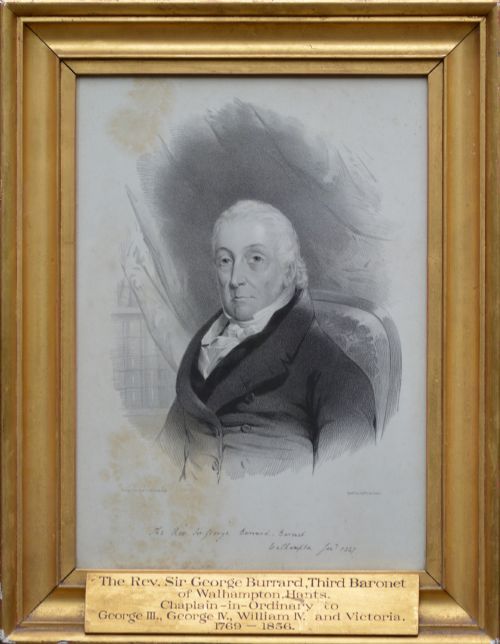
Contemporary owners or archivists frequently added handwritten notes to margins or versos to identify sitters or record provenance. These inscriptions offer insight into how historical figures were perceived in past centuries.
Such additions contribute to the individual history of each surviving sheet.