


Antique Hinged Box
These pieces combine utility and craftsmanship, and an antique hinged box offers a tangible link to past domestic rituals.
Antique Hinged Box
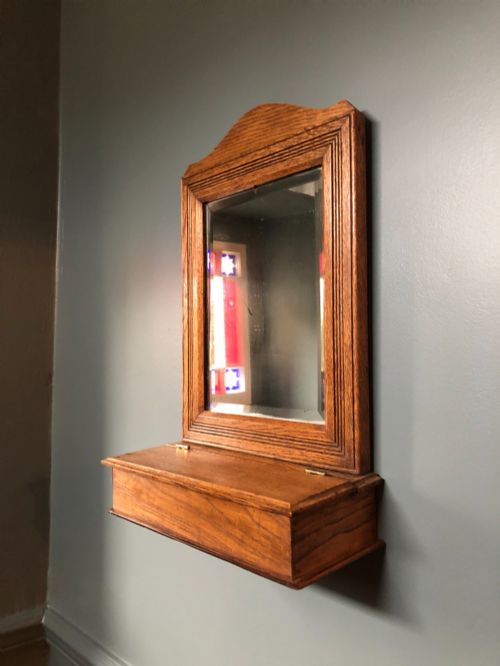
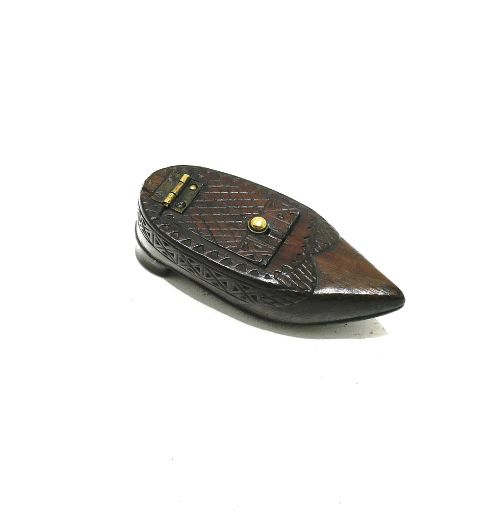
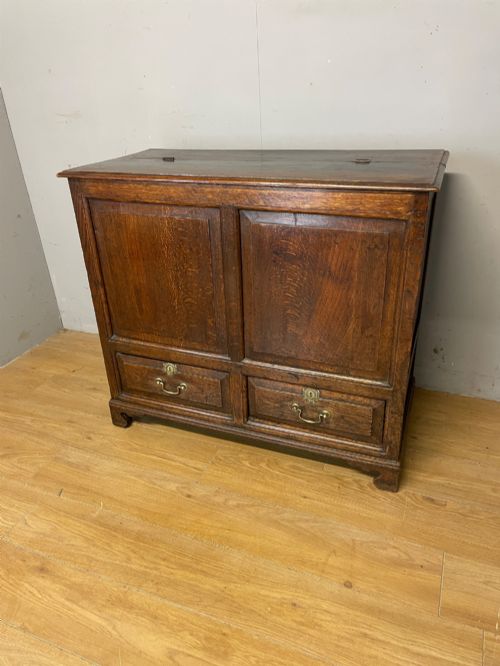
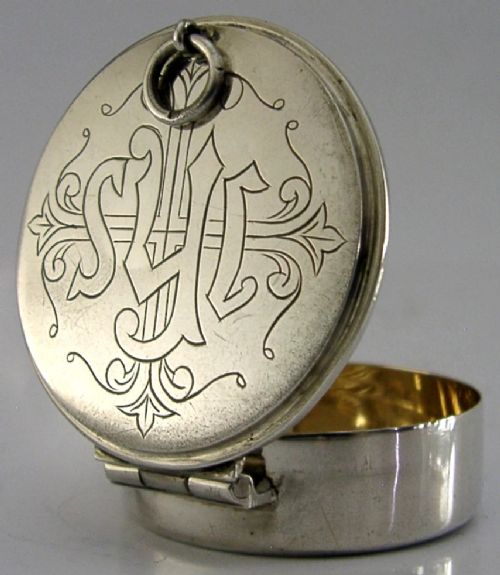
An antique hinged box encompasses a diverse array of lidded containers designed to hold everything from personal trinkets and snuff to documents and blankets. The versions encountered most frequently on this page span the 18th, 19th, and early 20th centuries, originating from English, French, and Scandinavian workshops.
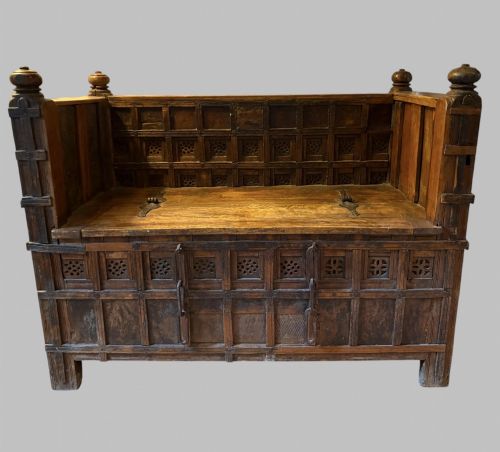
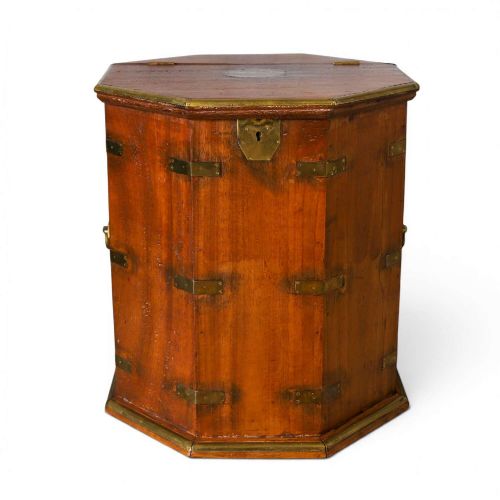
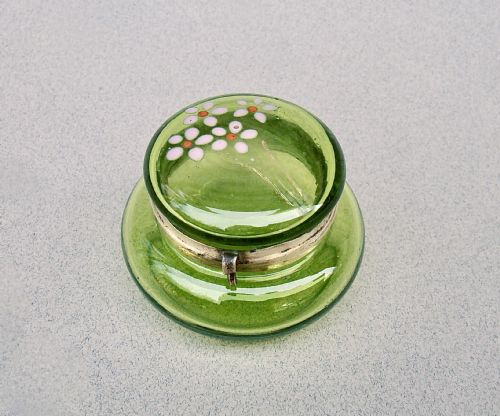
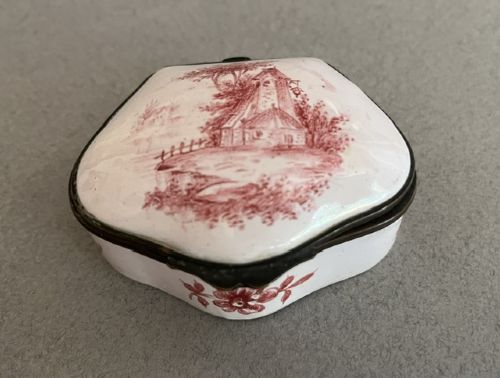
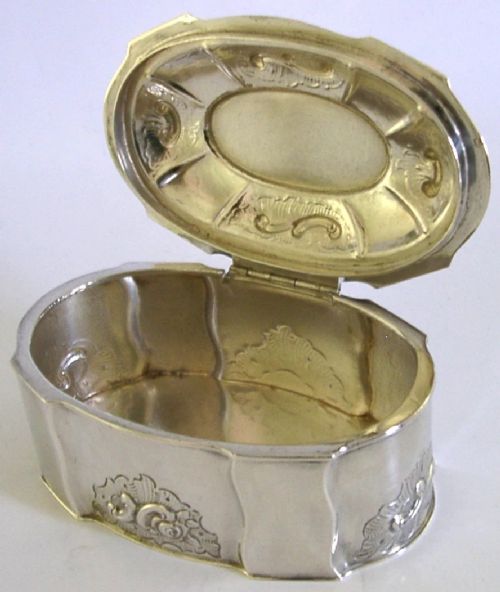
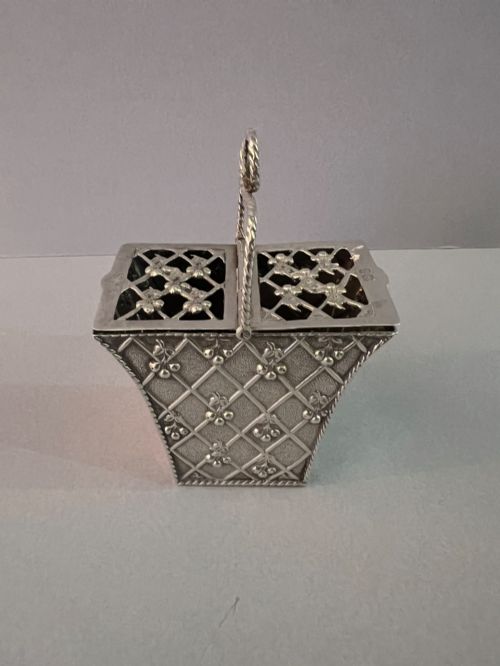
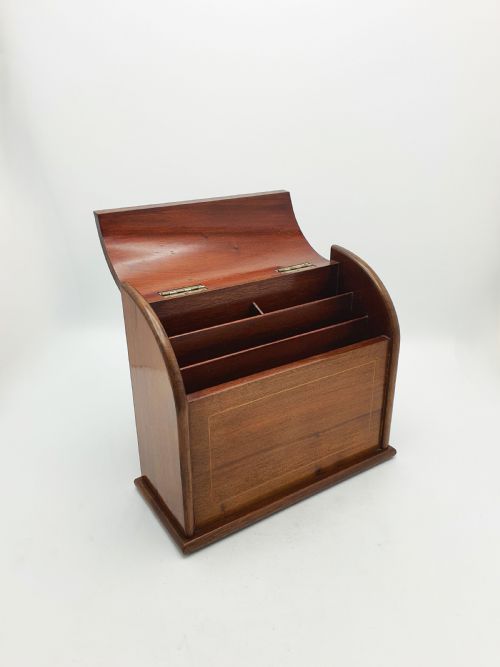
Forms range from small tabletop snuff boxes and dressing table ring boxes to larger mahogany desk tidies, blanket boxes, and oak coffers. Materials vary widely between sterling silver, brass, porcelain, glass, and hardwoods, reflecting the specific domestic or personal purpose each container originally served.
Buyers seeking an antique hinged box will find utilitarian storage trunks alongside decorative table caskets adorned with enamel or agate. Each piece relies on a functional hinge mechanism to secure its lid, uniting disparate objects across diverse styles such as Georgian, Victorian, and Edwardian.
Materials and construction methods
Metals such as sterling silver and brass undergo smithing, casting, and embossing, often bearing hallmarks from assay offices like Birmingham or featuring intricate niello work. Glass and porcelain examples, including French Baccarat and Sevres pieces, utilise specialised moulding and hand-painted decorative techniques.
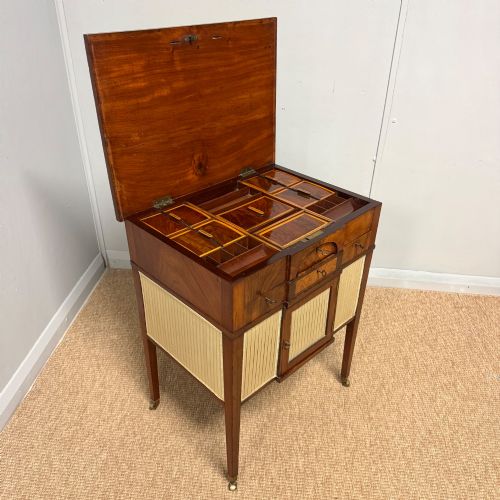
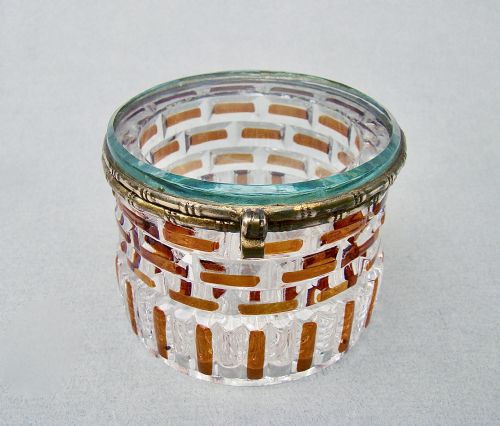
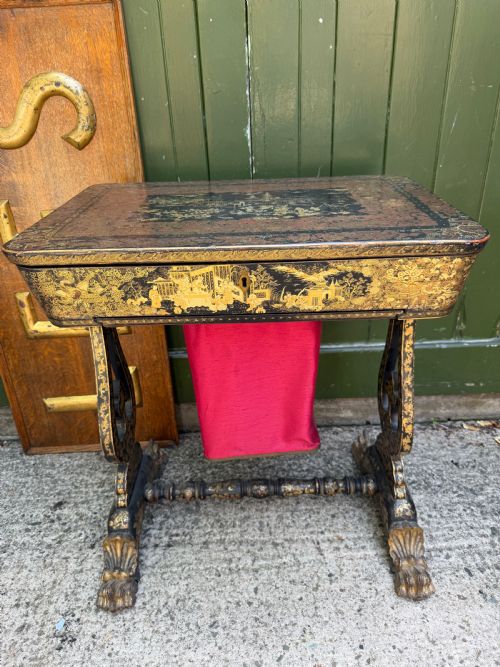
Wooden containers like oak and mahogany blanket boxes, work tables, and desk tidies rely on traditional joinery, grain painting, and inlaid detail. Many smaller items combine multiple materials, mounting silver or gilt brass mounts onto glass bodies or framing agate panels.
Antique Hinged Box Retail Price Guide 2026
Typical asking prices for hinged box among the pieces listed under this phrase on Sellingantiques today, from the lower quarter to the upper quarter. They describe what is for sale here now, not the wider market.
Listings feature materials spanning sterling silver, brass, porcelain, glass, iron, enamel, and various hardwoods.
Distinctions in manufacture
Quality separates through the precision of the hinge mechanism and the integrity of the joinery or metal smithing. Superior examples maintain tight lid alignment and robust structural connections without unnecessary reinforcement.
The refinement of surface decoration distinguishes finer pieces, whether through the crispness of hand-painted porcelain, the depth of embossed metalwork, or the careful selection of wood grain and inlay. Makers marked by established firms or silversmiths demonstrate a higher standard of workshop execution.
Hilliard & Thomason·Posen of Frankfurt and Berlin·Henry Williamson Ltd
The Antique Hinged Box Glossary
- Navette
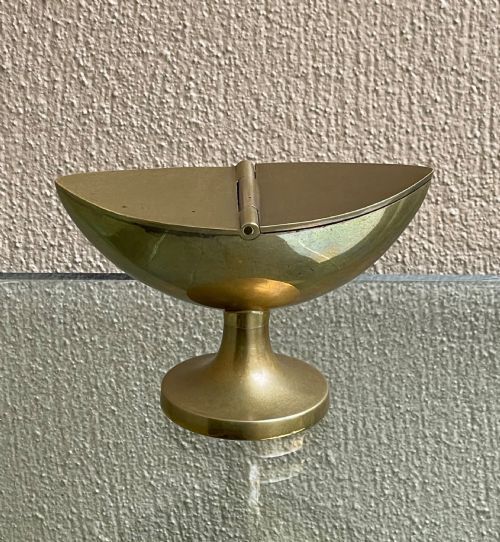
- A boat-shaped design with pointed ends, commonly seen on Georgian snuff boxes.
- Niello
- A black metallic alloy used to fill engraved designs on silver, creating a contrasting decorative pattern.
- Snuff box
- A small pocket or table container specifically manufactured to hold powdered tobacco.
- Caddy
- A small container originally intended for storing tea leaves in domestic settings.
- Agate
- A crystalline quartz variety often polished and mounted into the lids of silver or brass boxes.
Antique Hinged Box: Frequently Asked Questions
What were small antique hinged boxes used for?
Small lidded containers served personal grooming and social habits, holding items like dry snuff, pills, rings, and toothpicks.
Owners kept them on dressing tables or carried them in pockets for daily use.
How do I identify a Georgian box?
Georgian pieces often display specific regional shapes like navette designs, alongside hand-cut hallmarks or simpler fastening mechanisms.
Woodwork from this era frequently utilises solid mahogany or oak without later Victorian revival influences.
Where should I place a blanket box at home?
Large wooden and painted blanket boxes fit well at the foot of a bed or serve as low storage tables in living spaces.
Their robust hinged lids allow them to hold textiles while functioning as stable furniture surfaces.
What is the difference between a trinket box and a jewellery box?
Trinket boxes generally accommodate small miscellaneous items, while jewellery boxes feature fitted interior compartments designed for rings, necklaces, and brooches.
Both rely on hinged lids to protect their contents.