



Antique Hearth Back
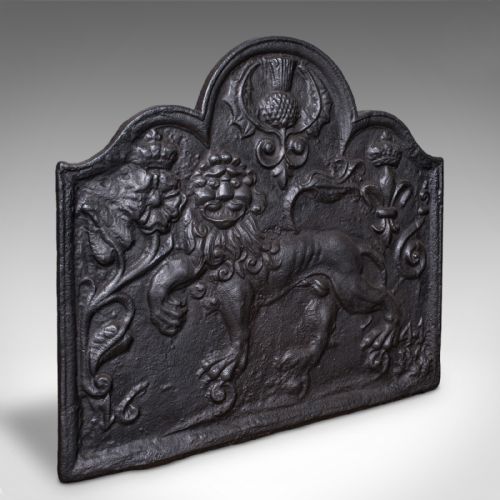
These heavy iron antique hearth back plates radiate heat forward into the room while protecting the masonry behind the flames.
Antique Hearth Back
An antique hearth back sits vertically against the rear brickwork of an open fireplace, functioning primarily as a radiant reflector to throw warmth back into the living space. When searching for an antique hearth back, buyers encounter various heavy iron forms spanning the Victorian and Georgian eras, often featuring architectural relief patterns.
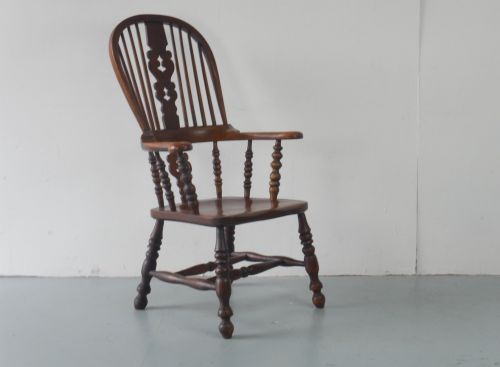
The selections on this page predominantly showcase cast iron plates designed as standalone firebacks or incorporated into grates and andiron assemblies. Alongside these iron plates, the listings encompass related vernacular seating and fireplace accessories from the nineteenth century.
Originating largely from English workshops, these pieces bridge utility and decoration, serving as durable shields for fireplace walls. The forms range from simple utilitarian panels to elaborate heraldic, neoclassical, and tree of life motifs.
Materials and construction methods
The primary material found across these firebacks is heavy cast iron, poured into sand moulds to create thick, heat-resistant plates with intricate relief decoration. Wrought iron elements also appear on accompanying baskets and grates, providing structural strength.
Moulders utilised traditional foundry techniques to achieve deep surface textures, incorporating heraldic crests, botanical themes, and architectural details directly into the iron casting. Subsidiary wooden furniture pieces utilise traditional timbers such as elm, ash, and yew wood.
Antique Hearth Back Retail Price Guide 2026
Typical asking prices for hearth back among the pieces listed under this phrase on Sellingantiques today, from the lower quarter to the upper quarter. They describe what is for sale here now, not the wider market.
Materials documented across the inventory include cast iron, wrought iron, elm, ash, yew wood, and earthenware.
Determinants of quality in ironwork
Quality in an antique hearth back is defined by the depth, crispness, and artistic merit of the cast relief work rather than mere size. Finer examples display sharp detailing in motifs such as the tree of life or neoclassical emblems, whereas lower quality castings present blurred edges and shallow surface texture.
The thickness and structural integrity of the iron plate dictate the durability and authenticity of the piece, with heavier specimens indicating superior foundry output from the Victorian and Georgian periods.
The Antique Hearth Back Glossary
- Fireback
- A heavy metal plate placed at the back of an open fireplace to protect the wall and reflect heat into the room. These panels often feature decorative relief moulding.
- Cast Iron
- An iron-carbon alloy poured into a mould in a molten state to create solid, heavy objects with detailed surface patterns. It forms the core material of fireplace plates.
- Neoclassical Revival
- A style drawing inspiration from classical antiquity, featuring symmetrical motifs, urns, and swags. This aesthetic appears on late nineteenth-century ironwork.
- Andirons
- Horizontal metal bars supported by legs, used to hold logs in an open fireplace. They frequently accompany heavy iron back plates and grates.
- Windsor Armchair
- A wooden chair featuring a saddle-shaped seat into which the legs and spindle back are wedged. Examples on this page utilise timbers like elm and ash.
Antique Hearth Back: Frequently Asked Questions
What is an antique hearth back used for?
An antique hearth back serves to protect the brickwork at the rear of an open fireplace from intense heat damage while absorbing and radiating warmth back into the room.
Beyond its thermal function, the heavy iron plate acts as a permanent decorative centrepiece within the hearth, displaying traditional relief designs.
How do I install a heavy fireback?
A heavy fireback stands upright against the rear wall of the fireplace, often supported by its own weight or held in place by fire dogs and grates.
Due to the substantial weight of cast iron plates, professional placement is recommended to ensure stability within the hearth masonry.
How do I date an iron fireback?
Dating an iron fireback involves examining the casting style, thickness, and specific decorative motifs such as Victorian heraldry or Georgian neoclassical details.
Foundry marks and the crispness of the relief work also provide clues regarding the period of manufacture during the nineteenth century.
Are these firebacks suitable for everyday fires?
Cast iron firebacks are designed specifically to withstand high temperatures and direct flames, making them entirely suitable for active open hearths.
The robust metal construction handles the thermal expansion and contraction of regular coal or wood fires without structural failure.