
Antique Hat
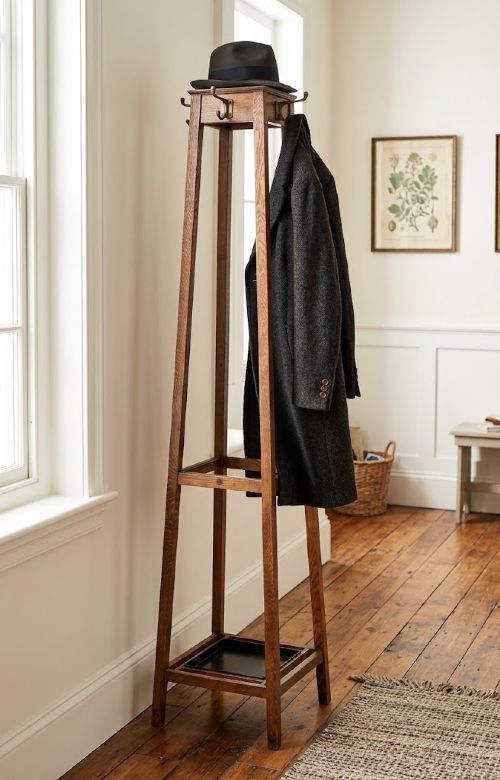
An antique hat or the rack that holds it brings utility and character to a hallway.
Antique Hat
When you search for an antique hat, you encounter various items ranging from painted leather hat boxes and milliner stretchers to the stands and racks designed to hold headwear. The pieces on this page span from the Georgian period through the Victorian and Edwardian eras into the early 20th century.
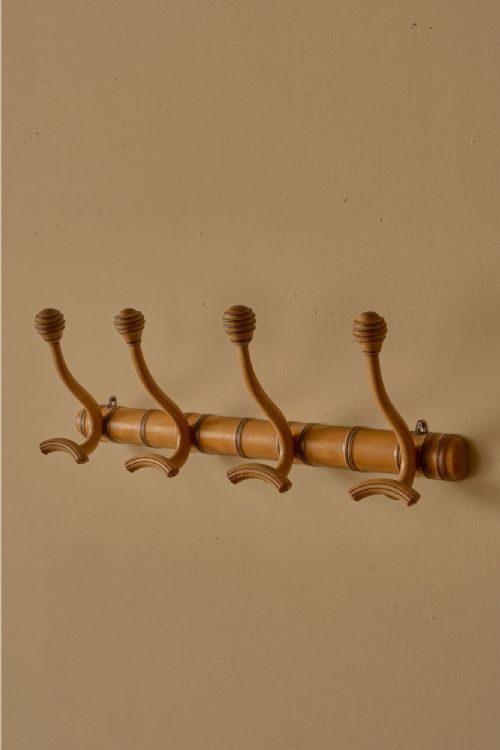
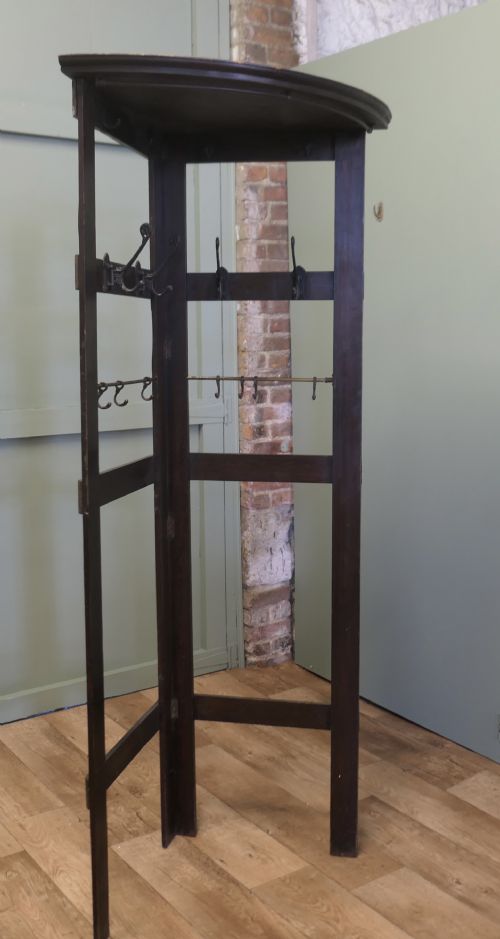
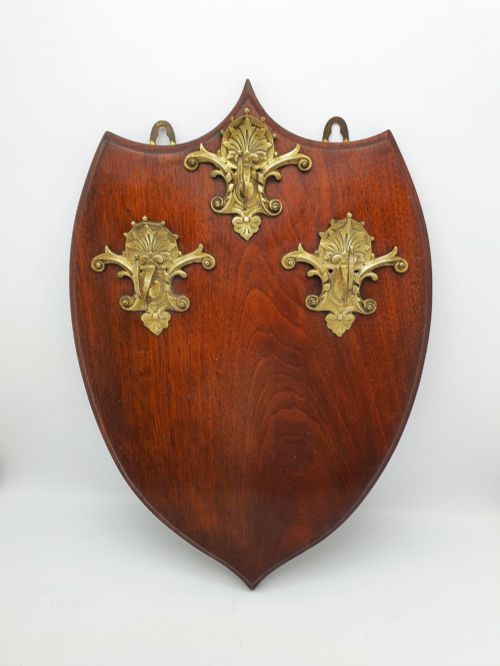
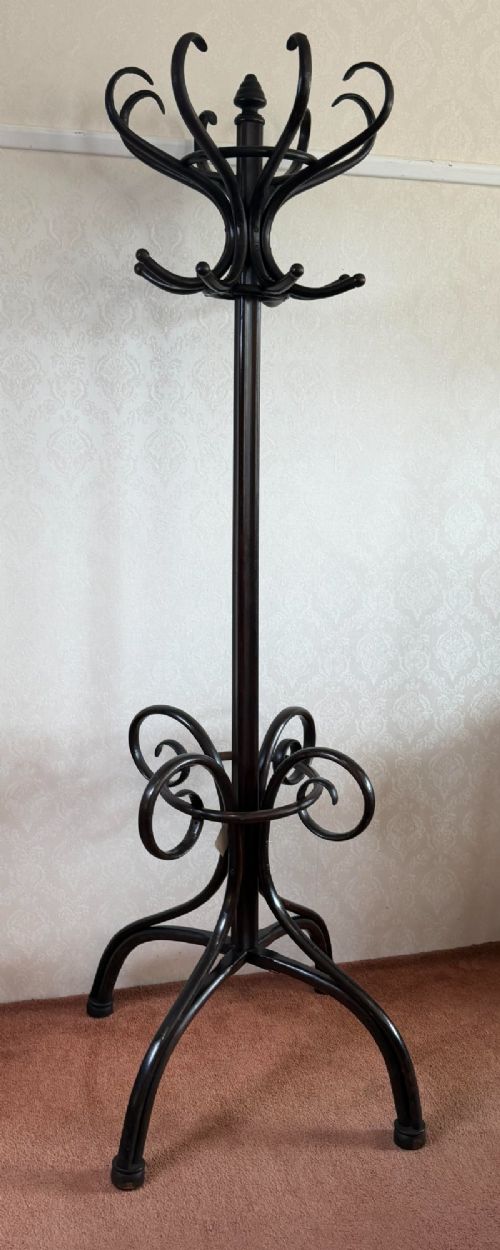
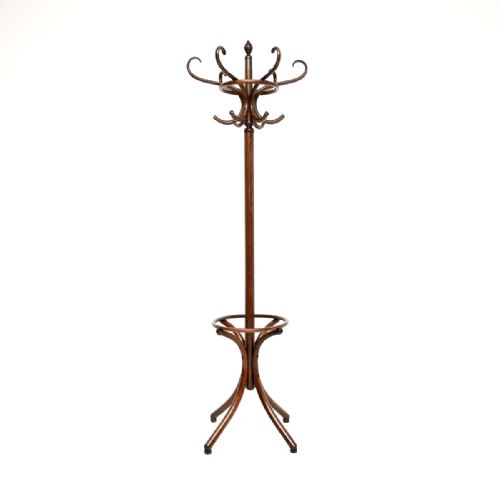
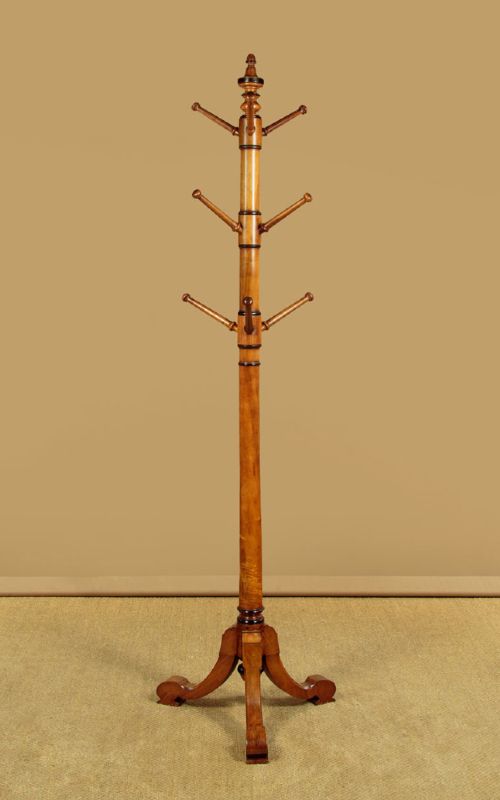
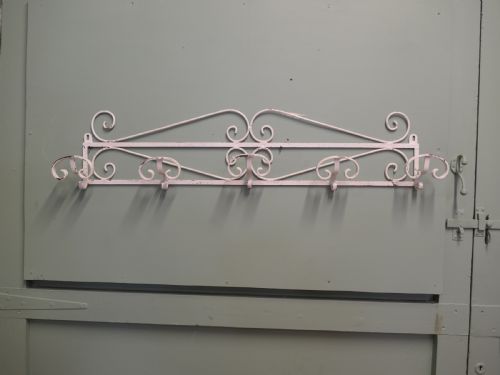
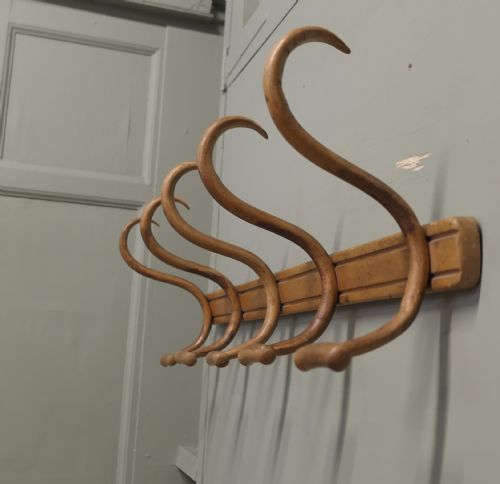
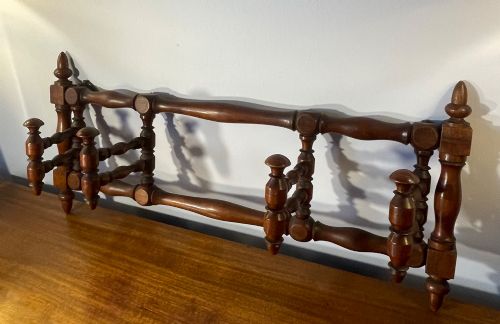
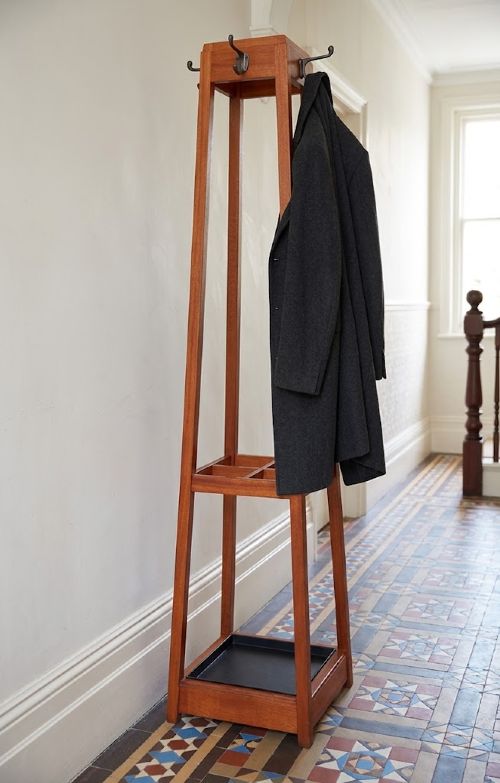
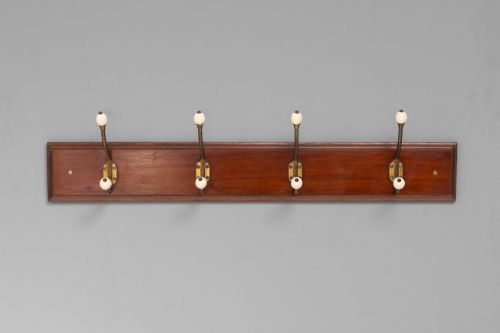
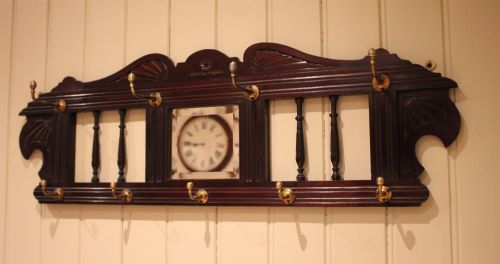
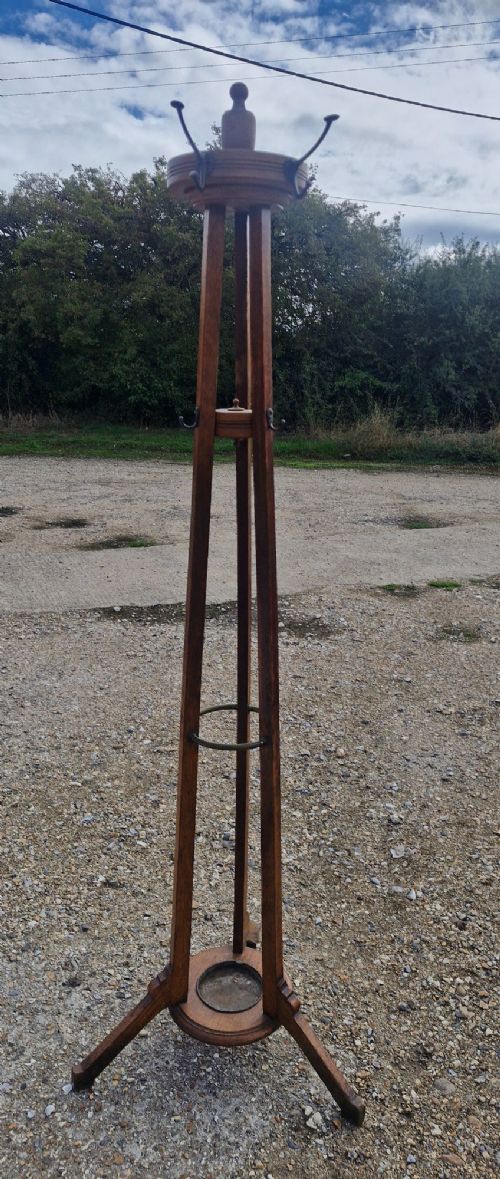
You are most likely to meet wall-mounted racks with brass and ceramic hooks, alongside freestanding bentwood hall stands originating from the 19th and early 20th centuries. These practical items served domestic life by keeping hats, coats and umbrellas organised in hallways and entranceways.
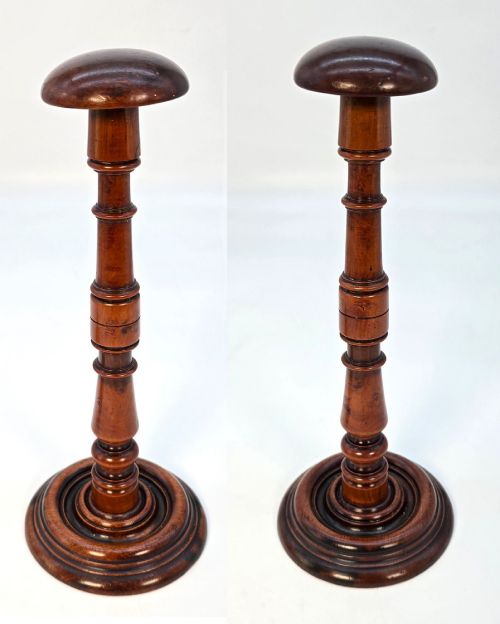
The selection also includes specialised objects such as yew wood wig stands and French faux bamboo coat hangers. Each form reflects the functional demands of historical wardrobes and the materials favoured by makers of the period.
Materials and construction methods
Woods such as mahogany, oak, walnut and beech form the structural backbone of these hall stands and wall plaques. Makers utilised bentwood techniques to shape curved wooden frames, as seen in traditional hat and coat stands from the late 19th and early 20th centuries.
Brass, cast iron and wrought iron provide the durable hardware for hooks and umbrella holders. Details often incorporate ceramic inserts on hooks, glass elements, or painted leather and lacquer finishes on boxes and hat storage.
Carpentry methods range from solid oak joinery in Arts and Crafts designs to faux bamboo turning on maple and specialised turning seen in earlier wig stands.
Listings feature items from the Georgian, Victorian, Edwardian, and Arts and Crafts periods, constructed in oak, mahogany, walnut, and bent beech.
Distinctions in quality and execution
Quality reveals itself in the selection of timber and the solidity of the construction. Solid mahogany, quarter-sawn oak, and carefully steamed bentwood demonstrate superior material choice compared to softer or more utilitarian woods.
The finish of the metal hardware and the integration of ceramic or brass elements separate standard utility items from more decorative examples. Finer pieces display careful turning, balanced proportions, and intact original finishes rather than heavy later alterations.
Lincoln Bennett of London
The Antique Hat Glossary
- Bentwood
- Wood that has been heated with steam and bent into curved shapes. This technique created the light, durable frames typical of late 19th-century hat stands.
- Hall Stand
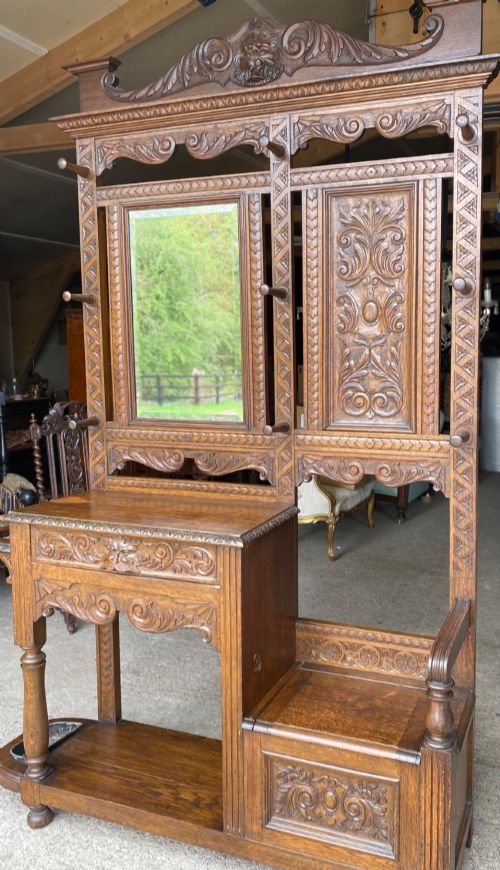
- A piece of hallway furniture combining coat hooks, umbrella holders and frequently a mirror or hat shelf. These items organised outerwear in domestic entrances.
- Hat Box
- A rigid container designed to store and protect headwear. Georgian and Victorian examples often utilised painted leather or stiffened card.
- Milliner Stretcher
- A wooden tool used by hat makers to shape and size headwear. These blocks accommodated the specific circumferences of period hats.
- Faux Bamboo
- Wood turned and painted to imitate natural bamboo stems. This decorative treatment appeared frequently in French aesthetic period furniture.
Antique Hat: Frequently Asked Questions
What is a milliner hat stretcher?
A milliner hat stretcher is a wooden tool used by hat makers to adjust the size and shape of headwear during construction or maintenance.
These pieces reflect the traditional trade of hat making and double as sculptural wooden objects in a modern interior.
How were hall stands used?
Hall stands functioned as central storage units in domestic entryways for coats, hats, scarves and umbrellas.
They kept daily outdoor wear accessible while greeting visitors with decorative woodwork and integrated mirrors or drip trays.
What is bentwood furniture?
Bentwood furniture is made by steaming timber until pliable and bending it into curved structural forms without traditional joints.
This method produced lightweight, resilient hat and coat stands that became popular across European homes from the late 19th century onwards.
How do I date a coat rack?
Dating a coat rack involves examining the timber species, the style of the brass or ceramic hooks, and the manufacturing technique.
Victorian and Edwardian examples often feature ebonised oak or mahogany paired with cast brass hardware, while later 20th-century pieces introduce simpler tubular metal designs.