



Antique Hassock
These antique hassocks range from compact footstools to large ottomans, offering low seating and footrests crafted in varied periods and materials.
Antique Hassock
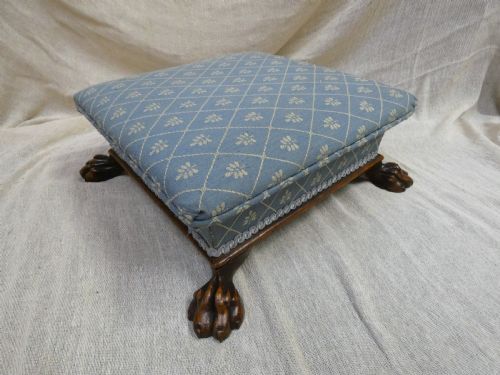
When you search for an antique hassock, you encounter low upholstered seats designed to support the feet or serve as compact perches. The listings here span footstools, ottomans, and small stools dating from the Regency period through to the nineteen-thirties.
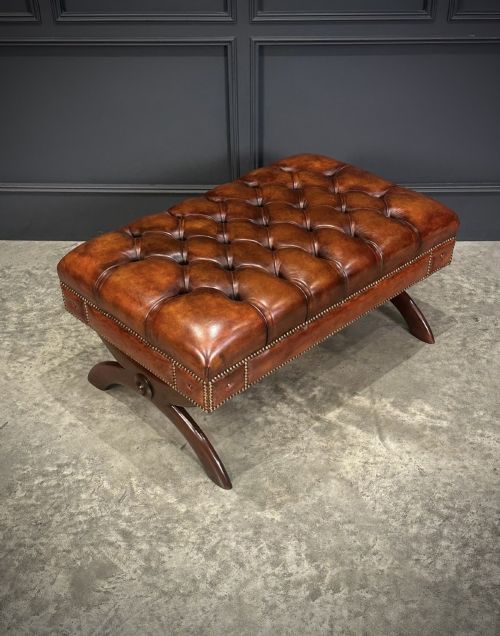
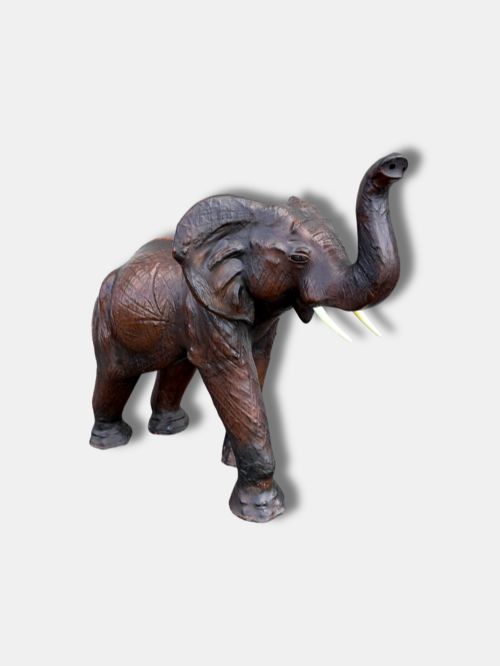
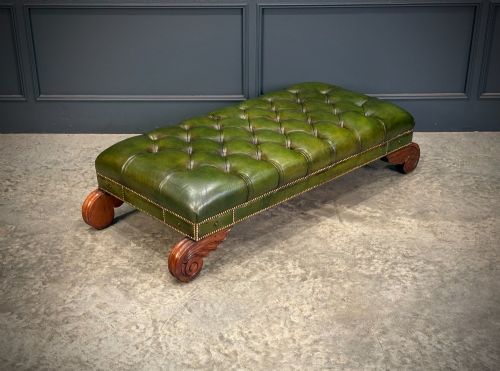
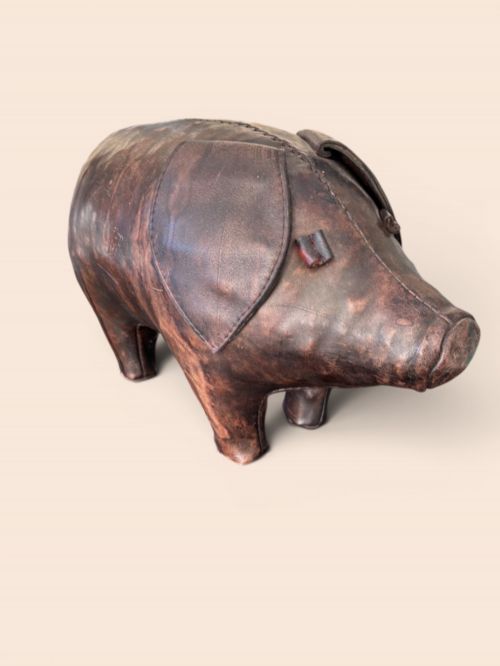
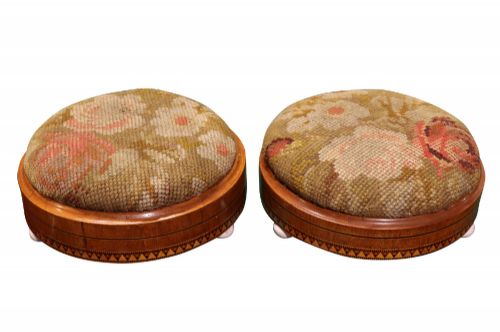
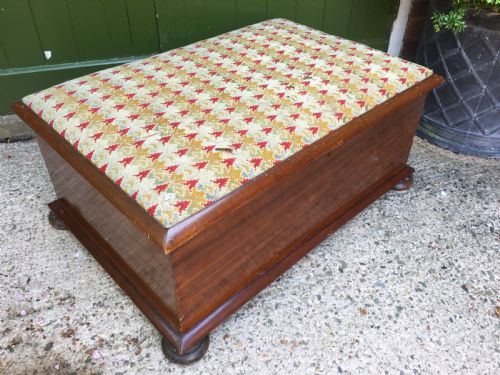
Victorian examples dominate the selection, appearing in forms such as round inlaid walnut pieces and substantial mahogany ottomans. Alongside these, you find Regency leather stools, Edwardian lacquered designs, and occasional novelty items like leather elephant footstools.
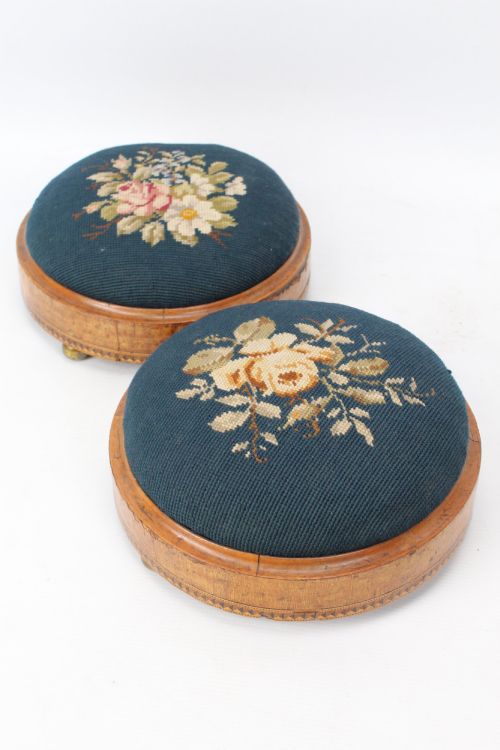
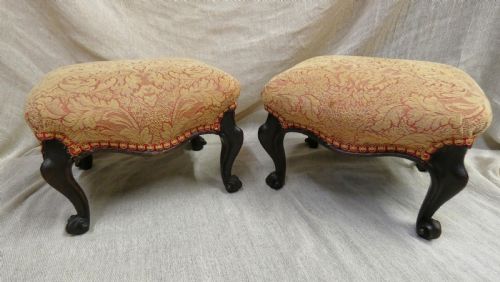
Makers and workshops range from standard commercial cabinetmakers to notable firms like Liberty and Howard and Sons. The physical formats vary from simple square frames to pairs of needlepoint stools and long upholstered benches.
Materials and construction
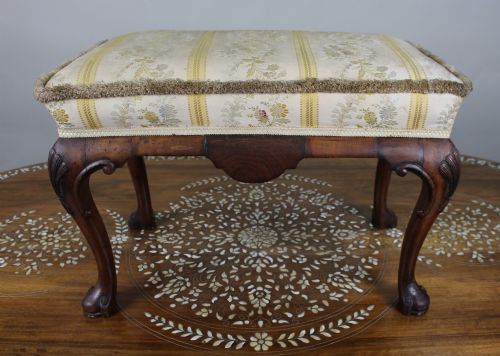
Timber frames form the structural core of these pieces, utilising mahogany, walnut, and carved giltwood or timber. Brass mounts and lacquered finishes appear on specific regional or period examples.
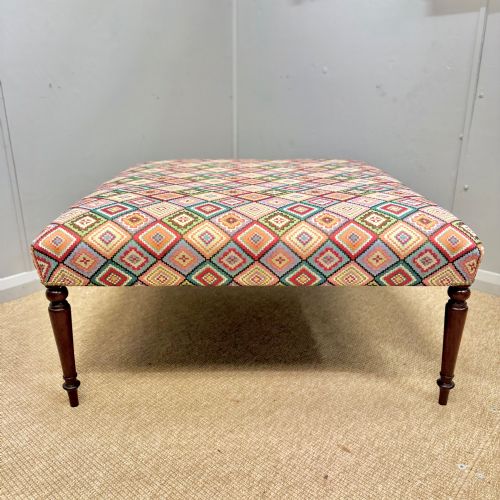
Upholstery defines the upper surface, employing leather, silk, fabric, and wool. Needlework techniques such as gros-point, needlepoint, and kilim tapestry create patterned coverings fixed over internal padding.
Among the formal mahogany and walnut pieces, a leather elephant footstool provides a whimsical seating option originating from the early twentieth century.
Determining quality in an antique hassock
Quality rests in the precision of the woodwork and the integrity of the frame construction, whether carved in walnut, mahogany, or giltwood. Superior pieces exhibit crisp joinery and deliberate proportions rather than hasty assembly.
The textile work significantly influences the character of the piece, with hand-worked gros-point needlepoint, original leather, and specialised Tunbridge Ware inlay marking out finer examples from plain utilitarian stools.
Liberty·Howard and Sons
The Antique Hassock Glossary
- Hassock
- A thick footstool or low upholstered seat used for resting the feet. Originally distinct from a stool, the term now frequently overlaps with footstools and ottomans.
- Ottoman
- A low upholstered seat or bench without a back or arms, often built on a larger scale than a standard footstool. Examples here include large mahogany frames designed for domestic comfort.
- Tunbridge Ware
- Woodworking characterised by minute mosaic decoration formed from tiny pieces of naturally coloured wood. This technique appears on specific Victorian circular footstools.
- Gros-point
- A coarse needlepoint stitch worked on canvas, commonly utilised for durable antique upholstery. It creates a firm, textured surface visible on period footstools.
- Anglo-Indian
- A style reflecting British influence in India, combining local carving traditions with European furniture forms. Pieces show distinctive deep timber carving.
Antique Hassock: Frequently Asked Questions
What is an antique hassock?
An antique hassock is a low upholstered seat or footstool designed for domestic use. The selection includes varied forms from nineteenth-century foot stools to large ottomans.
These pieces function primarily as footrests or secondary seating. They utilise frames of mahogany, walnut, and timber paired with textiles and leather.
How do I date an antique hassock?
Dating relies on stylistic markers, timber choices, and upholstery techniques associated with periods like Regency, Victorian, and Edwardian. Details such as Tunbridge Ware inlay or specific revival styles help place a piece.
Construction methods and secondary woods also offer clues to the era of manufacture. Examining the framing and finishing provides a reliable timeframe.
Where should I place a hassock?
These low seats suit living rooms and studies, positioned beside armchairs as functional footrests. Smaller round stools fit easily into corners or beside low seating arrangements.
Larger ottomans can function as central room pieces or alternative bench seating. Their modest height keeps sightlines open within a room.
How do I care for antique upholstery?
Maintenance involves gentle cleaning appropriate to the material, whether leather, wool needlework, or silk. Avoiding direct sunlight preserves the original dyes and textiles.
Wooden frames benefit from occasional dusting and standard polish suited to mahogany or walnut. Keeping the pieces in stable humidity protects both the timber and internal padding.