

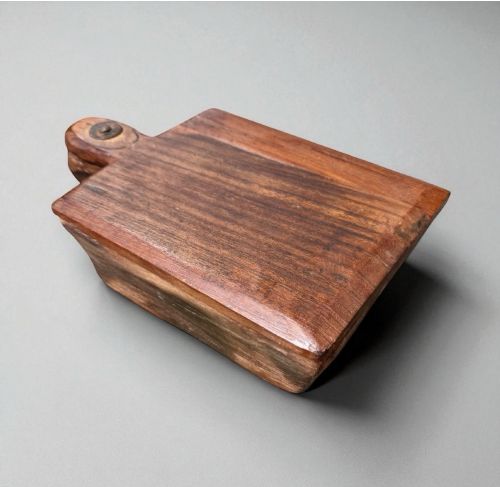


Antique Hardwood Box
An antique hardwood box brings centuries of global trade, meticulous carving and domestic containment straight into your room.
Antique Hardwood Box
An antique hardwood box spans small pocket-sized containers like snuff boxes and trinket cases up to large chests, trunks and coffers designed for travel or storage. The selection draws heavily from 19th century production alongside Edwardian and early 20th century pieces, reflecting global exchanges across British colonial routes, China, the Middle East and Europe.
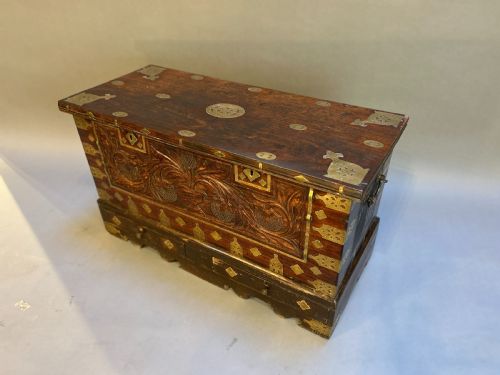
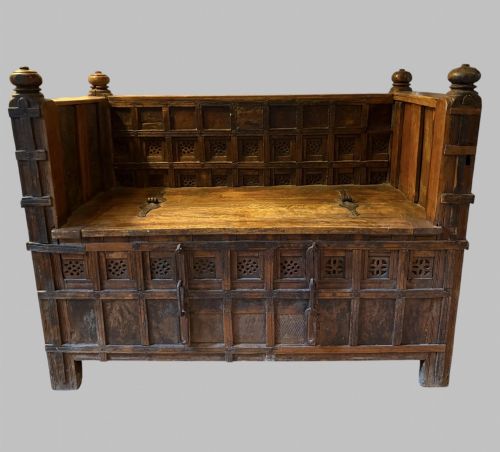
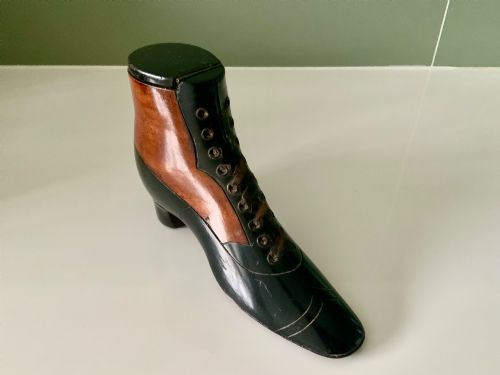
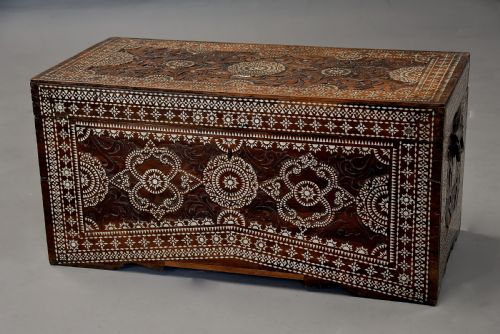
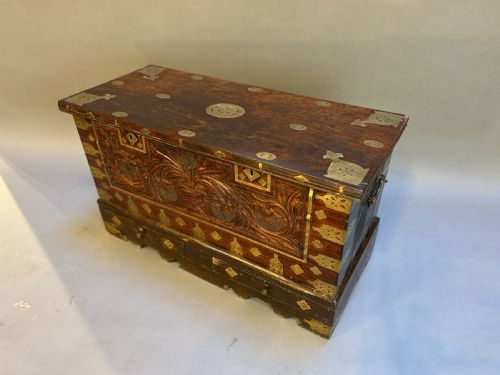
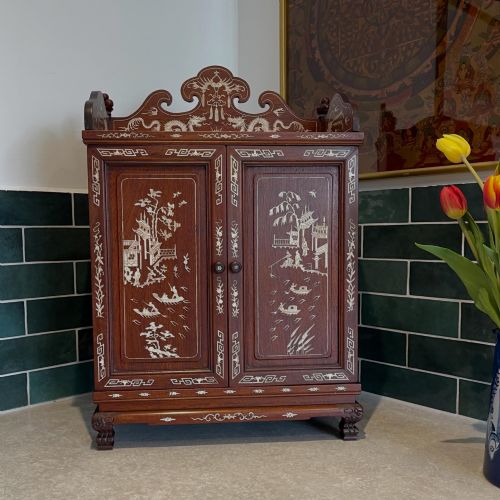
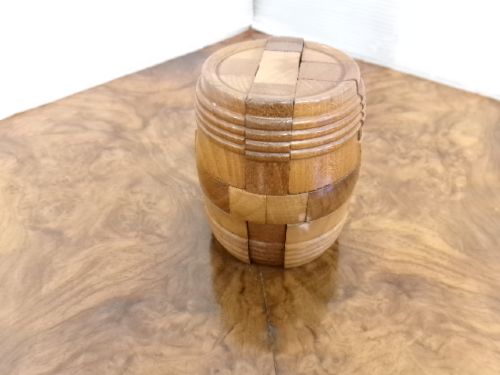
You encounter specialised forms such as Anglo-Indian collector chests, campaign boxes, spice boxes, jewellery caskets and Chinese table cabinets. The heavier trunk and chest formats frequently display substantial iron or brass bindings, while smaller novelty pieces take whimsical shapes including hands, barrels and footballs.
Materials and Construction
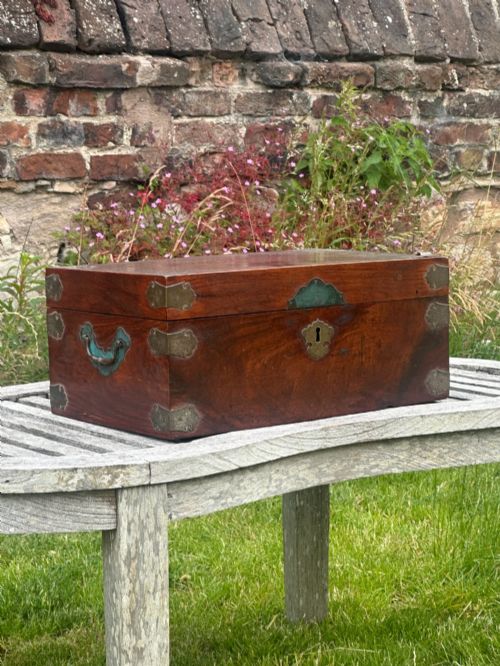
Constructed from dense timbers such as teak, padouk, sandalwood and general hardwoods, these pieces rely on weight and natural durability to survive centuries of use. Artisans reinforced structural corners and lids with brass strapwork, iron bindings and locking mechanisms suited for maritime transport and campaign journeys.
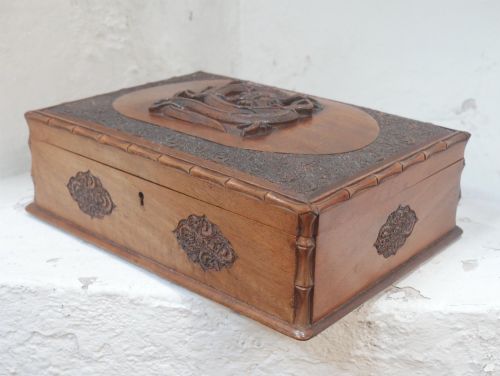
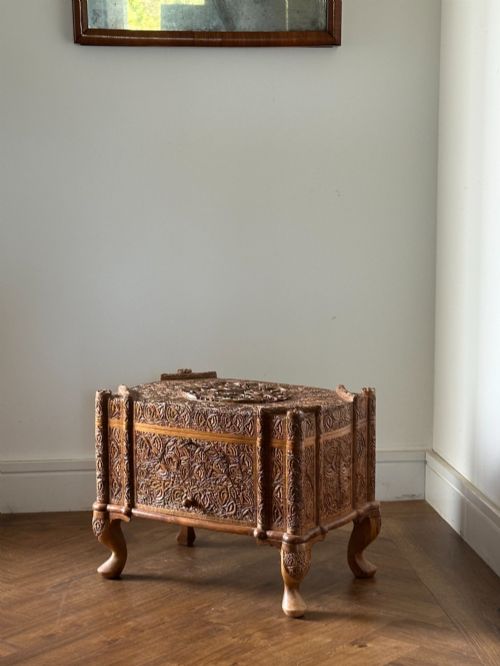
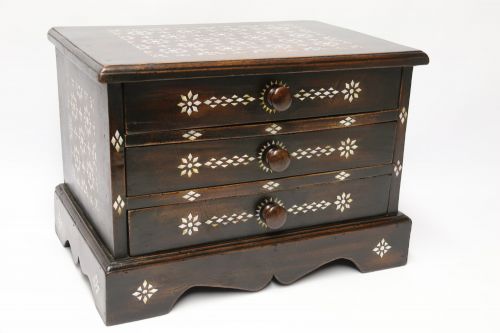
Surface ornamentation integrates intricate hand carving with contrasting inlays of mother-of-pearl, bone and metal wire. Cabinetmakers employed regional joinery traditions to build lidded caskets, swing-out clerical cases and multi-tiered storage chests without relying on modern synthetic adhesives.
Antique Hardwood Box Retail Price Guide 2026
Typical asking prices for hardwood box among the pieces listed under this phrase on Sellingantiques today, from the lower quarter to the upper quarter. They describe what is for sale here now, not the wider market.
Listings feature items dated from the 18th century through the 1930s, utilising brass, bone and mother-of-pearl alongside dense tropical hardwoods.
Craftsmanship and Execution
The distinction between ordinary utility items and exceptional pieces rests in the depth and precision of the hand carving, the integration of inlaid materials like mother-of-pearl, and the crispness of brass or iron mounts. Superior examples maintain balanced proportions and secure joints that withstand environmental shifts without warping.
A rich natural patina developed over decades of handling elevates the visual appeal of the timber surface, distinguishing well-kept boxes from heavily restored or dry examples. The complexity of the internal compartments, such as secret drawers in correspondence boxes or fitted interiors in jewellery caskets, signals higher workshop ambition.
The Antique Hardwood Box Glossary
- Padouk
- A heavy, durable tropical hardwood prized for its reddish-brown colour and stability in furniture making. It frequently appears in Anglo-Indian campaign boxes and chests.
- Zanzibar chest
- A robust storage trunk characterised by heavy brass studding, strapwork and ornamental brass mounts along the front. These pieces reflect trade connections between India, the Middle East and the East African coast.
- Campaign box
- Portable furniture and storage designed for military officers and travellers on the move. They typically feature recessed brass lifting handles and protective corner brackets.
- Cellarette
- A lockable container originally designed to hold bottles of wine or spirits safely. Antique versions often feature internal partitioning tailored for glassware or decanters.
- Treen
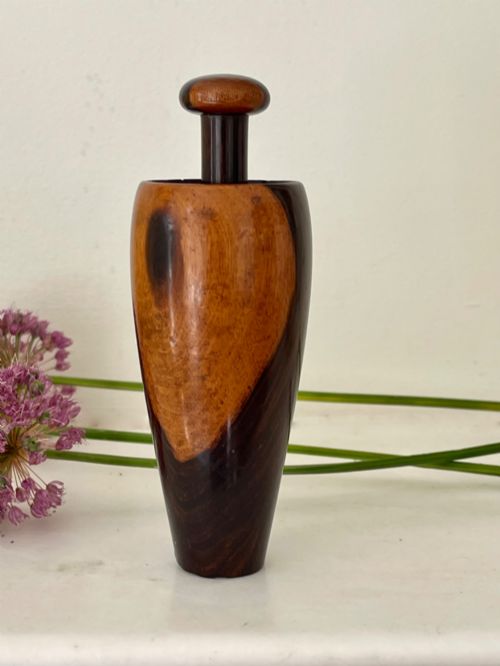
- Small handmade wooden domestic objects fashioned by turners and woodworkers. Examples include pocket snuff boxes, mortars and small utilitarian containers.
Antique Hardwood Box: Frequently Asked Questions
What were antique hardwood boxes used for?
These containers served practical domestic and commercial purposes, ranging from safeguarding spices, documents and jewellery to storing personal snuff rations.
Larger variants functioned as travel trunks for military officers or merchants, while tabletop cabinets organised correspondence and small valuable items in the home.
How do I care for antique hardwood?
Keep wooden boxes away from direct sunlight and sudden temperature shifts to prevent the timber from drying out or splitting.
Apply occasional mild beeswax and buff gently with a soft cloth to preserve the natural lustre and protect the surface grain.
How can I tell where a box was made?
Regional carving motifs, construction techniques and timber choices provide direct clues to geographical origin.
For instance, intricate floral relief carving combined with padouk and brass strapwork points toward Anglo-Indian workshops, while specific brass stud arrangements identify Zanzibar chests.
What is the difference between a box and a chest?
Boxes generally refer to smaller, portable lidded containers designed for tabletops, desks or personal carriage.
Chests denote larger, heavier storage units intended to rest on the floor or travel as cargo, often featuring iron bindings and carrying handles.