




Antique Hardback Volume
An antique hardback volume brings history, literature and art straight to your shelf in sturdy leather, vellum or cloth bindings.
Antique Hardback Volume
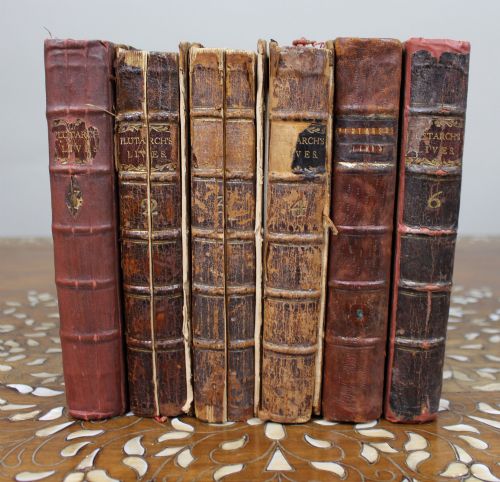
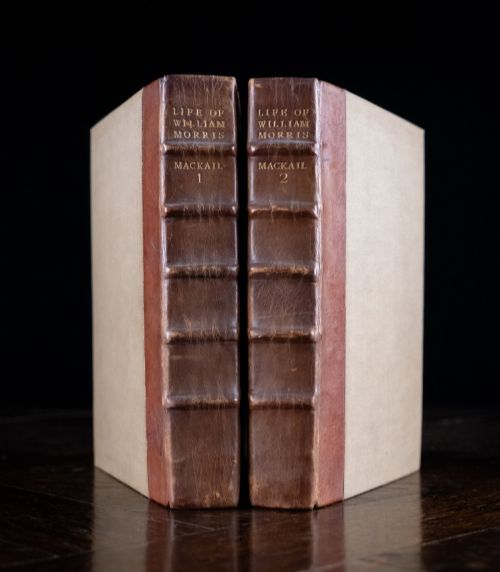
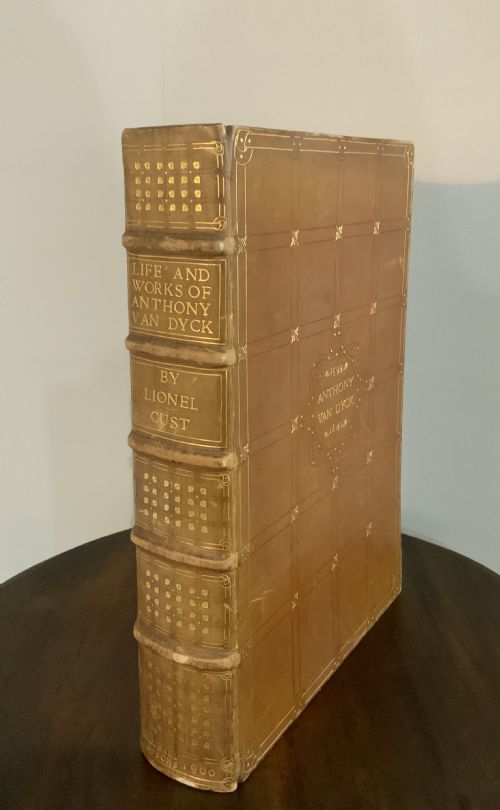
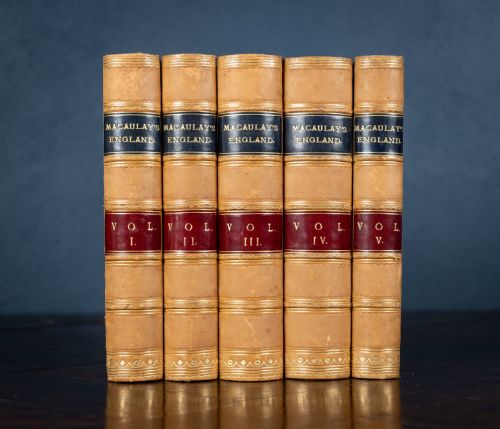
An antique hardback volume represents bound records of literature, history, biography and cartography from past centuries. When searching for an antique hardback volume, a buyer encounters everything from single leather bound memoirs and poetry collections to multi-volume sets dating back to the eighteenth century.
The selections available span multiple eras, including Georgian, Victorian and Edwardian periods. Many editions arrive bound in calfskin, cloth, marbled paper or vellum, reflecting the domestic and professional libraries of their original owners.
How they were made
Binders constructed these volumes using durable materials such as paper, leather, calfskin, cloth and vellum over stiff boards. Text blocks were sewn together before receiving protective covers suited to the reading tastes of the period.
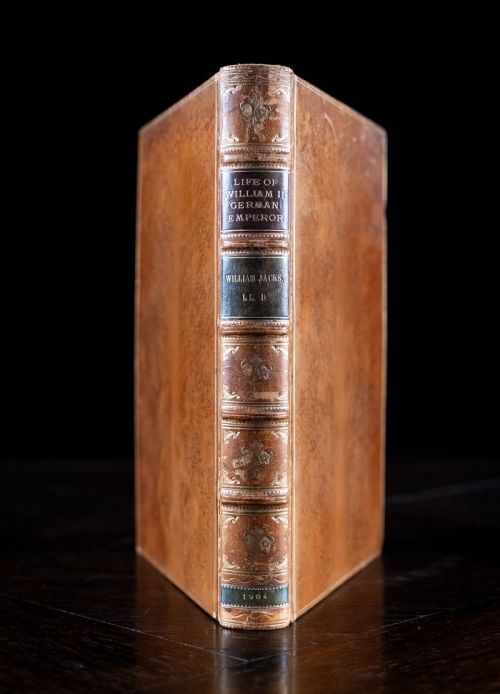
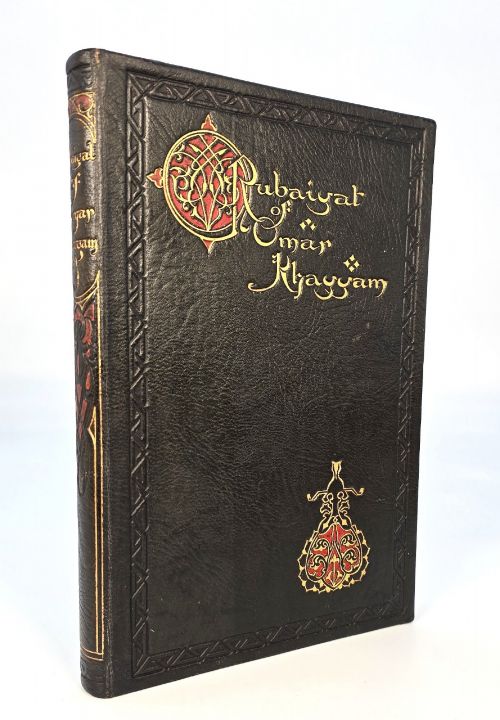
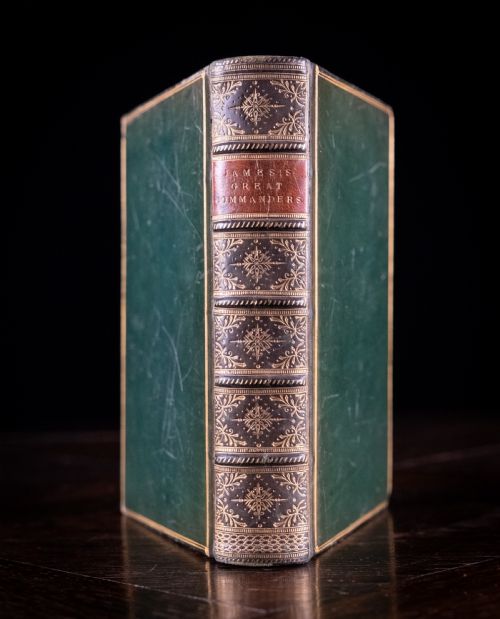
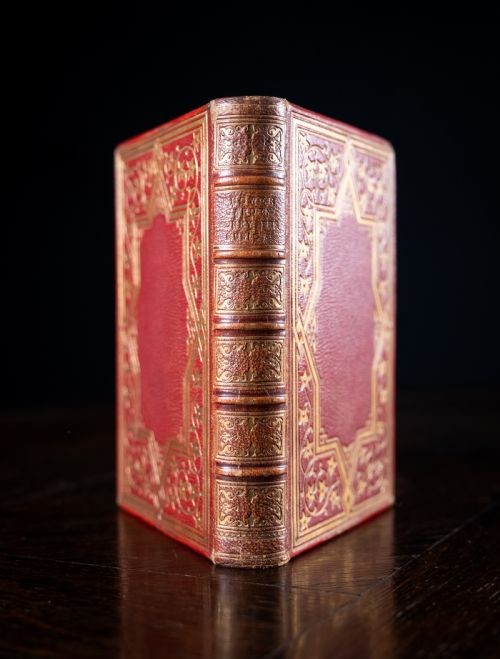
Many bindings incorporate gold leaf tooling along the spine and boards to highlight titles and decorative patterns. Publishers and binders also utilised marbled paper endpapers and durable cloth to secure the internal pages.
Antique Hardback Volume Retail Price Guide 2026
Typical asking prices for hardback volume among the pieces listed under this phrase on Sellingantiques today, from the lower quarter to the upper quarter. They describe what is for sale here now, not the wider market.
Among the historical guides and poetry rests a Victorian volume dedicated entirely to the honey bee and flower gardens.
What varies in quality
The distinction between tiers rests upon the choice of binding materials, from simple cloth and marbled paper to full calfskin leather and vellum. Better examples retain their original structural integrity, with firm hinges and clean text blocks.
The application of gold leaf tooling and the presence of period illustrations by artists such as Gustave Dore elevate certain volumes. Uniformity in multi-volume sets and the preservation of original spines further separate standard reading copies from finer collector pieces.
J. & R. Tonson
The Antique Hardback Volume Glossary
- Calfskin
- A fine, smooth leather derived from calf hide, frequently used for superior book bindings because of its durability and fine grain. Binders often polished and tooled this material with gold leaf.
- Vellum
- A writing support and binding material prepared from calfskin or other animal skin, prized for its pale tone and strength. Vellum books offer a distinct tactile finish compared to standard paper or cloth.
- Gilt tooled
- A decorative technique applying gold leaf to leather or cloth bindings using heated metal tools. This process highlights titles, author names and ornamental borders on the spine and covers.
- Marbled paper
- Decorative paper featuring colourful, swirling patterns resembling marble, commonly employed for endpapers inside the front and back covers. Artisans created these designs by floating pigments on a bath of size before transferring them to paper.
- First edition
- The earliest published appearance of a text from a single typesetting. These volumes hold particular interest for collectors tracking the initial release of notable works.
Antique Hardback Volume: Frequently Asked Questions
How do I care for leather bound books?
Keep leather bound volumes away from direct sunlight and damp conditions to prevent the skin from drying or developing mould.
Maintain stable room temperatures and handle the spines gently when removing books from a shelf.
Are multi-volume sets usually complete?
Many surviving sets remain intact as originally published, while others represent assembled runs of specific historical or literary works.
Check individual listings to confirm the exact number of volumes included in any particular set.
How can I tell the period of a volume?
Title pages frequently state the exact publication year or printing date, while typography and binding styles offer additional clues for undated editions.
Georgian, Victorian and Edwardian volumes each display characteristic material choices and decorative motifs.