



Antique Hardback Leather Volume
An antique hardback leather volume brings tangible history and rich texture to a room, offering tactile connection to centuries past through aged paper and stout binding.
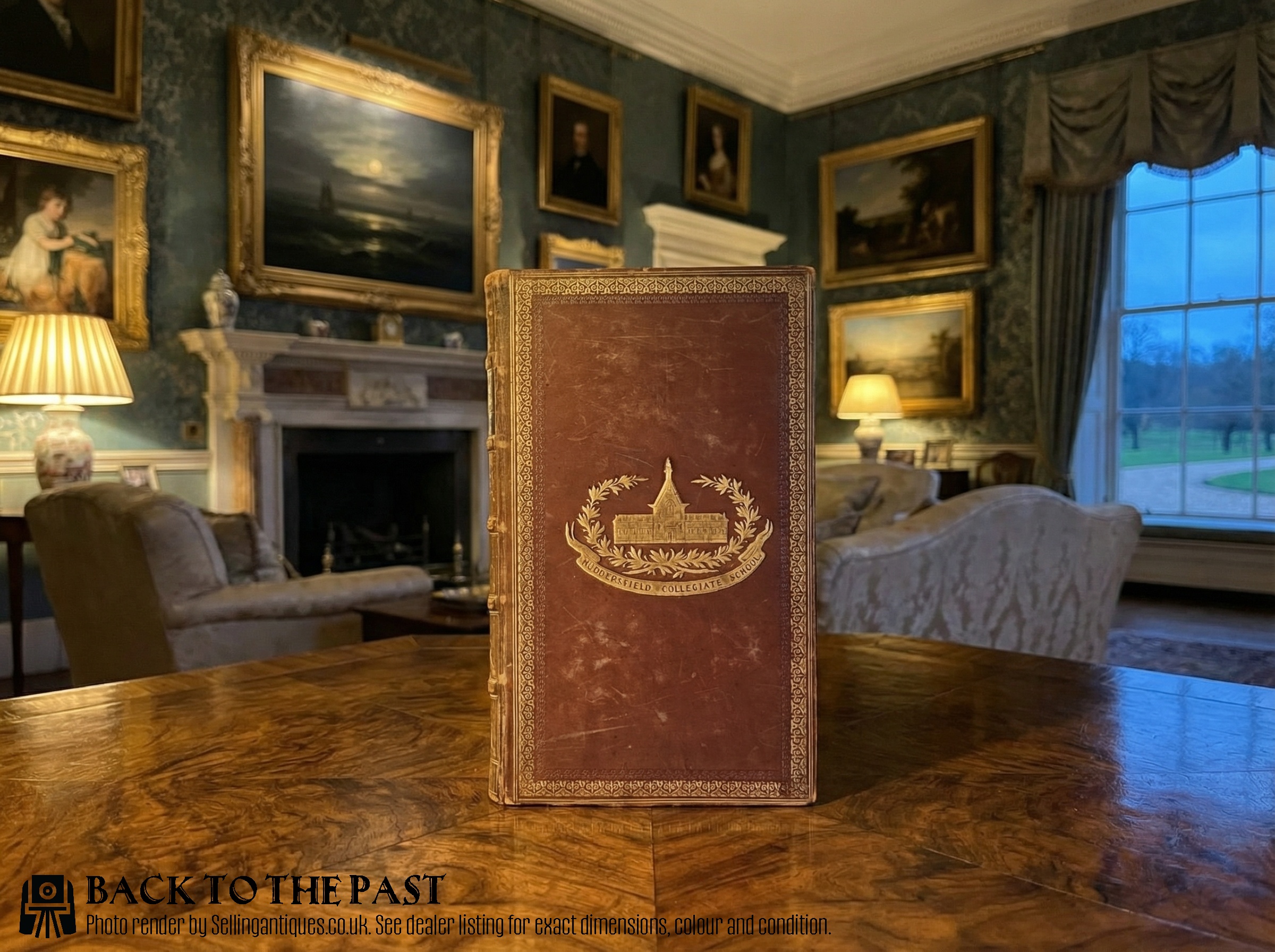
Antique Hardback Leather Volume
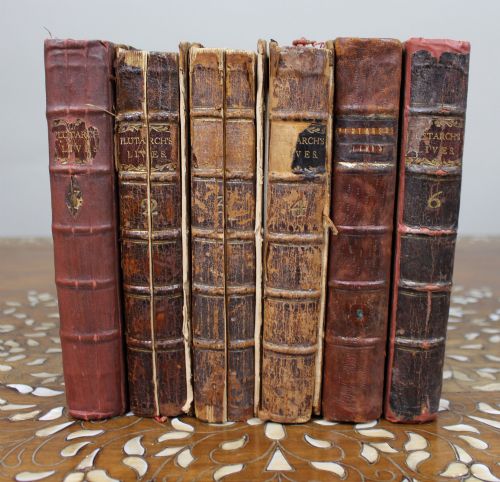
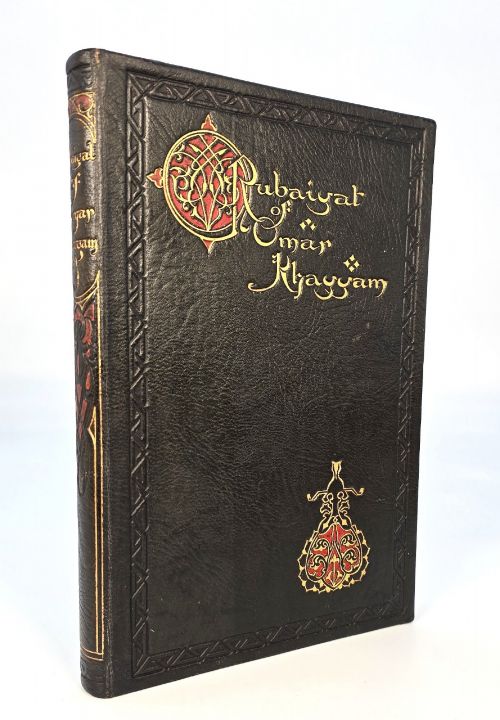
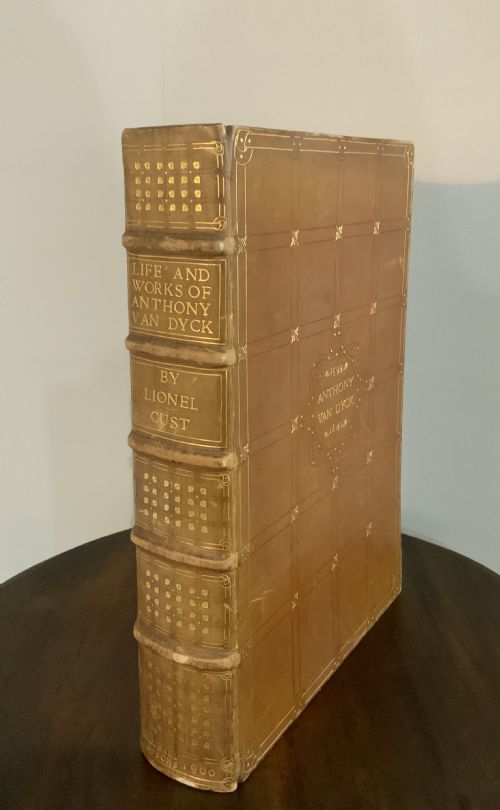
When you search for an antique hardback leather volume, you are looking at centuries of publishing history, from multi-volume sets of eighteenth-century history to Victorian poetry collections and early twentieth-century cartography. These books were built to endure heavy handling, serving as both scholarly reference tools and decorative objects for private libraries.
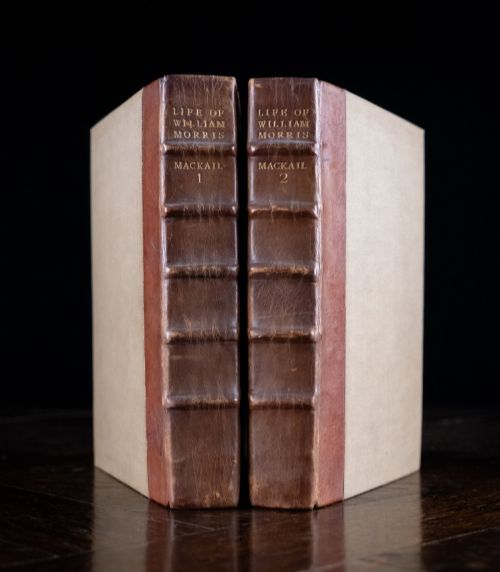
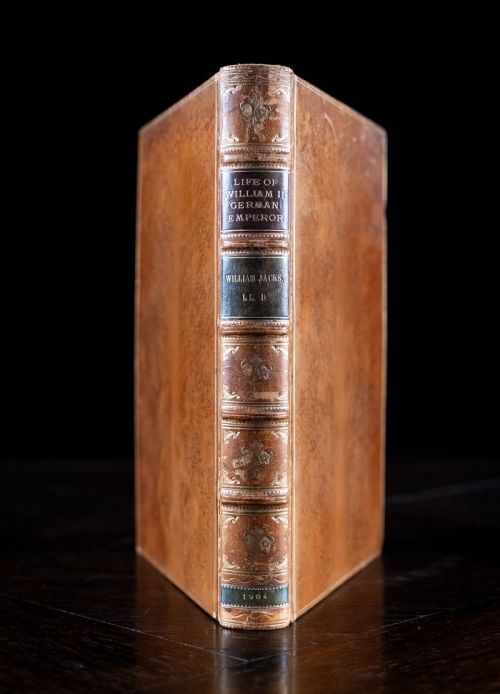
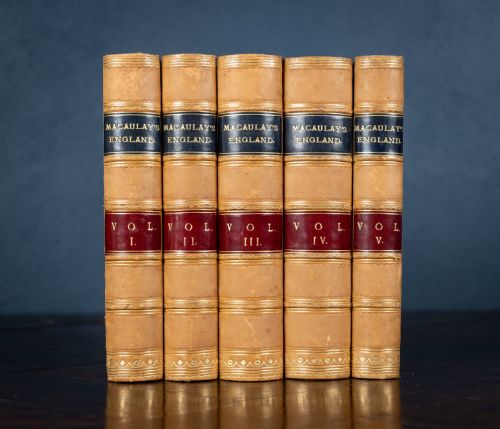
On this page, you are most likely to meet nineteenth-century examples spanning the Victorian and Edwardian periods, frequently bound in full or half calfskin. The selection includes single biographical works, illustrated literature, and long runs of matched sets that reflect the reading habits of earlier generations.
Materials and binding techniques
The construction of these books relies on durable natural materials, predominantly animal skins such as calfskin and occasionally vellum, stretched over sturdy boards. Paper leaves, sometimes enhanced by marbled endpapers, are sewn together onto cords or tapes to form a solid text block.
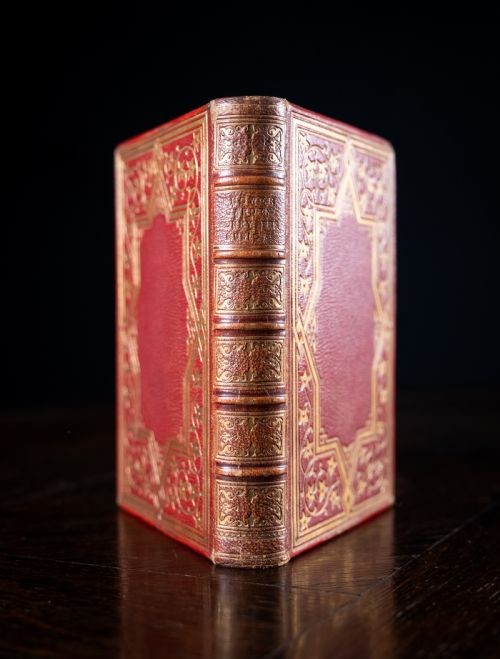
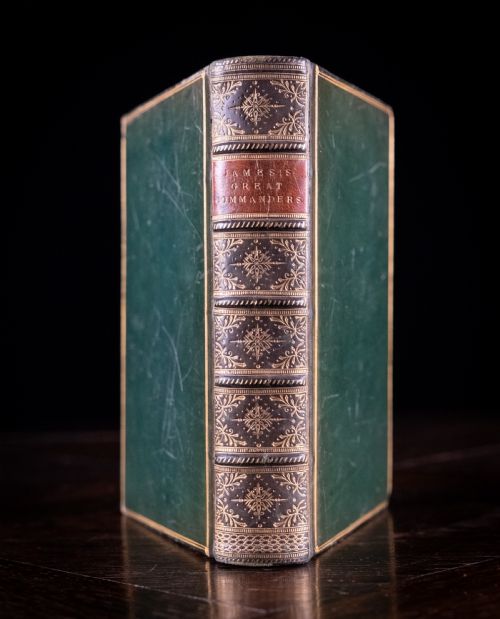
Decoration is achieved through the application of gold leaf tooling directly onto the leather surface, often creating ornate spine decorations and gilt page edges. These traditional hand-crafting methods ensure the physical survival of the volumes across generations.
The selection includes comprehensive multi-volume sets, early editions, poetry collections, and specialised cartography reference books.
Distinctions in quality and preservation
Quality in these volumes rests on the integrity of the original binding and the crispness of the interior printing. Books that retain their original boards, strong hinges, and bright gilt tooling sit at the upper end of the scale compared to those with heavily worn or later rebound covers.
The presence of contemporary illustrations, such as those by noted artists or cartographers, elevates the status of a volume. Fine typography, clean paper stock, and complete multi-volume sets further distinguish superior examples from standard reading copies.
J. & R. Tonson·Gustave Dore·Thomas Babington Macaulay
The Antique Hardback Leather Volume Glossary
- Calfskin
- A fine leather derived from the skin of a calf, commonly used for high-quality bookbindings because of its smooth texture and ability to take decorative tooling. It often develops a warm patina with age.
- Vellum
- A writing material made from prepared calf, lamb, or kid skin, valued for its exceptional durability and smooth, pale surface. It appears on early bindings and resists wear significantly better than ordinary paper.
- Gilt tooled
- A decoration method where gold leaf is pressed into leather using heated metal tools to create gleaming patterns or lettering along the spine and covers. This technique highlights the craftsmanship of the binder.
- First edition
- The earliest published appearance of a work from a setting of type, highly sought after by collectors for its textual primacy. Subsequent printings follow this initial run.
- Marbled paper
- Paper decorated with a colourful swirled pattern resembling marble, typically used for the endpapers lining the inside covers of leather-bound books. It adds a distinct visual flourish to the interior.
Antique Hardback Leather Volume: Frequently Asked Questions
How should I clean antique leather books?
Dust gently with a soft, dry cloth to remove surface particles without disturbing fragile bindings. Avoid using modern household cleaning liquids or water, as moisture damages aged leather and paper.
Keep volumes in a stable environment away from direct sunlight and damp conditions to prevent the leather from drying out or developing mould.
Are these books suitable for everyday reading?
Many nineteenth-century volumes remain structurally sound enough for careful reading, provided you support the spine when opening the book. Heavy or delicate multi-volume sets require gentle handling to preserve the original sewing and joints.
For daily reading of fragile texts, collectors often use protective bookmarks and avoid forcing the pages open beyond their natural limit.
How can I tell the difference between periods?
Eighteenth-century bindings often feature distinctive calfskin patterns, prominent raised spine bands, and heavier laid paper watermarks. Victorian books frequently incorporate elaborate blind-stamping alongside gilt tooling and machine-made paper stocks.
Typography and title page dates provide the clearest confirmation of a book's era, supported by the binding style typical of that decade.
What does a rebound book mean?
A rebound book has received a new leather or cloth spine and covers at some point after its original publication, often replacing deteriorated historical materials. This process rescued texts from falling apart and kept them usable for future owners.
While purists sometimes prefer entirely original bindings, professional rebinding preserves the historical text block using traditional craft methods.