



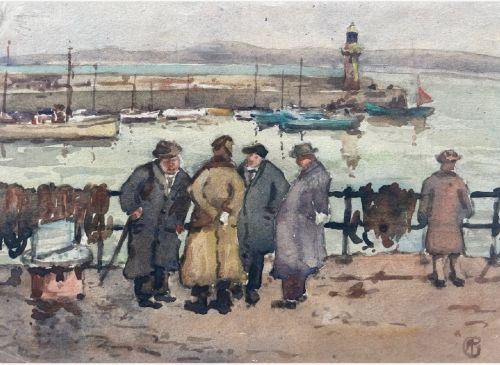

Antique Harbour Watercolour
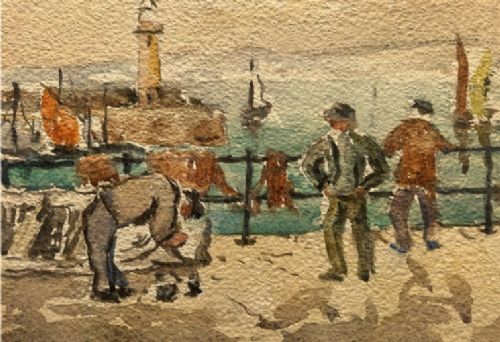
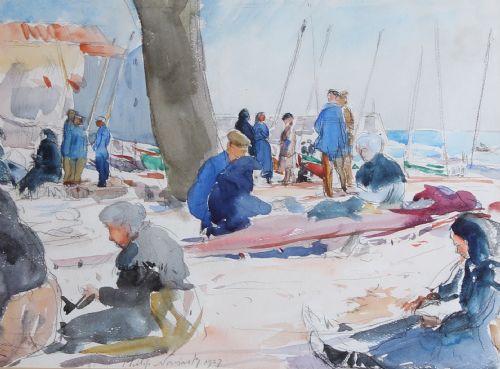
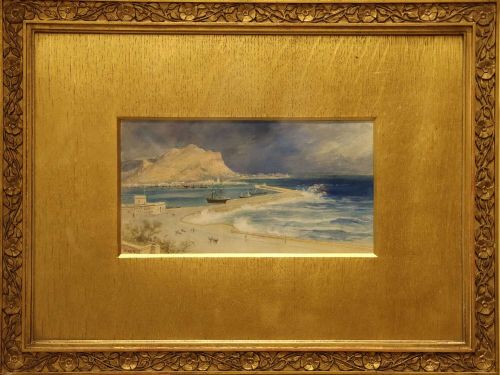
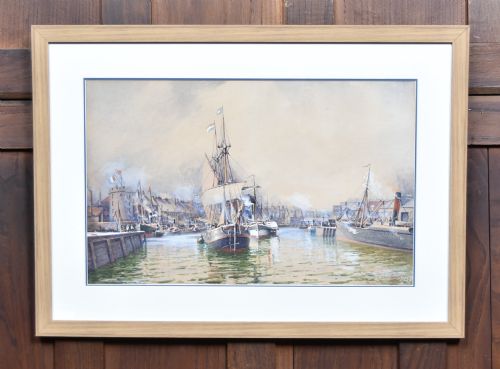
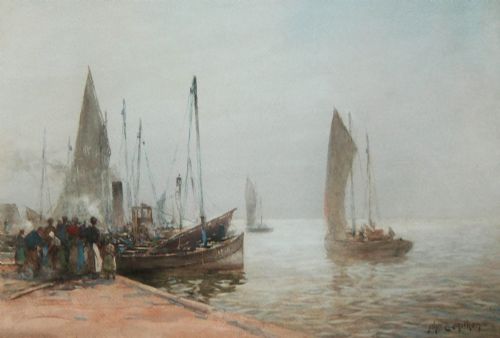
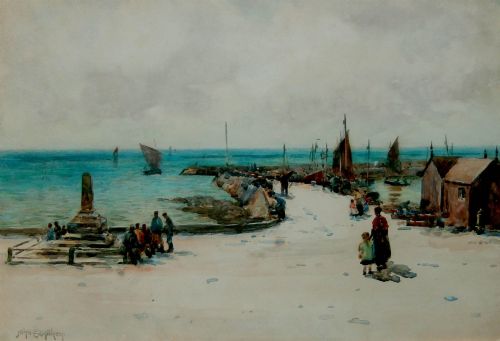
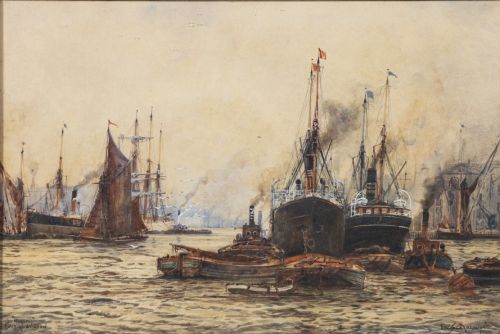
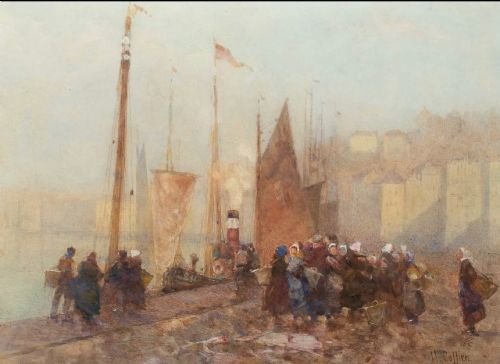
These paintings capture the salty light and stone piers of coastal trade and fishing fleets, offering a glimpse into maritime life preserved on paper.
Antique Harbour Watercolour
An antique harbour watercolour documents the working coast, recording fishing fleets, tidal estuaries and bustling quaysides from the nineteenth and early twentieth centuries.
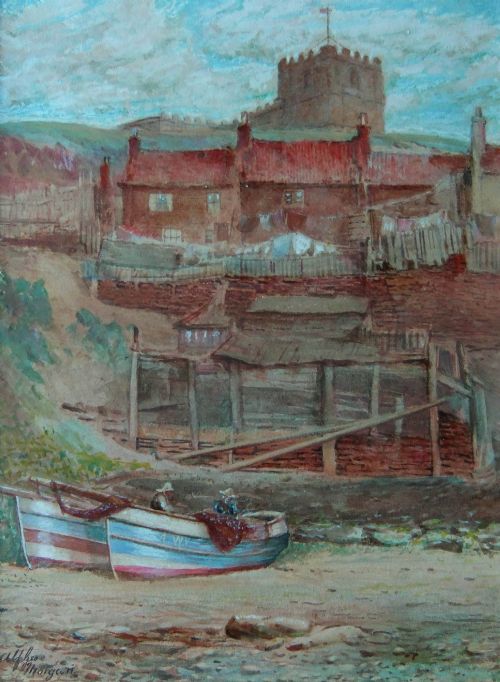
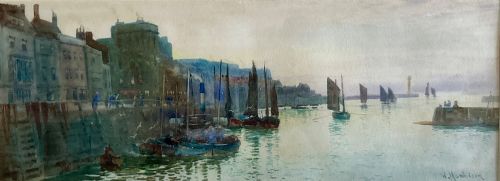
The selection ranges from Victorian maritime watercolours to Edwardian coastal scenes, capturing specific locations such as Whitby, St Ives, and various European ports.
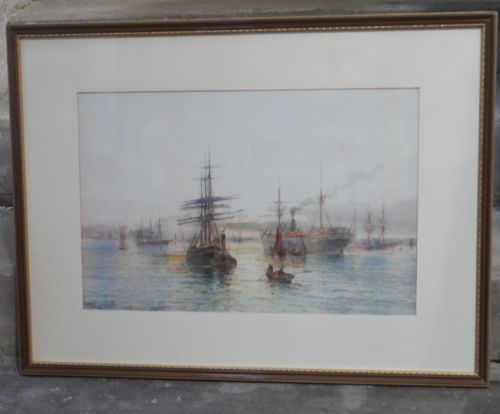
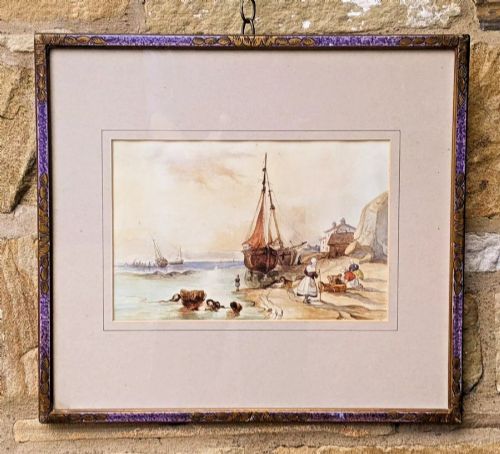
Framed artwork and fine art paintings on this page frequently show local vessels, luggers, and merchant shipping moored against stone pier walls.
How they were made
Artists painted primarily with watercolour pigment suspended in water, applied directly to absorbent paper surfaces.
Makers layered transparent washes alongside touches of opaque bodycolour and ink lines to define rigging, architecture, and choppy water.
Antique Harbour Watercolour Retail Price Guide 2026
Typical asking prices for harbour watercolour among the pieces listed under this phrase on Sellingantiques today, from the lower quarter to the upper quarter. They describe what is for sale here now, not the wider market.
British Impressionism and Edwardian Maritime styles represent the core aesthetic approaches found across these watercolours.
What varies in quality
Quality rests upon the artist's handling of atmospheric light, spatial depth, and the convincing movement of water against wooden hulls.
Stronger examples display confident brushwork and precise architectural perspective rather than stiff, formulaic rendering of maritime traffic.
James E. Aitken·Thomas Bush Hardy·William Lee Hankey·Frank William Scarbrough·Hector Caffieri
The Antique Harbour Watercolour Glossary
- Watercolour pigment
- Finely ground colour particles mixed with a water-soluble binder, used to create translucent washes on paper.
- Lugger
- A traditional two-masted fishing boat rigged with lug sails, frequently seen in coastal scenes.
- Bodycolour
- Watercolour paint mixed with a white pigment to make it opaque, adding highlights to water and clouds.
- Maritime
- Pertaining to the sea, ships, and harbours, defining the primary subject matter of these works.
Antique Harbour Watercolour: Frequently Asked Questions
How should I frame an antique watercolour?
Protect the paper behind glass with conservation-grade mount board that keeps the painted surface from touching the glazing directly.
Keep these works away from direct sunlight to prevent the pigments from fading over time.
Are these works always signed by the artist?
Many paintings bear the artist's signature or monogram, usually placed clearly in one of the lower corners.
Unsigned works still appear frequently, attributed to specific schools or periods based on technique and subject matter.
What subjects appear most often in these paintings?
Views focus heavily on British fishing ports, Yorkshire coastal towns, and occasionally continental European harbours.
Boats, tides, abbey ruins, and stone quays dominate the compositions across all active periods.
How do I identify the date of a harbour watercolour?
Examine the style of dress worn by figures on the quayside, the rigging of the vessels, and any inscribed dates or gallery labels.
Victorian works tend toward dramatic weather and tighter detail, while later pieces adopt broader impressionistic brushwork.