






Antique Hanging Wardrobe
An antique hanging wardrobe provides deep full-length storage for coats and garments while anchoring a bedroom with period timber and proportion.
Antique Hanging Wardrobe
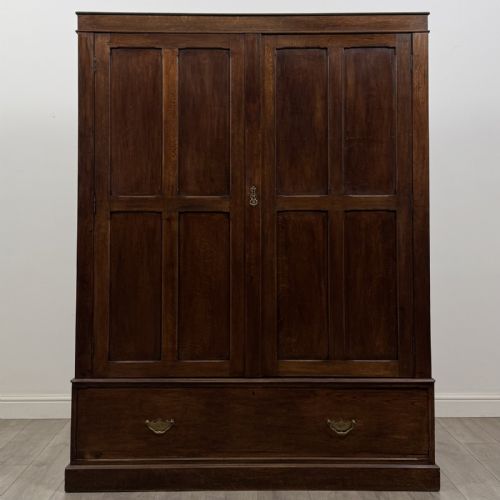
When searching for an antique hanging wardrobe, you encounter large storage furniture designed primarily for vertical garment storage rather than folded linen shelves. The pieces span several distinct eras, appearing most frequently in robust Victorian iterations and earlier Georgian or Regency formats.
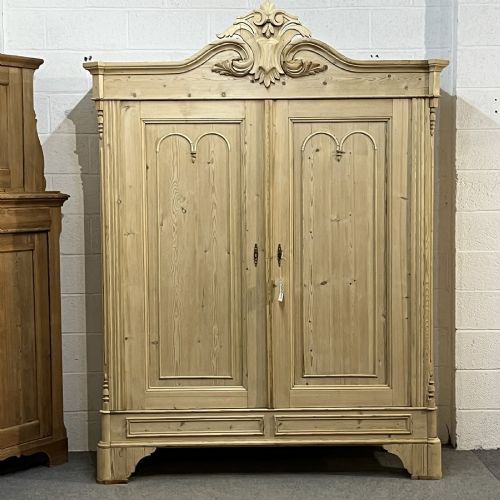
Many examples emerge in regional forms such as Welsh vernacular cupboards, Channel Island hall wardrobes, and French armoires fitted with hanging rails. These regional pieces sit alongside formal English mahogany presses and oak hanging cupboards from the eighteenth and nineteenth centuries.
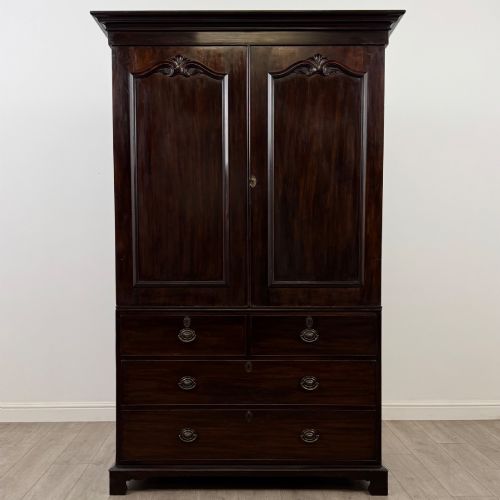
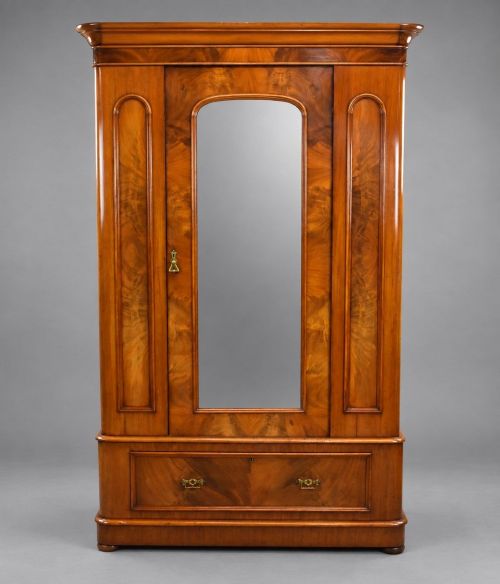
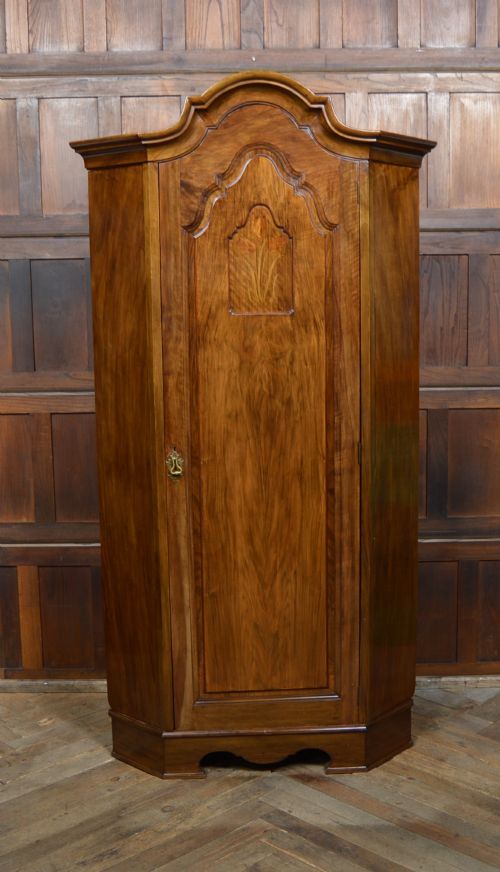
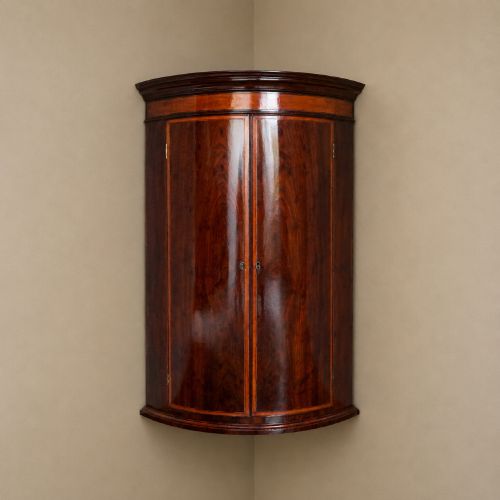
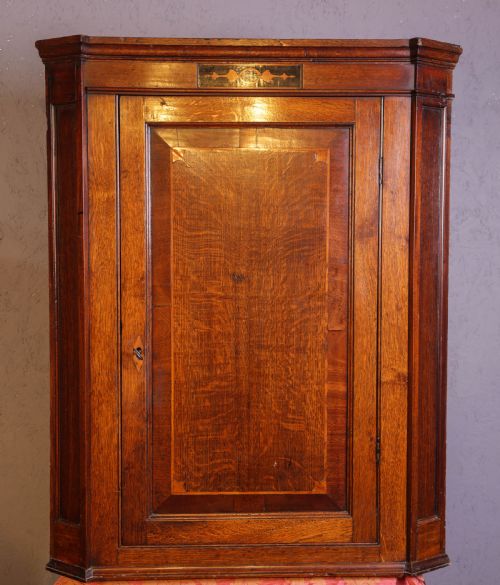
The objects vary considerably in scale, ranging from single door corner cabinets and compact hall robes to massive triple-door mahogany compactums and four-piece pine configurations. Buyers find both simple utilitarian country pieces and highly figured formal furniture.
Materials and construction
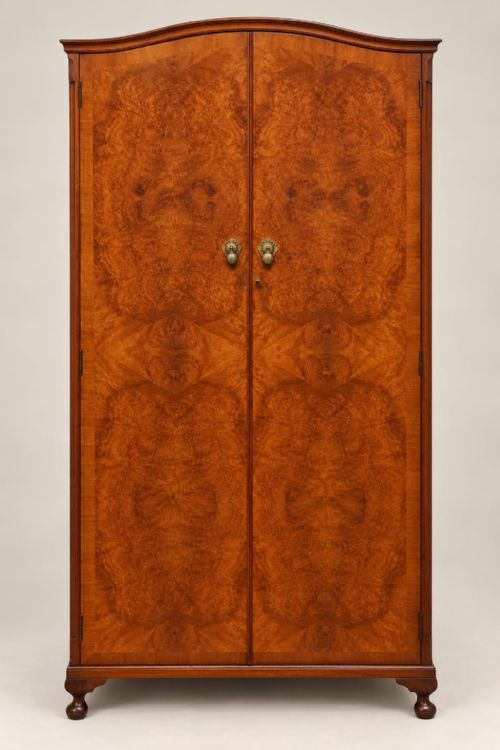
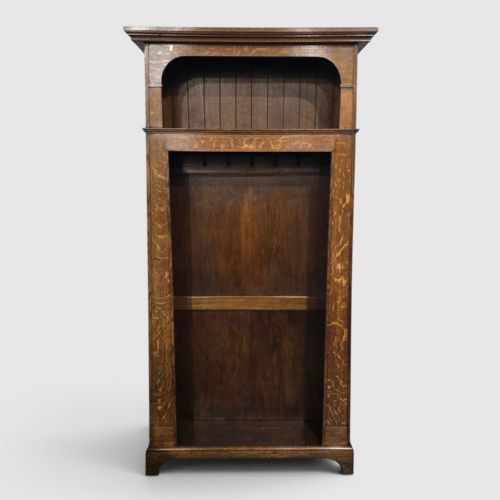
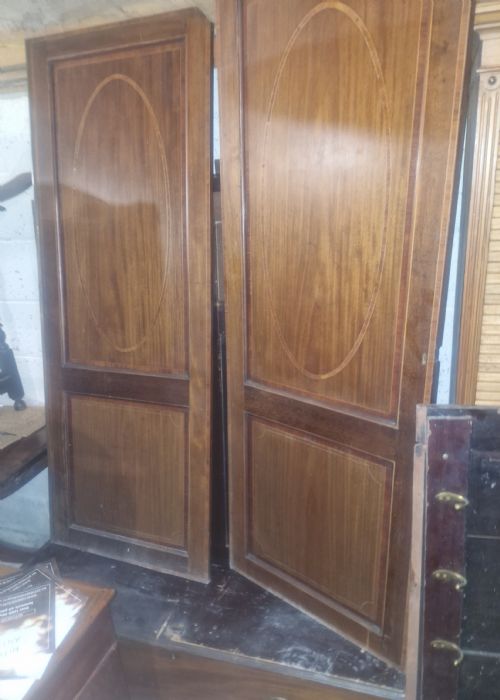
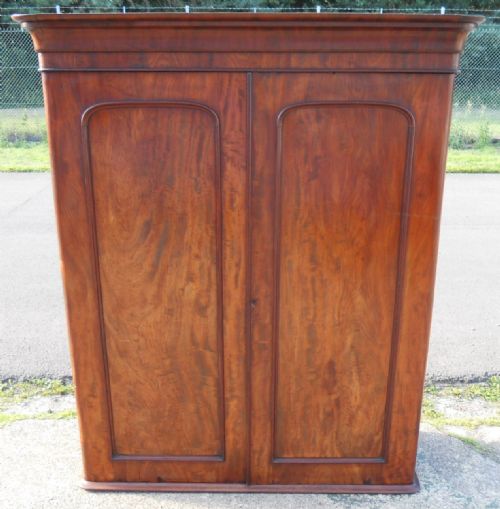
Makers relied heavily on native hardwoods like oak for early country cupboards and dense mahogany for formal Georgian and Victorian pieces. Timber selection dictated the character of the piece, often enhanced through flame mahogany veneer, burr walnut, or decorative boxwood inlay.
Joinery methods combined traditional panel construction with structural iron fixings and brass hardware such as hinges, escutcheons, and hanging hooks. Secondary timbers like pine appeared in carcases and interiors, while specialised variants utilised pitch pine or painted finishes.
Antique Hanging Wardrobe Retail Price Guide 2026
Typical asking prices for hanging wardrobe among the pieces listed under this phrase on Sellingantiques today, from the lower quarter to the upper quarter. They describe what is for sale here now, not the wider market.
Listings feature timbers including mahogany, oak, walnut, pine, and boxwood, spanning the Georgian, Regency, Victorian, and Arts and Crafts periods.
Distinguishing quality across the range
Quality rests upon the selection and matching of timber veneers, such as plum pudding mahogany or figured walnut, alongside the crispness of carved details and inlaid decoration. Finer pieces demonstrate superior proportion, balanced door panels, and original brass fittings.
Construction integrity separates high-end workshop production from utilitarian country carpentry, visible in the thickness of solid timber doors and the precision of structural joints. Originality of the interior layout and the preservation of surface patina further elevate a piece.
The Antique Hanging Wardrobe Glossary
- Compactum
- A large fitted wardrobe combining hanging space, drawer units, and sometimes shoe racks or shelving within one multi-door carcass.
- Linen press
- A tall cupboard featuring upper sliding trays or shelves for folded textiles above lower drawers, often adapted over time to take a hanging rail.
- Flame mahogany
- A decorative timber veneer cut from timber fork joints where branches meet the main trunk, creating a characteristic fiery wave pattern.
- Vernacular
- Furniture built by regional makers using local timber traditions rather than following metropolitan academic design styles.
- Escutcheon
- A protective metal plate surrounding a keyhole, usually fashioned from brass on period cabinet doors.
Antique Hanging Wardrobe: Frequently Asked Questions
How do I fit modern clothes into an antique wardrobe?
Many period wardrobes were built before standard clothes hangers existed, meaning internal hanging depths can occasionally prove shallow for modern broad shoulders. Cabinet makers often fitted wooden peg rails or simple hooks rather than front-to-back hanging bars.
Buyers usually overcome shallow depths by utilising slim modern hangers or having a specialist adjust the internal hanging rail orientation. It is wise to measure your garments against the internal depth before purchasing.
What is the difference between an armoire and a wardrobe?
Armoire is a traditional continental term for a large cupboard with doors, while wardrobe is the standard English term for furniture specifically intended for hanging garments. In practice, many continental armoires listed today have been retrofitted with internal hanging rails to match the function of English wardrobes.
Both terms describe substantial tall storage furniture, but armoires often display regional French or Dutch decorative carving and proportions. The interior fittings offer the best guide to how a specific piece was utilised historically.
How do I tell a Georgian wardrobe from a Victorian one?
Georgian pieces, dating through the eighteenth century, typically display clean architectural proportions, solid mahogany or oak construction, and restrained decoration like crossbanding or bracket feet. They often take the form of linen presses or hanging cupboards with fielded panel doors.
Victorian wardrobes from the nineteenth century are generally larger, heavier, and more eclectic, drawing on Gothic, Arts and Crafts, or Renaissance revival styles. They frequently incorporate mirrored doors, extensive carving, burr veneers, and modular carcases designed for larger bedrooms.