



Antique Hanging Lighting
Antique hanging lighting transforms spaces with period character, offering historic chandeliers, lanterns, and pendants crafted from brass, bronze, and crystal.
Antique Hanging Lighting
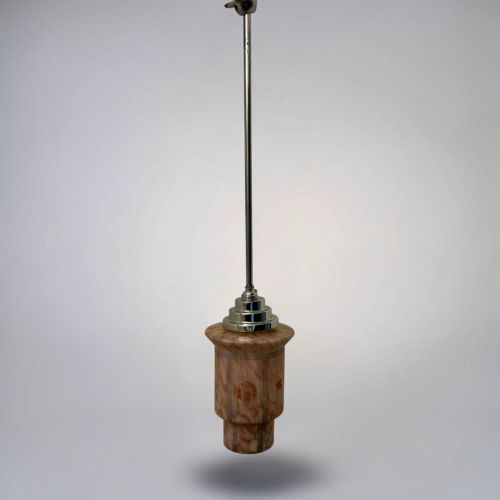
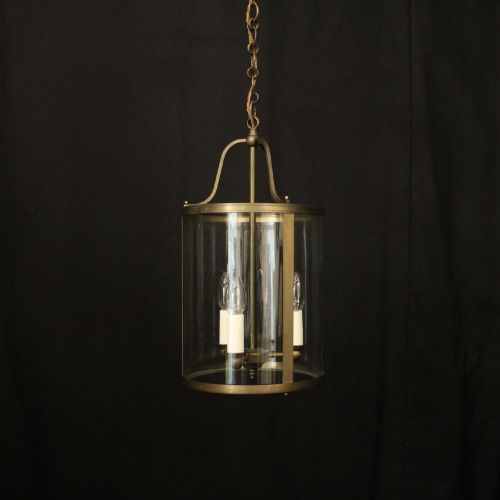
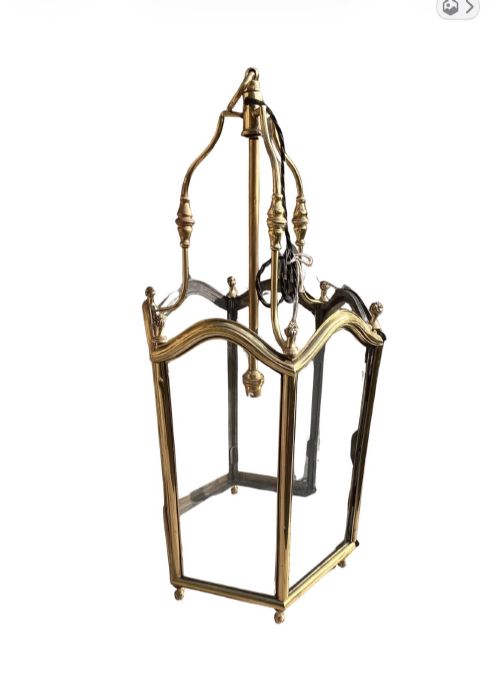
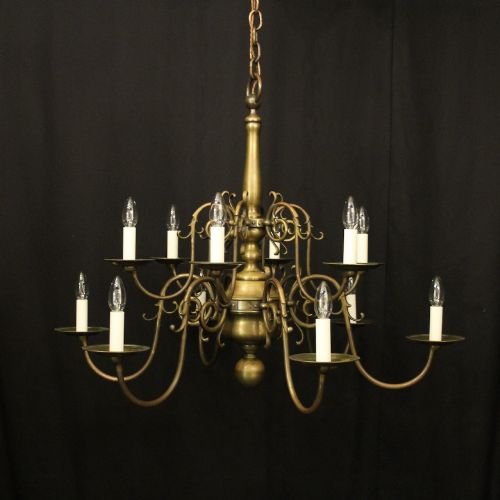
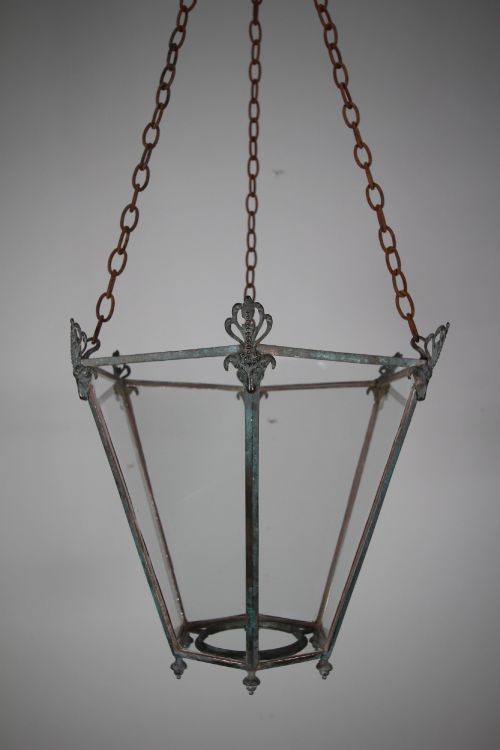
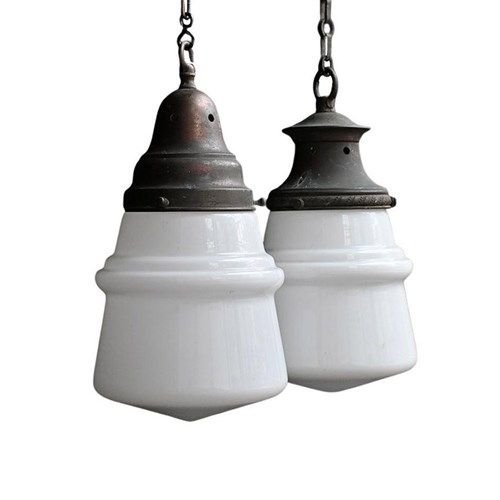
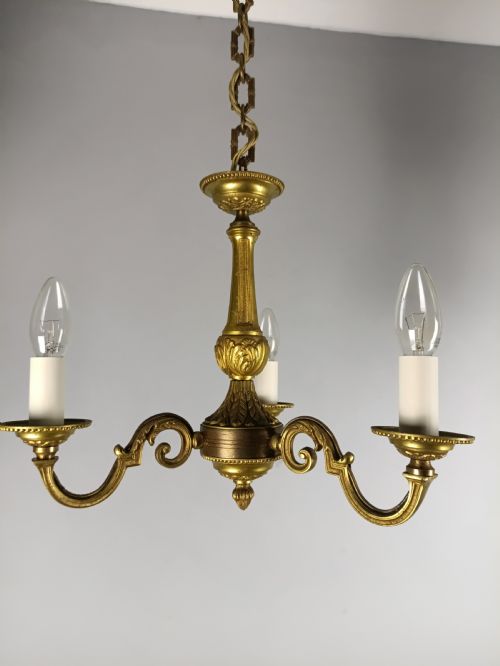
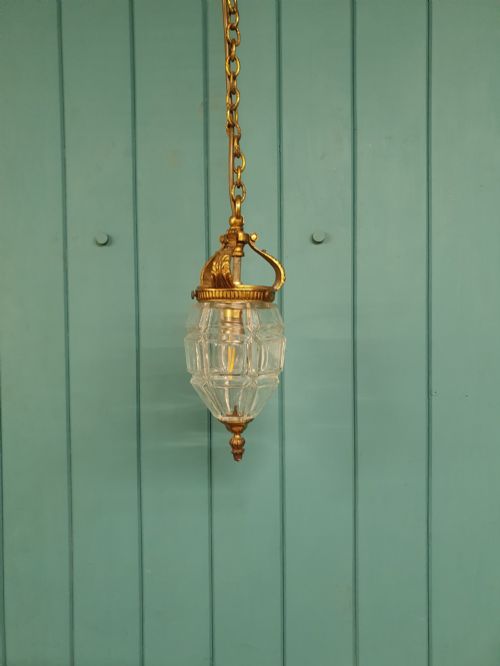
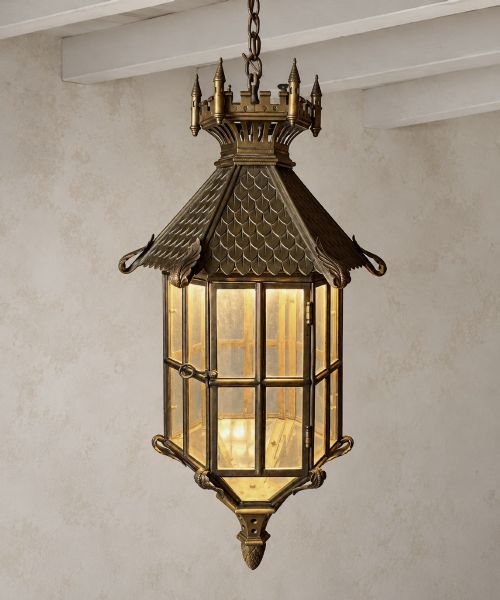
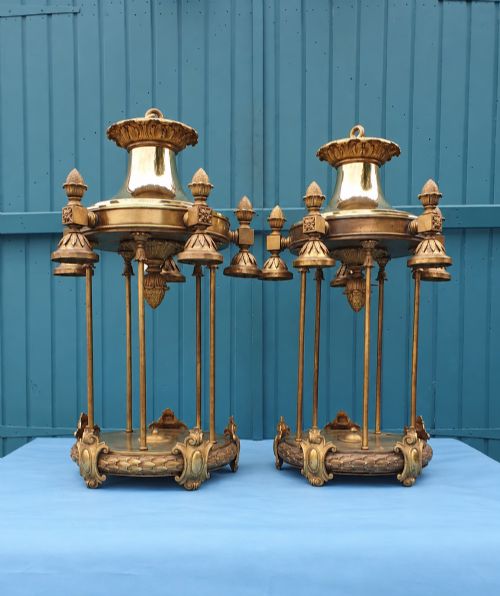
Antique hanging lighting encompasses ceiling fixtures designed to illuminate rooms from above, spanning chandeliers, hall lanterns, pendant lights, and ceiling lights. These pieces originate from the Victorian, Edwardian, and early twentieth-century periods, capturing styles from Arts and Crafts to Art Deco and French Rococo Revival.
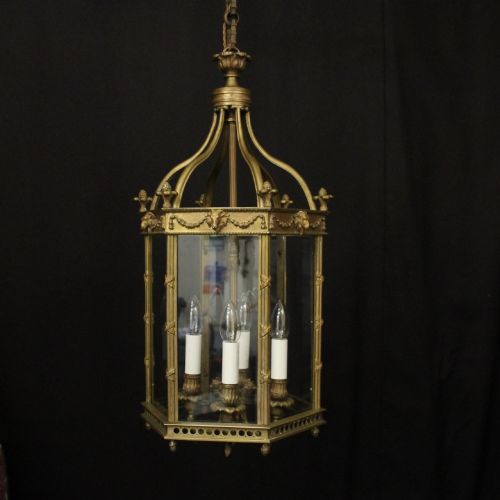
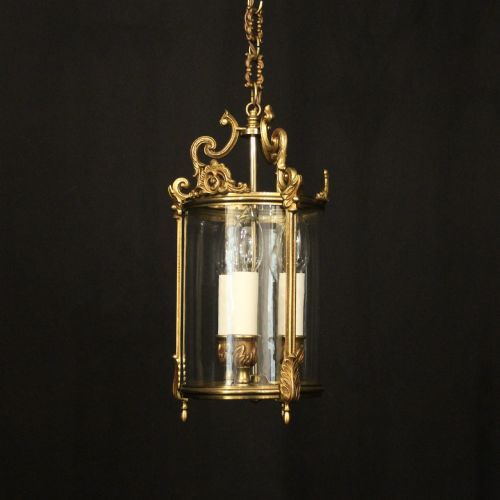
Buyers most frequently encounter brass and glass lanterns alongside crystal-hung chandeliers originating from French and English workshops. These fixtures range from simple utilitarian porch lights to enormous castle chandeliers and elaborate tent and waterfall designs.
Ceiling fixtures also include specialised forms such as Moroccan pierced metal lanterns, church lights, and inverted alabaster bowls suspended on chains. Each piece reflects the interior illumination needs of its original era, utilising candles, gas, or early electricity.
Materials and construction
Metalwork forms the structural backbone of these fixtures, utilising cast bronze, spun brass, wrought iron, and copper. Artisans shaped these metals through casting, hammering, and piercing, creating intricate frames to support glass panels and crystal drops.
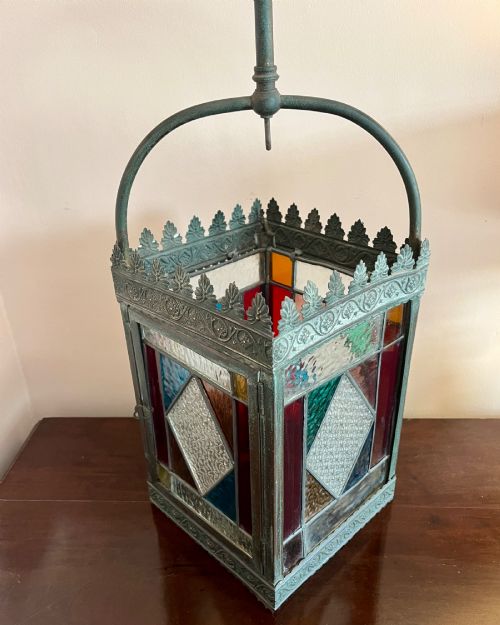
Glass and crystal components were hand-blown, moulded, or cut to refract light effectively across a room. Stained glass, leaded glass, and bevelled panels appear frequently in lanterns, while chandeliers incorporate cut glass crystal lustres and swags.
Specialist materials such as hand-stitched leather, vellum, porcelain flowers, and white alabaster appear in specific Arts and Crafts and continental pieces. Metal surfaces received various finishes, including silver gilding, gold ormolu, and natural patination.
Antique Hanging Lighting Retail Price Guide 2026
Typical asking prices for hanging lighting among the pieces listed under this phrase on Sellingantiques today, from the lower quarter to the upper quarter. They describe what is for sale here now, not the wider market.
Monks and ecclesiastical figures occasionally lend their likenesses to wall-hanging candelabra from the early twentieth century.
Judging quality
Quality in these fixtures rests upon the crispness of metal casting and the depth of hand-finishing on bronze and brass frames. Superior examples display sharply defined ornamentation and substantial metal gauge rather than thin, pressed sheet construction.
The integrity and clarity of the glass or crystal components dictate overall visual impact. Hand-cut crystal drops with sharp facets and heavy lead glass panels create superior light refraction compared to machine-pressed substitutes.
Construction methods reveal craftsmanship, seen in robust internal framing, secure mechanical joints, and original suspension hardware. Matched components and integrated design details across the entire fixture separate standard commercial production from masterworks.
Degué·Émile-Jacques Ruhlmann
The Antique Hanging Lighting Glossary
- Chandelier
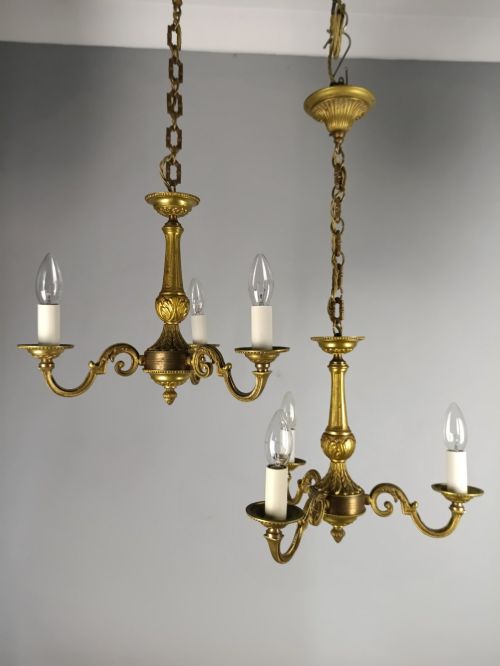
- A branched ceiling fixture designed to hold multiple light sources. These fixtures often feature elaborate metal frames hung with crystal lustres.
- Lantern
- An enclosed hanging light fixture fitted with glass panels to protect the burner or candle inside. They frequently appear in hallways and porches.
- Tent and waterfall
- A chandelier style featuring an upper conical canopy of crystal beads resembling a tent, cascading down to a lower ring of lights. This configuration maximises light reflection.
- Pricket candle holder
- A spike-style candlestick holder designed to impale the base of a candle. They appear on wall-hanging or ceiling-suspended ecclesiastical fixtures.
- Lustre
- A cut glass pendant or droplet hung from a chandelier to enhance illumination. These elements catch and disperse light across the room.
Antique Hanging Lighting: Frequently Asked Questions
How do I hang a heavy antique chandelier safely?
Heavy fixtures require direct attachment to ceiling joists using rated steel hooks and secure suspension chains capable of supporting the full weight of the bronze and crystal.
Electrical wiring must be routed internally or neatly alongside the chain, and professional installation ensures the structural integrity of the ceiling support.
Can antique hanging lights be wired for modern electricity?
Most antique fixtures adapt readily to modern electrical standards through rewiring by a qualified professional. Internal channels and sockets can be updated while preserving the historic exterior metalwork and glass.
Lower-wattage LED candle bulbs help protect delicate materials like vellum, leather, and antique glass from excessive heat exposure.
How do I clean crystal chandeliers without damaging them?
Cleaning requires a specialised glass cleaning spray applied to a soft cloth rather than submerging the entire fixture. Gently wiping each crystal lustre prevents moisture from damaging old metal frames and electrical components.
For thorough cleaning, individual crystal drops may be detached, washed in warm soapy water, dried, and rehung in their exact positions.
What is the difference between a hall lantern and a pendant light?
Hall lanterns feature enclosed glass sides set within a metal cage, originally designed to shield candles or gas flames from draughts in narrow entryways. They project a contained, directional glow suitable for transitional spaces.
(pendant lights hang from a single cord or rod and generally cast more open, ambient illumination downward into a room.)