
Antique Hanging Glass Mirror
An antique hanging glass mirror brings depth and reflected light to a room, drawing the eye with the character of older plates and frames.
Antique Hanging Glass Mirror
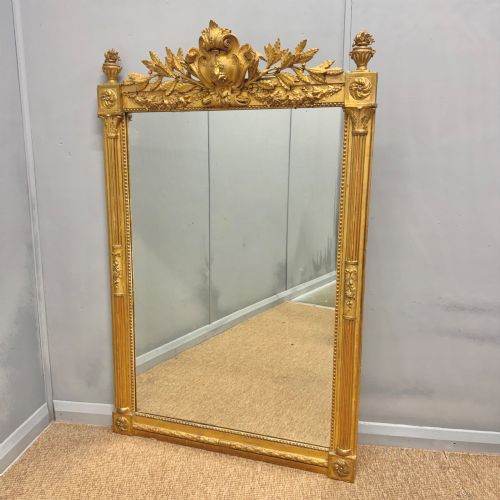
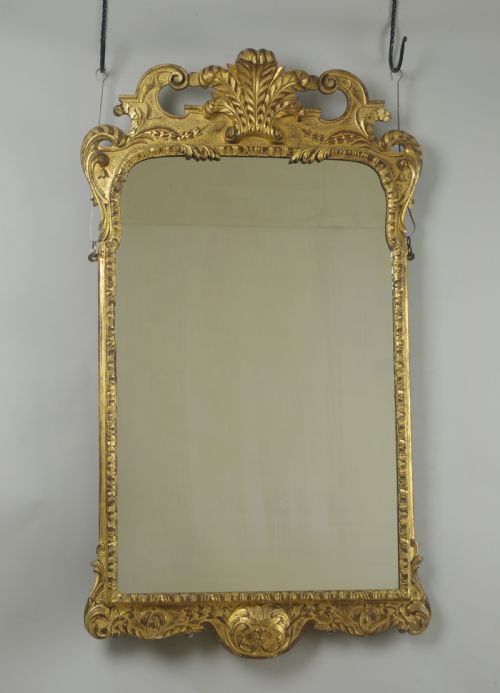
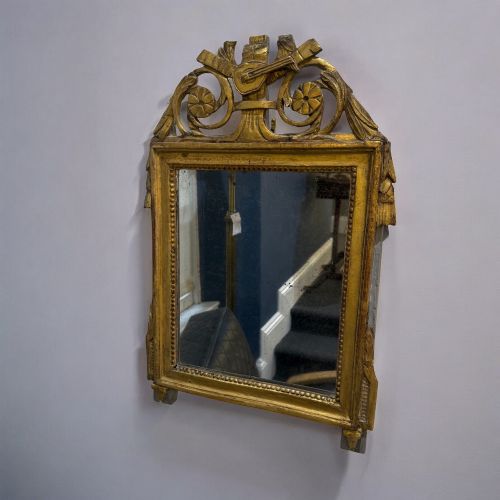
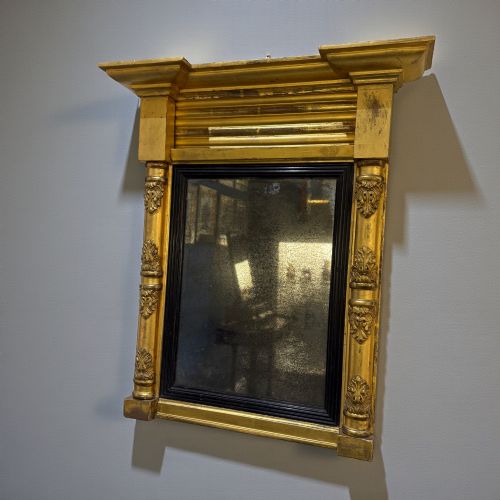
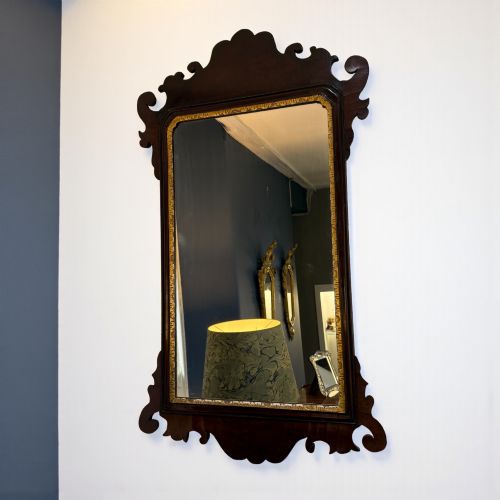
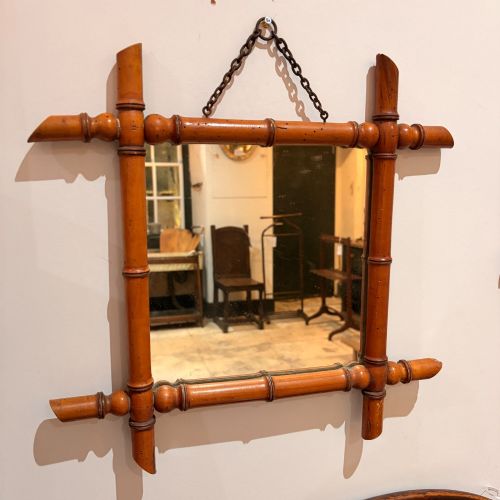
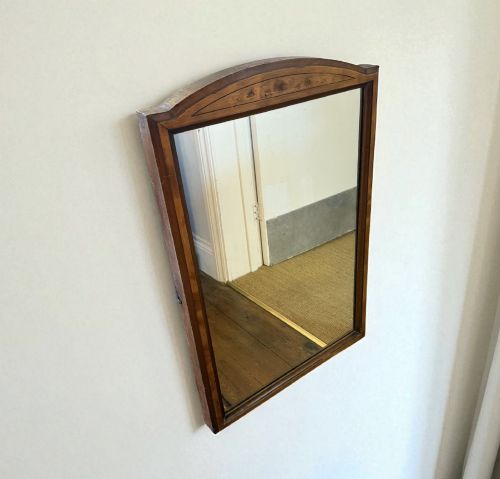
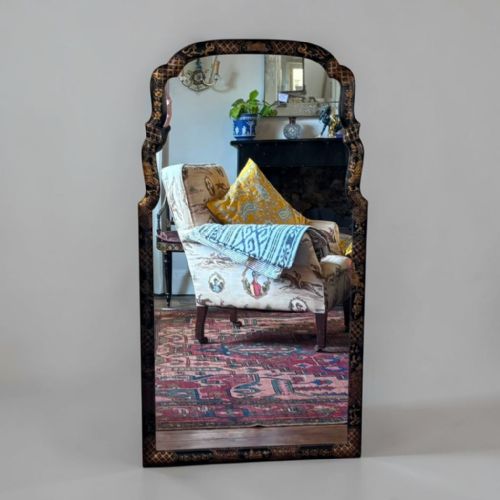
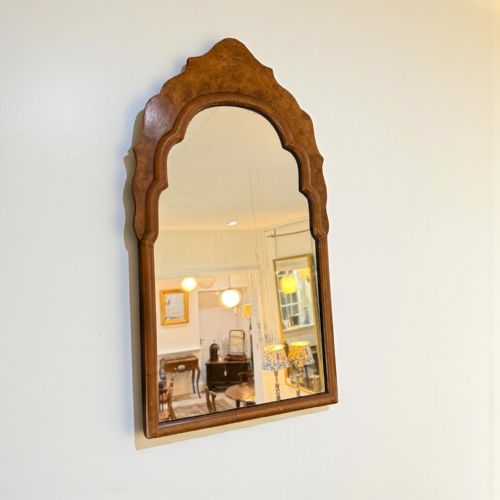
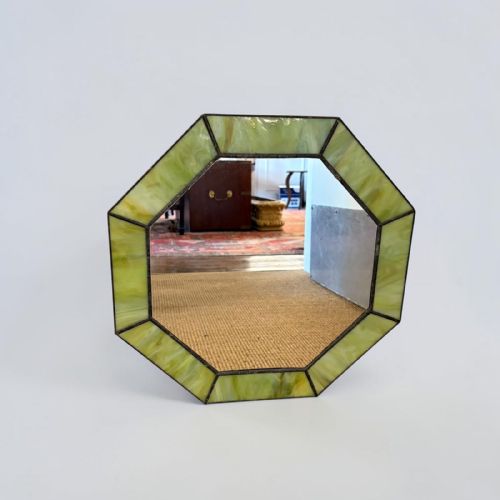
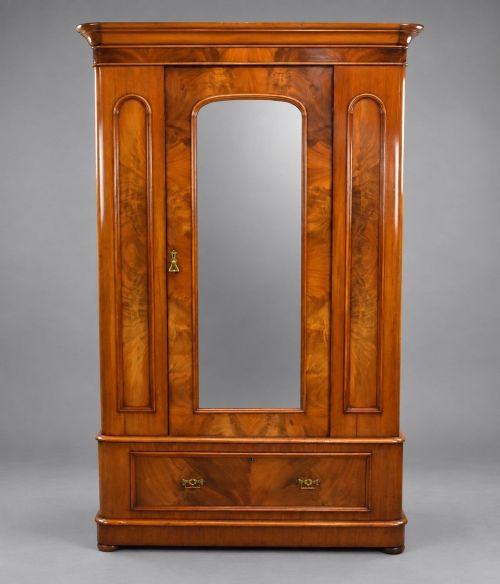
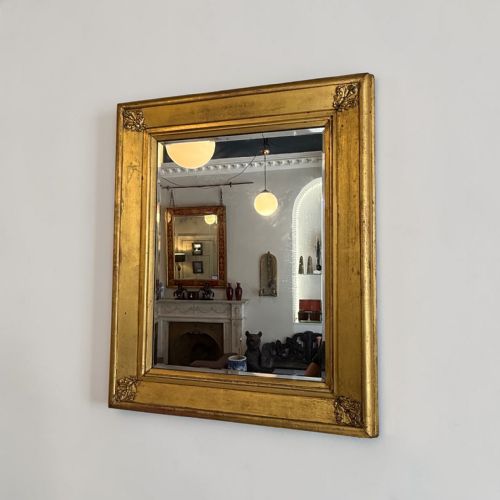
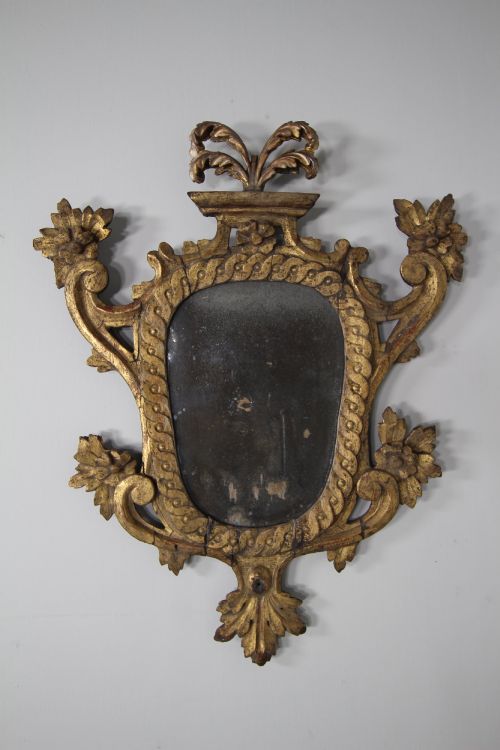
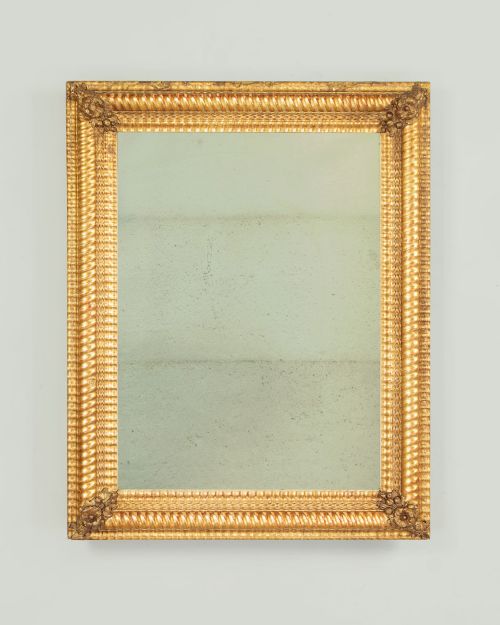
When searching for an antique hanging glass mirror, collectors encounter wall-hung pieces spanning several centuries from the Georgian era through to the early decades of the twentieth century. The selection ranges from restrained walnut and mahogany frames to heavily ornamented giltwood and gesso pieces designed for prominent display in principal rooms.
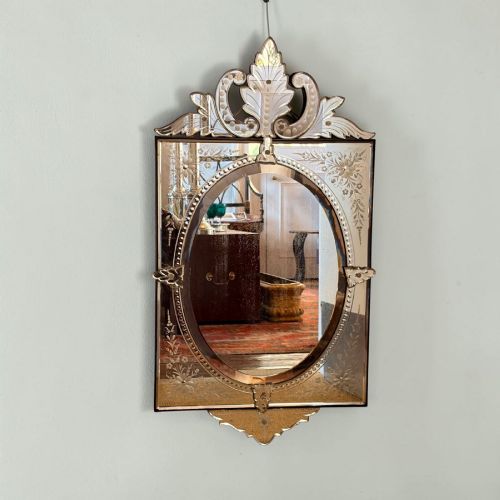
Victorian and Edwardian examples appear frequently alongside earlier Georgian and eighteenth-century forms, often exhibiting revival styles such as French Rococo, Chippendale, and Chinoiserie. Wall mirrors dominate the selection, accompanied by specialised pier mirrors and smaller decorative hanging pieces originating from British, French, Italian, and Chinese workshops.
Materials and construction
Frames rely primarily on traditional timbers including mahogany, walnut, oak, and rosewood, frequently enriched with applied gesso and heavy gilding. Joinery techniques vary from simple fretwork to intricate hand-carved floral and mythological motifs executed in wood or cast composition.
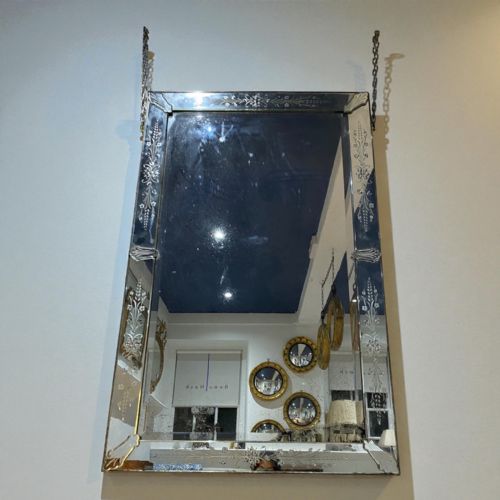
Reflecting surfaces comprise traditional mirror glass plates, occasionally retaining original mercury backing or featuring hand-engraved details and bevelled edges that catch the light distinctly.
Materials span traditional hardwoods such as mahogany and walnut alongside ornate giltwood and gesso.
Assessing quality
Quality reveals itself in the crispness of the hand-carving and the depth of the gilding, where superior examples display sharp botanical or architectural details rather than soft, moulded contours. The integrity of the original frame construction and the preservation of early mirror plates significantly elevate a piece.
Subtle variations in timber selection, such as figured walnut or rich mahogany veneers, separate standard decorative items from finer cabinetmaker productions.
Waring and Gillow·Coalbrookdale
The Antique Hanging Glass Mirror Glossary
- Giltwood
- Timber carved and coated with gold leaf or metallic powder. This technique provides a luminous finish that defines many formal period frames.
- Gesso
- A plaster-like mixture applied to wood frames to create a smooth surface for gilding. Artisans carve intricate relief decorations directly into this material.
- Mercury plate
- An early mirror manufacturing method using a tin and mercury amalgam. It produces a characteristic mottled reflection with subtle dark speckling.
- Pier mirror
- A tall mirror specifically designed to hang on the wall space between windows. These pieces often match console tables positioned below them.
- Fretwork
- Thin wood panels cut with intricate decorative patterns using a fretsaw. Eighteenth-century mirrors frequently utilise this technique in scrolling outlines.
Antique Hanging Glass Mirror: Frequently Asked Questions
How do I date an antique mirror?
Dating relies on examining the construction methods of the wooden frame, the backing boards, and the type of glass plate used. Tool marks, screw types, and framing styles align with specific stylistic periods from the Georgian era onward.
Changes in glass-making techniques also help determine age, particularly the presence of hand-bevelling or early mercury silvering which differs from modern float glass.
Are original mirror plates better?
Original plates hold greater historical value and provide the authentic distorted reflections characteristic of antique glass. Foxing and light oxidation are accepted signs of age that collectors value.
Replacement glass is sometimes fitted when the original plate has deteriorated beyond legibility, though surviving early plates remain desirable.
How do I hang a heavy wall mirror?
Heavy antique frames require secure wall fixings distributed across appropriate structural points rather than relying on standard picture wire alone. Weight capacity should match the specific timber and gesso construction of the piece.
Professional mirror hangers often utilise custom metal brackets attached to the internal frame to ensure the weight rests safely against the wall.
What is parcel gilt?
Parcel gilt describes an object where only specific carved portions of the wooden frame are highlighted with gold leaf. The remaining areas display the natural grain of timbers like walnut or mahogany.
This technique creates a subtle contrast between the warm polished wood and the bright gilded highlights.