



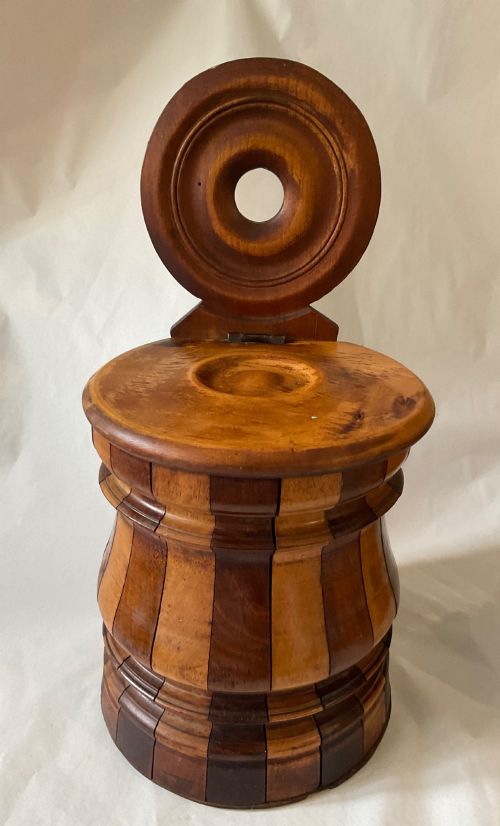
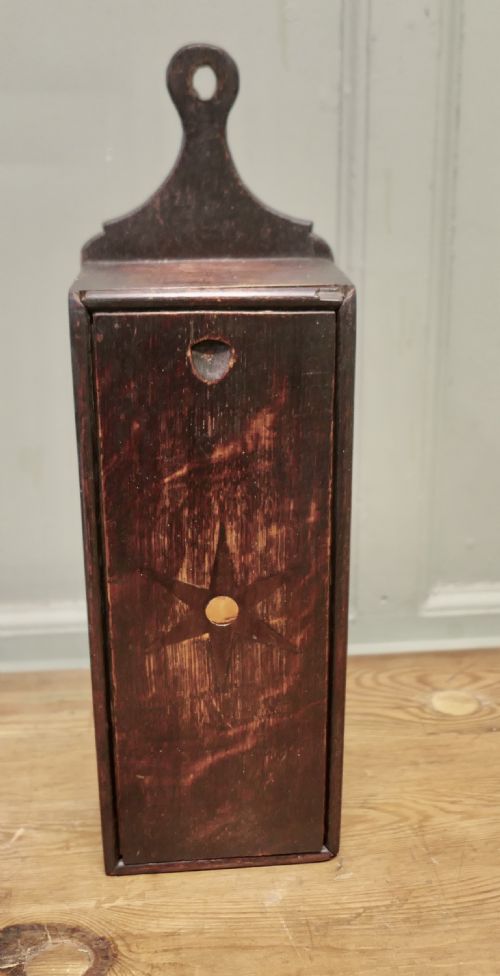
Antique Hanging Box
An antique hanging box is a practical wall storage piece in wood or metal that keeps small household items close at hand.
Antique Hanging Box
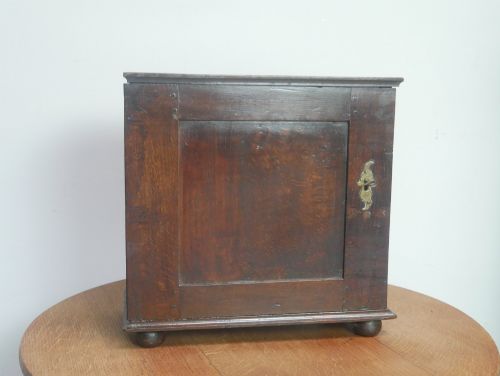
When you search for an antique hanging box, you encounter a varied group of utilitarian containers designed to mount directly onto walls in kitchens, hallways and living spaces. These range from simple candle boxes and salt boxes to small spice cupboards and wall cabinets.
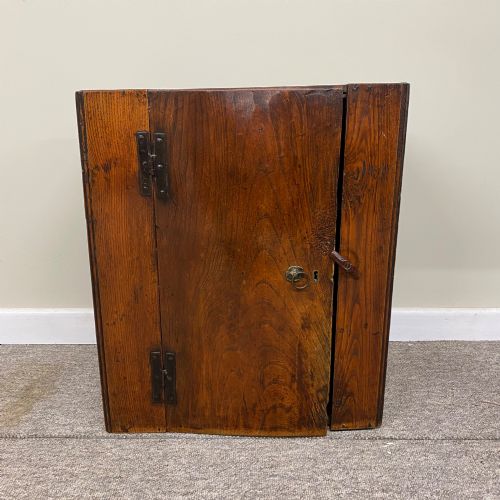
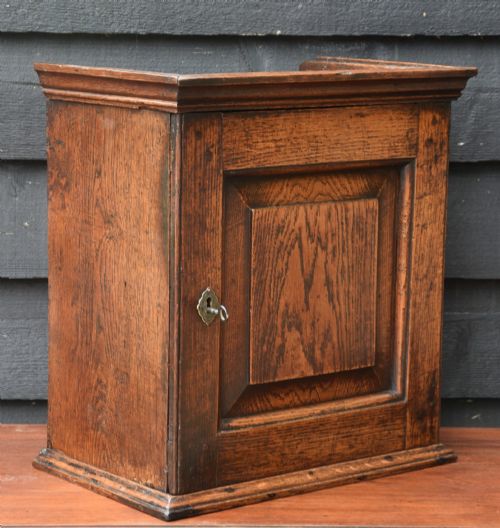
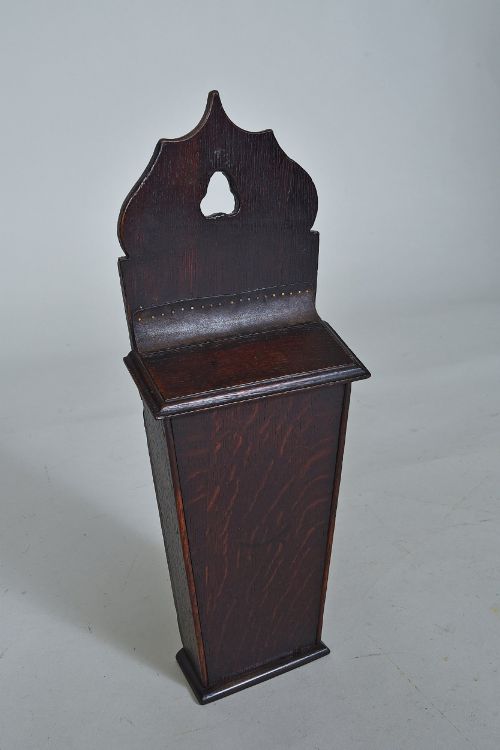
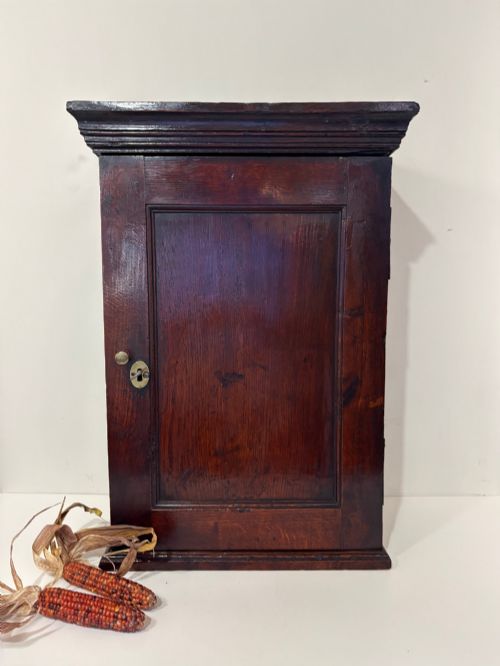
The version you are most likely to meet on this page is an 18th century or 19th century oak candle box or spice cupboard, often showing vernacular craftsmanship from British or French origins. These pieces served functional domestic roles before finding favour as decorative wall storage.
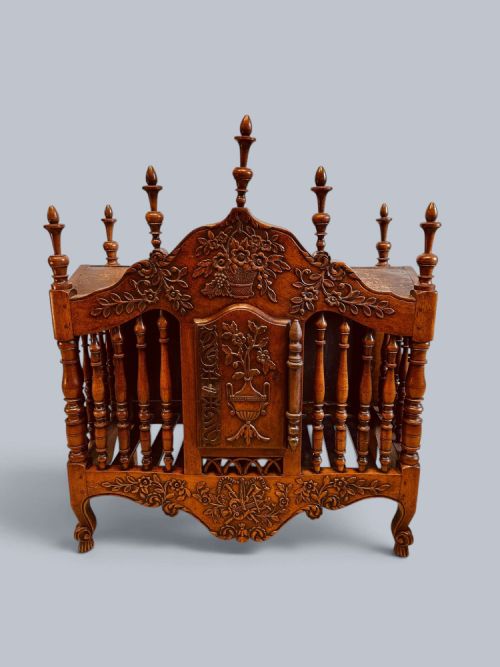
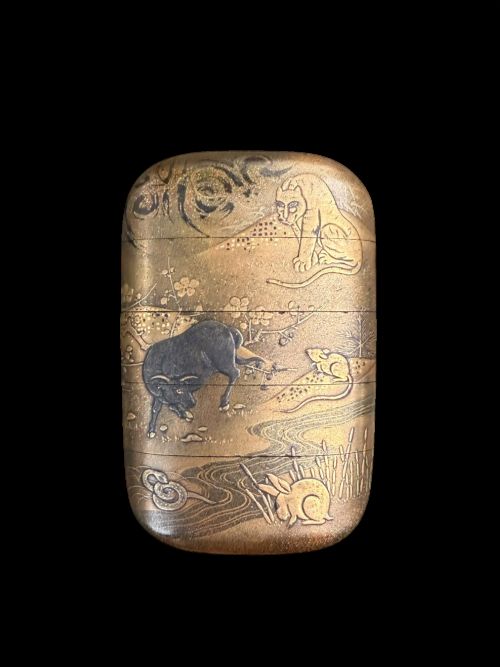
Alongside plain timber utility boxes, the selection includes specialised forms such as Japanese inro, French panetieres and brass lanterns. Each object reflects the specific regional storage needs of its period, from kitchen salt to personal seals.
How they were made
Carpenters and joiners built these wall receptacles primarily from solid timbers like oak, mahogany, pine and fruitwood, utilising traditional joints to handle daily domestic use. Iron hardware, brass hinges and copper fastenings provide structural support and secure doors or lids.
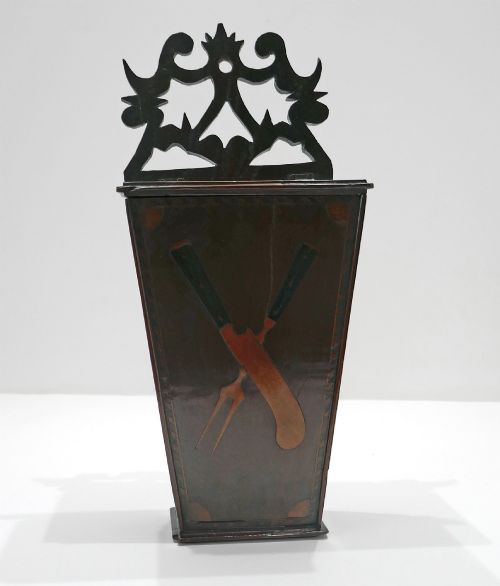
Surface treatments vary from plain waxed grain to red paint traces, gilt lacquer and carved relief panels. Makers shaped wood with hand tools, adding carved mouldings, inlaid boxwood and ebony patterns, or leather cladding depending on the intended room and status.
Antique Hanging Box Retail Price Guide 2026
Typical asking prices for hanging box among the pieces listed under this phrase on Sellingantiques today, from the lower quarter to the upper quarter. They describe what is for sale here now, not the wider market.
A tiny eighteenth century spice cupboard managed to keep household pepper secure while kitchen staff argued over the broth.
What varies in quality
The distinction between standard utility items and finer examples rests on the selection of timber, the crispness of hand carving and the integrity of original hardware. Well-preserved surfaces with intact original paint, patinated brass hinges or delicate inlaid patterns elevate a piece above basic workshop production.
Proportion and construction depth separate utilitarian boxes from refined wall cabinets. Dovetailed joints, panelled doors and balanced proportions indicate deliberate design, whereas basic nailed pine construction points to purely functional workshop origins.
The Antique Hanging Box Glossary
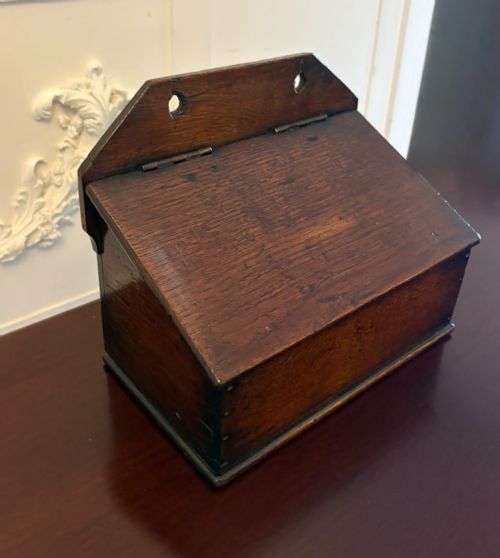
- Salt box
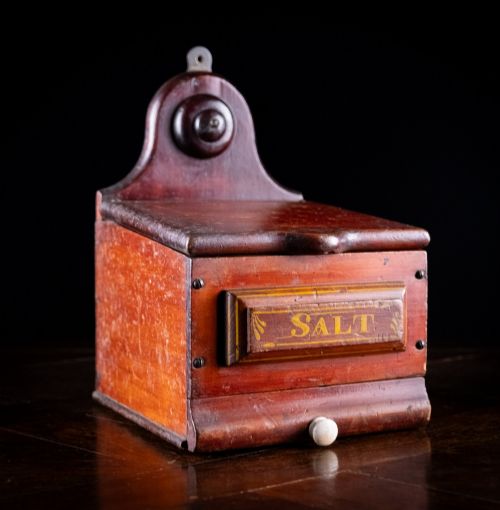
- A wall-mounted container with a hinged lid used to keep kitchen salt dry and accessible. These typically feature a high backboard with a drilled hole for hanging.
- Spice cupboard
- A small wall cabinet fitted with a single door, enclosing small interior drawers or shelves for expensive culinary spices. They date frequently to the eighteenth century in oak.
- Panetiere
- A traditional French food cage or bread cupboard featuring turned spindle balusters for ventilation. These ventilated wall units protected loaves from household pests.
- Inro
- A traditional Japanese multi-tiered case suspended from a sash, constructed from materials like carved lacquer. They held small personal items such as seals and medicines.
- Tapered rectangular
- A box shape where the sides angle inward toward the base or top. This specific profile appears frequently on eighteenth century candle boxes.
Antique Hanging Box: Frequently Asked Questions
What were hanging boxes used for?
These wall containers held household essentials that needed to stay dry, secure and within easy reach of domestic workers. Kitchens utilised them for salt, spices and cutlery, while hallways stored candles, keys and tinder.
Their elevated position kept contents away from damp floors and busy work surfaces in homes lacking built-in cupboards.
How do I hang an antique box safely?
Most antique wall boxes feature original hanging slots or drilled holes integrated into their wooden backboards. Use appropriate wall fixings that match the weight of the timber and the nature of your wall.
Distribute the weight evenly if you store heavier items inside small cupboards to prevent strain on historical joints and hinges.
How do I tell an 18th century box from a Victorian one?
Eighteenth century examples rely heavily on solid oak or fruitwood construction with pegged joints, hand-cut dovetails and forged iron hardware. Their forms lean toward utilitarian simplicity like tapered candle boxes and plain spice cupboards.
Victorian pieces often introduce varied woods like pine and mahogany, alongside machine-cut elements, brass fittings, decorative carving styles and arts and crafts influences.
Are painted finishes original?
Many utilitarian boxes received coats of red paint or decorative washes to protect the timber or match contemporary interior schemes. Surviving traces of early red paint often indicate period domestic use.
Examine the surface wear and underlying wood grain to understand how the finish aged alongside the primary timber over the centuries.