

Antique Handled Platter
An antique handled platter serves drinks and food with practical weight, bringing polished silver plate and warm mahogany into daily use.
Antique Handled Platter
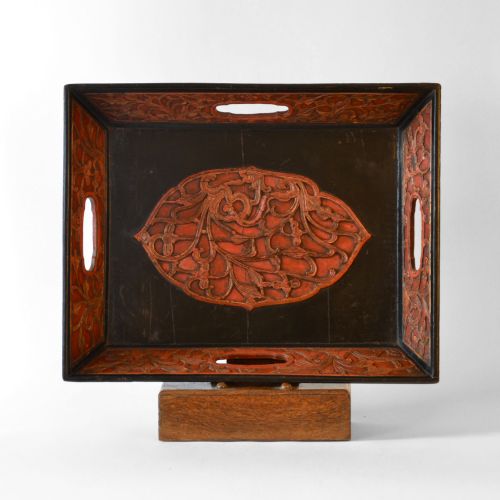
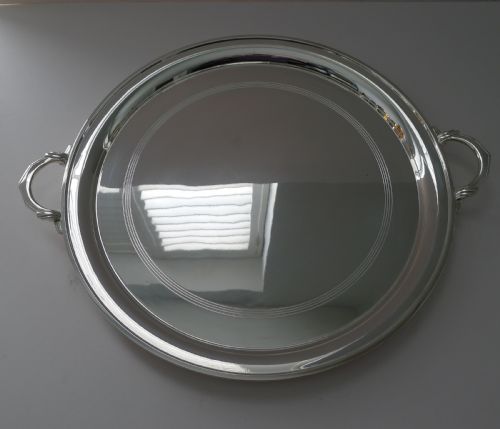
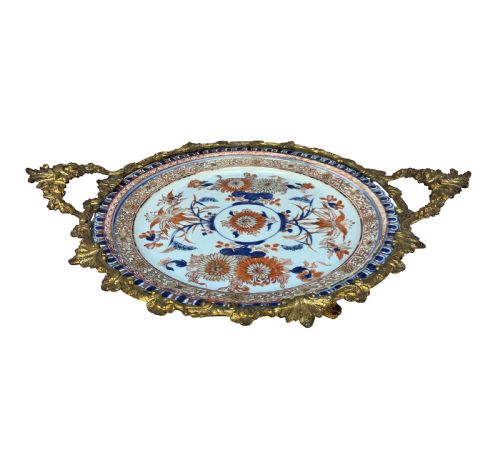
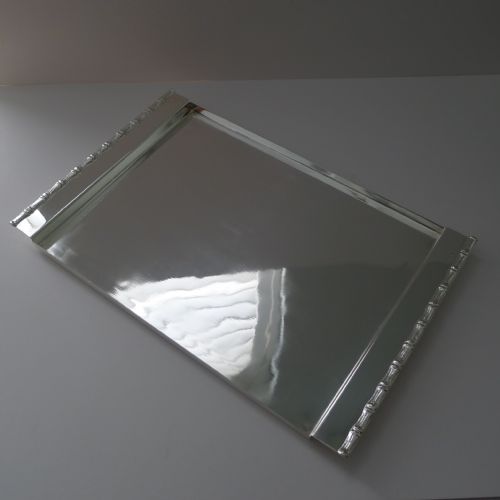
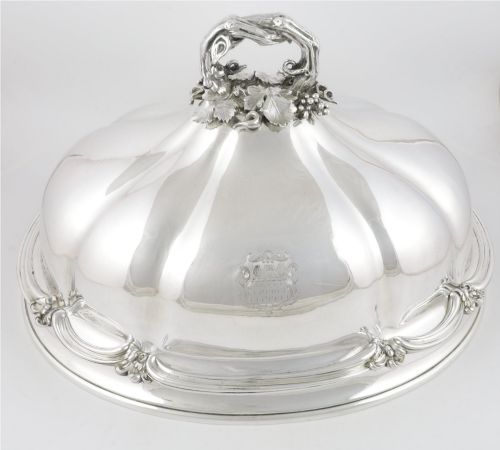
When buyers search for an antique handled platter, they encounter serving trays, gallery trays, and meat domes dating from the Georgian period through the 1930s. These pieces include silver-plated metalwork, inlaid mahogany timber, and porcelain plates fitted with ormolu mounts.
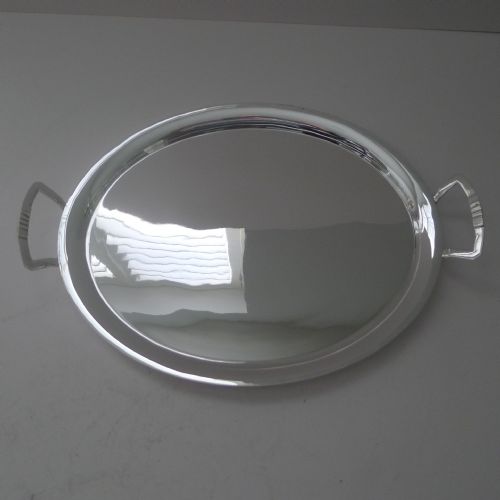
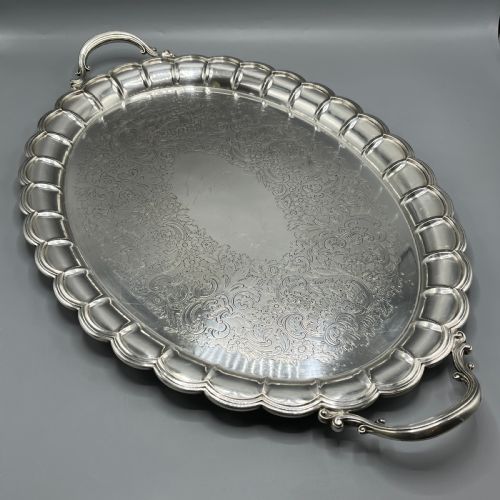
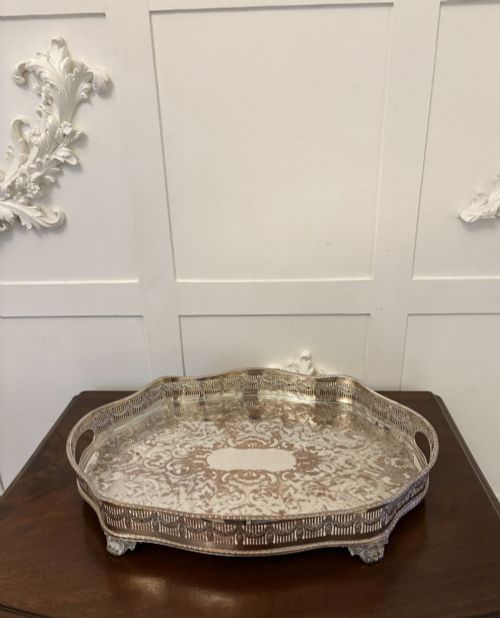
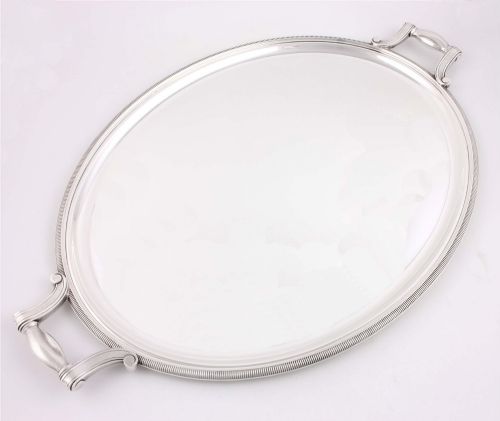
The version most commonly met on this page is the Edwardian or Victorian silver-plated serving tray, often featuring engraved surfaces, cast handles, and pierced or scalloped borders. Such platters function equally well for afternoon tea service or as cocktail trays.
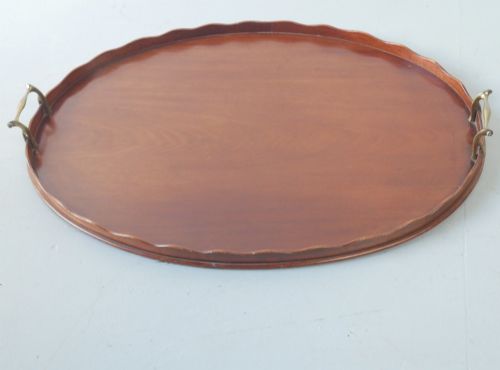
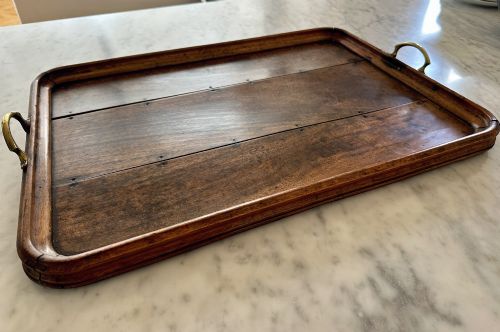
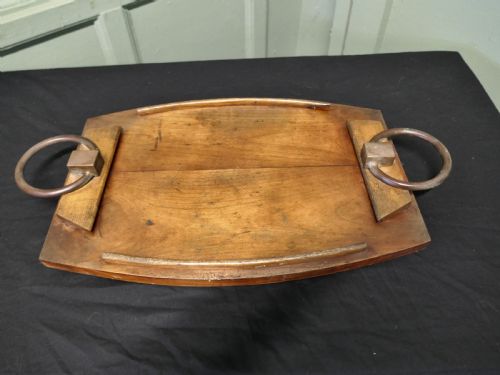
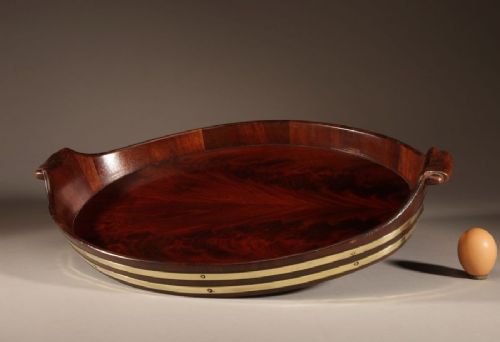
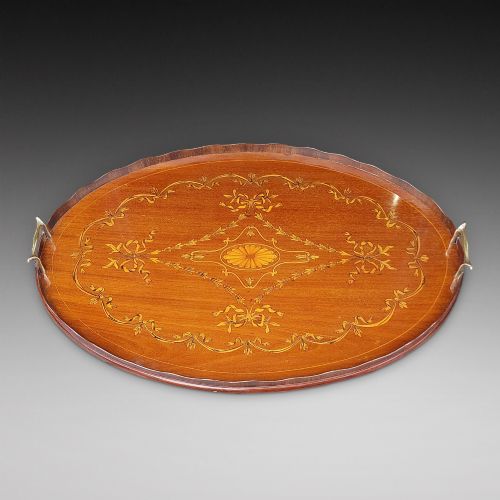
Wooden examples constructed from mahogany, satinwood, or golden elm appear frequently, occasionally utilising brass coopered bands or marquetry inlay. These timber platters provide a sturdier, tactile alternative to reflective silver plate.
How they were made
Makers shaped silver-plated items using Sheffield plating techniques or electroplated nickel silver onto base metals, adding hand-engraved scrolls and cast mounts. Artisans soldered handles directly to the main body, ensuring structural integrity for heavy service.
Timber platters rely on seasoned mahogany and satinwood, frequently enhanced by contrasting stringing, marquetry inlay, or coopered construction with brass bands. Craftsmen finished these wooden surfaces with polishes that highlighted the natural grain.
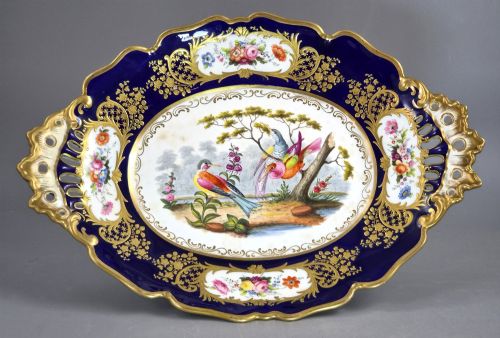
Ceramic platters incorporate porcelain and ironstone bodies, sometimes decorated with cobalt blue or floral transfers from factories like Coalport and Chamberlain’s Worcester. Metal mounts were then fitted directly to secure the ceramic forms.
Antique Handled Platter Retail Price Guide 2026
Typical asking prices for handled platter among the pieces listed under this phrase on Sellingantiques today, from the lower quarter to the upper quarter. They describe what is for sale here now, not the wider market.
Some Edwardian cartographer's trays repurposed actual European maps beneath glass, letting you serve cocktails over an old continent.
What varies in quality
The weight of the metal and the crispness of the engraved decoration determine the standard of silver-plated platters. Thicker plating resists wear over decades of use, while deeply hand-chased borders demonstrate superior craftsmanship compared to shallow machine pressing.
In wooden trays, the choice of timber and the precision of the marquetry inlay set the better pieces apart from standard workshop output. Tight joinery and well-fitted brass handles indicate skilled cabinet work.
Design attribution to known makers or notable retailers adds distinction to individual pieces. Platters bearing clear hallmarks or maker stamps reflect documented standards of production.
Mappin & Webb·James Deakin·Roberts Cadman·Thomas Bradbury & Sons·Harrison Bros·Christofle·Liberty & Co
The Antique Handled Platter Glossary
- Sheffield Plate
- A composite material made by fusing a thin sheet of silver to a thicker copper base. This technique predates modern electroplating.
- Gallery Tray
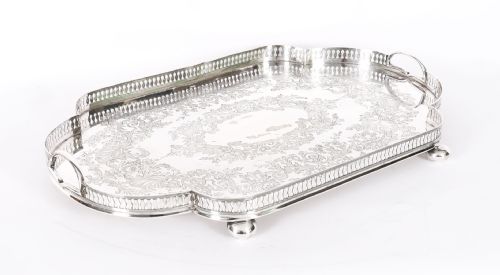
- A serving tray featuring an elevated pierced or solid metal gallery border around the perimeter. This rim prevents glassware from sliding off during service.
- Meat Dome
- A large domed cover, often paired with a warming tray or platter, designed to keep joints of meat hot at the dining table.
- Coopered
- Constructed from curved wooden staves bound together with metal bands, similar to barrel-making techniques.
- Marquetry
- Decorative veneer work arranged in geometric or pictorial patterns across a wooden surface.
Antique Handled Platter: Frequently Asked Questions
How do I clean silver-plated platters?
Use a soft cloth and a gentle, non-abrasive silver polish designed specifically for plated items. Avoid harsh scrubbing that can wear through the thin silver layer.
Wash the platter in warm, soapy water afterwards and dry it thoroughly with a lint-free towel to prevent water spots.
Can I use these trays for serving food?
Silver-plated and porcelain platters serve food and drinks safely provided the surface plating remains intact without exposing the base metal underneath.
Wooden trays work well for dry goods, bottles, and glassware rather than uncovered food items.
What is the difference between Old Sheffield Plate and silver plate?
Old Sheffield Plate uses a mechanical fusion process where silver is layered directly onto copper before rolling. This creates a distinct material structure visible along cut edges.
Standard silver plate involves electrochemically depositing a coating of silver onto a nickel silver or base metal core.
How do I date an antique tray?
Examine the style of decoration, such as Art Deco geometric lines or Victorian floral engraving, alongside any maker's marks or stamps on the underside. Material choices like mahogany or early silver plate also point to specific eras.
Compare the construction methods and fastener types with known production periods to narrow down the decade.