



Antique Hand Painted Creamer
An antique hand painted creamer brings eighteenth- and nineteenth-century ceramic artistry directly to the morning table.
Antique Hand Painted Creamer
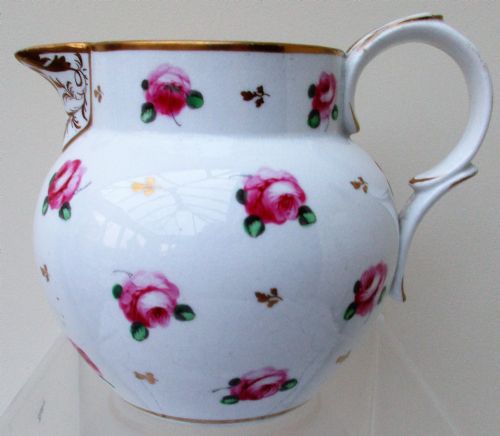
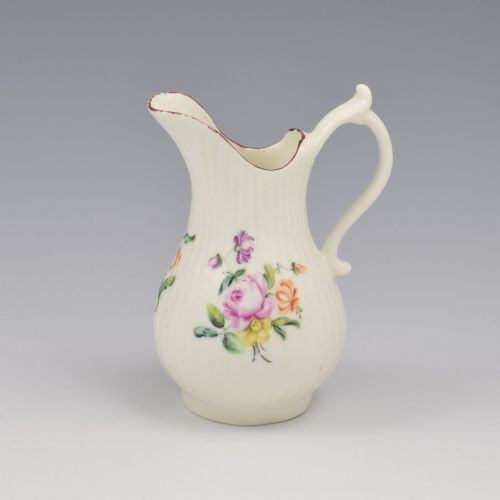
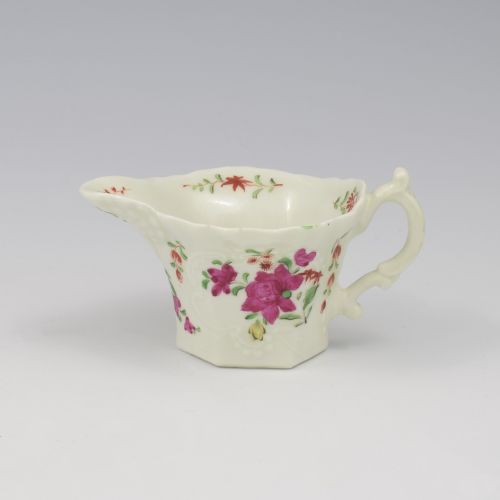
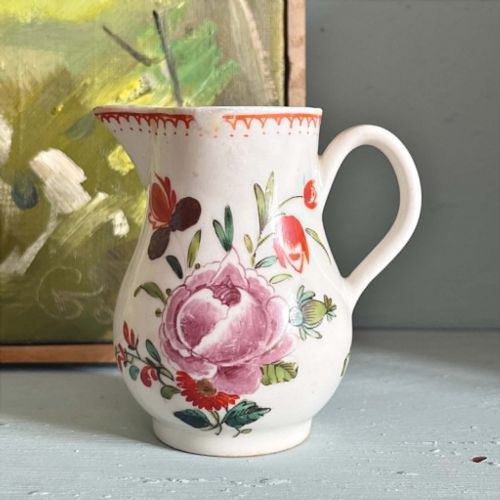
When you search for an antique hand painted creamer, you encounter small pouring vessels designed for dairy alongside related forms like sauce boats and miniature ewers. The selection spans the eighteenth and nineteenth centuries, taking in Georgian, Regency, and Victorian periods.
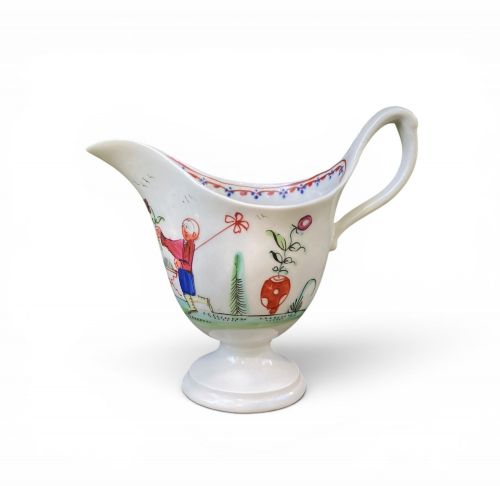
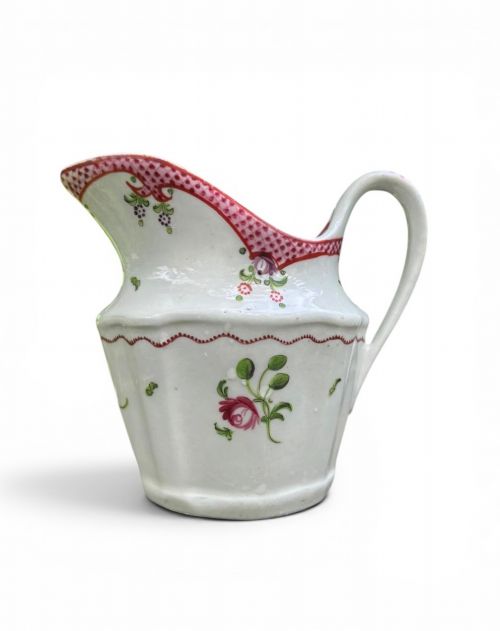
Porcelain dominates the examples you meet, including soft-paste bodies and early English factory pieces, supplemented by earthenware and tin-glazed delftware. Forms range from sparrowbeak jugs and fluted balusters to clip-handled shapes and rope-edge pitchers.
Decoration on these pieces relies heavily on polychrome florals, armorial crests, Kakiemon patterns, and hand-applied birds or insects. Many pieces originate from historic English potteries alongside continental European factories and Chinese export kilns.
Materials and painting techniques
Potters shaped these vessels using porcelain, soft-paste porcelain, and earthenware bodies, sometimes applying tin-glazes or copper lustre finishes. The physical weight and translucency of the ceramic body vary according to the period and factory recipe.
Artists painted the surface motifs by hand, utilising enamel colours, underglaze blue, and gold leaf highlights or gilding. Delicate brushwork brought floral sprays, armorial crests, and pictorial panels to life before final kiln firing.
Antique Hand Painted Creamer Retail Price Guide 2026
Typical asking prices for hand painted creamer among the pieces listed under this phrase on Sellingantiques today, from the lower quarter to the upper quarter. They describe what is for sale here now, not the wider market.
Listings feature pieces spanning the eighteenth, nineteenth, and twentieth centuries, utilising porcelain, earthenware, and copper lustre materials.
Judging the standard of decoration and ceramic body
Quality in these creamers rests upon the crispness of the moulded form and the refinement of the hand-painted brushwork. Finer pieces display sophisticated polychrome detail, precise armorial work, or skilled enamel application rather than hurried decoration.
The choice of ceramic body also distinguishes the range, with early soft-paste porcelain and specialised factory bodies holding greater appeal than standard utilitarian earthenware. Well-preserved gilding and clear, vibrant enamel colours elevate the status of the piece.
Derby Porcelain·Bow porcelain·Worcester Porcelain·New Hall porcelain·Meissen·H & R Daniel·Royal Worcester·Chamberlain Worcester·John Rose Coalport·Minton·Rockingham Porcelain·Herculaneum·Staffordshire
The Antique Hand Painted Creamer Glossary
- Sparrowbeak
- A small eighteenth-century porcelain jug featuring a distinct, pinched spout resembling a bird's beak. This form is frequently found on early English factory pieces.
- Soft-Paste Porcelain
- An artificial porcelain mixture fired at lower temperatures than hard paste, common in eighteenth-century English factories. It yields a warm, slightly creamy body texture.
- Copper Lustre
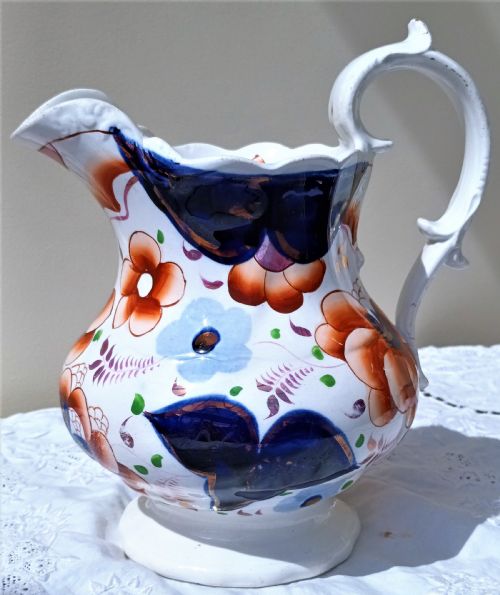
- An earthenware pottery finish incorporating a metallic copper glaze that creates a reflective, shiny surface. It is typical of nineteenth-century Staffordshire production.
- Armorial
- Decoration featuring a family coat of arms or crest hand-painted onto the ceramic body. These bespoke commissions were popular on eighteenth-century export and domestic porcelain.
- Kakiemon
- A style of Japanese-inspired enamelling characterised by asymmetrical floral, bird, and tiger motifs on a clean white background. European factories frequently copied these palettes during the Georgian era.
Antique Hand Painted Creamer: Frequently Asked Questions
What is a sparrowbeak creamer?
A sparrowbeak creamer is an eighteenth-century small porcelain jug characterised by a narrow, pinched spout that resembles a bird's beak. These early pieces were made for serving cream at tea.
They often feature delicate hand-painted polychrome floral decoration and represent some of the earliest porcelain forms collected today.
How do I care for antique porcelain creamers?
Antique porcelain creamers require gentle hand washing in warm water with mild soap rather than placement in a dishwasher. Avoid harsh scrubbing brushes that might scratch delicate enamels.
Store them securely away from heavy foot traffic or vibration where handles and spouts could suffer accidental impacts.
What is copper lustre pottery?
Copper lustre pottery is a type of nineteenth-century earthenware finished with a metallic glaze that produces a reflective, coppery sheen. Staffordshire makers produced these jugs in various sizes.
The metallic surface catches the light and gives the vessels their distinctive warm appearance.
How can I tell Georgian creamers from Victorian ones?
Georgian creamers, dating from the eighteenth and early nineteenth centuries, often exhibit delicate soft-paste porcelain bodies, sparrowbeak shapes, or armorial crests. Their hand-painted motifs reflect Rococo or early neoclassical tastes.
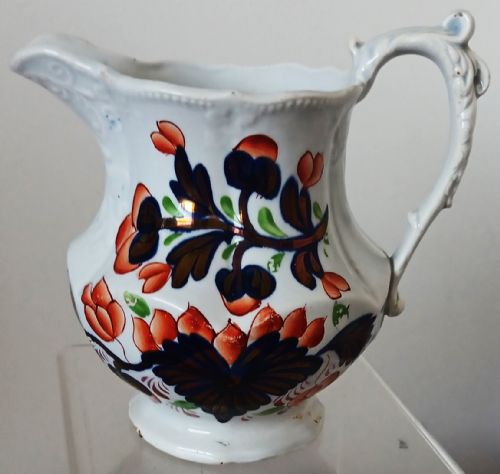
Victorian pieces, emerging later in the nineteenth century, frequently include sturdier pottery bodies, Gaudy Welsh patterns, or copper lustre finishes with bolder floral designs.