
Antique Hallway Tree
An antique hallway tree organises coats, hats and umbrellas while setting a welcoming tone in an entrance hall.
Antique Hallway Tree
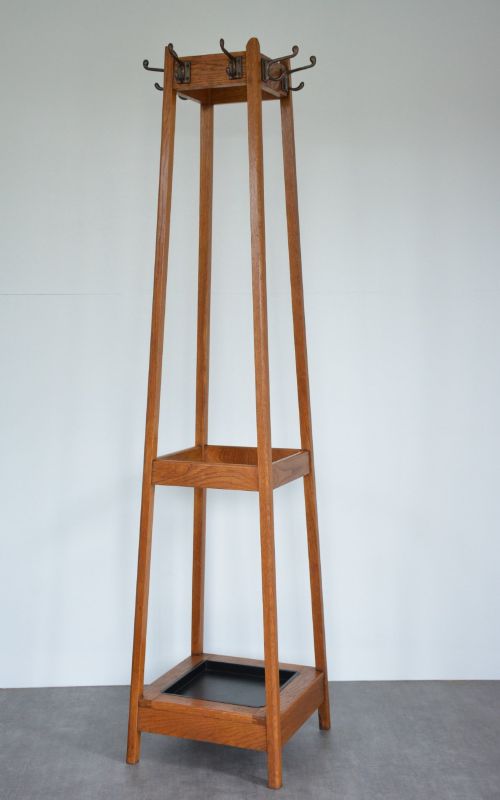
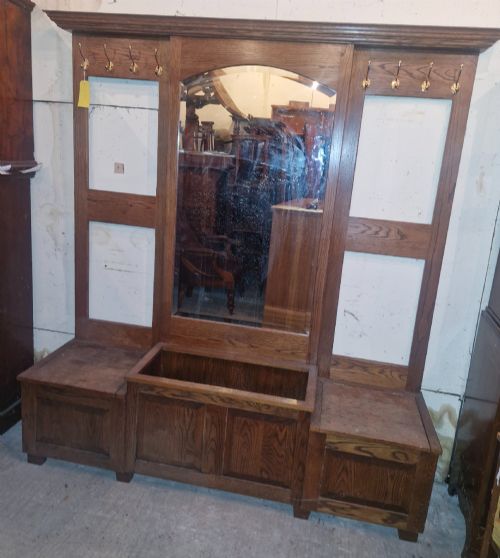
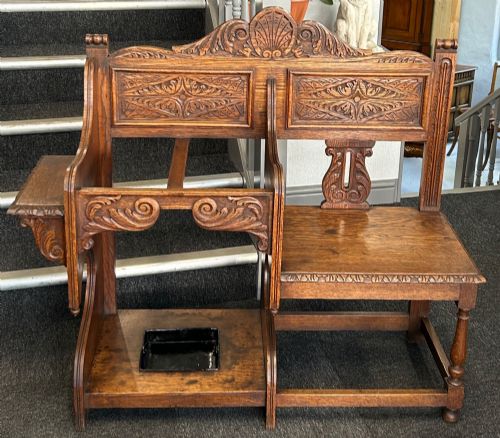
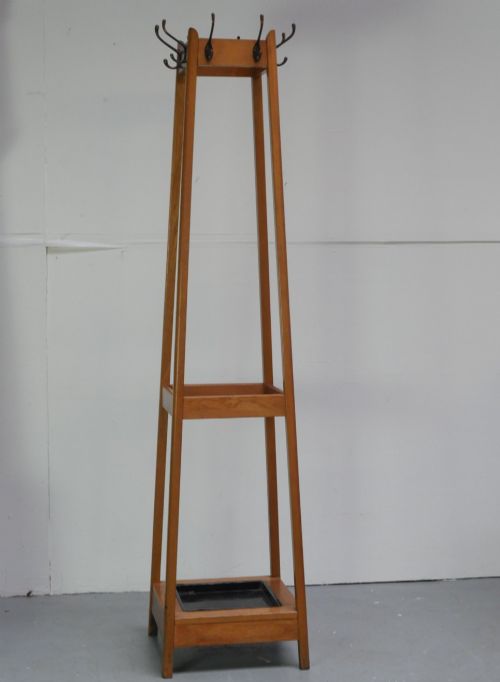
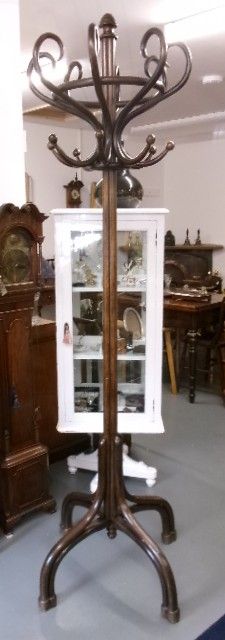
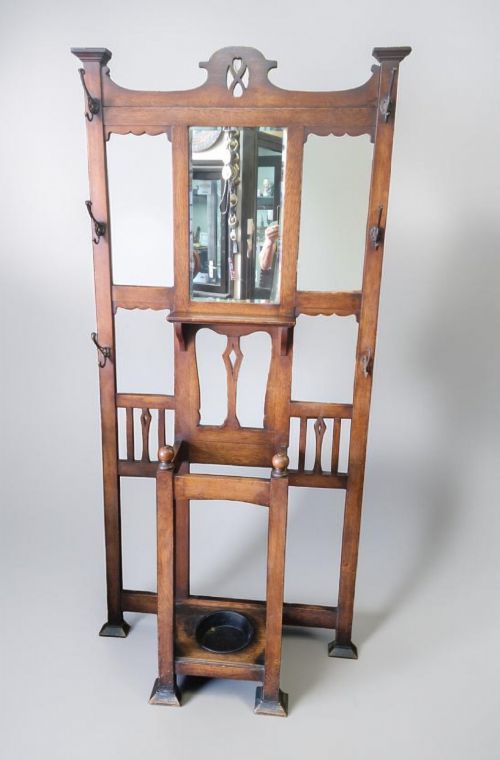
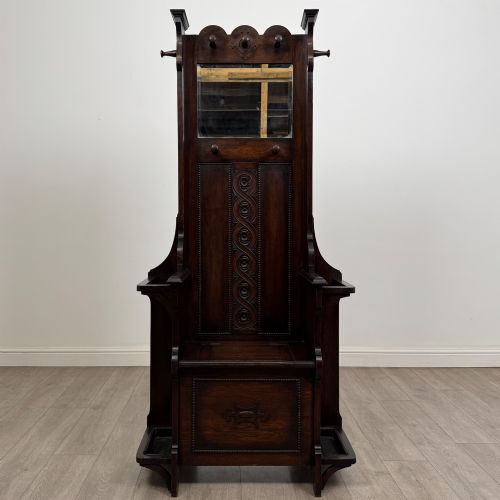
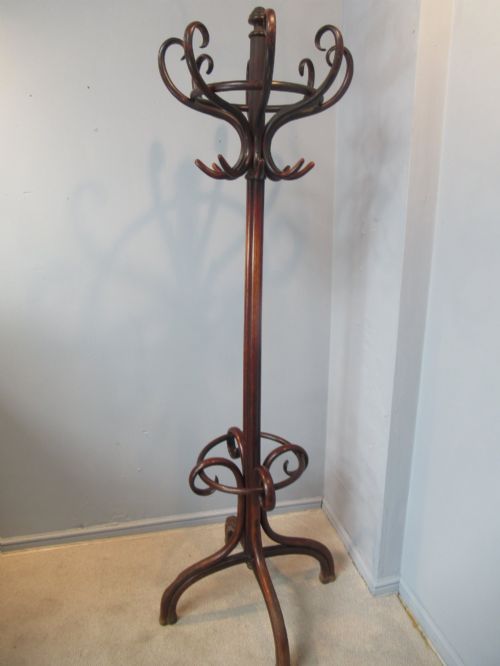
An antique hallway tree serves as a practical furniture piece designed for entrance spaces to hold outerwear and accessories. The selection spans from the 19th Century through the Edwardian period and into the 1930s, reflecting changing domestic habits over several decades. Common forms include hall stands, coat stands, hat and stick stands, and hall seats that combine seating with hanging space.
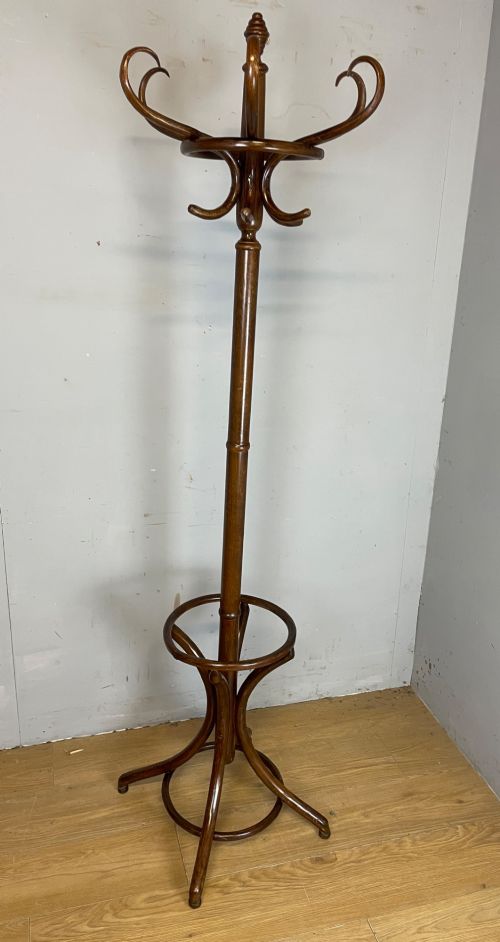
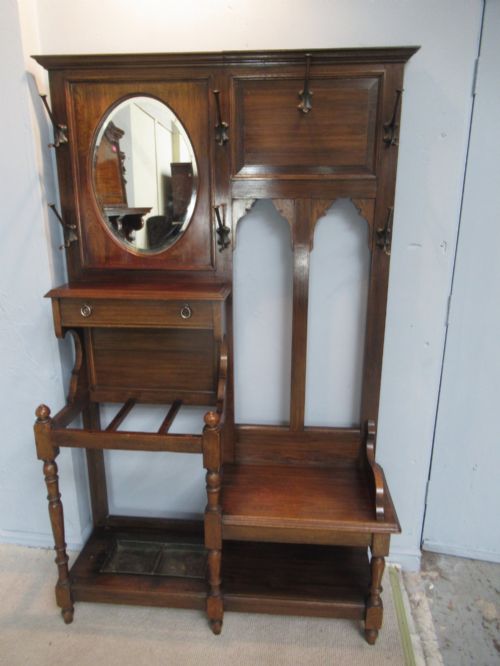
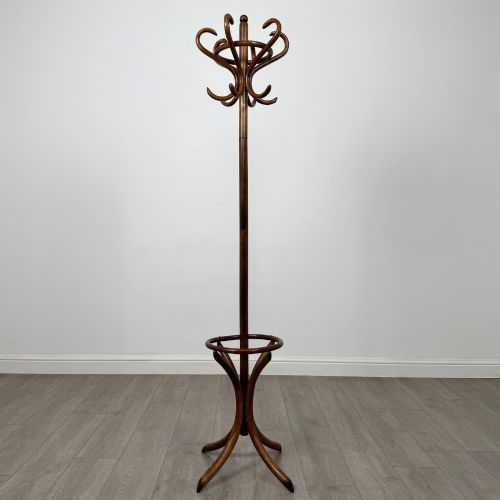
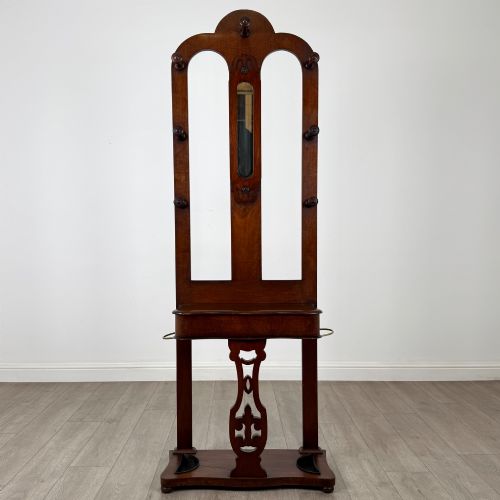
Pieces frequently incorporate umbrella holders, drip trays, and mirrors alongside brass or metal hooks. Buyers encounter substantial carved oak and mahogany designs from the Victorian era as well as lighter bentwood styles in beech. These functional items range from compact wall-facing stands to multi-functional seats with integrated storage.
Materials and construction methods
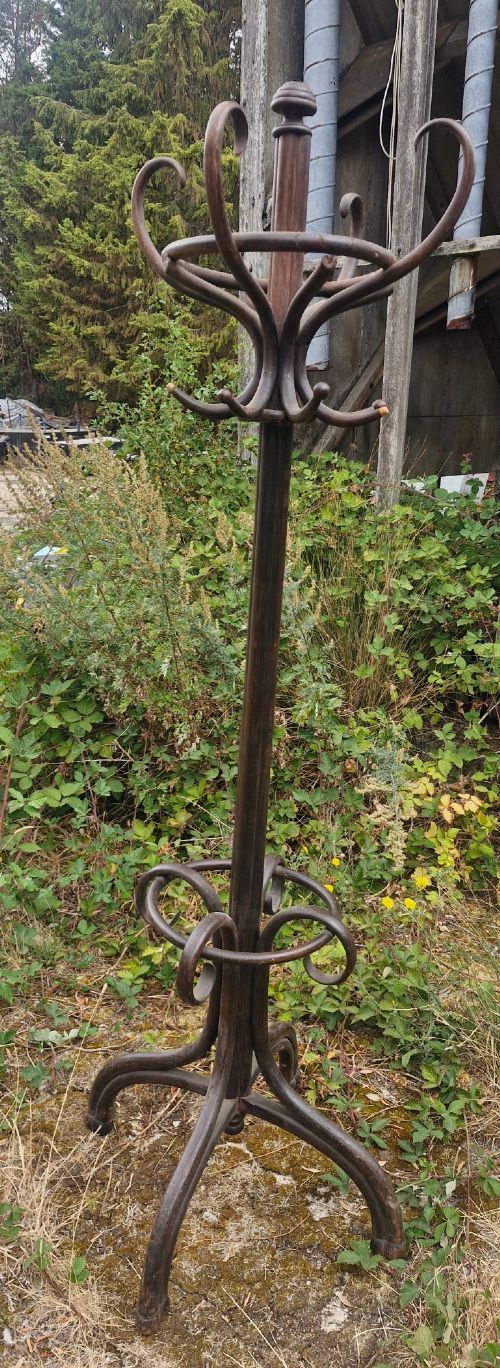
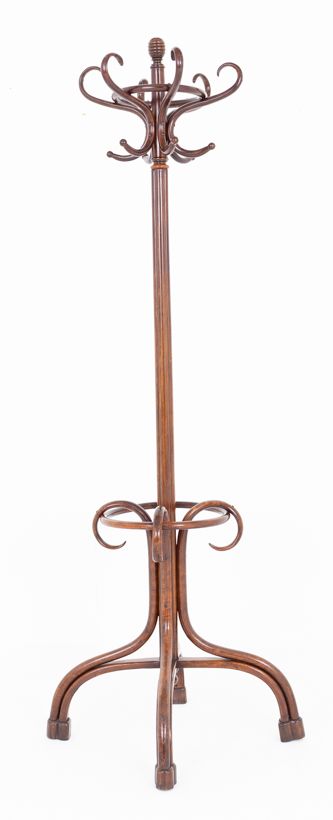
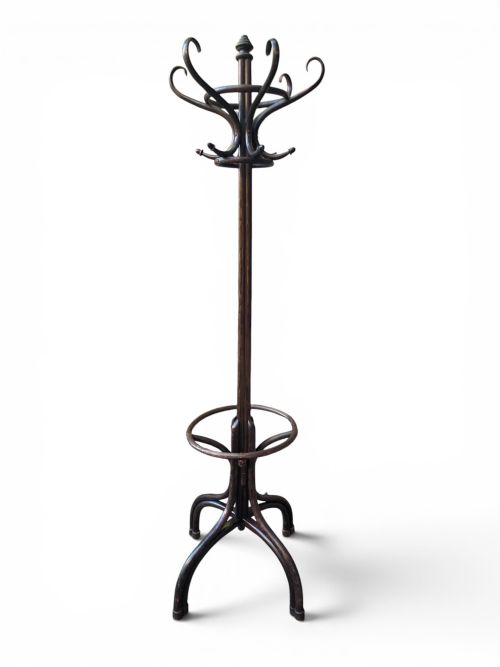
Construction relies heavily on timbers such as oak, mahogany, walnut, and beech, often shaped through solid carving or steam bending. Bentwood pieces utilise heated beech forced into graceful curves, frequently associated with Thonet style production. Carpenters combined these woods with brass hardware, cast iron drip trays, and bevelled glass mirrors.
Surface treatment involves traditional polishing and carving techniques, seen in decorative details like Greenman motifs or floral Art Nouveau carvings. Bamboo and even cow horn appear in specific 19th century examples, demonstrating material diversity within hallway furniture.
Distinctions in construction and design
Quality separates robust solid wood and steam-bent structures from lesser assembled items through the integrity of the joinery and framing. Superior examples display crisp, hand-carved ornamentation, original bevelled glass mirrors, and intact metal drip trays without replacement hardware.
The sophistication of the style dictates distinction, moving from utilitarian coat racks to elaborate Arts and Crafts, Aesthetic Movement, or Art Nouveau statements. Maker attribution and the complexity of multi-functional forms, such as integrated seating with storage boxes, elevate specific items above standard hallway furniture.
Thonet·Jas. Shoolbred
The Antique Hallway Tree Glossary
- Hall Stand
- A substantial piece of furniture designed for an entrance hall, typically incorporating coat hooks, a mirror, and umbrella storage. Many versions also include a hinged seat or a small shelf for gloves and keys.
- Bentwood
- Wood that has been rendered pliable by steam and bent into curved shapes, commonly utilised in lightweight coat stands and hatstands. This technique was popularised by makers like Thonet during the 19th and early 20th centuries.
- Hall Tree
- An alternative term for a coat and hat stand used in an entrance hall. These freestanding pieces offer vertical hanging capacity for multiple garments.
- Demi Lune
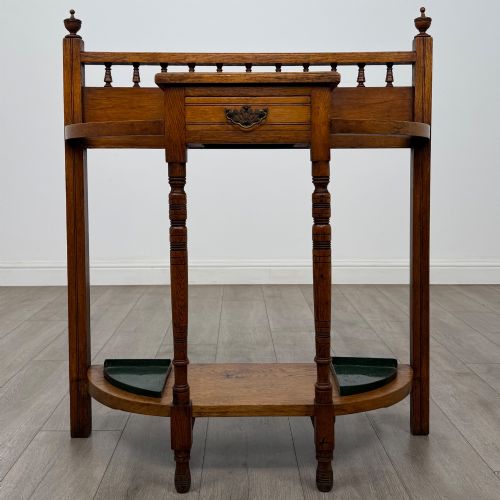
- A half-moon or semicircular shape often applied to hall stands designed to sit flush against an entryway wall. This profile saves floor space in narrower corridors.
- Drip Tray
- A metal or ceramic pan positioned at the base of a stand to catch water from wet umbrellas and walking sticks. These trays protect wooden flooring and the lower frame from moisture damage.
Antique Hallway Tree: Frequently Asked Questions
What is an antique hallway tree?
An antique hallway tree is a freestanding piece of entrance furniture designed to hold hats, coats, and walking sticks. These items combine hooks, shelves, and sometimes mirrors to organise everyday outdoor garments.
Many examples also incorporate umbrella holders and integrated seats for putting on shoes. They serve as both decorative and practical focal points in domestic hallways.
How do I date a hallway tree?
Dating relies on identifying the prevailing stylistic movements, such as Victorian, Edwardian, Arts and Crafts, or Art Nouveau, alongside the construction materials used. Heavy carved oak and dark mahogany typically point to the 19th century or Victorian periods.
Lighter bentwood in beech or bamboo frames generally suggests the late 19th or early 20th century. Hardware style and mirror bevelling also offer clues to the decade of manufacture.
Where should I place a hall stand?
A hall stand belongs in an entrance hall, vestibule, or boot room where people remove outdoor wear. Freestanding designs require adequate wall clearance or floor space near the main entryway.
Pieces with built-in mirrors benefit from natural light to brighten dark corridors while remaining functional for last-minute checks.
Did all hallway trees include mirrors?
Not all hallway trees feature mirrors, though vertical mirror plates became very common during the Victorian and Edwardian eras. Simpler coat stands and bentwood hatstands relied entirely on open vertical framing and curved hooks.
When included, mirrors served the practical purpose of checking appearance before leaving the house while visually expanding smaller entrance spaces.