
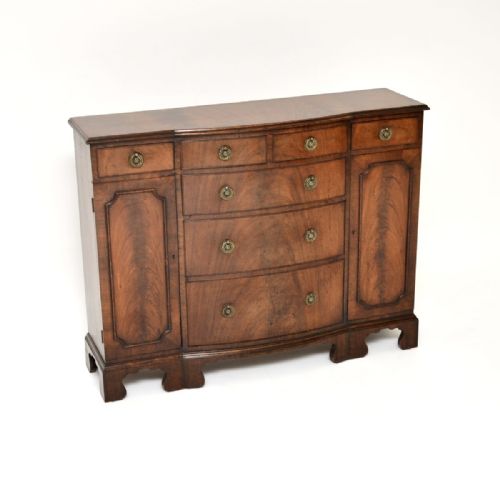
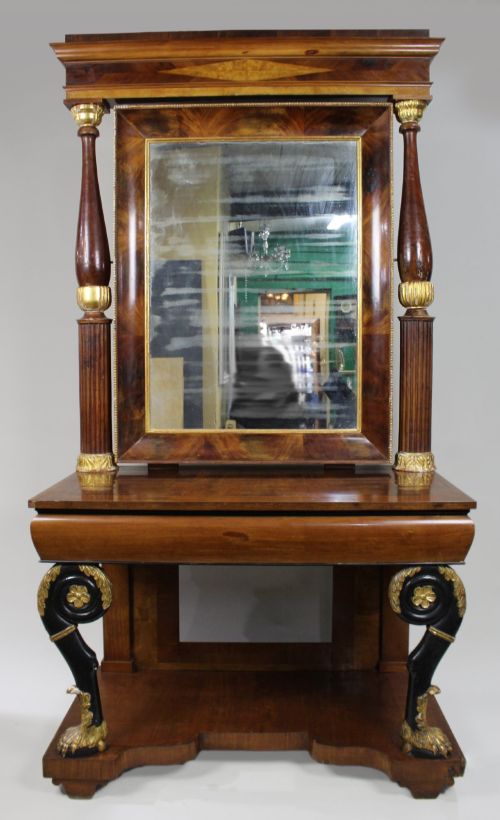
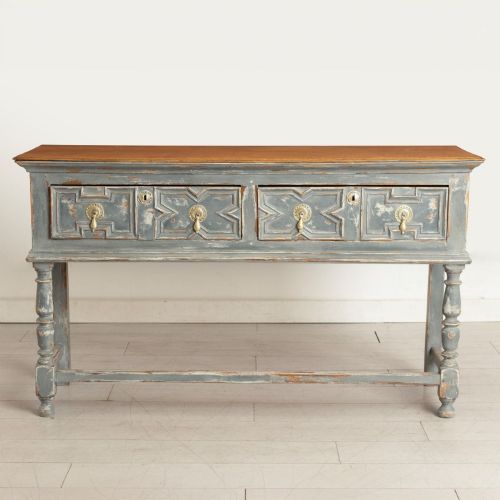
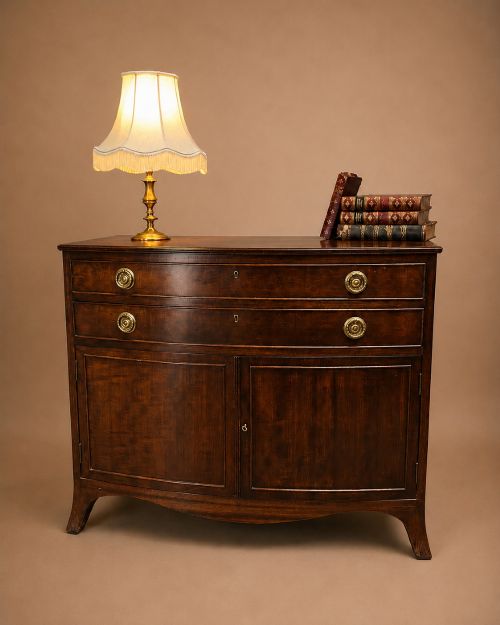
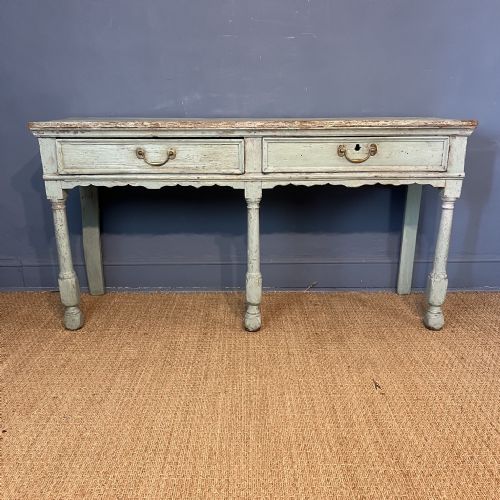
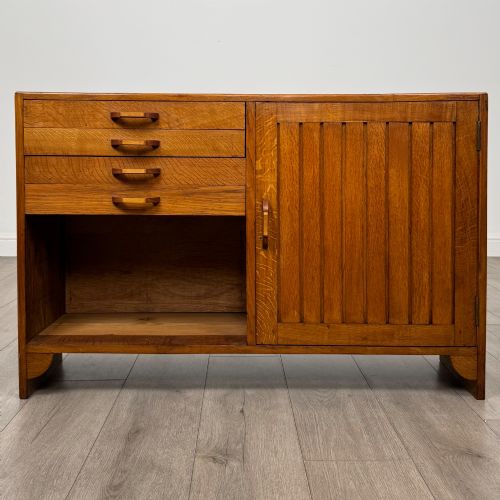
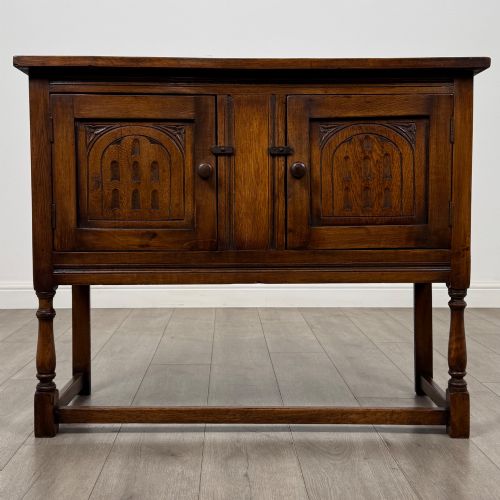
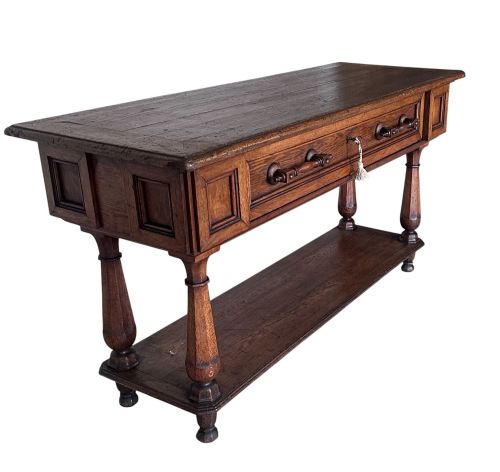
Antique Hallway Sideboard
An antique hallway sideboard brings solid timber and enduring presence straight into an entrance passage, offering a practical surface and useful storage right where visitors arrive.
Defining the antique hallway sideboard
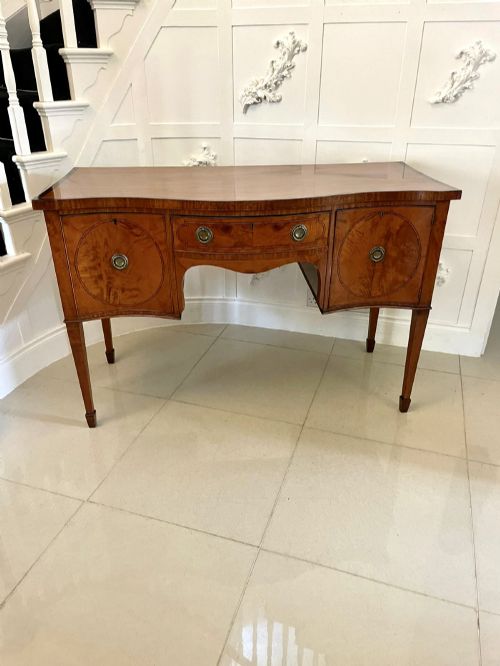
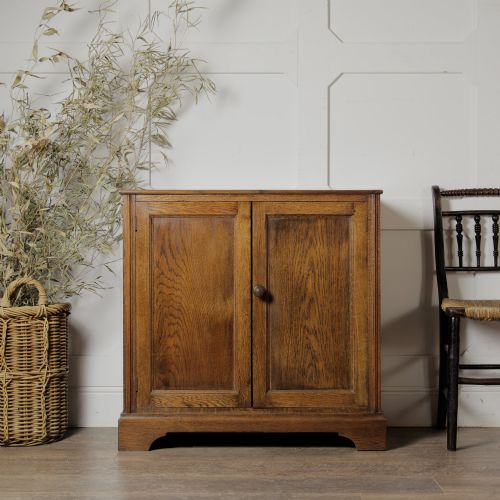
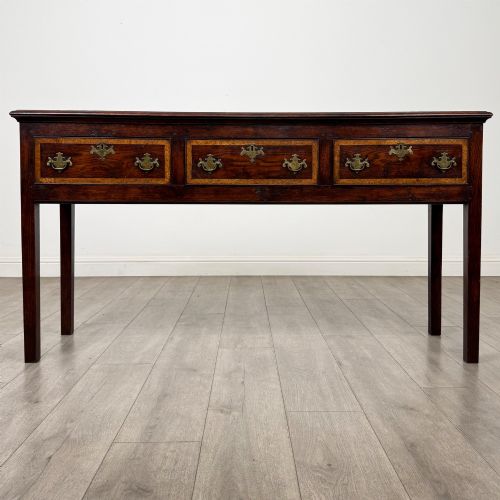
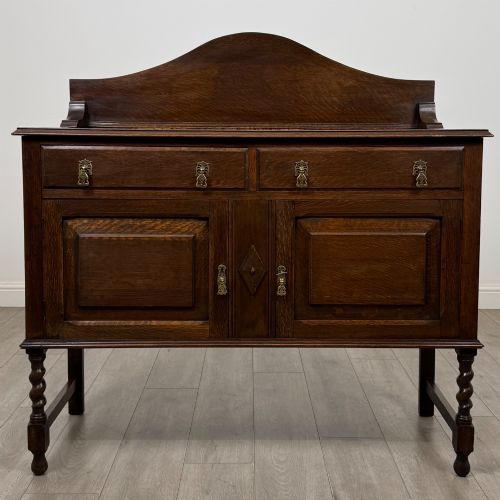
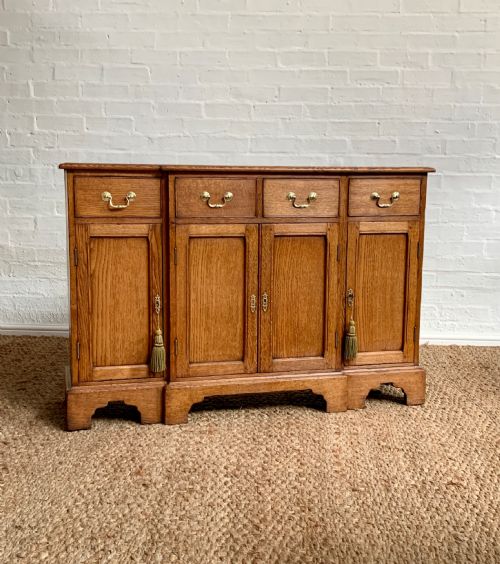
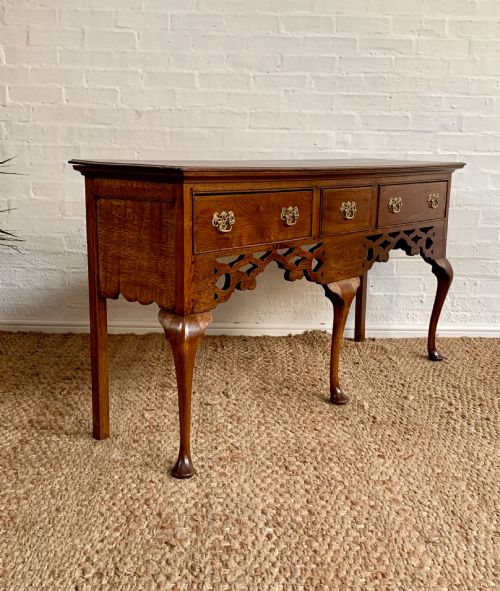
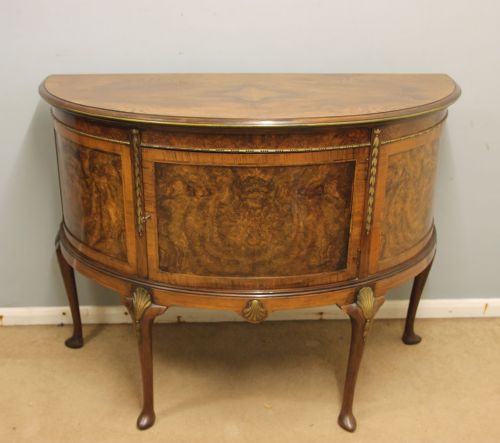
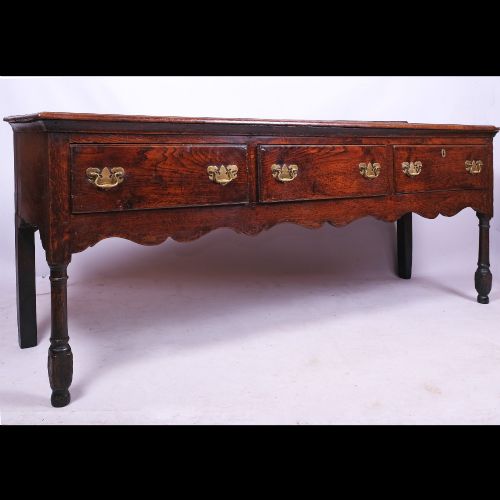
An antique hallway sideboard spans sturdy oak vernacular examples to refined mahogany and rosewood pieces, bringing traditional timber storage into domestic entryways. When you search for this term, you encounter low serving tables, chiffoniers with glass doors, and narrow dresser bases that fit domestic passages.
The pieces listed here cross several notable design eras, stretching from eighteenth-century Welsh workshops through Regency refinement up to Edwardian iterations. Each version provides a surface for daily essentials while concealing storage behind panelled doors or within fitted drawers.
Originating in formal dining spaces and kitchens, these low storage units adapt naturally to modern hallways where depth is limited and surface area is valued. Their proportions vary from compact neat sideboards to long dresser bases equipped with multiple drawers.
Materials and construction methods
Makers relied heavily on solid hardwoods, predominantly figuring mahogany, dense oak, and richly grained rosewood for the primary carcasses and drawer fronts. These timbers were selected for their stability and capacity to take a fine polish under hand labour.
Hardware details such as brass handles and occasional metal mounts secure the doors and drawers while adding restrained decorative contrast to the timber. Glass panels appear on specific chiffonier variants, framed within wooden doors to display contents safely.
Joinery methods reflect traditional cabinetmaking standards, utilising dovetailed drawer construction and framed panels that allow timber to breathe through seasonal changes without splitting.
Retail Price Guide 2026
Typical UK retail prices for hallway sideboard, calculated from the Sellingantiques database of over a million retail prices indexed since 2003. This retail price guide relies exclusively on Sellingantiques data; no external sources or auction records are used, so the figures do not describe the wider market.
Current listings feature pieces spanning the eighteenth century, the Regency era, and the Edwardian period in oak, mahogany, and rosewood.
Judging the quality of the work
Superior examples separate themselves through the careful selection of timber grain, particularly where mahogany or rosewood veneers are matched symmetrically across drawer fronts and cupboard doors. Inferior items rely on plain, unselected boards with little attention to visual flow.
The refinement of the carving and the crispness of the mouldings distinguish workshop output, as seen in the linear precision of Regency pieces versus the heavier, robust hand of earlier vernacular Welsh furniture. Original brass hardware and undisturbed patination elevate a piece far above one stripped down and heavily refinished.
The Antique Hallway Sideboard Glossary
- Chiffonier
- A low cabinet or sideboard developed during the Regency period, often featuring enclosed shelving and glass doors. It provides compact storage for smaller spaces.
- Dresser base
- A lower sideboard unit equipped with drawers and cupboards, traditionally used in kitchens and dining areas for serving and storage. It lacks the upper plate rack of a full dresser.
- Mirrorback sideboard
- A piece incorporating an integrated mirror above the main timber surface, a style popular during the Edwardian era. It serves to reflect light into darker hallway spaces.
- Regency
- A style period spanning the early nineteenth century defined by classical restraint, elegant proportions, and architectural lines. Furniture from this era often showcases fine rosewood and subtle brass detailing.
- Vernacular
- Furniture made by regional craftsmen following local traditions rather than metropolitan high styles. Welsh oak pieces exemplify this honest, utilitarian approach to design.
Frequently Asked Questions
What is an antique hallway sideboard?
An antique hallway sideboard is a low timber storage unit, such as a dresser base or chiffonier, repurposed to stand in an entrance passage.
These pieces provide a surface for keys and post while offering concealed storage beneath.
Are Edwardian sideboards suitable for narrow halls?
Edwardian mirrorback sideboards and serving tables vary in scale, with some narrower models fitting compact entranceways.
Check the specific depth dimensions of each piece to ensure adequate clearance for foot traffic.
What wood types are most common?
Oak is frequently found in earlier vernacular pieces, particularly from Welsh workshops, offering a robust and durable character.
Mahogany and rosewood dominate the later nineteenth-century and Regency items, providing finer grain patterns and darker tones.