


Antique Hall Storage
Antique hall storage pieces organise entryways with historical utility, offering seating, umbrella containment and outerwear organisation shaped by centuries of domestic craft.
Antique Hall Storage
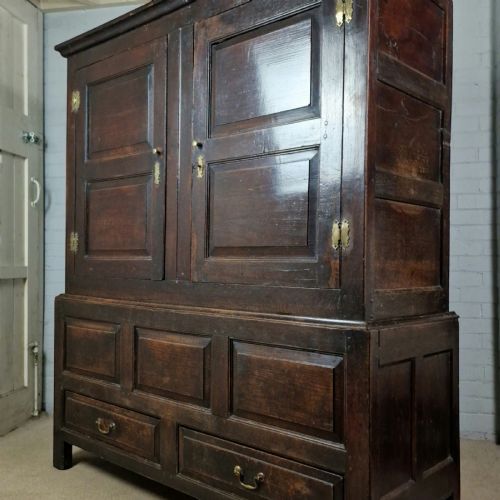
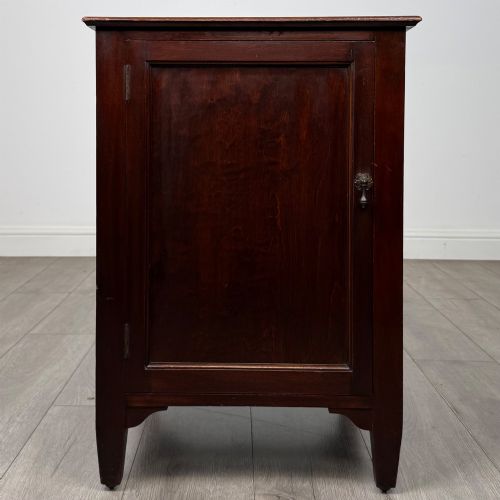
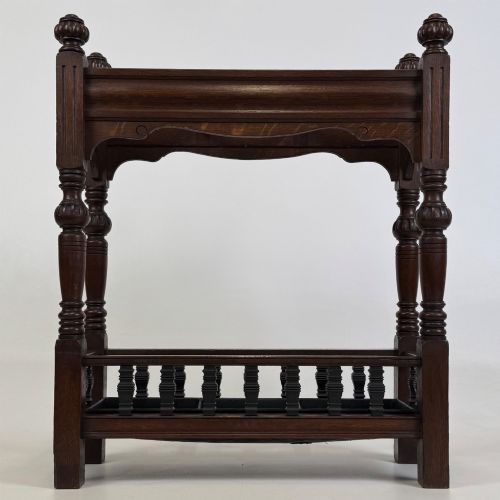
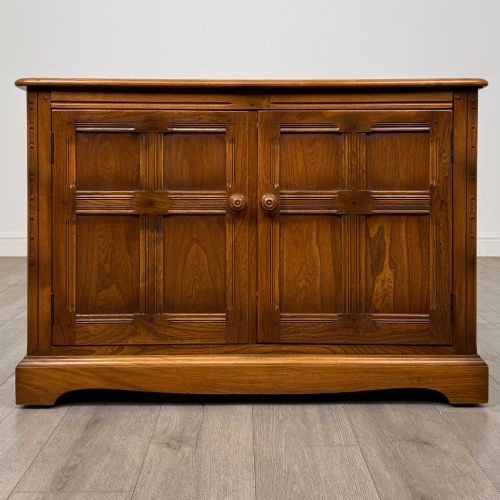
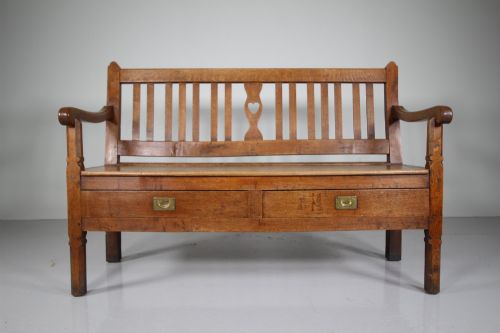
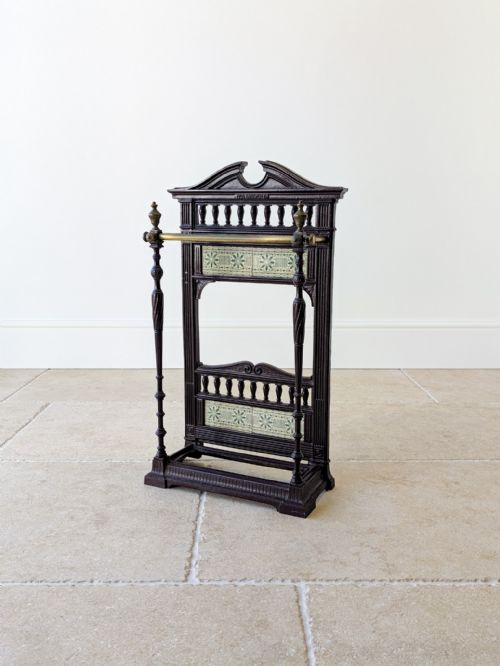
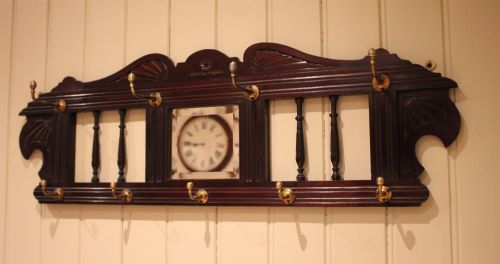
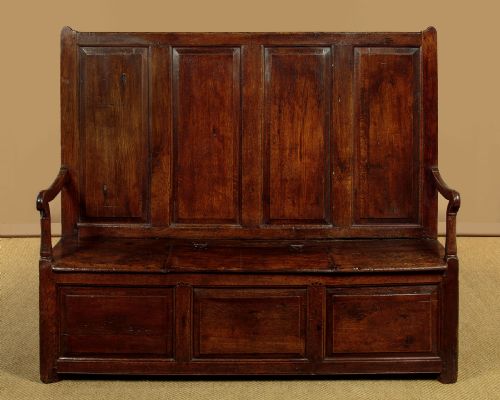
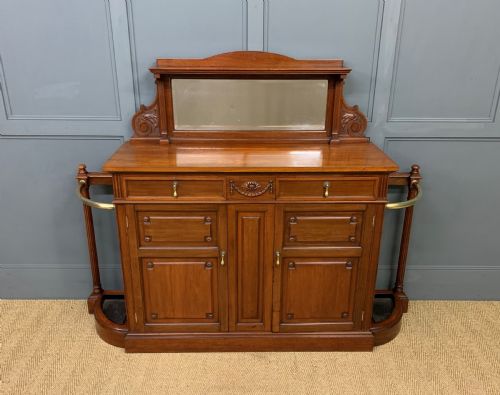
Antique hall storage encompasses diverse functional furniture designed for entranceways and lobbies, spanning umbrella stands, settles, benches, cupboards and coat racks. Buyers seeking antique hall storage encounter robust oak pieces from the eighteenth century alongside refined mahogany and walnut iterations from the Victorian and Edwardian eras.
Regional variations appear frequently, including Welsh country oak benches and continental farmhouse seating alongside formal Georgian and Regency side cabinets. Edwardian interpretations in golden oak frequently combine umbrella rings with mirror backs and coat hooks to serve urban households.
Assessing Standard and Integrity
Quality rests heavily on the integrity of the timber and the originality of structural components such as drip trays, panels and hardware. Pieces retaining their original surface patination, whether waxed oak or polished mahogany, demonstrate superior preservation.
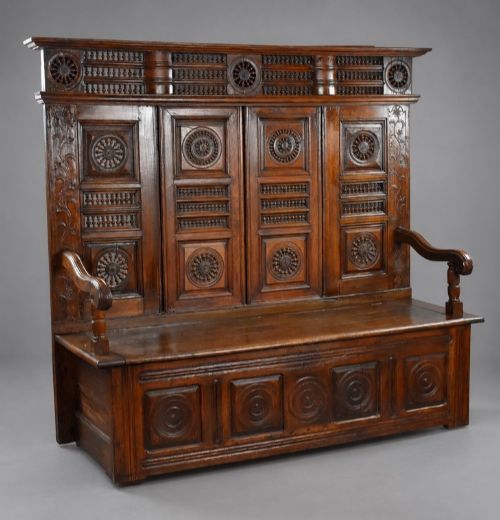
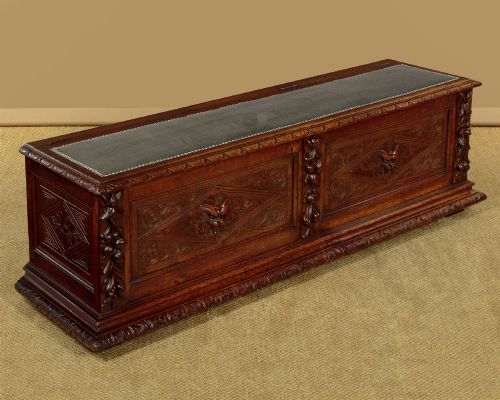
The crispness of hand-carving distinguishes standard utility items from higher-status commissions, particularly on Jacobean revival panels and Welsh country settles. Structural proportion also dictates worth, as smaller, balanced hall seats and slim cupboards command greater demand than clumsy alterations.
Umbrella stands occasionally arrive with stubborn nineteenth-century rain shadows trapped permanently inside their original metal drip trays.
Coalbrookdale·Liberty Design·Shoolbred & Co.·Denby & Spinks
The Antique Hall Storage Glossary
- Settle
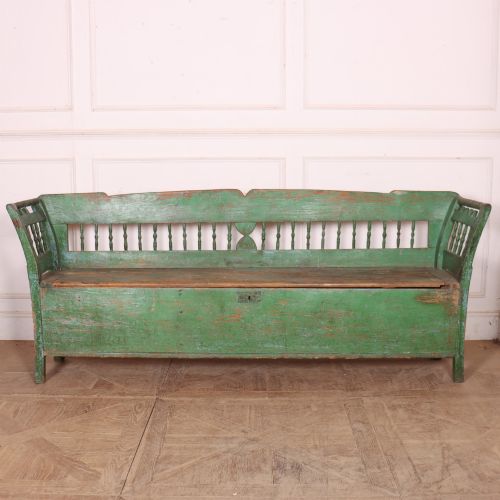
- A wooden bench with a high back, solid armrests and a box seat compartment beneath. This form provided draught protection in large halls and dual-purpose storage for blankets or household goods.
- Drip tray
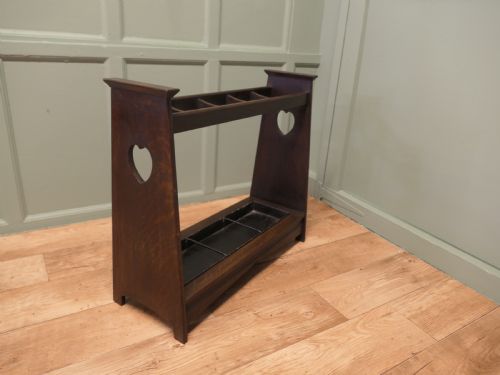
- A shallow metal tray positioned at the base of stick and umbrella stands to collect water. Original brass or galvanized iron trays are essential for completeness.
- Monk's bench
- A convertible piece featuring a hinged top that folds down to transform a backrest into a table surface. These often incorporate a box storage base beneath the seat.
- Cupboard
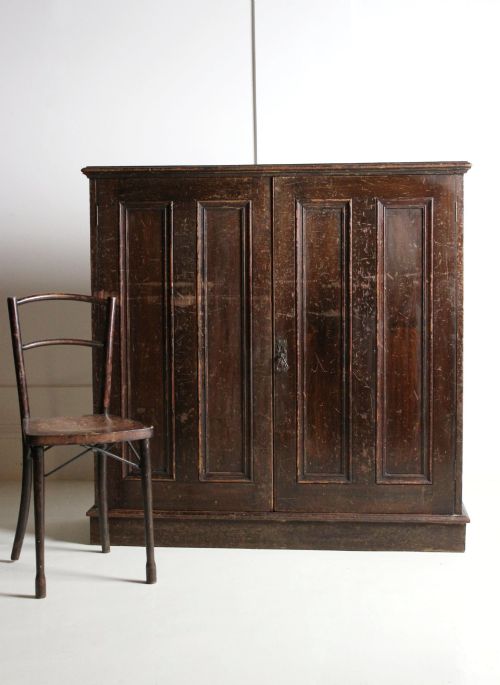
- An enclosed piece of furniture fitted with doors and internal shelving for general storage. Examples range from tall oak court cupboards to shallow pine wall or floor units.
- Aesthetic Movement
- A late nineteenth-century design style emphasising simplicity, artistic reform and Japanese influence. Pieces from this movement often utilise ebonised wood or stylized brass mounts.
Antique Hall Storage: Frequently Asked Questions
What is an antique hall settle?
An antique hall settle is a traditional wooden bench featuring a high back and a concealed storage compartment beneath the hinged seat. These pieces were historically placed in entrance halls to provide seating while removing boots and shoes.
The enclosed box base kept draughts away from the user while offering practical storage for heavy outdoor garments, blankets or daily sundries. Surviving examples range from plain eighteenth-century oak designs to heavily carved Victorian revival pieces.
How do I use an umbrella stand?
An antique umbrella stand serves as a dedicated receptacle for walking sticks, parasols and wet umbrellas in a hallway or vestibule. The lower metal tray captures rainwater, protecting surrounding floors from moisture.
Modern homes utilise these sturdy cast iron, brass or wooden frameworks in narrow entryways where floor space is limited. Their vertical divisions keep umbrellas separated and upright rather than leaning precariously against walls.
How do I date an oak hall bench?
Dating an oak hall bench involves examining the construction methods, tool marks, timber shrinkage and carving style. Eighteenth-century examples typically display hand-pegged joints, board construction and deep patination acquired through centuries of use.
Later nineteenth-century revival pieces often incorporate machine-cut elements, standardised screws and applied rather than integral mouldings. Comparing the hardware, such as hinges and locks, provides further chronological clues.
Where should I place a hall cupboard?
A hall cupboard functions best in an entrance hall, landing or boot room where compact storage is required for daily accessories. Shallow depths allow these cabinets to sit comfortably in narrow corridors without obstructing movement.
They provide concealed space for shoes, dog walking gear, post and household paperwork. Ensuring adequate clearance for door openings is the primary consideration when positioning them in tight spaces.