

Antique Hall Seat Box
An antique hall seat box provides practical entrance storage and seating, uniting heavy timber construction with centuries of domestic utility.
Antique Hall Seat Box
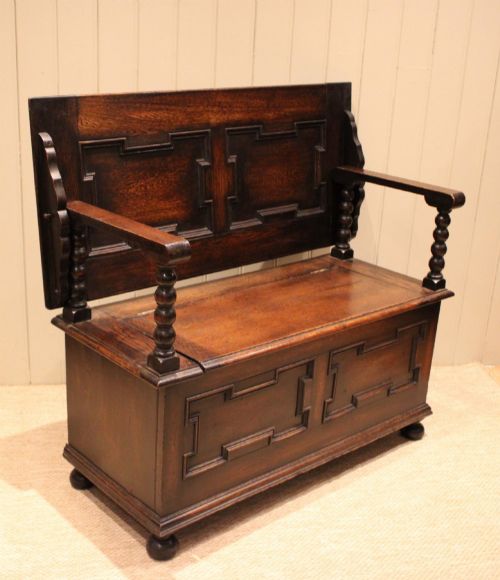
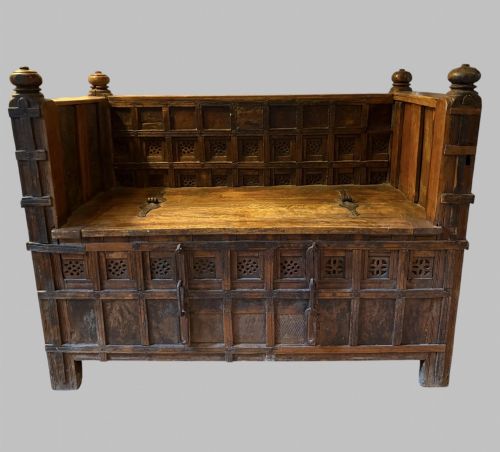
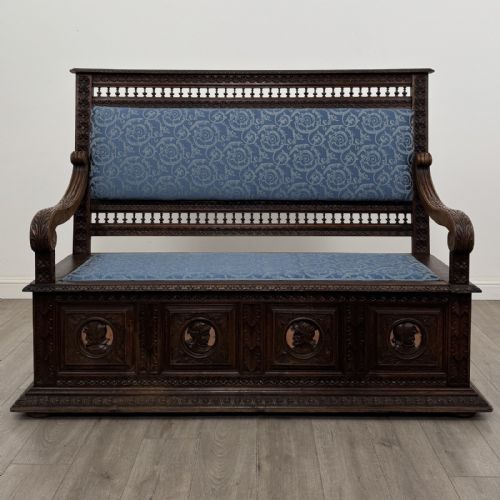
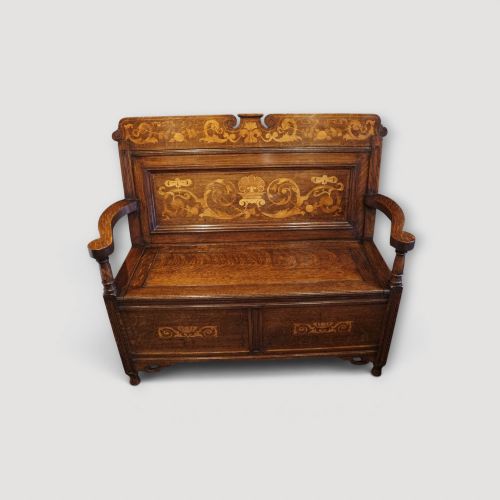
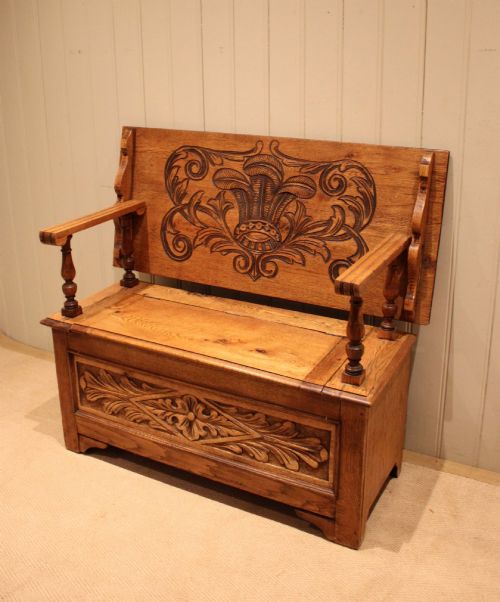
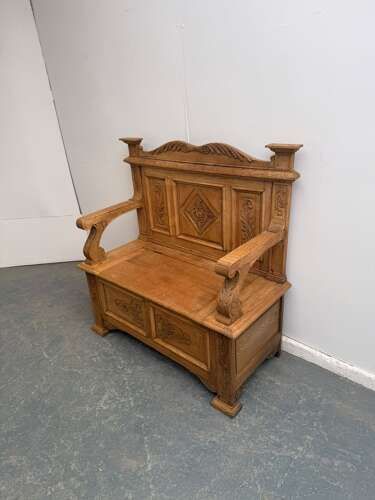
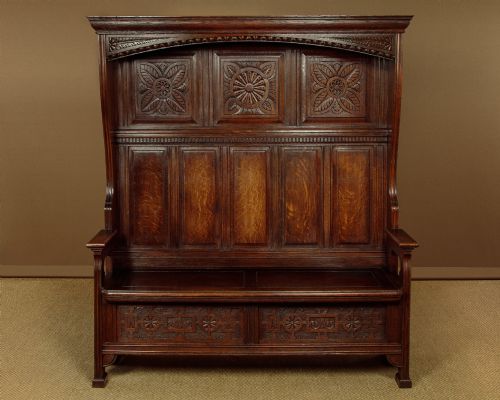
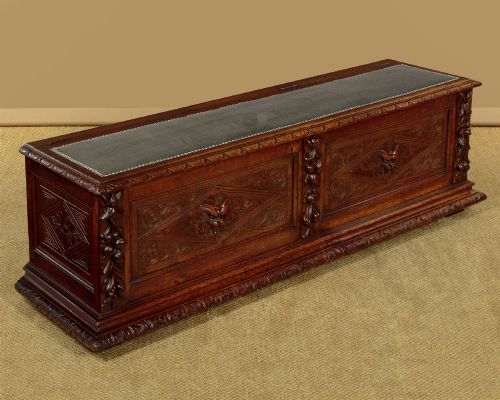
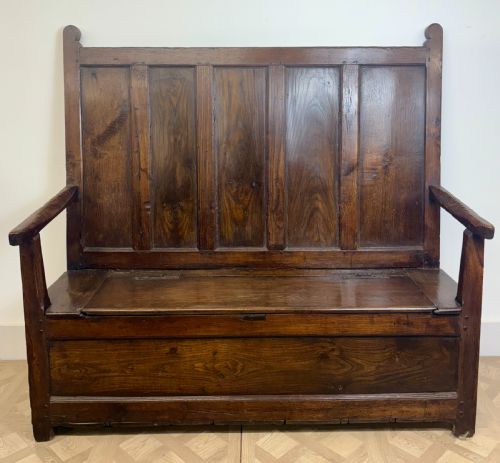
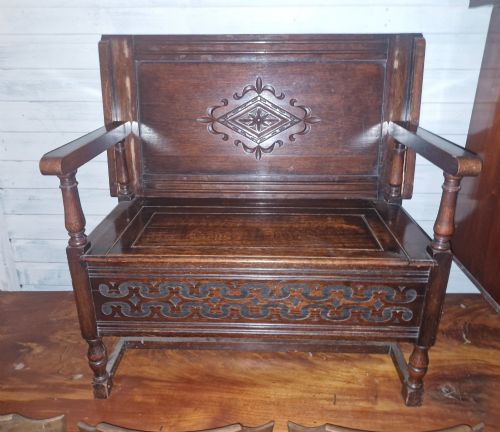
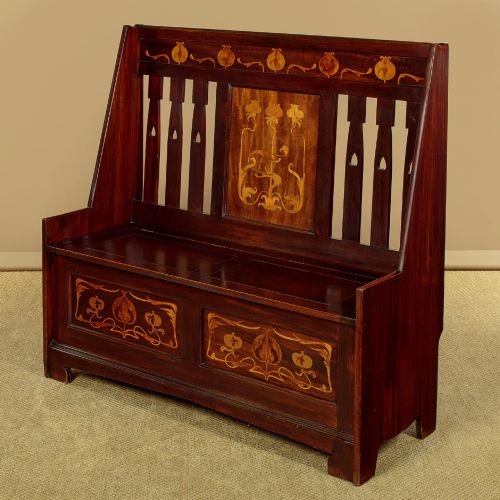
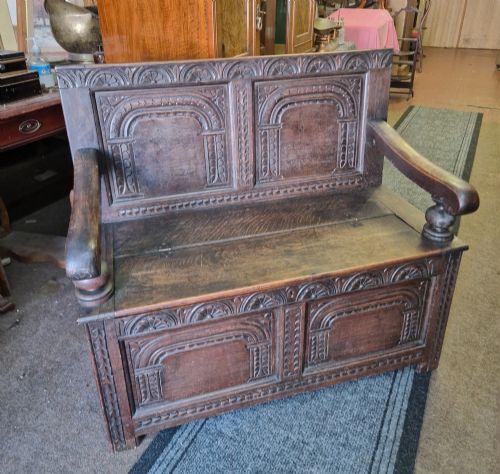
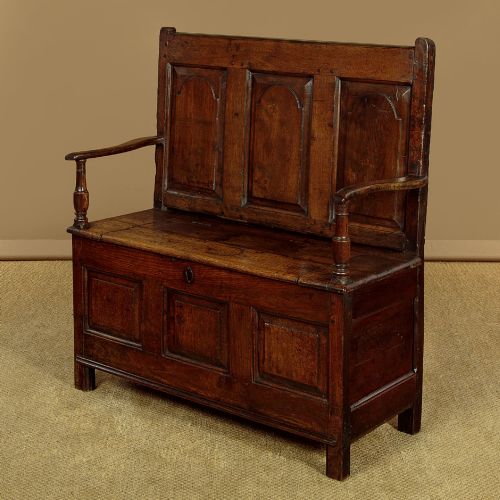
An antique hall seat box combines a bench or settle with a concealed storage compartment beneath the hinged or lift-up seat. These pieces serve as practical entrance furniture designed for hallways and porches, where coats, boots and household items require tidying away.
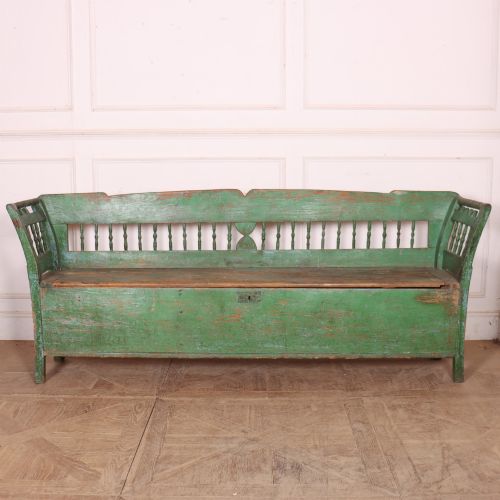
The selections available range from sturdy 18th-century oak and ash box settles to Victorian pine variants and carved Edwardian hallway benches. Pieces span multiple regional traditions, including English country workshops, Hungarian painted pine examples and continental European walnut designs.
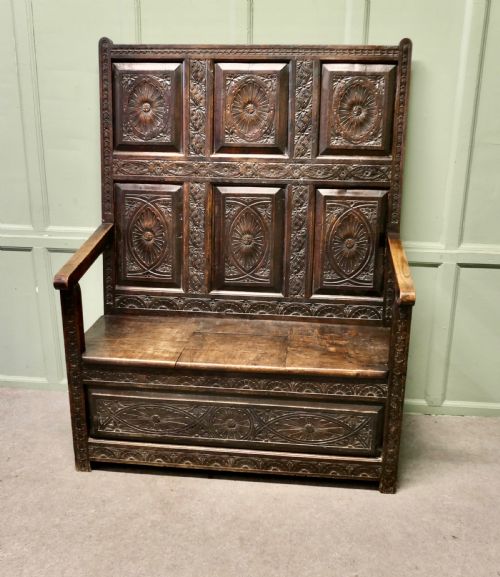
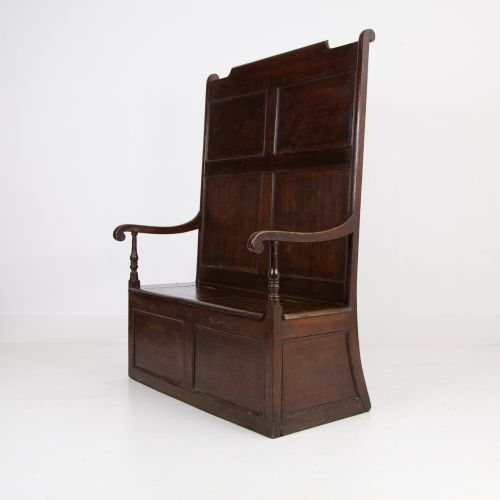
High-back forms dominate the earlier periods, offering protection from draughts near open fires or doorways, whilst later examples shift towards lower backs and dedicated hallway furniture styles.
Materials and construction methods
Solid timber forms the structural core of these benches, with oak, pine, mahogany and walnut appearing regularly across the inventory. Carpenters utilised traditional joinery techniques such as panel construction, pegging and dovetailing to ensure durability under daily use.
Surface treatments vary widely between waxed or polished natural hardwoods and painted finishes in grey, black, cream or green. Iron hardware, brass detailing and marquetry inlay provide functional hinges and decorative embellishments on specific regional variants.
Antique Hall Seat Box Retail Price Guide 2026
Typical asking prices for hall seat box among the pieces listed under this phrase on Sellingantiques today, from the lower quarter to the upper quarter. They describe what is for sale here now, not the wider market.
Certain early oak examples feature carved Green Man motifs peeking out from the foliage to watch over the hallway.
Distinguishing quality and craftsmanship
The distinction between standard utility furniture and superior examples rests upon the depth of the carving, the selection of timber figures and the integrity of the original joinery. Finer pieces exhibit crisp hand-carved panels, robust box frames and well-preserved original hinges.
Proportion and regional character heavily influence the appeal of an antique hall seat box. Pieces retaining authentic painted surfaces or untouched surface patination command attention through their genuine historical survival.
James Shoolbred and Co
The Antique Hall Seat Box Glossary
- Box settle
- A wooden bench featuring a high back and a enclosed compartment beneath the seat for storage. This form kept draughts at bay in older domestic interiors.
- Monks bench
- A convertible piece of furniture designed to function as both a table and a box seat. The back folds forward to create a flat surface when needed.
- Cassapanca
- An Italian wooden chest with a back and arms, serving as both a bench and a storage receptacle. These often display elaborate carved walnut details.
- Bacon settle
- A specific regional form of high-backed wooden bench equipped with hooks or internal space traditionally used for curing and storing meat. They originate from rural country houses.
- Marquetry
- The art and craft of applying small pieces of veneer to a structure to form decorative patterns. This technique appears on finer walnut and oak reception furniture.
Antique Hall Seat Box: Frequently Asked Questions
What is an antique hall seat box?
An antique hall seat box is a traditional wooden bench fitted with a concealed storage compartment beneath the lifting seat. They were historically placed in entrances or hallways to store outdoor garments and domestic items.
These pieces combine seating with bulk storage, making them practical additions to modern hallways. Their historical forms range from plain pine country boxes to elaborately carved oak settles.
How do I date an antique settle?
Dating relies on examining the timber species, joinery methods and decorative styles present on the frame. Earlier examples from the 17th and 18th centuries typically feature hand-cleaved oak or ash, pegged joints and panel-back construction.
Later Victorian and Edwardian iterations often introduce machine-cut elements, softer pine or mahogany woods, and decorative influences such as Arts and Crafts carving or Art Nouveau inlay.
Where should I place a box settle?
A box settle fits naturally in entrance halls, boot rooms or large kitchens where seating and concealed storage are simultaneously required. Their high backs make them effective room dividers in open-plan spaces.
Ensure the space allows adequate clearance for the hinged seat to lift fully without striking walls or surrounding furniture. Placing them away from direct heat sources protects the antique timber from drying and splitting.
How do I care for a wooden hall bench?
Maintenance involves applying appropriate beeswax or natural polish periodically to nourish the historic timber and preserve its surface sheen. Avoid placing the bench in direct sunlight or near radiators to prevent wood movement.
Dust carved crevices regularly with a soft brush and check the box hinges occasionally to ensure they remain secure and aligned.