

Antique Hall Coat Stand
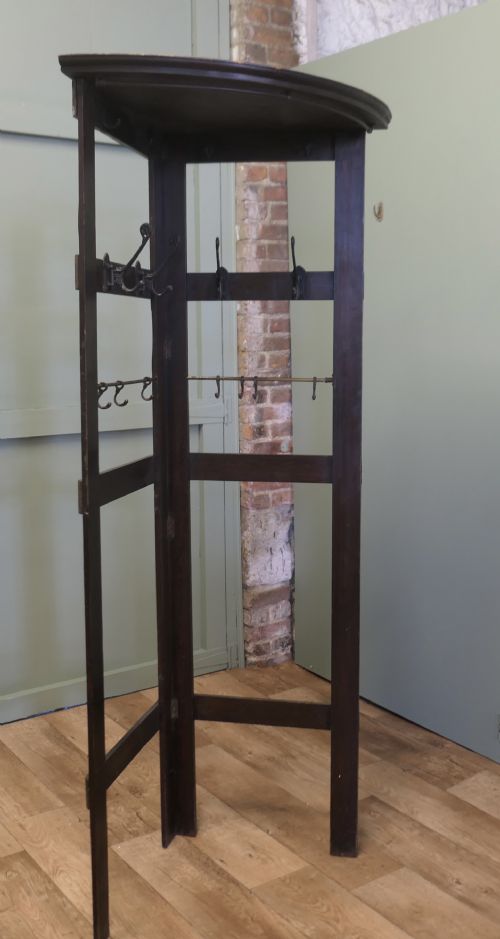
An antique hall coat stand greets visitors with practical utility, offering a designated place for outerwear, hats, and umbrellas upon entering a home.
Antique Hall Coat Stand
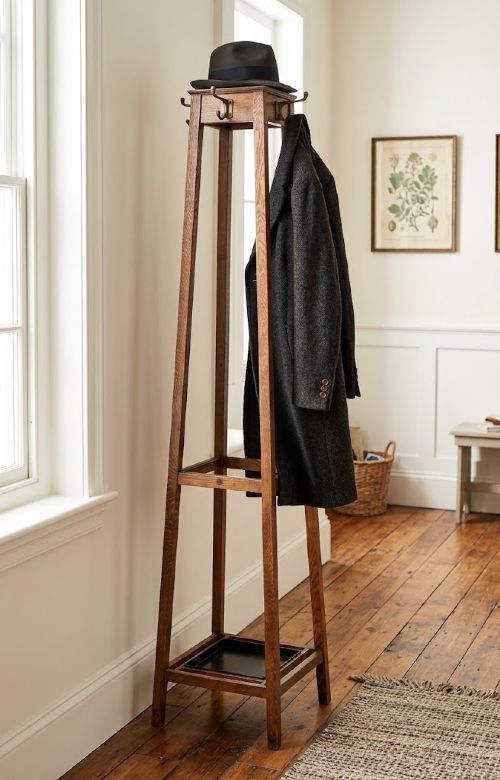
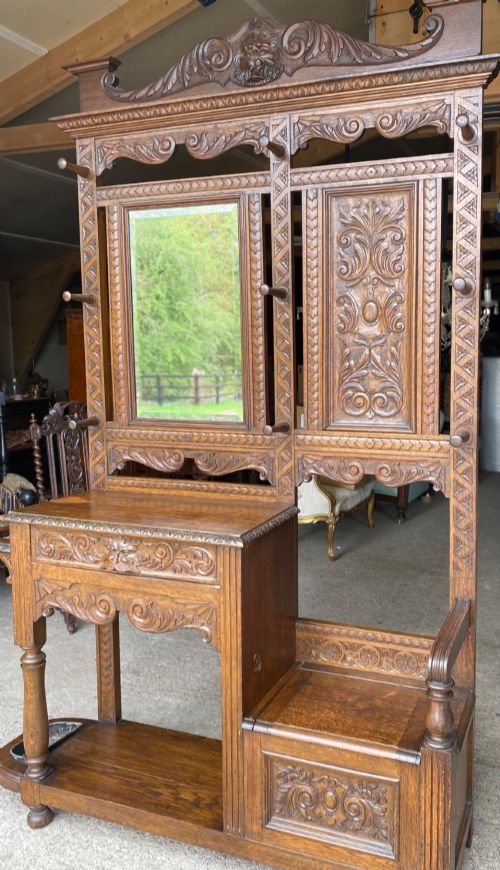
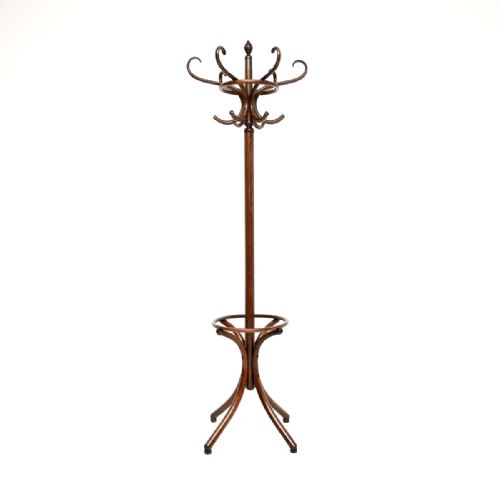
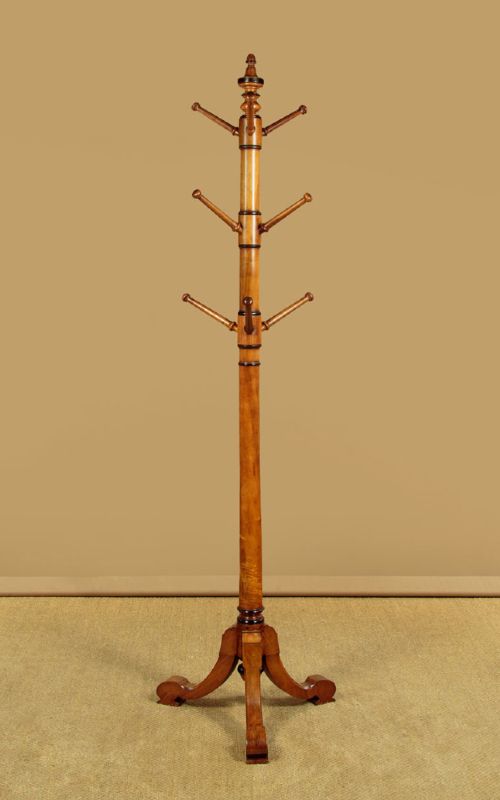
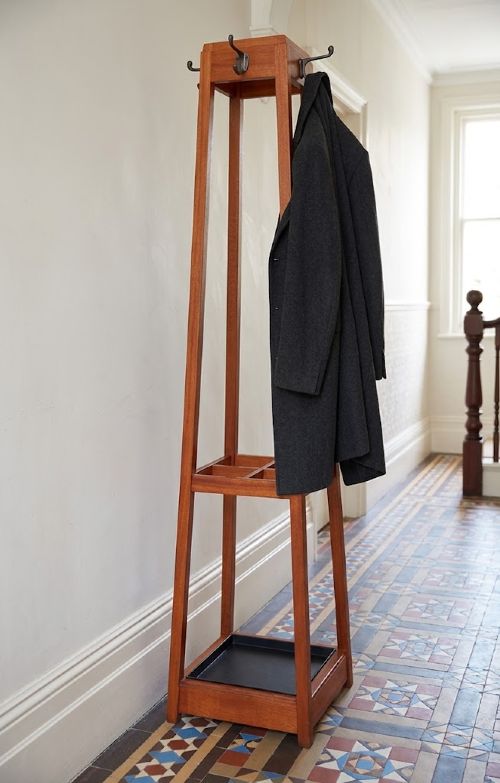
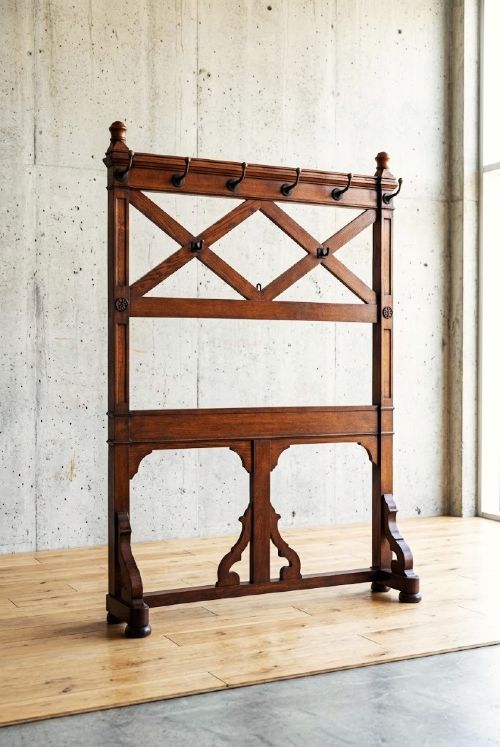
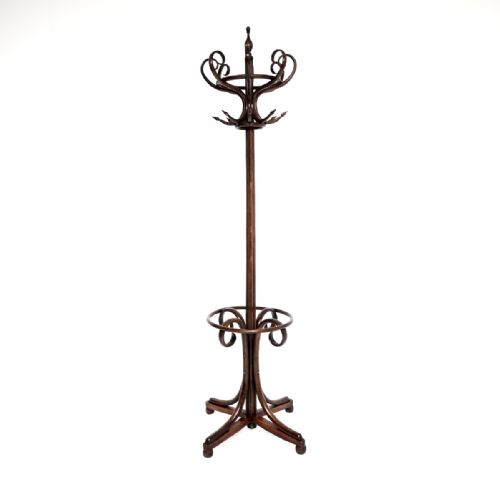
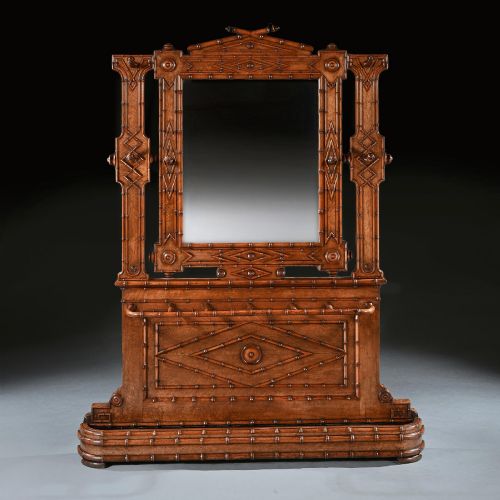
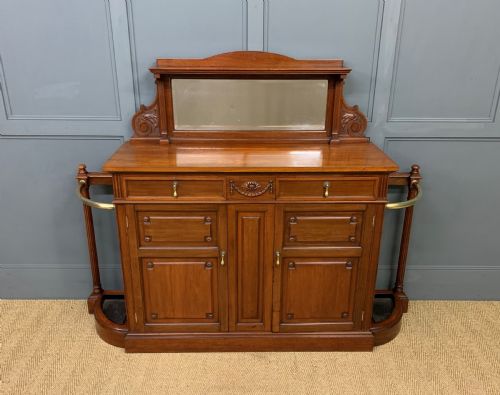
When searching for an antique hall coat stand, buyers encounter a diverse range of furniture designed for entryways and hallways. These items function as organizers, often combining upright timber frames with metal hooks, mirror panels, and integrated umbrella holders.
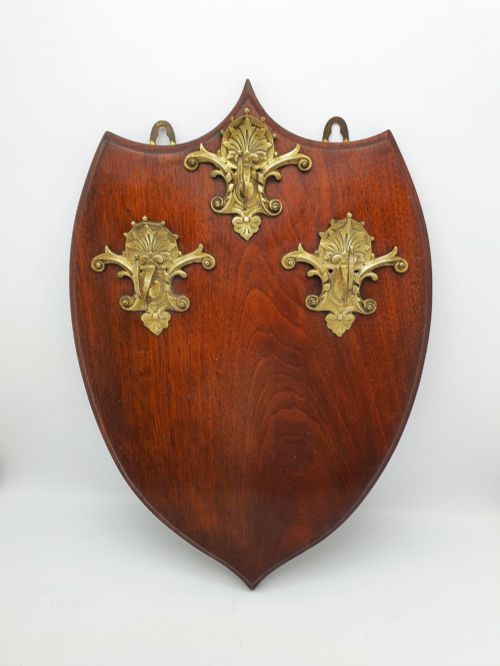
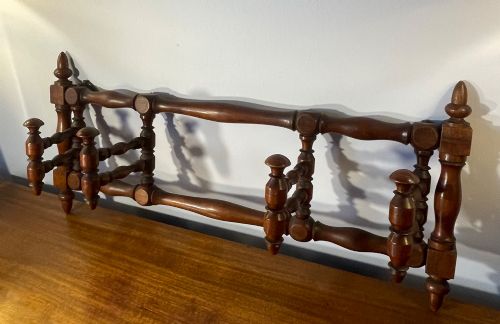
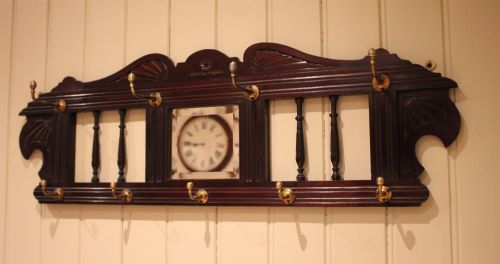
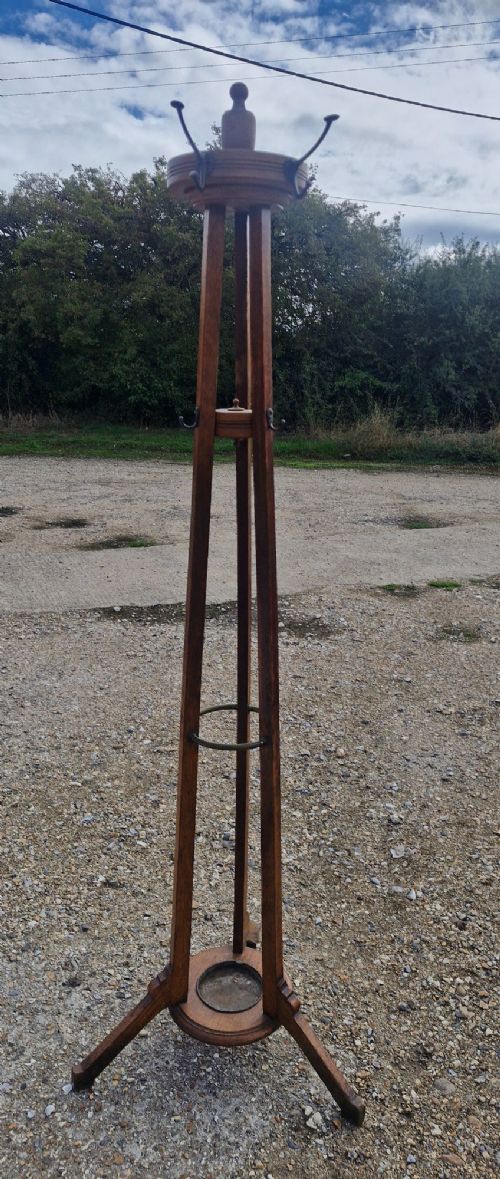
The versions most commonly met on this page span the Victorian and Edwardian eras, alongside later 20th-century examples. Forms vary from compact wall-mounted racks to substantial multi-functional hall seats and revolving hat stands.
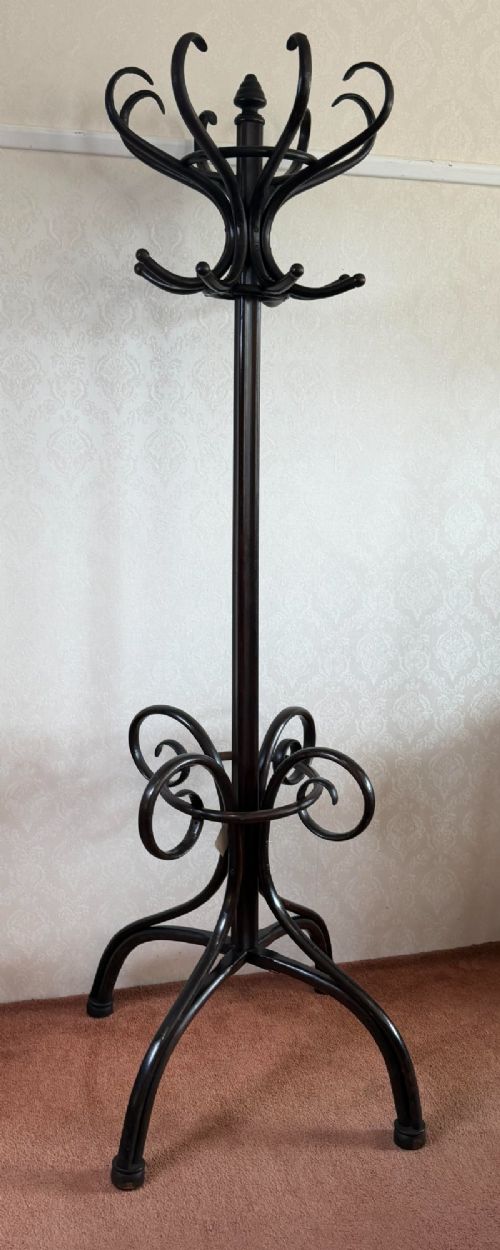
Materials range from traditional hardwoods like oak and mahogany to flexible bentwood beech and durable cast iron. Many pieces incorporate brass hooks and drip trays to catch rainwater from sticks and umbrellas.
How they were made
Cabinet makers utilised solid timbers such as oak, mahogany, walnut, and pine, frequently employing steam-bent beech for lightweight bentwood frames. Wood surfaces were carved, polished, or ebonised to achieve distinct aesthetic finishes.
Metal components played a structural and decorative role, featuring prominently in cast iron frames, brass coat hooks, and integrated umbrella drip trays. Glass mirrors were often fitted into wooden backboards, secured with wooden mouldings.
Some hallways once welcomed visitors with stags' horn racks and carved wooden bears holding walking sticks.
What varies in quality
The structural integrity of the frame and the solidity of the timber distinguish superior examples from ordinary ones. Pieces constructed from dense hardwoods like oak or mahogany, or robust cast iron, demonstrate greater longevity than lighter alternatives.
Refinement in manufacturing shows in the quality of the hardware, such as solid brass hooks, original drip trays, and well-executed wood carving. The complexity of the design, whether a simple bentwood structure or a large hall seat with integrated storage, also influences the character of the piece.
Thonet·Shoolbred & Co.
The Antique Hall Coat Stand Glossary
- Bentwood
- Wood that has been heated with steam to make it pliable and then bent into curved shapes. This technique created lightweight yet sturdy frames for hats and coats.
- Drip tray
- A metal tray positioned at the base of a stand to catch water from wet umbrellas and walking sticks. It protected wooden flooring from moisture damage.
- Hall seat
- A piece of entryway furniture that combines coat hooks with an integrated bench or box seat. They often feature hinged lids for storage and panelled mirror backs.
- Japonisme
- A style influenced by Japanese art and design, seen in furniture with faux bamboo turning and exotic wood veneers. It was popular during the late Victorian aesthetic period.
- Revolving hat stand
- A rotating upper tier designed to hold hats and coats accessibly from multiple angles. These clever mechanisms allowed users to browse garments easily.
Antique Hall Coat Stand: Frequently Asked Questions
What is an antique hall coat stand?
An antique hall coat stand is a piece of entryway furniture designed to hold outerwear, hats, sticks, and umbrellas. These stands provide practical organisation near a doorway.
They appear in various forms, from slim bentwood poles to large wooden hall seats with integrated mirrors and storage compartments.
How were umbrella stands used?
Umbrella stands kept wet umbrellas and walking sticks contained in one designated spot near the entrance of a home. The integrated metal drip trays caught rainwater to protect interior floors.
Many hall stands incorporated these holders directly into their base structures alongside coat and hat hooks.
How do I identify a Victorian hall stand?
Victorian hall stands typically feature dark hardwoods like oak or mahogany, deep carving, and heavy brass or cast iron hooks. They often incorporate bevelled mirrors and sturdy umbrella wells.
Earlier examples from this period may display Gothic Revival influences or elaborate Aesthetic Movement styling.
Where should I place a hall stand?
A hall stand belongs in an entryway, hallway, or boot room where people naturally shed outdoor garments. Placing one near the primary entrance ensures hats, coats, and umbrellas are immediately accessible.
Freestanding models require sufficient clearance for hanging garments, while wall-mounted racks suit tighter spaces.