

Antique Hall Ceiling Light
An antique hall ceiling light commands a threshold, casting a warm welcome from above through glass and metal.
Antique Hall Ceiling Light
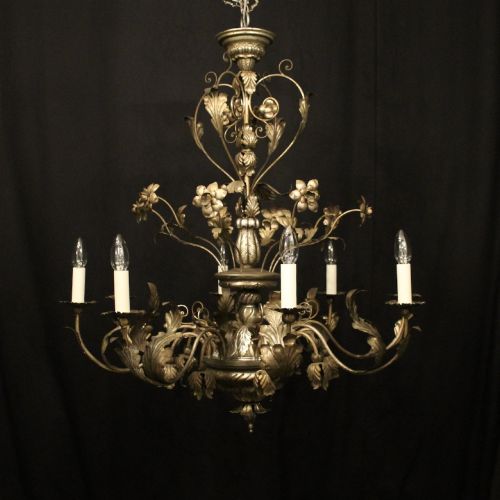
When you search for an antique hall ceiling light, you encounter lanterns, pendants and small chandeliers designed to illuminate entrance passages, corridors and stairwells. The selection spans the Victorian and Edwardian eras into the 1920s and 1930s, drawing on French, English and Italian workshops.
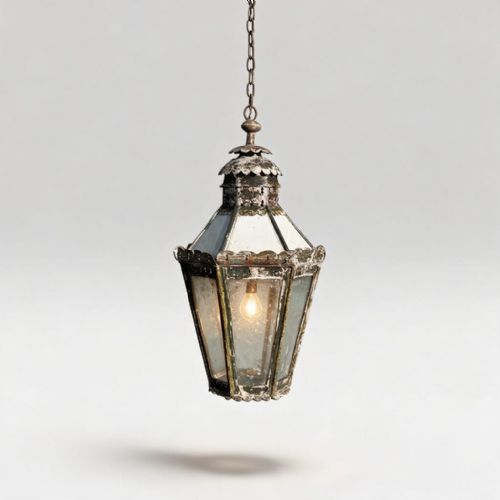
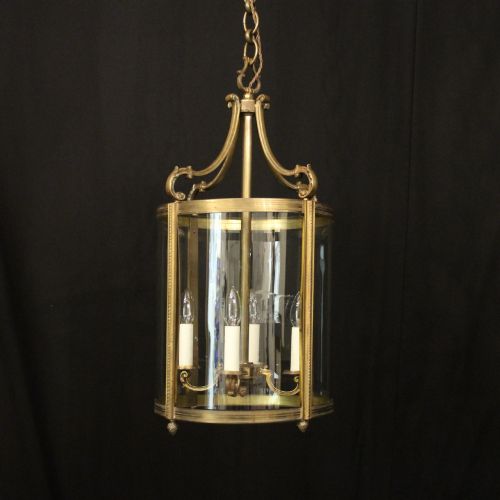
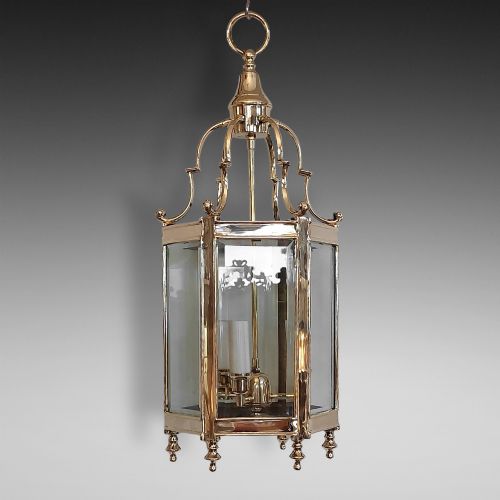
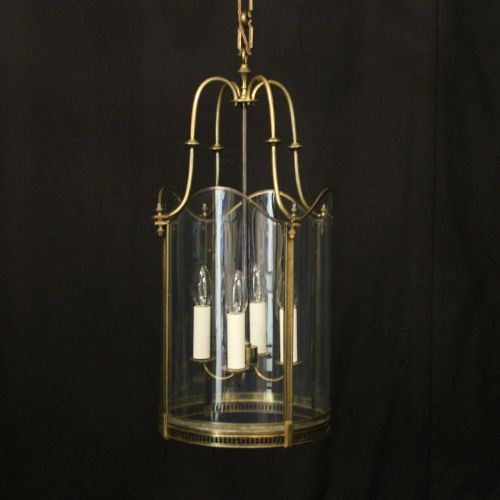
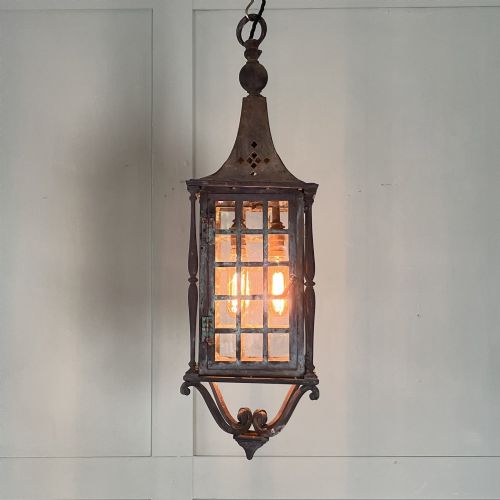
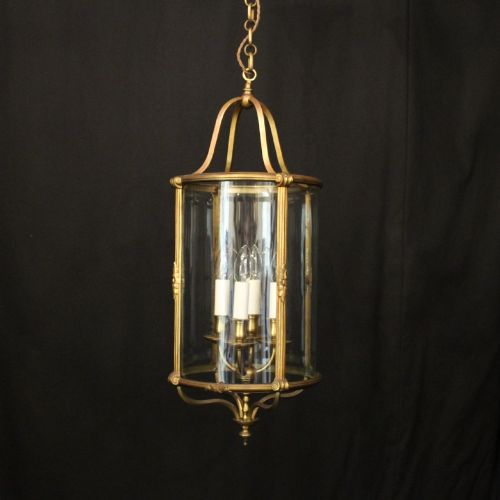
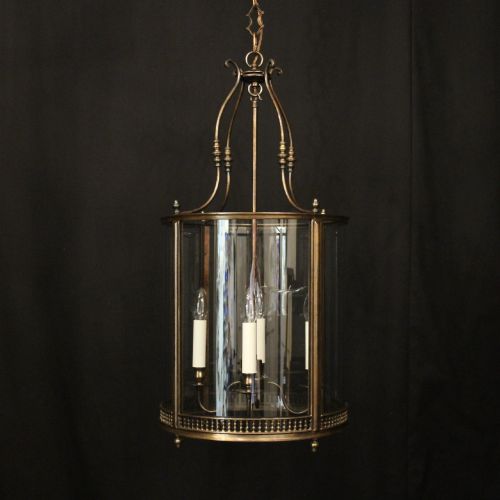
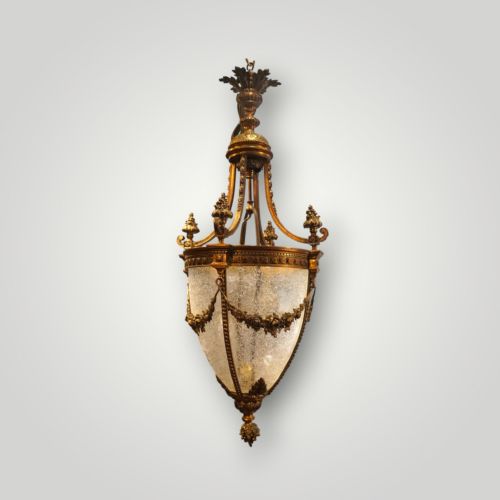
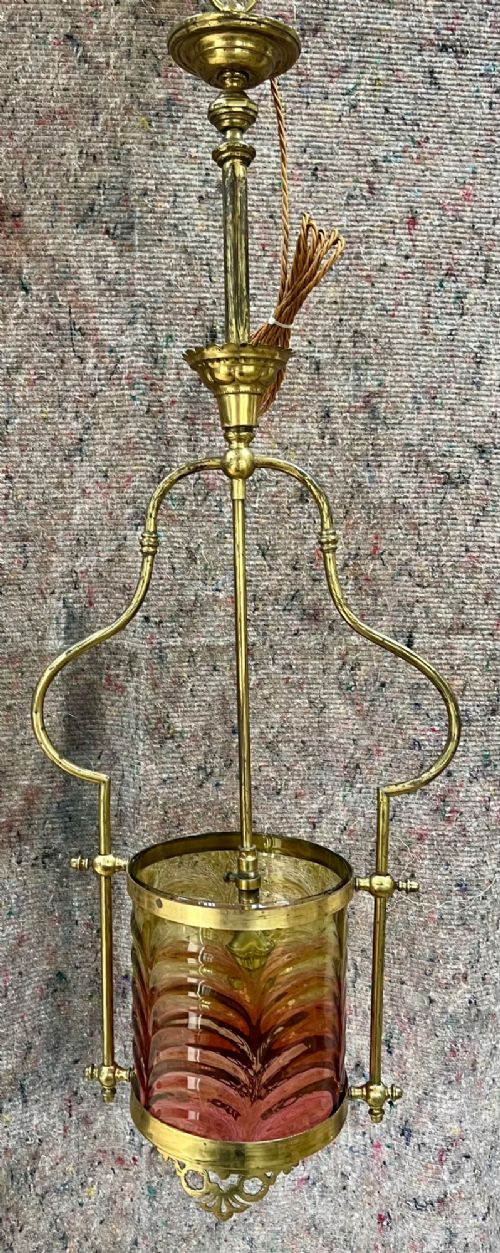
The most frequent form on this page is the brass or gilded bronze framed lantern, often hexagonal or square, suspended by chains or rods from the ceiling. These pieces range from simple single-light fixtures to multi-bulb arrangements enclosed in glass.
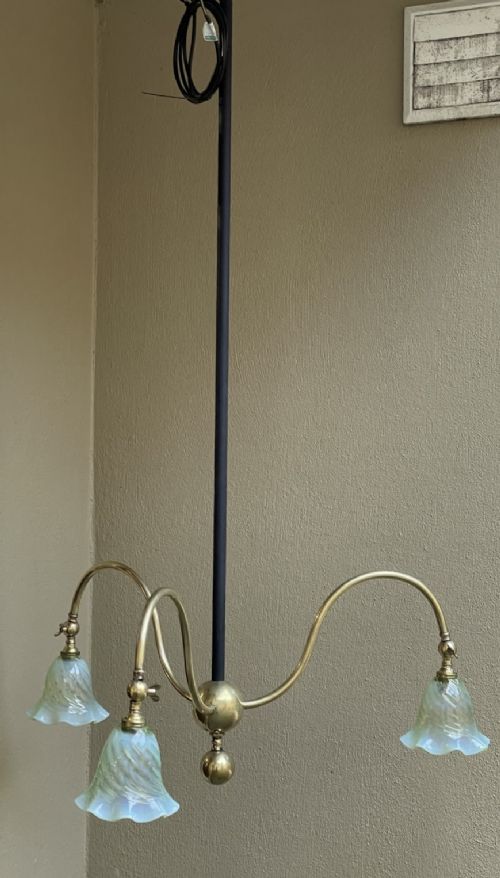
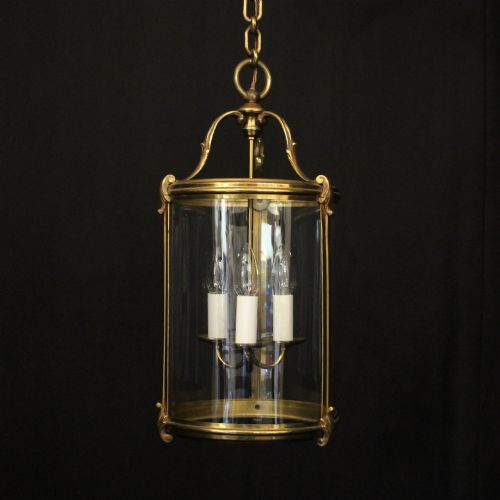
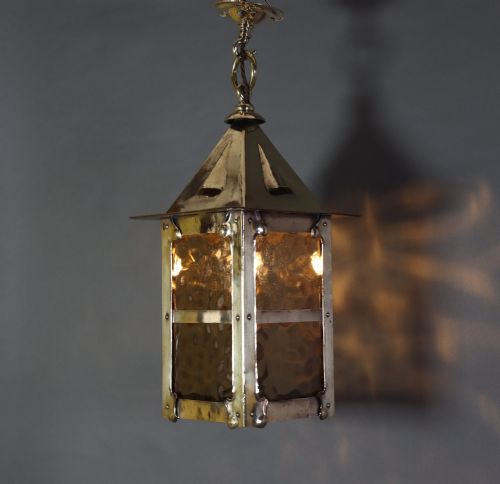
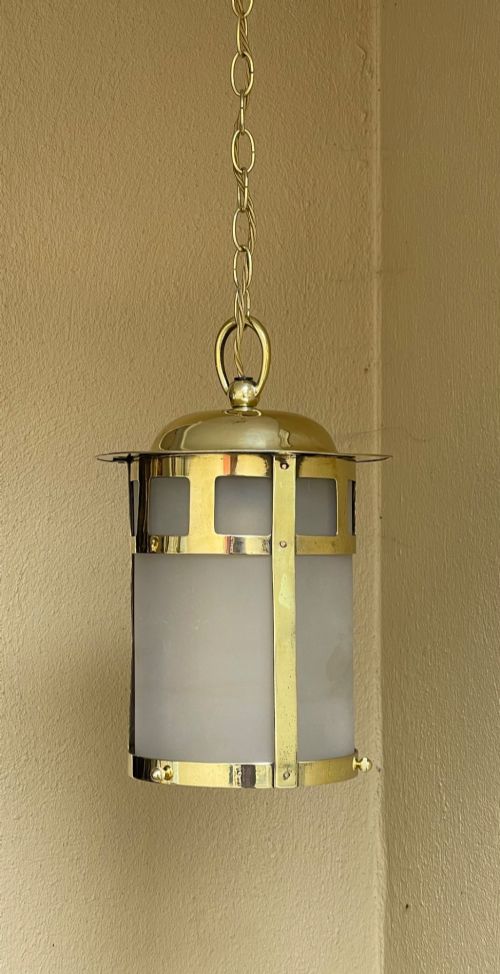
Regional variations appear distinctly, from French gilded bronze designs featuring convex glass panels to English Arts and Crafts brass fixtures reflecting honest construction. Grand proportions emerge alongside smaller domestic pieces suited to narrow period hallways.
Materials and construction
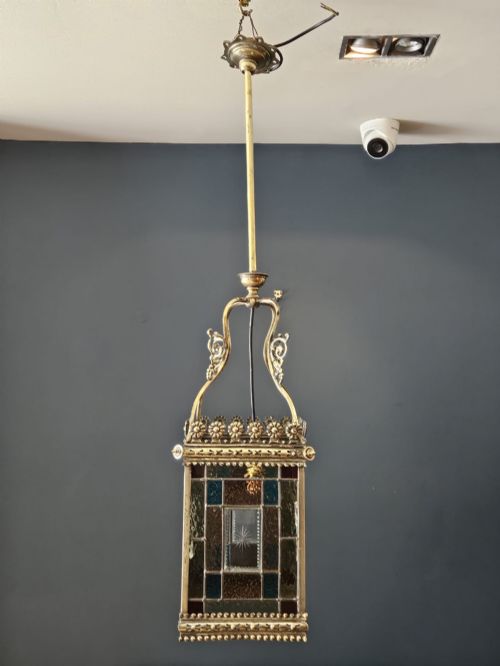
Metals form the structural skeleton of these lights, with brass, gilt bronze and wrought iron shaped through casting, hammering and soldering. Frames hold transparent, leaded, etched or hand-blown bullseye glass panes designed to diffuse the internal glow.
Makers utilised mechanical fixings such as hinged doors, ventilation caps and decorative screws to secure the glass within the metal framework. Surface finishes include polished brass, polychrome paint and applied gilding on bronze bases.
Some lantern doors still retain their tiny operational latches, designed so servants could reach inside to light the candles.
Markers of quality and craftsmanship
Superior examples reveal themselves through heavier gauge metals, crisper casting details in the bronze or brass, and hand-blown or heavily bevelled glass panels rather than thin modern replacements. The integrity of the original hanging loops, chains and internal candle sleeves indicates superior workshop output.
Proportion and decorative restraint divide ordinary production from exceptional work, where chased mounts, etched motifs and nuanced patination show the hand of skilled metalworkers and glass artisans.
The Antique Hall Ceiling Light Glossary
- Convex glass
- Curved glass panels that bulge outward, frequently seen in French hall lanterns to distribute light more broadly across a space.
- Lead glass
- Glass formed with lead oxide content, providing clarity and weight, often assembled using lead cames in geometric patterns.
- Bulls-eye glass
- Thick circular glass panes with a central pontil mark, originating from blown glass manufacturing and creating distorted light patterns.
- Gilt bronze
- Bronze metal treated with a thin layer of gold or gold-coloured alloy to impart a rich, reflective surface finish.
- Hexagonal
- A six-sided geometric form common in the construction of period hall lantern frames and glazing.
Antique Hall Ceiling Light: Frequently Asked Questions
How do I choose the right size hall light?
Consider both the ceiling height and the floor area of your entrance hall to maintain visual balance.
Larger multi-light fixtures require substantial clearance, while compact single-bulb lanterns suit lower ceilings and narrower passages.
Were these lights originally electrified?
Most surviving period hall lights from the Victorian era onward were adapted or originally wired for electricity, though some early examples held candles.
Conversion methods varied over the decades, meaning interior lamp holders often reflect later rewiring efforts.
How do I clean an antique brass lantern?
Dust the metal and glass gently with a soft dry cloth to prevent the accumulation of grime on delicate surfaces.
Avoid harsh chemical polishes that strip away the historical patination accumulated on the brass or bronze over generations.
Can I hang a heavy bronze lantern from a modern ceiling?
Substantial fixtures require proper ceiling joist support and appropriate metal fixings to bear the combined weight safely.
Consult a qualified electrician to assess load-bearing capacity before installation.