

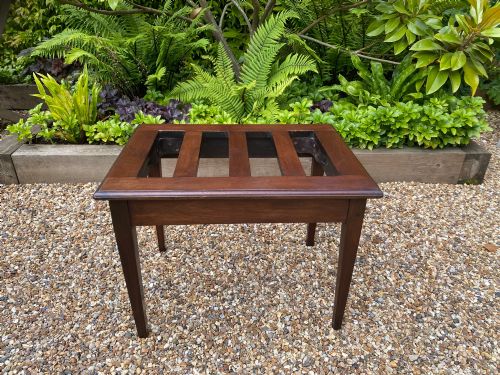
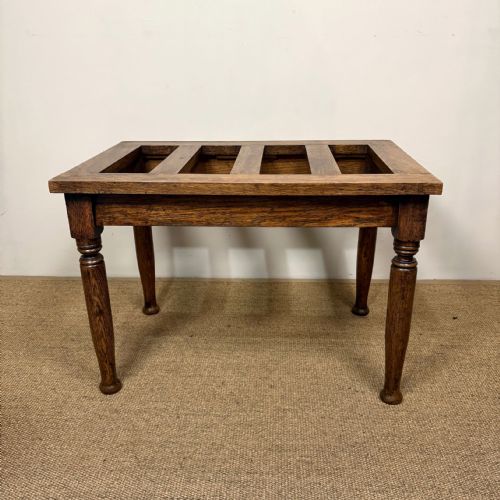


Antique Guest Room Stand
An antique guest room stand is a practical piece of bedroom furniture designed to hold a suitcase, and these examples bring traditional utility to the home.
Antique Guest Room Stand
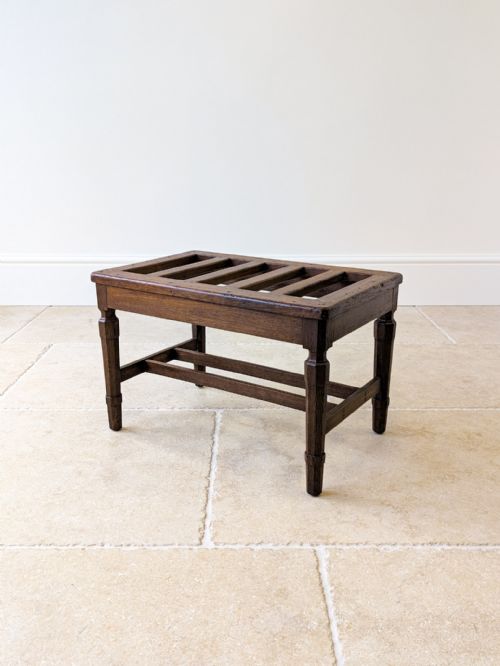
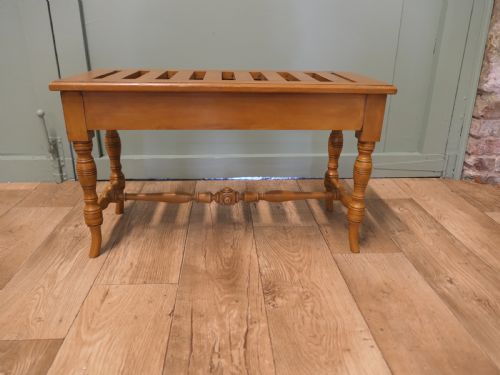
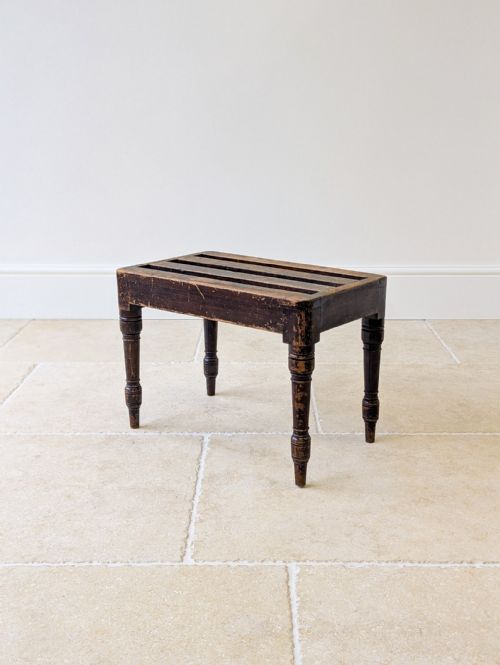
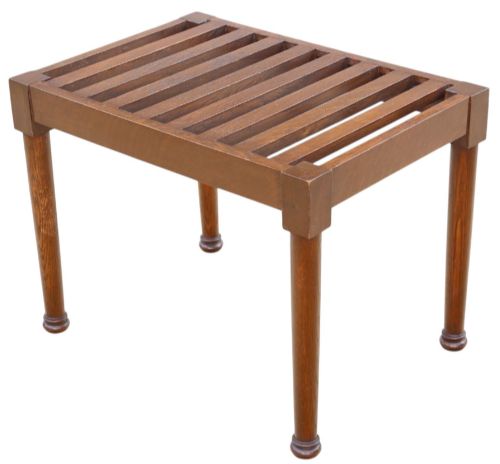
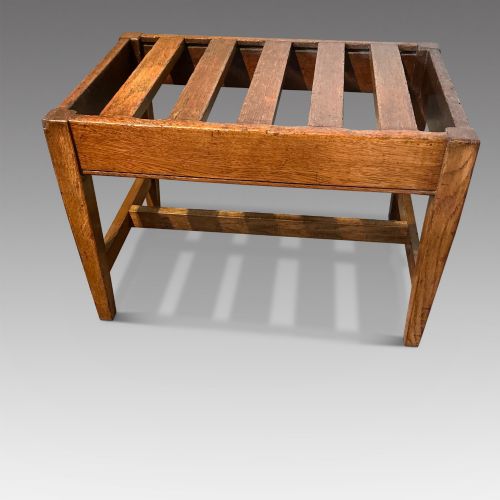
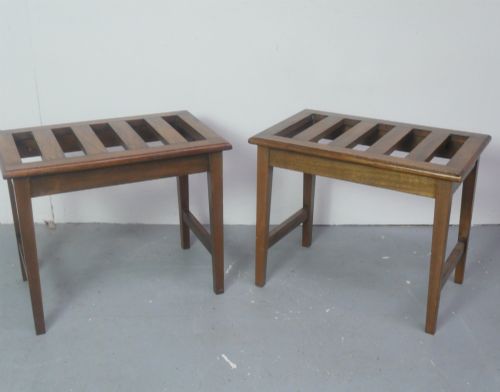
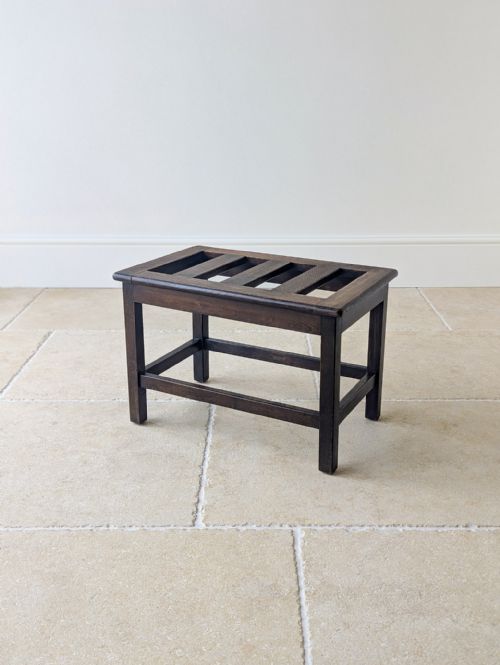
An antique guest room stand is primarily represented here by luggage stands and luggage racks from the nineteenth century, Victorian, and Edwardian periods. Buyers searching this phrase will find low folding or stationary frames designed to keep luggage off the floor.
The dominant forms on this page include oak and mahogany luggage stands, alongside examples in beech, walnut, yew wood, and painted pine. These pieces reflect English country, Arts and Crafts, and early twentieth-century design sensibilities.
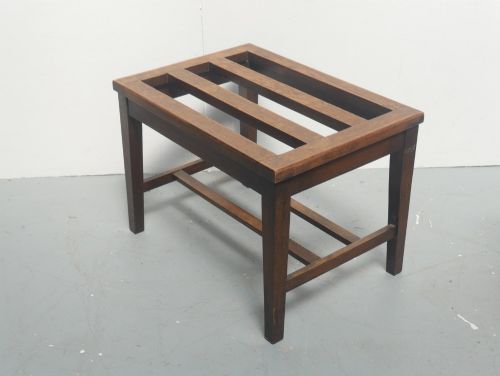
Victorian and Edwardian versions form the majority of the selection, often featuring slatted tops and robust stretcher bases. They offer a functional antique solution for spare bedrooms and modern dressing areas alike.
Materials and construction
Cabinet makers utilised hardwoods such as oak, mahogany, walnut, beech, and yew wood to build these stands, ensuring structural strength for heavy luggage. Softer woods like pine also appear, frequently finished with paint or stain.
Joinery techniques suited to folding and stationary frames allowed these stands to endure frequent use in domestic guest rooms. Slatted timber tops and reinforced legs provide the stability needed to support suitcases without warping.
Antique Guest Room Stand Retail Price Guide 2026
Typical asking prices for guest room stand among the pieces listed under this phrase on Sellingantiques today, from the lower quarter to the upper quarter. They describe what is for sale here now, not the wider market.
A sturdy yew wood frame proves that nineteenth-century guests travelled with serious weight on their minds.
Distinctions in quality
The choice of timber creates a clear distinction across the range, with dense hardwoods like figured mahogany and yew wood representing finer construction than stained pine. Selection of superior grain patterns elevates the appearance of simpler frames.
Maker attribution and decorative detail further differentiate the pieces, as seen in labeled workshop examples compared to anonymous utilitarian rack production. Refined turning on the legs and secure joint construction separate standard utilitarian items from better examples.
Brown and Lamont
The Antique Guest Room Stand Glossary
- Luggage stand
- A low piece of furniture designed to hold a suitcase at a convenient height for packing or unpacking. These stands are typically fitted with slatted tops.
- Stretcher
- A horizontal wooden rail connecting the legs of a stand to provide structural rigidity. They often appear near the base of nineteenth-century examples.
- Arts and Crafts
- A design movement valuing honest construction and natural materials, visible in golden oak racks from the late nineteenth century. This style prioritises plain utility over applied ornamentation.
- Edwardian
- A period of furniture production spanning the early twentieth century, characterised by lighter proportions and refined adaptations of earlier Victorian forms. Pieces from this era often employ oak or mahogany.
Antique Guest Room Stand: Frequently Asked Questions
What is an antique guest room stand used for?
These stands serve as elevated surfaces for luggage, allowing visitors to unpack without placing bags on the floor or bed.
In contemporary interiors, they function equally well in guest bedrooms, dressing rooms, or hallways as auxiliary display surfaces.
How do I identify a Victorian luggage stand?
Victorian examples are generally identified by denser timbers like mahogany or oak, combined with traditional period joinery and turned legs.
They often date from the nineteenth century and display heavier proportions than later Edwardian or mid-century alternatives.
Are these stands suitable for modern suitcases?
Most antique stands feature sturdy slatted timber tops designed to support considerable weight from historical travel trunks.
Modern luggage fits securely across the same rectangular dimensions, though buyers should verify specific surface widths for oversized modern cases.
What woods were commonly used?
Workshop production relied heavily on domestic and imported hardwoods including oak, mahogany, beech, walnut, and yew wood.
Softer woods like pine also appear, frequently finished with a stain or painted surface according to the style of the period.