

Antique Gueridon
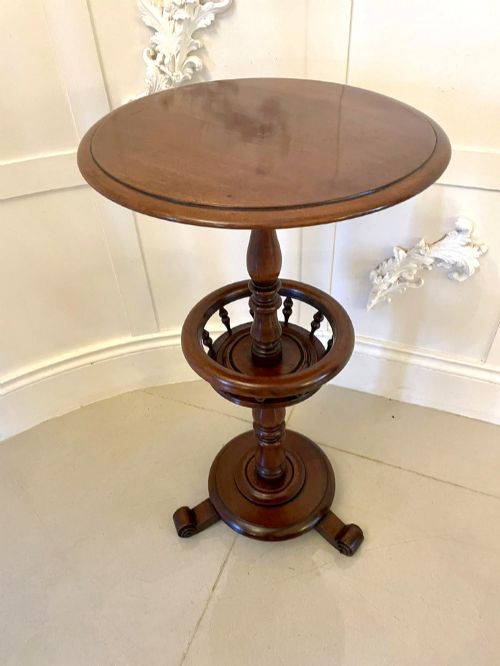
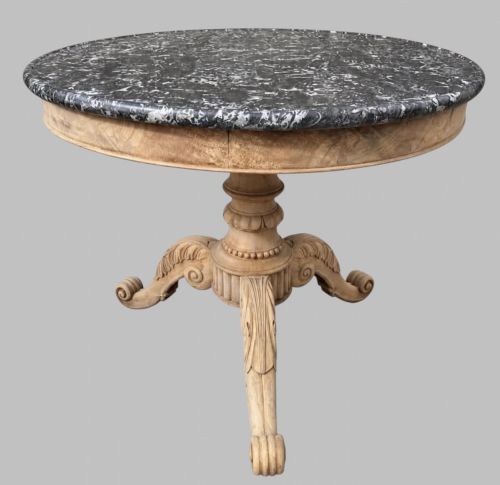
An antique gueridon brings a circular French table form into a room, serving as a lamp stand, centre table or pedestal for display.
Antique Gueridon
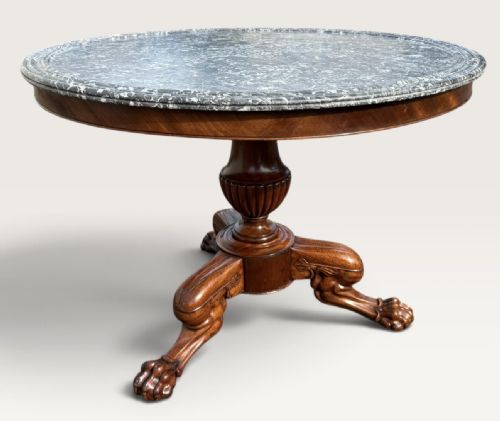
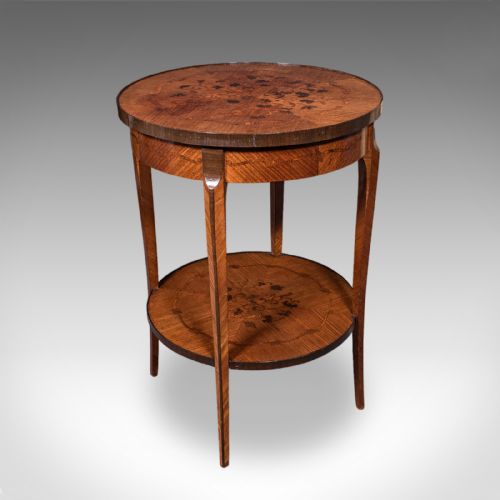
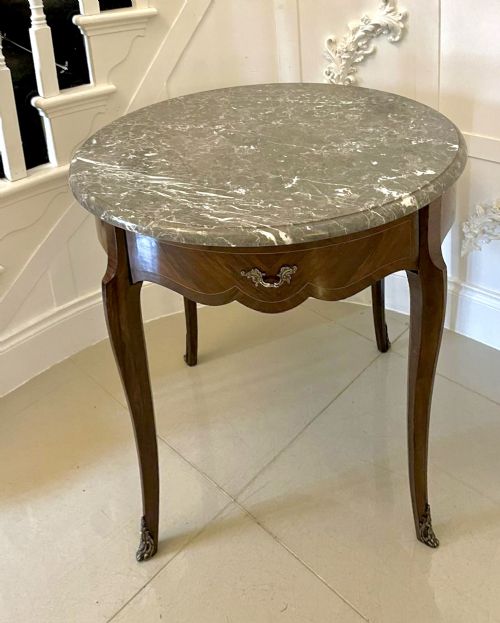
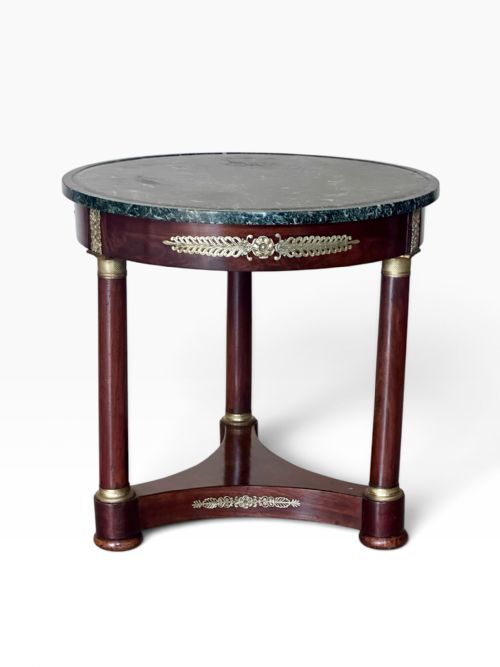
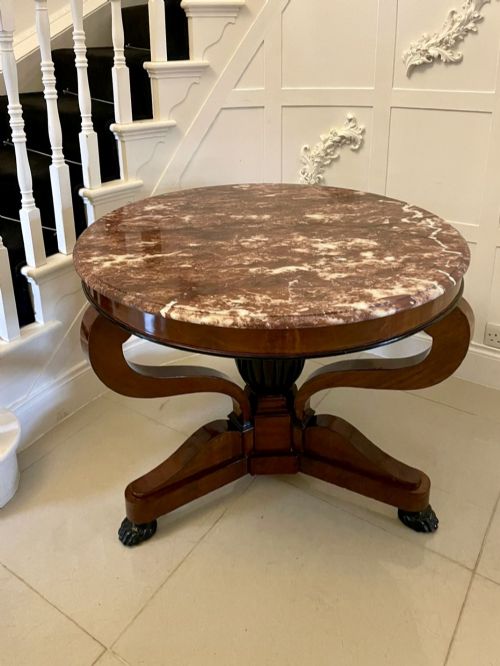
An antique gueridon is a circular table form originating in France, traditionally designed as a small stand or centre table. The pieces found here span the nineteenth century and early twentieth century, showing influences from the French Empire, Louis Philippe and Louis XV styles.
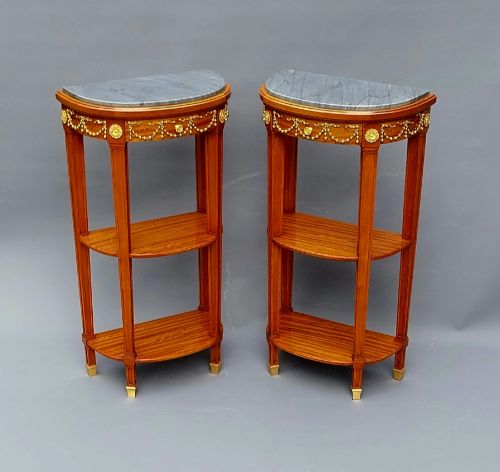
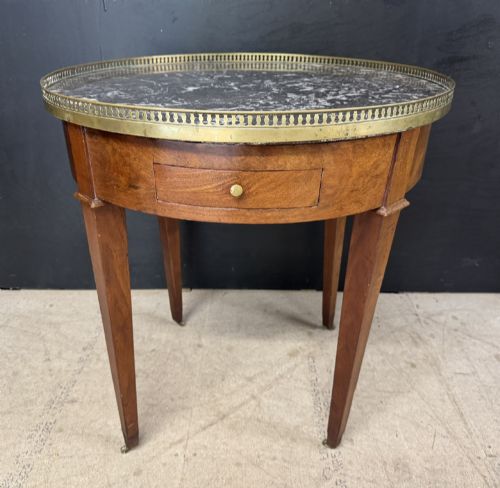
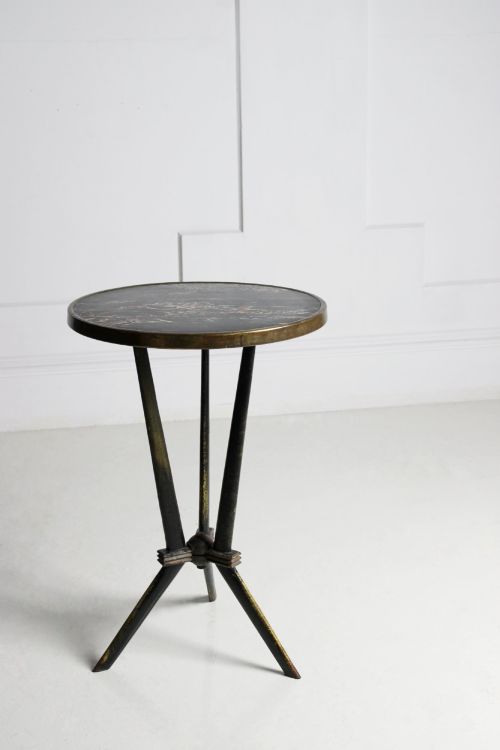
Buyers will most frequently meet mahogany and kingwood tables topped with marble or leather, often supported on central pedestals or tripod bases. Alongside standard centre tables, the selection includes occasional tables, plant stands, and demilune or bistro shapes.
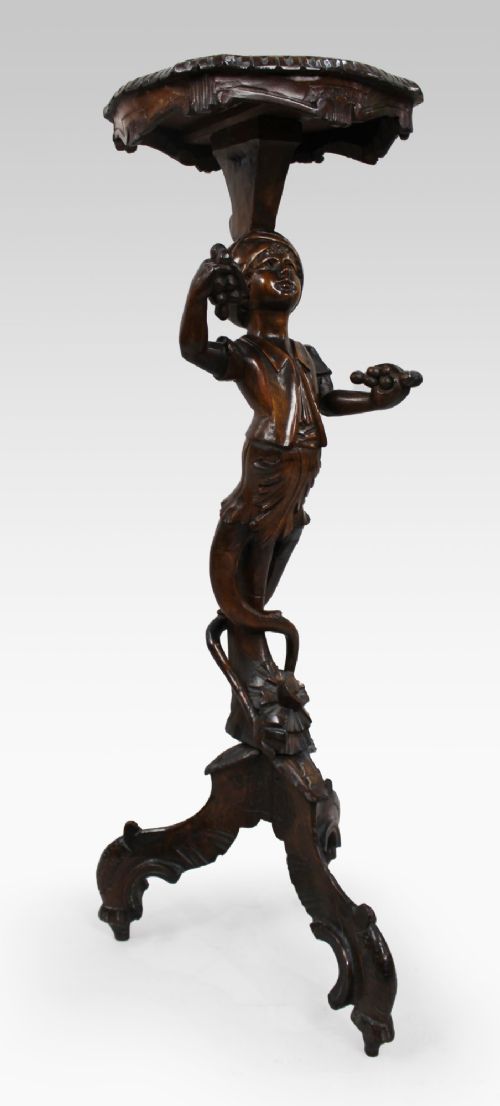
Origins stretch beyond France to Italy, Sweden and Britain, bringing variations in wood selection such as birch, walnut and oak. These tables function practically as lamp tables and side tables while retaining decorative presence in a room.
Materials and construction
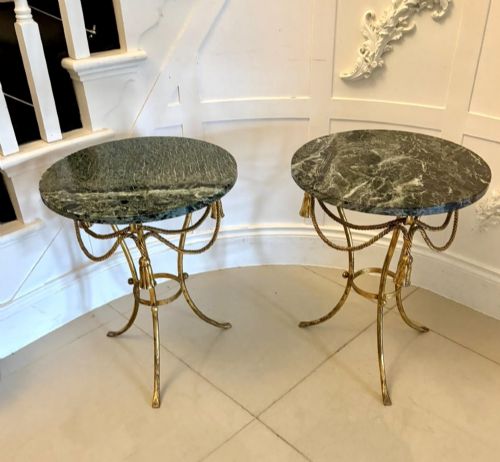
Cabinetmakers constructed these tables using dense timbers like mahogany, kingwood, walnut and birch, frequently applying veneers over secondary woods. Tops were routinely fitted with inset marble slabs, sometimes in grey, white or verde varieties, or surfaced with leather.
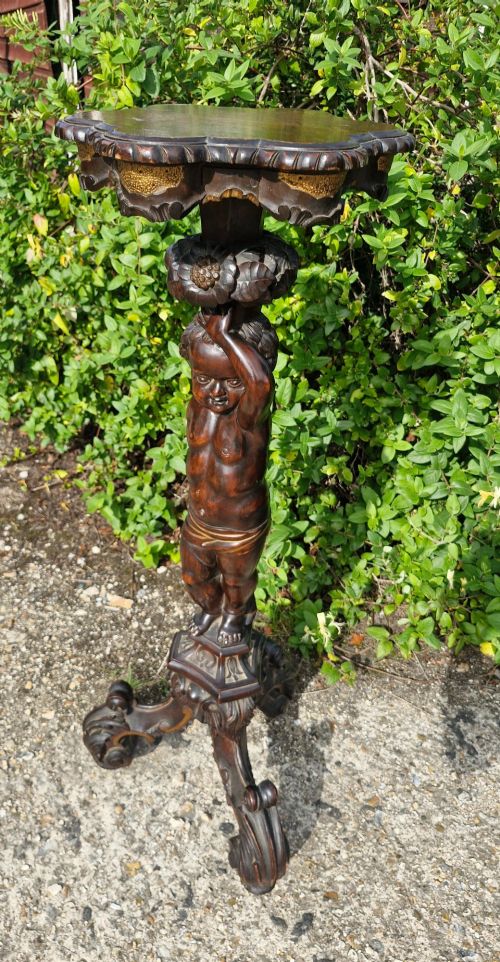
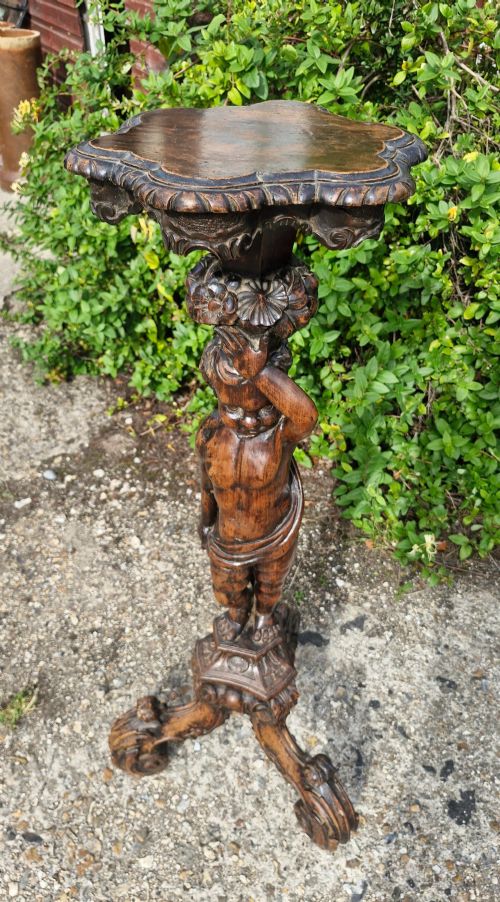
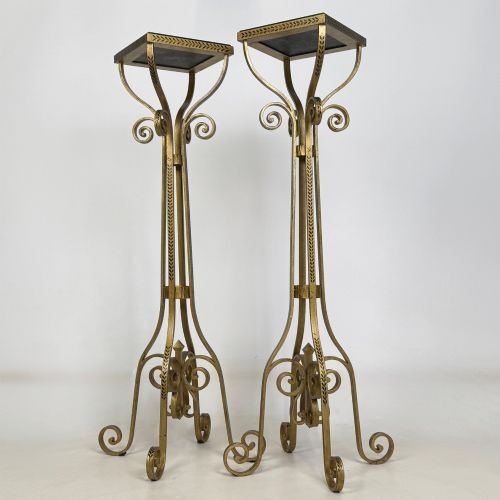
Metal components played a structural and decorative role, with cast brass, ormolu, gilt bronze and gilt metal mounts securing frames and accentuating pedestals. Carved wooden details, gilded wood and cast iron also appear across the nineteenth and early twentieth century examples.
Periods represented span from the Regency era through Victorian production to the Edwardian period.
Distinctions in quality
Quality rests in the precision of the timber matching and the execution of the carving, particularly on the central pedestals and tripod legs. Finer examples display crisply cast bronze or ormolu mounts that integrate cleanly with the mahogany or kingwood carcasses.
The choice and thickness of the fitted marble top signal the grade of the piece, with heavier veined or specimen marble slabs indicating superior manufacture. Inlaid marquetry and documented cabinetmaker attribution elevate the standard of construction.
François Linke·L.Martin of Paris·A Hugnet Paris
The Antique Gueridon Glossary
- Gueridon
- A small French circular table or stand, typically raised on a central pillar or tripod base.
- Ormolu
- Gilt bronze mounts applied to furniture for decoration, cast and chased with fine detail.
- Demilune
- Half-moon shaped furniture designed to sit flat against a wall as a console or side table.
- Kingwood
- A dense, richly grained exotic timber used extensively for decorative veneering in French cabinetmaking.
- Jardiniere
- A decorative stand or container intended to hold plants or flowers indoors.
Antique Gueridon: Frequently Asked Questions
Where do I place an antique gueridon?
These tables suit hallways as central display surfaces or sit beside seating as lamp and occasional tables. Their compact circular footprints allow them to occupy corners or anchor the middle of smaller rooms.
Larger variations function effectively as centre tables beneath a ceiling light, while marble-topped variants resist marking from drinks or decorative objects.
How do I care for a marble top?
Marble surfaces require regular dusting with a soft, dry cloth to prevent accumulation of grit. Acidic liquids like wine or citrus juice can etch the stone and should be wiped away immediately.
Applying a neutral stone wax periodically helps protect the polish without sealing moisture into the natural material.
What is the difference between an occasional table and a gueridon?
An occasional table is a general English term for any small table moved about a room for specific tasks. A gueridon specifically denotes the French circular form, traditionally featuring a single central pedestal or column.
While many gueridons function as occasional tables, their stylistic vocabulary stems directly from continental design traditions.
How do I identify French Empire style?
French Empire pieces display classical motifs influenced by ancient Rome and Greece, including bronze mounts, winged figures, and paw feet. Timbers like mahogany predominate, often contrasted against bright ormolu accents.
Proportions remain architectural and sturdy, reflecting the aesthetic preferences of the early nineteenth century.