


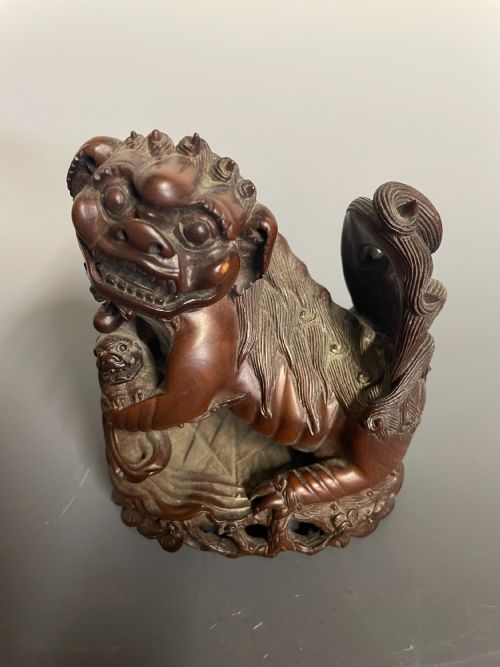


Antique Guardian Lions
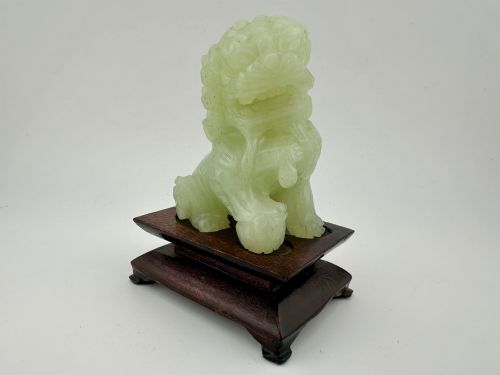
Antique guardian lions bring centuries of mythological protection and sculptural presence into a room, spanning bronze, pottery, jade and wood.
Antique Guardian Lions
When you search for antique guardian lions, you enter a tradition of protective temple figures that crosses continents and centuries. These sculptures take the form of mythical beasts, often called foo dogs or shishi, designed to guard thresholds, altars and important spaces.
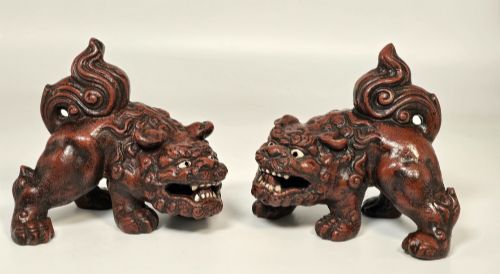
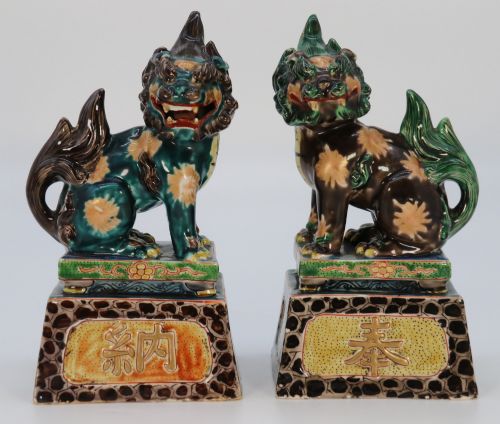
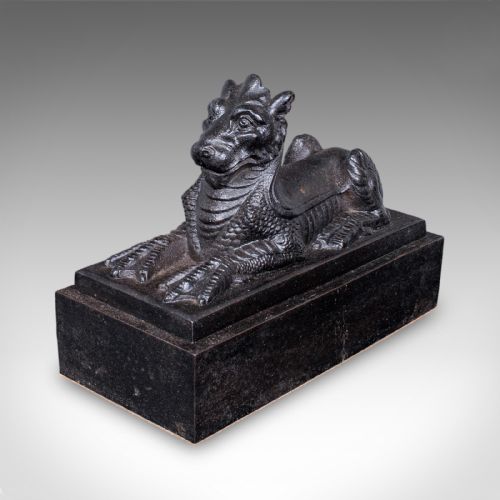
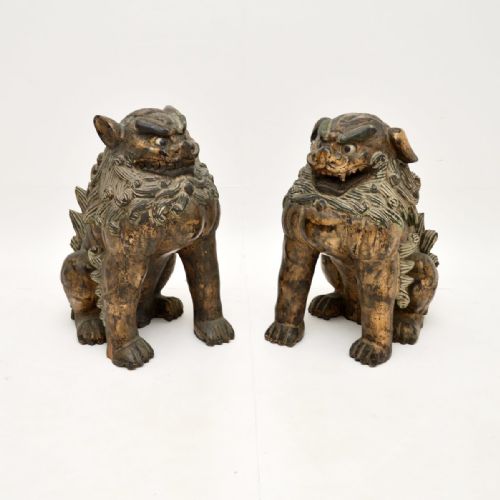
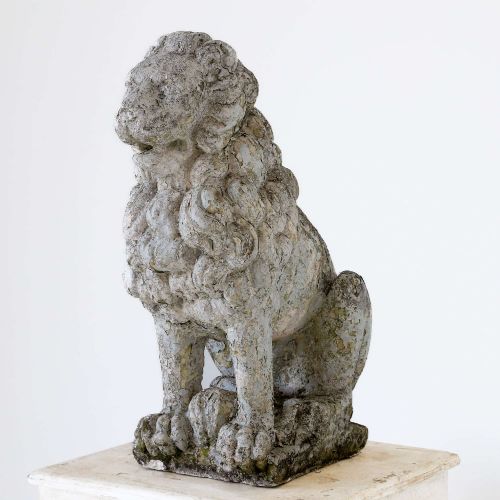
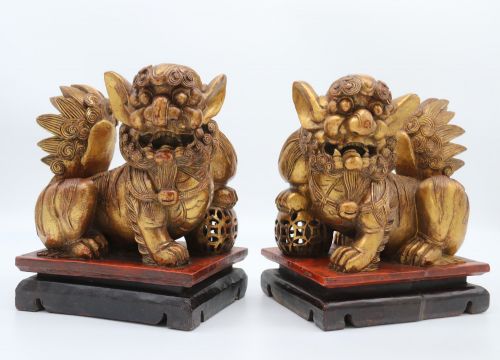
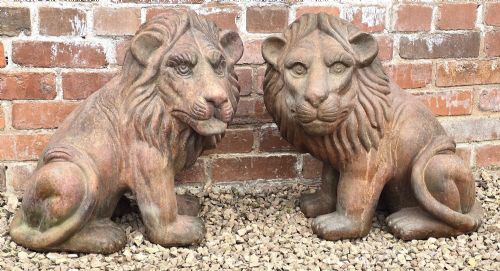
The pieces on this page appear in various incarnations, from traditional Chinese pottery and carved wood figures to Japanese porcelain models and European interpretations such as French cast iron and English iron doorstops. Pairs predominate, reflecting their traditional placement flanking entrances or sacred objects.
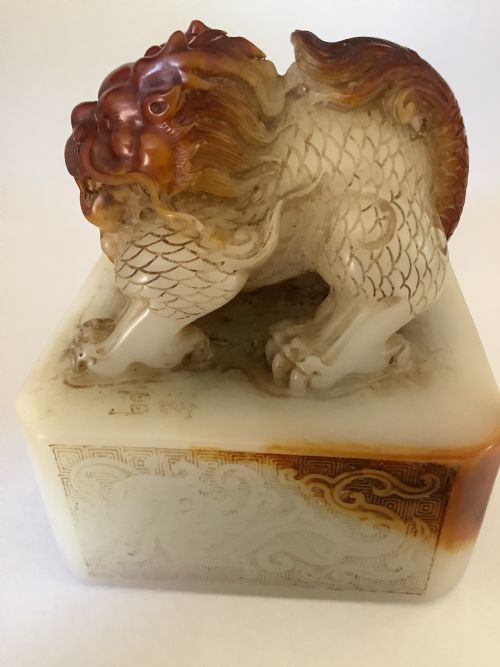
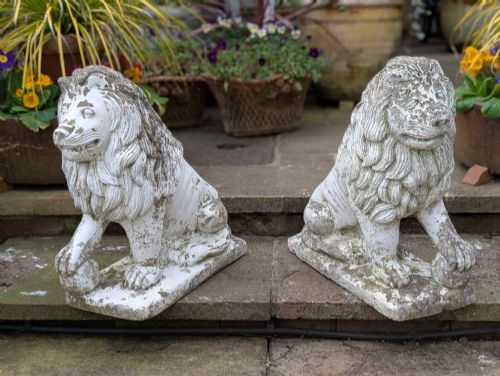
Origins stretch from the eighteenth century through the Victorian era and the twentieth century, taking shape as freestanding garden statues, small desk seals, bookends and temple incense burners. Materiality shifts fluidly between Asian ceramics, bronzes, soapstone and Western terracotta or stone.
Materials and methods
Metal casting forms a significant pillar of these works, utilising bronze, brass and iron poured into moulds or finished with gilt surfaces. Bronze temple lions display heavy construction and detailed chasing, while cast iron versions offer rugged utility for doorstops and architectural hardware.
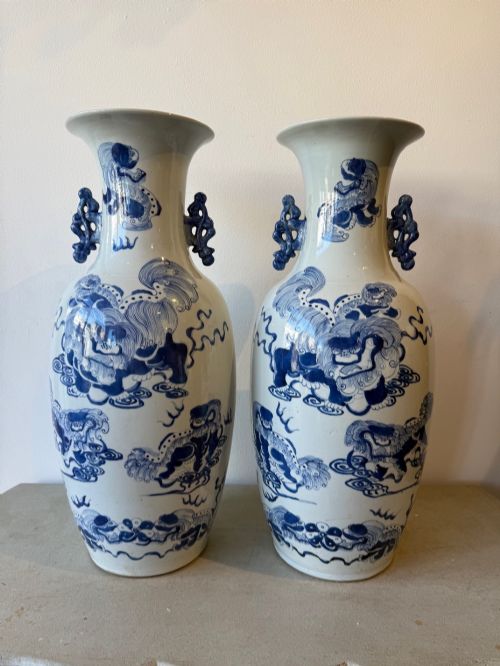
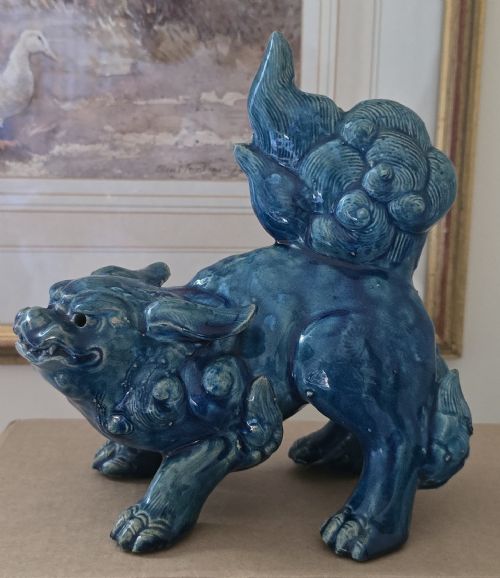
Ceramic production relies on throwing, moulding and glazing, incorporating blue and white pigments, turquoise glazes, enamel colours and terracotta. Stoneware and porcelain pieces undergo high-temperature firing to fix the vitreous coatings that preserve the surface over generations.
Antique Guardian Lions Retail Price Guide 2026
Typical asking prices for guardian lions among the pieces listed under this phrase on Sellingantiques today, from the lower quarter to the upper quarter. They describe what is for sale here now, not the wider market.
Listings feature guardian lions executed in bronze, jade, porcelain, wood, iron and terracotta across the nineteenth and twentieth centuries.
Judging quality and execution
Quality rests upon the crispness of the carving or the precision of the cast, distinguishing master workmanship from mass production. Superior pieces exhibit spirited anatomical movement, balanced proportions and deep relief in the rendering of fur and claws.
The integrity of the material surface dictates value, whether through the preservation of original old paint, the natural patina on ancient bronze, or the subtlety of a turquoise glaze. Wear should align organically with age rather than compromise the structural stability of the sculpture.
Unno Shomin
The Antique Guardian Lions Glossary
- Foo dog
- A Western term for Chinese guardian lions, which are actually modelled on lions rather than domestic canines. They traditionally appear paired as male and female guards.
- Shishi
- The Japanese term for a Buddhist lion or guardian dog. These figures often share stylistic roots with Chinese prototypes but develop distinct regional characteristics.
- Okimono
- A Japanese decorative object intended for display on a shelf or in a tokonoma alcove. These small sculptures prioritise intricate detail and artistic expression.
- Shiwan
- A type of Chinese pottery associated with the kilns in Guangdong province. These ceramic figures often feature distinctive glaze effects and expressive modelling.
- Buddhistic lion
- Alternative terminology for temple guardians linked to Buddhist iconography. They symbolise royal majesty and protection against evil spirits.
Antique Guardian Lions: Frequently Asked Questions
What is the difference between a foo dog and a guardian lion?
There is no actual difference, as foo dog is simply the common Western colloquialism for traditional Chinese guardian lions. Both terms describe the same mythological temple protectors.
Traditional Asian art historically depicts these creatures as lions rather than dogs, despite the popular Western name persisting among collectors.
How were antique guardian lions used in historical homes?
In their regions of origin, pairs stood outside temple gates, imperial palaces and elite residences to ward off harmful spirits. Smaller versions served similar protective roles inside domestic spaces.
Western interpretations adapted the motif into practical household objects such as heavy doorstops, bookends and desk seals while retaining the decorative grandeur.
Where should I place a pair of guardian lions in a room?
Traditional placement involves positioning a pair facing outward near an entrance, fireplace or mantelpiece to symbolise guardianship. Symmetrical arrangements on pedestals or tabletops highlight their sculptural symmetry.
Smaller desk accessories and bookends integrate easily into library shelving or office workspaces where their detailed carvings can be appreciated closely.
How do I distinguish between Chinese and Japanese guardian lion figures?
Chinese guardian lions often feature robust proportions, intricate curly manes and specific attributes like a brocade ball or a cub beneath a paw. Japanese shishi figures, influenced by the Meiji and Edo periods, frequently display sleeker musculature and distinct facial styling.
Glazes and materials also offer clues, with Japanese works frequently utilising Kutani enamels, Hirado porcelains or specialised metalwork techniques.