



Antique Griffin Carving
These pieces of antique griffin carving bring mythological presence into a room, rendered in timber, metal and stone across several centuries.
Antique Griffin Carving
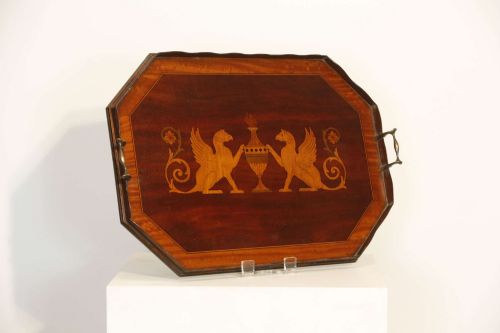
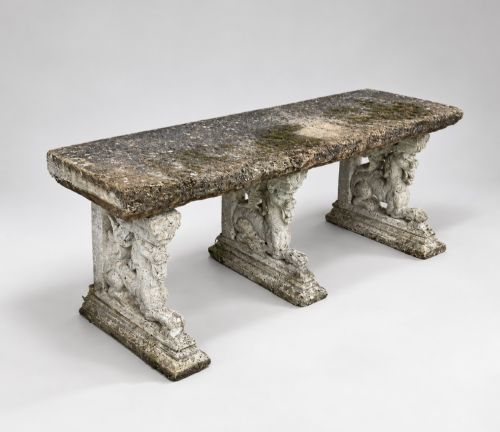
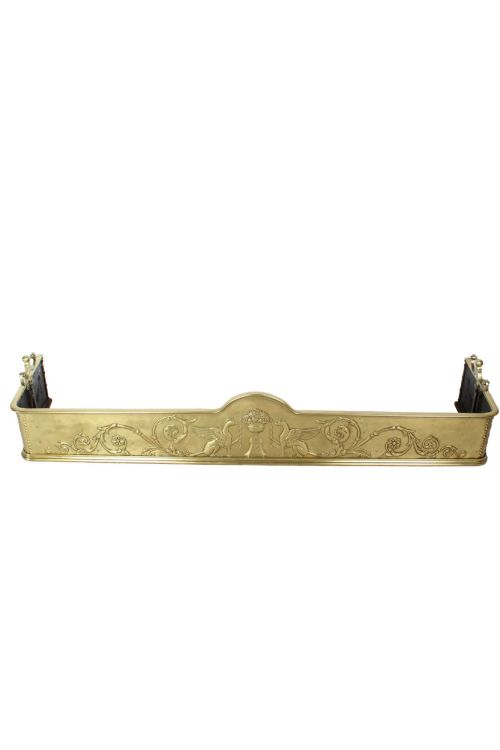
When you search for antique griffin carving, you encounter winged beasts and chimera appearing across furniture terminals, fireplace fenders, wall sculptures and jewellery. These mythological creatures serve both structural and decorative roles, carved into dense timbers or cast in brass and gold.
The pieces on this page span the eighteenth, nineteenth and twentieth centuries, reflecting changing stylistic revivals from Regency and William IV to Gothic Revival and Art Nouveau. You are most likely to meet oak and mahogany architectural fragments or furniture mounts, alongside occasional cast metal and jewellery forms.
Originating from British, French and Italian workshops, these carvings range from substantial console tables and sideboards to diminutive charms and framed wall panels. Each object uses the half-lion, half-eagle motif to project strength, guardianship and classical authority.
How they were made
Carvers shaped these creatures using seasoned hardwoods such as oak, mahogany, walnut and flame mahogany, utilising chisels and gouges to define the feathered wings and muscular leonine torsos. Grain direction dictated the depth of relief, particularly on terminals and plinths where structural integrity mattered.
Metalworkers employed casting techniques for brass fireplace fenders and eighteen karat yellow gold pendants, sometimes combining chased surface details with inlaid ruby eyes. Stone and wood combinations appear in Pietra Dura inlaid tables and gilded wood frames, uniting diverse material traditions.
Antique Griffin Carving Retail Price Guide 2026
Typical asking prices for griffin carving among the pieces listed under this phrase on Sellingantiques today, from the lower quarter to the upper quarter. They describe what is for sale here now, not the wider market.
The furniture forms span tables, desks, and sideboards alongside decorative items such as pendants, fenders, and wall sculptures.
What varies in quality
The distinction between ordinary and superior work lies in the anatomical precision of the carving, where master carvers capture tension in the sinews and individual feather layering rather than soft, generalized contours. Proportions remain balanced, and the integration of the creature into the furniture form appears deliberate rather than tacked on.
Material selection further defines the hierarchy, with figured burr oak, dense walnut and heavy cast brass showing greater durability and depth than lesser secondary timbers. Surface patination, crispness of undercut details and the retention of original finish without excessive sanding separate workshop pieces from mass production.
Jean Joseph Chapuis·Luigi Frullini
The Antique Griffin Carving Glossary
- Pietra Dura
- An inlay technique using cut and fitted polished coloured stones to create pictorial designs on tabletops and plaques. This method requires extreme precision from the lapidary artisan.
- Terminals
- Architectural or furniture supports that taper downward, often ending in a bust, figure or mythological beast like a griffin. They provide both weight-bearing strength and visual closure.
- Torchere
- A tall decorative stand or pedestal designed to hold a light, candle or plant urn. Carved griffin figures frequently support the platform of these stands.
- Partners Desk
- A large double-sided desk designed for two people to work opposite one another, often featuring pedestals embellished with fine timber carvings. They date prominently to the Georgian and Regency periods.
Antique Griffin Carving: Frequently Asked Questions
What is an antique griffin carving?
An antique griffin carving is a decorative or structural element shaped into the likeness of the mythical beast, combining the body of a lion with the head and wings of an eagle.
These pieces appear on nineteenth-century furniture, architectural terminals, and fireplace fenders, serving as symbols of guardianship and classical power.
How do I date an antique griffin carving?
Dating relies upon identifying the prevailing stylistic period of the piece, such as Regency, Gothic Revival, or Art Nouveau, along with the characteristics of the wood or metal.
Tool marks, timber species, and construction methods provide physical evidence that aligns with the documented eras of the makers and workshops.
Where were griffin carvings placed in a room?
In historical interiors, these carvings functioned as furniture supports on sideboards, partners desks, and centre tables, or stood independently as wall sculptures and torchere stands.
They also guarded hearths as brass fireplace fenders or appeared in intimate forms as gold jewellery charms.
How should I care for carved wooden griffins?
Wooden carvings require stable indoor humidity and protection from direct sunlight to prevent the timber from drying out, splitting, or fading the historic patina.
Regular dusting with a soft, dry cloth preserves the fine chisel work without introducing moisture or chemical polishes that damage aged finishes.