



Antique Green Table
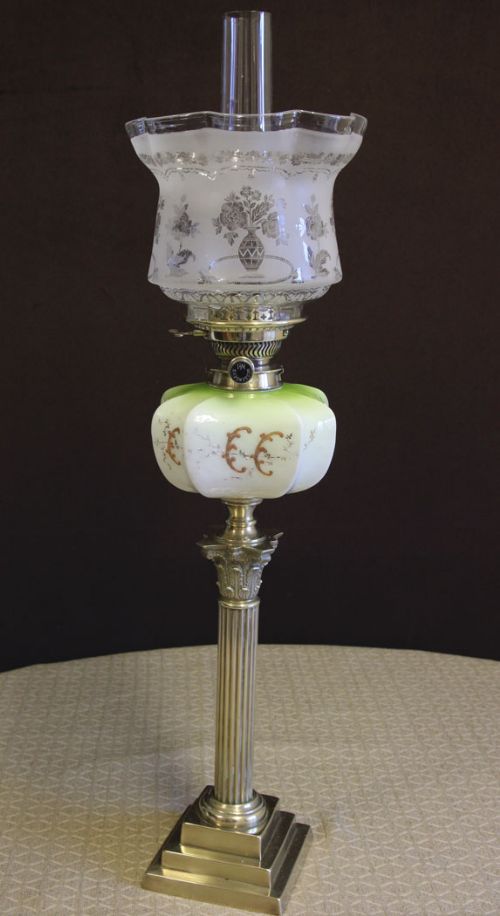
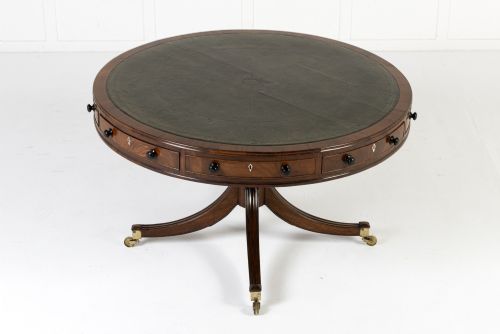
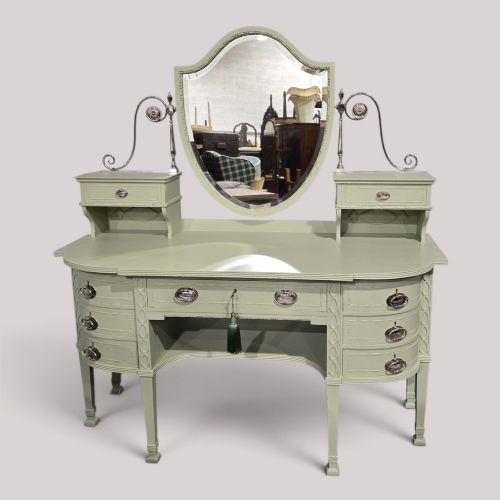
When you search for an antique green table, you find a varied mix of side tables, desks, and lamp tables incorporating distinct green tones.
Antique Green Table
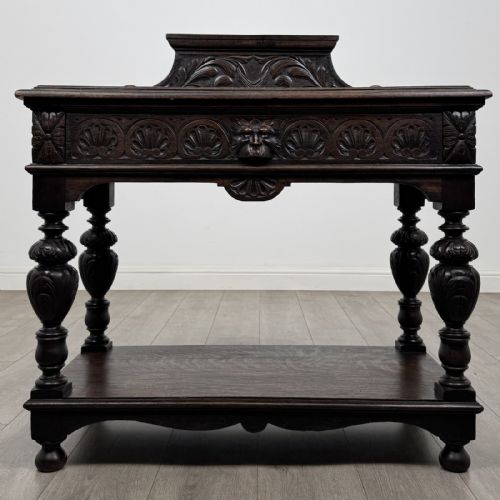
An antique green table encompasses diverse forms ranging from Victorian carved oak side tables featuring green man masks to Italian gilt metal tables with verde marble tops. Buyers will also encounter garden tables, writing desks, and occasional tables that incorporate green glass, ceramic, or marble elements.
The selection heavily spans the nineteenth and early twentieth centuries, including Victorian, Edwardian, Arts and Crafts, and Art Deco periods. Many examples originate from English and French workshops, utilising woods like mahogany, walnut, and oak alongside decorative metalwork.
Materials and construction
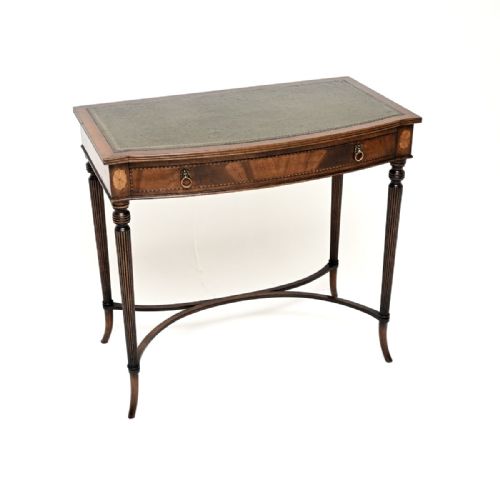
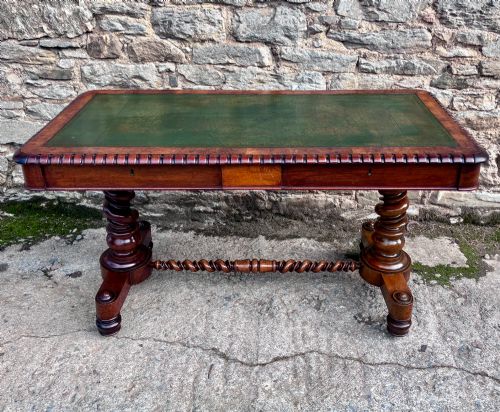
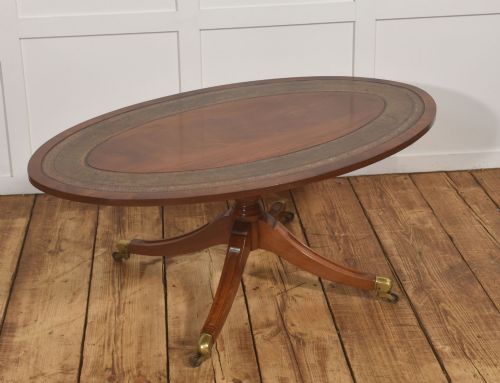
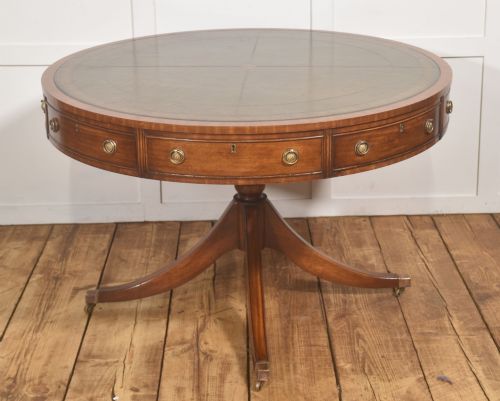
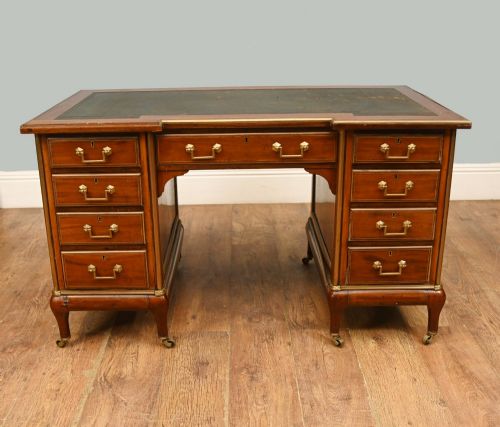
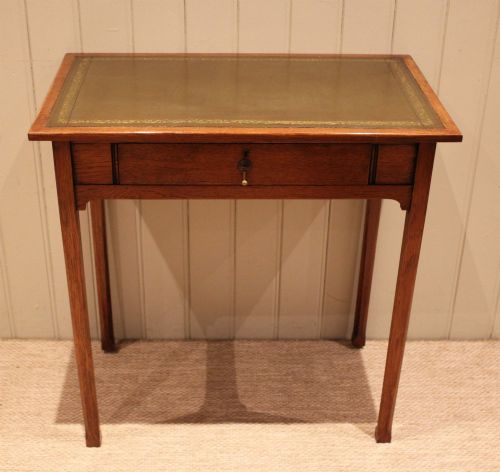
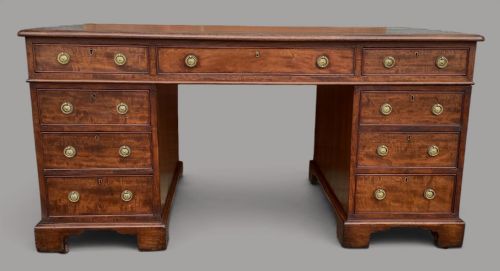
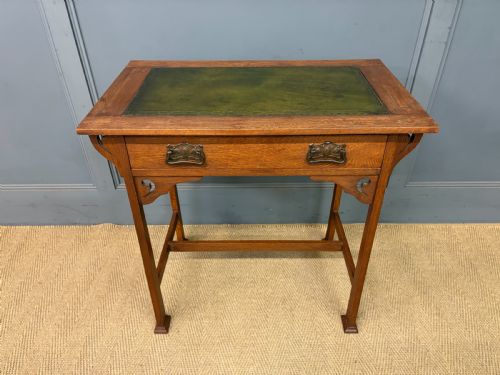
Makers utilised solid timbers such as mahogany, walnut, oak, and kingwood for structural forms, often applying marquetry, parquetry, or carved details like the prominent green man masks. Desks and writing tables frequently incorporate inset leather writing surfaces.
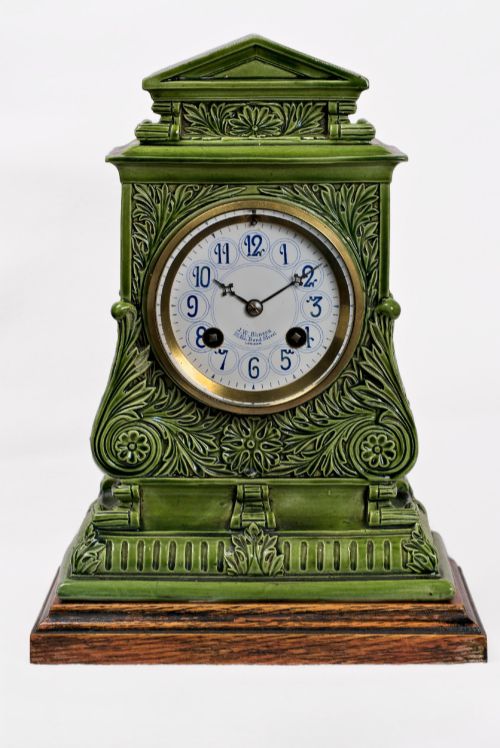
Decorative elements involve brass, ormolu, gilt metal, and cast iron mounts paired with materials exhibiting green colouration, including verde marble, glazed pottery, vaseline glass, and celadon porcelain.
Antique Green Table Retail Price Guide 2026
Typical asking prices for green table among the pieces listed under this phrase on Sellingantiques today, from the lower quarter to the upper quarter. They describe what is for sale here now, not the wider market.
Keep an eye out for the fierce green man mask glaring from a Victorian oak side table.
Separating the top of the range
Quality rests upon the selection of timber veneers, such as burr walnut or birdseye maple, and the precision of marquetry inlay work. Superior items display crisp, deeply articulated carving, particularly on figural motifs and decorative masks.
The integration of materials dictates distinction, notably where gilt bronze, ormolu, or brass mounts are cast and chased with refinement rather than cast plainly. Original fittings, matching hardware, and robust secondary timbers elevate a piece.
Howard and Sons·Maple and Co·Liberty London
The Antique Green Table Glossary
- Ormolu
- Gilt bronze mounts applied to furniture. This technique involves gilding a finely cast bronze object with powdered gold amalgam.
- Parquetry
- Geometric mosaic woodwork used for surface decoration. Small pieces of veneer are arranged in repeating patterns on tabletops.
- Verde marble
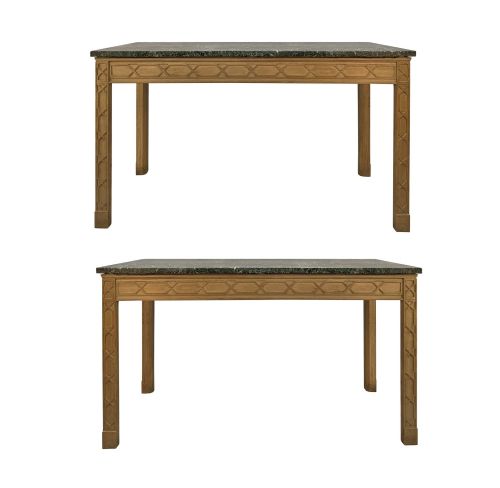
- A dark green decorative stone containing serpentine veins. It appears frequently on the tops of Italian and French tables.
- Pedestal desk
- A heavy writing desk built with two supporting pedestals of drawers. These often feature inset leather panels on the writing surface.
Antique Green Table: Frequently Asked Questions
What defines an antique green table?
These pieces include side tables, desks, and lamp tables that incorporate green elements such as marble tops, glazed ceramic bodies, or tinted glass. They span various historical periods from the eighteenth century through to the Art Deco era.
They reflect diverse stylistic movements including Arts and Crafts, French Empire, and Victorian design, utilising both native and exotic timbers.
How do I identify the period of a desk?
Period identification relies on examining construction methods, timber choices, and hardware styles. Nineteenth-century examples often feature solid mahogany or walnut with hand-cut dovetails in the drawers.
Later pieces from the Edwardian and Art Deco eras introduce lighter oaks, different joinery techniques, and distinct decorative mounts made of brass or wrought iron.
Where were these tables used originally?
Writing tables and pedestal desks served in studies, libraries, and formal offices for correspondence and administration. Side tables and occasional tables functioned in drawing rooms to hold lamps, decorative objects, or books.
Garden tables and cast iron pub tables were manufactured specifically for outdoor terraces, courtyards, and social gathering spaces.
How should I care for wooden surfaces?
Maintain timber surfaces by dusting regularly with a soft, dry cloth and avoiding placement near direct heat sources or strong sunlight. Periodic application of appropriate wax preserves the finish without building up excessive residue.
Protect marble and leather inserts from moisture and spills by using coasters and blotting liquids immediately if accidents occur.