

Antique Green Furniture
Antique green furniture brings painted folk finishes, vibrant interiors and rich upholstery into living spaces through pieces spanning multiple centuries.
Antique Green Furniture
Antique green furniture encompasses a diverse selection of practical household items, ranging from seating and desks to storage cabinets.
Buyers encounter pieces originating from the eighteenth, nineteenth and early twentieth centuries, reflecting styles such as Georgian, Victorian, Edwardian and Arts and Crafts.
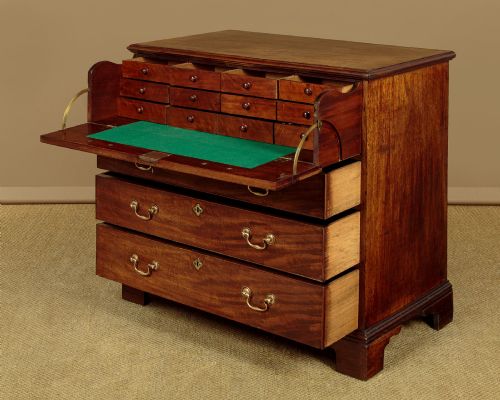
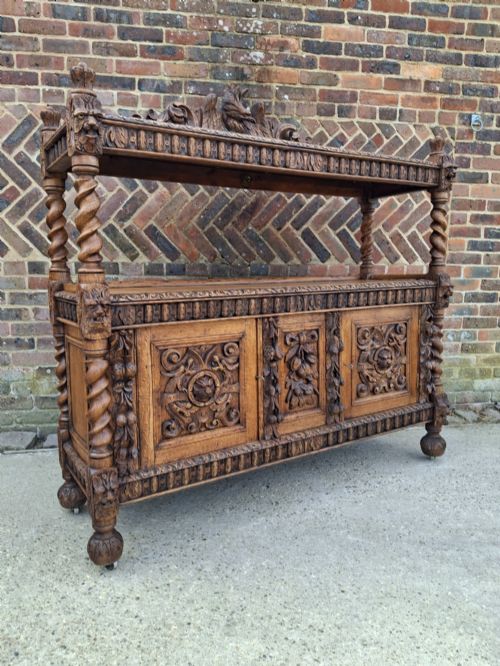
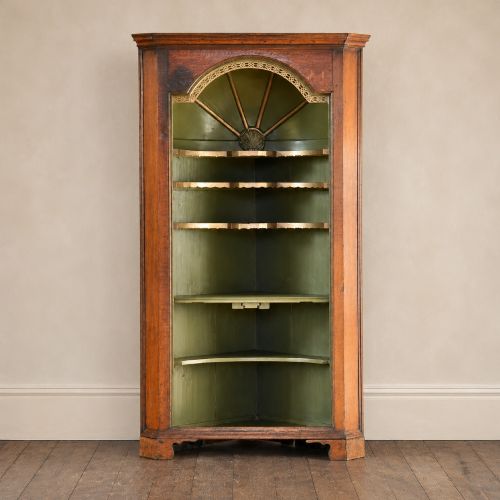
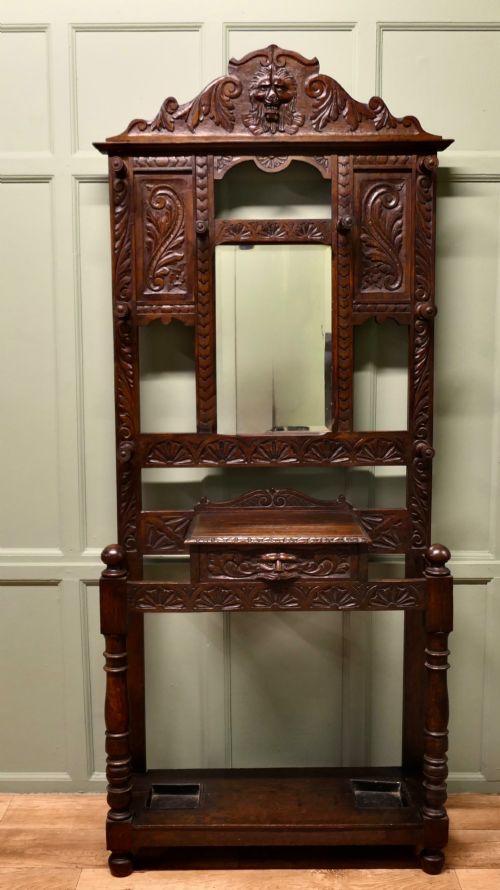
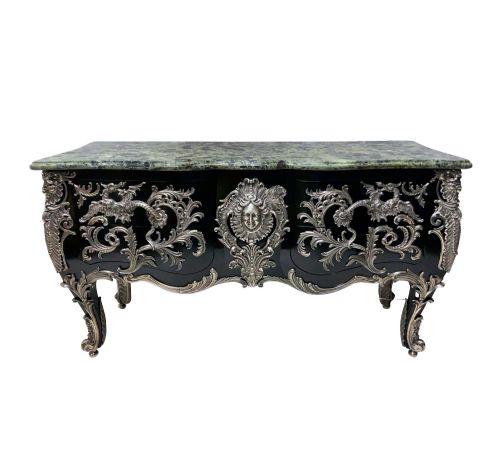
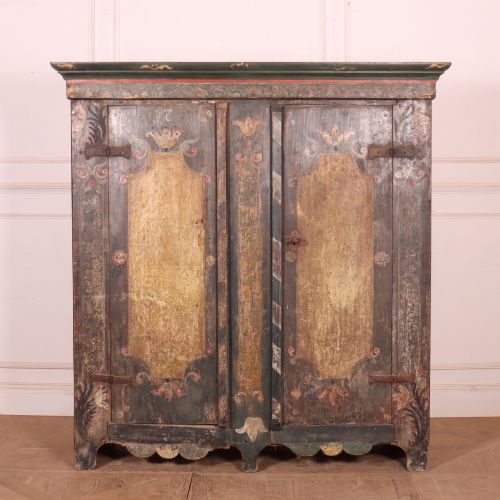
Common forms include display cabinets with contrasting interiors, folk art cupboards, painted benches and carved seating bearing distinctive green man motifs.
Materials and construction
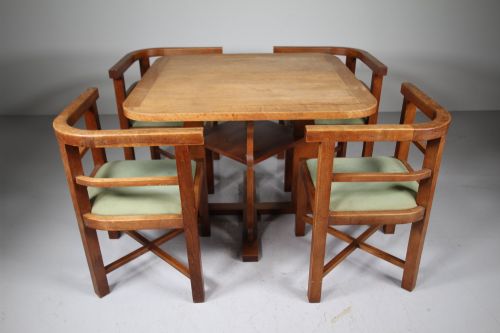
Items are constructed from various timbers including mahogany, walnut, oak, satinwood and pine, often paired with secondary woods and applied decorative veneers like kingwood and birdseye maple.
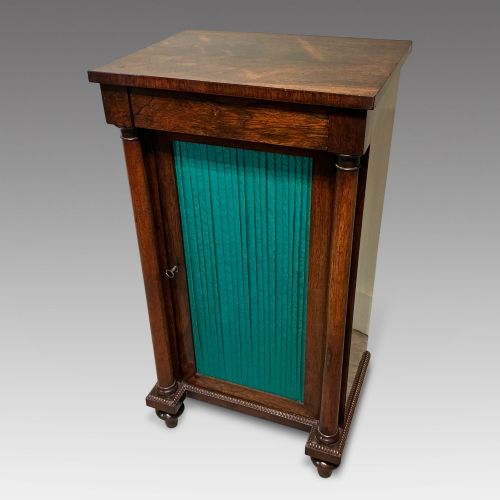
Surface treatments involve hand-applied paint, traditional clear polishes, ebonisation and gilding, complemented by upholstery in leather, velvet and fabric.
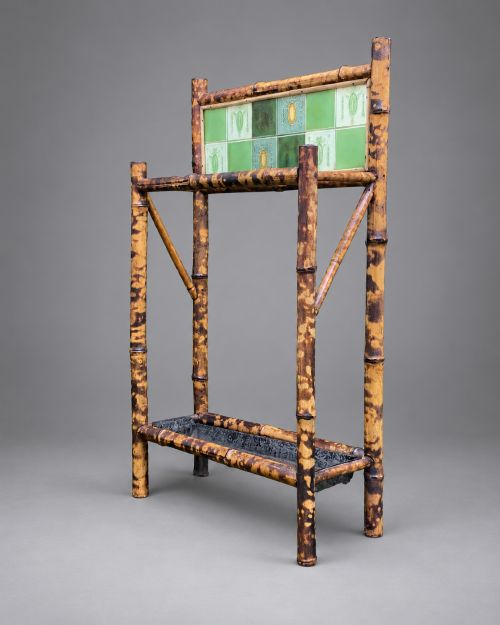
Structural elements incorporate ironwork details, such as in cast iron garden benches and pub tables, alongside marquetry inlay and carved ornamentation.
Antique Green Furniture Retail Price Guide 2026
Typical asking prices for green furniture among the pieces listed under this phrase on Sellingantiques today, from the lower quarter to the upper quarter. They describe what is for sale here now, not the wider market.
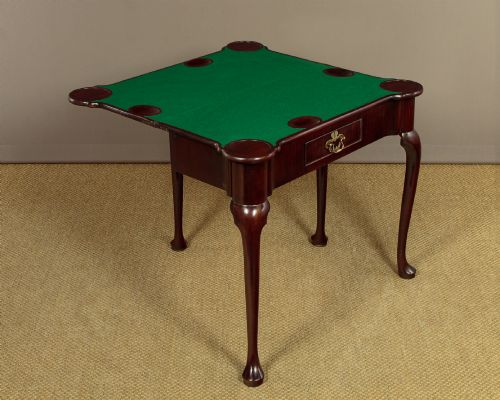
The selection includes diverse forms such as Davenport desks, envelope card tables, chiffoniers and folk art cupboards.
Judging execution and preservation
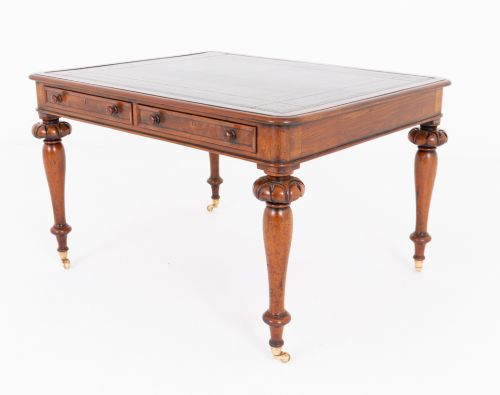
Quality separates through the crispness of carved details, such as the depth of green man grotesques, and the precision of marquetry inlay on writing tables.
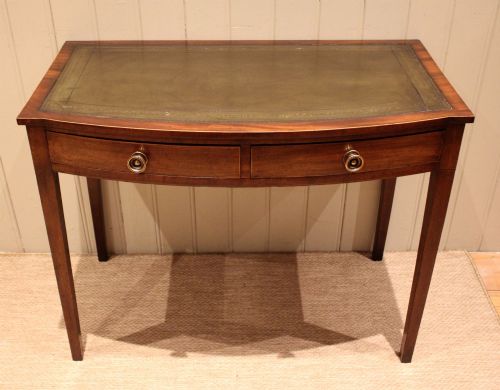
Originality of surface finishes, including untouched folk paint and patinated leather writing inserts, distinguishes superior examples from heavily restored alternatives.
Structural integrity relies upon solid timber construction, well-fitted drawers and original hardware rather than purely cosmetic updates.
Bowman Brothers·Shapland & Petter·Jacob-Desmalter
The Antique Green Furniture Glossary
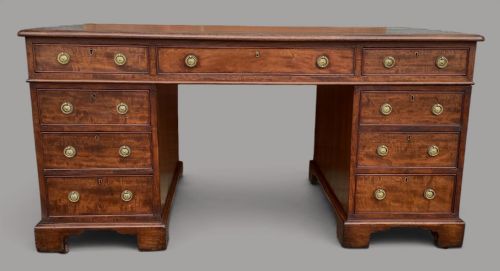
- Partners desk
- A large double-sided desk designed for two people to work opposite one another, typically featuring drawers and cupboards on both elevations.
- Marquetry
- Decorative veneer work arranged in intricate patterns or pictures using various contrasting wood types, seen on elite writing desks.
- Folk art
- Utilitarian items made by regional craftspeople or amateurs, often characterised by simple construction and hand-painted decoration.
- Green man
- An architectural or furniture carving depicting a human face emerging from or entwined with foliage and vines, popular during the Gothic Revival and Victorian periods.
- Pedestal desk
- A heavy writing table supported by two separate stacks of drawers flanking a central kneehole space.
Antique Green Furniture: Frequently Asked Questions
What is antique green furniture?
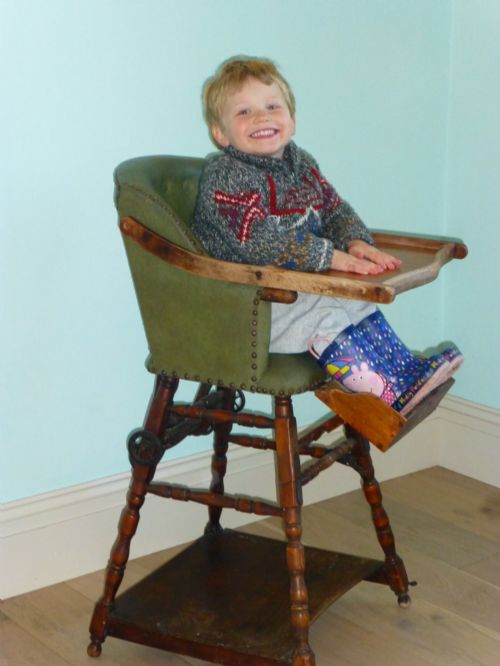
Antique green furniture refers to historical household items that either feature original green painted surfaces, contrasting green interior linings, or upholstery in green fabrics and leathers.
These pieces span various centuries and styles, ranging from folk art cupboards and display cabinets to carved Victorian seating.
How do I date an antique desk?
Dating relies upon examining construction methods, timber choices, hardware and stylistic details associated with periods like the Georgian, Victorian or Edwardian eras.
Secondary woods, drawer linings and the presence of makers' marks or stamps further help establish the approximate decade of manufacture.
Where were these pieces used?
Depending on the specific form, these items functioned in libraries, studies, parlours, gardens and public houses across Britain and continental Europe.
Desks and bookcases served administrative and display purposes in formal rooms, while benches and pub tables suited communal or outdoor settings.
How do I care for painted wood?
Preserving painted and polished surfaces requires keeping pieces away from direct sunlight and maintaining stable indoor humidity levels to prevent timber movement.
Dusting gently with a dry cloth avoids damaging fragile historic pigments and delicate surface patinas.