




Antique Green Footstool
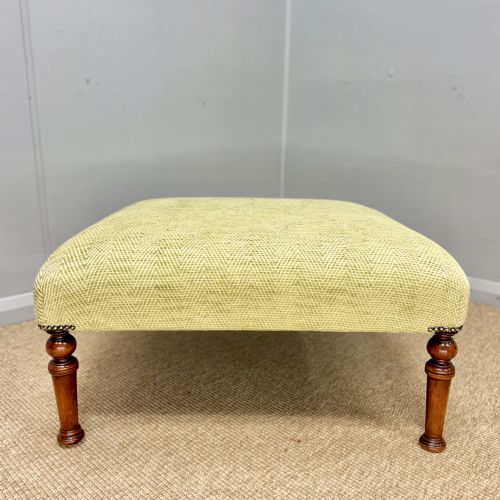
An antique green footstool brings tactile upholstery and polished timber together, offering a low seat or rest that grounds a room.
Antique Green Footstool
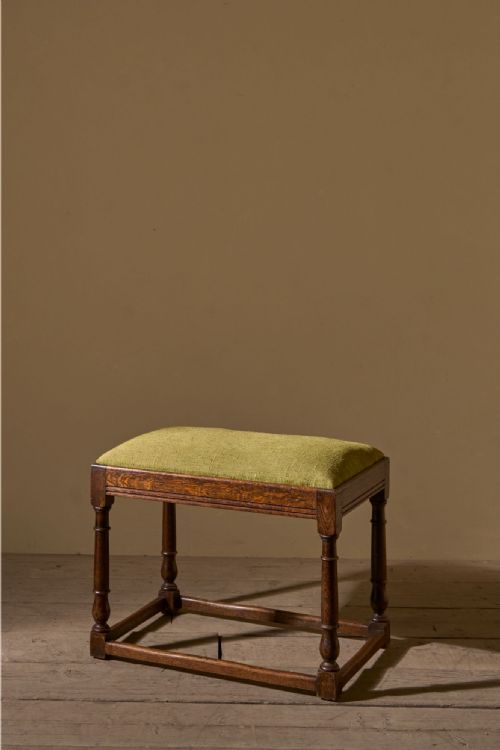
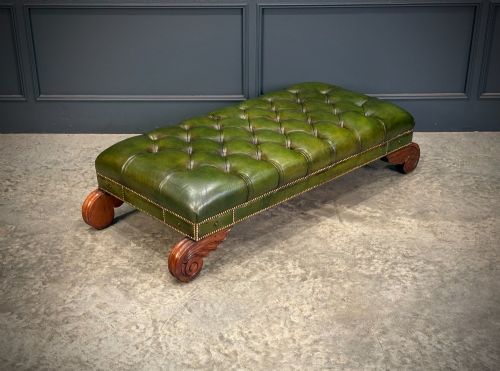
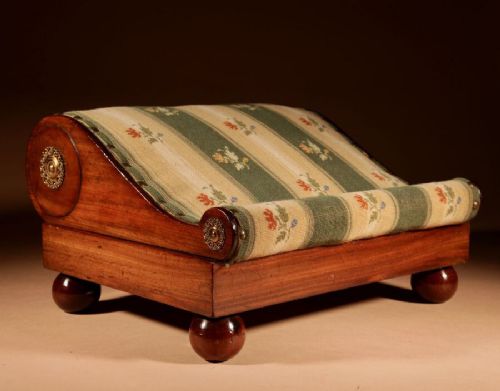
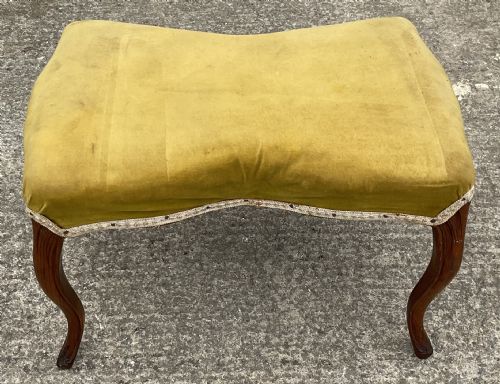
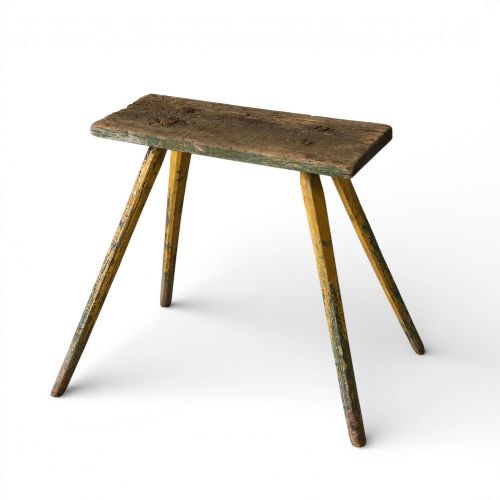
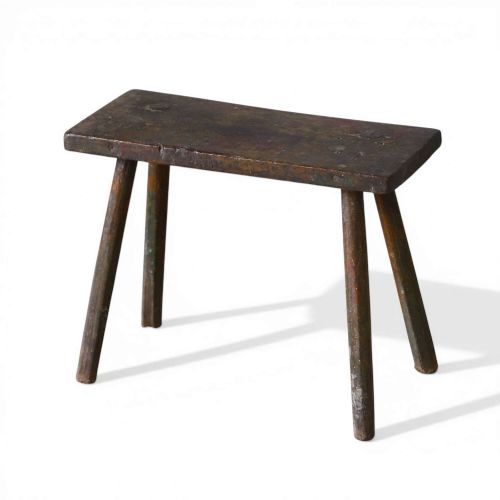
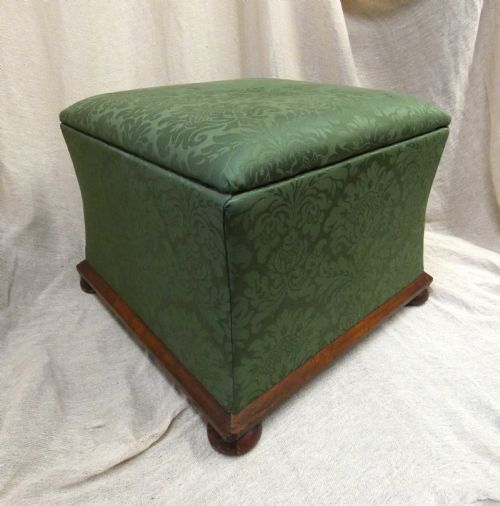
An antique green footstool appears in various guises across this selection, spanning compact nineteenth-century milking stools in original paint to grander Victorian buttoned leather examples and Regency ottomans. Buyers seek these pieces for their versatile low forms, which range from simple joint stools to sophisticated window seats and adjustable gout stools.
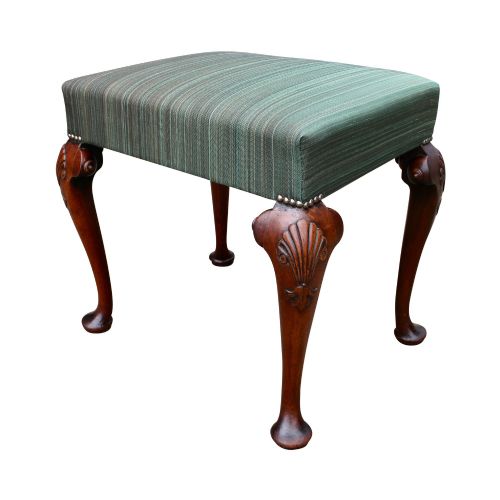
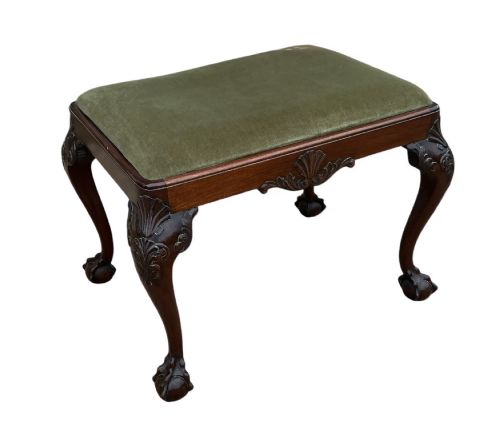
The nineteenth century dominates the offerings, alongside Georgian, Edwardian, and later revival styles that lean heavily on Queen Anne and Chippendale proportions. Walnut, mahogany, and rosewood frames provide the structural support for diverse top surfaces upholstered in green velvet, linen, leather, and needlework.
Materials and construction
Timbers such as mahogany, walnut, rosewood, oak, and beech form the solid frames of these stools, shaped with carved details, spiral turnings, or smooth cabriole legs. Woodwork relies on traditional joinery techniques, occasionally enhanced by giltwood accents or original painted surfaces.
Upholstery methods involve tensioned webbing and padding beneath textile coverings secured with tacks. Textiles include heavy green linen, buttoned leather, chenille, tapestry, and needlepoint, while specialised mechanisms allow some pieces to function as adjustable gout stools or work boxes.
Periods represented stretch from Georgian and Regency eras through the Victorian age and Edwardian decades into the early twentieth century.
Judging the range
Quality reveals itself in the harmony of the timber frame and the precision of its carving, where crisp lines on a mahogany or walnut chassis outclass softer, more rudimentary shaping. The integrity of the original wood, whether finished with polish or retaining authentic early paint, dictates the baseline of preservation.
Upholstery choices separate standard examples from exceptional ones, with hand-worked needlepoint, buttoned leather, or chenille contributing significantly to character. The presence of functional mechanisms, such as those found on adjustable gout stools or ottoman work boxes, adds mechanical complexity that elevates the piece.
The Antique Green Footstool Glossary
- Gout stool
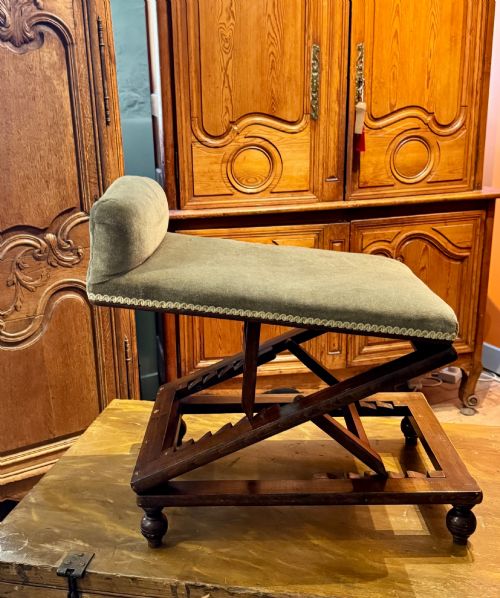
- A specialised footstool with an adjustable incline designed to elevate and rest feet affected by ailments. These pieces often incorporate mechanical ratchets to alter the angle.
- Joint stool
- An early form of wooden stool constructed with mortise and tenon joints using pegs rather than glue. They display sturdy rectangular frames and straightforward upright legs.
- Cabriole leg
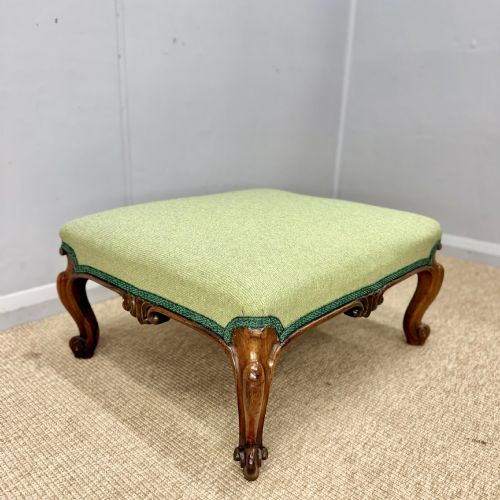
- A furniture leg that curves out at the knee and tapers inward toward the foot, mimicking animal limbs. This form appears frequently on walnut and mahogany frames from the eighteenth century onward.
- Needlepoint
- Stitched textile work executed on canvas mesh, frequently utilising wool or silk threads. Antique examples on stools display intricate floral or geometric patterns.
Antique Green Footstool: Frequently Asked Questions
How do I use a footstool today?
These low pieces serve well beside armchairs as standard footrests or extra seats when guests gather. Larger ottomans and window seats also function independently as decorative low tables.
Their compact footprints allow them to tuck easily beneath consoles or beside hearths when not actively in use, adding texture and colour to corners.
What is a gout stool?
A gout stool is an adjustable rest designed specifically to elevate feet at a comfortable angle. They often feature pivoting platforms manipulated by simple mechanical stops.
Victorian examples in mahogany or beech demonstrate how medical utility met domestic comfort during the nineteenth century.
Are these stools sturdy enough for sitting?
Solid timber frames joined with traditional methods provide robust support for daily seating. However, delicate antique frames or adjustable mechanisms benefit from sensible weight distribution.
Checking the underlying wood and joinery ensures the piece remains reliable for sitting rather than solely for display.
How do I identify a Regency stool?
Regency pieces often display classical proportions influenced by ancient Greek and Roman designs. Look for sabre legs, rosewood or mahogany grains, and restrained brass mounts.
Upholstery on these items frequently includes buttoned leather or classical striped fabrics suited to early nineteenth-century interiors.