

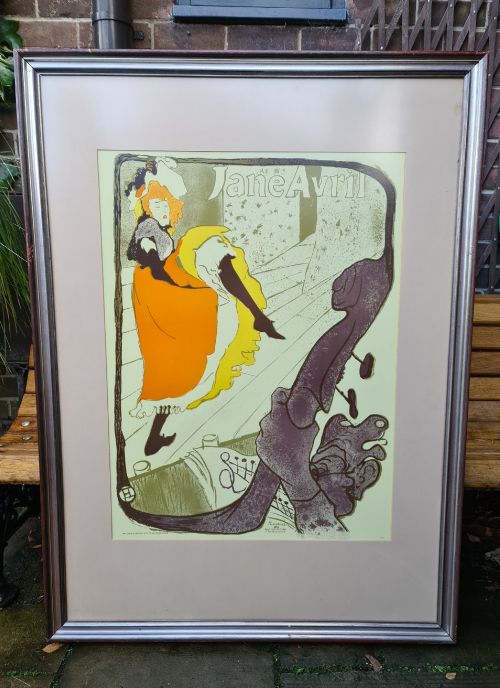


Antique Graphic Art
Antique graphic art brings together striking visual works on paper, offering collectors a tangible piece of historic design and illustration.
Antique Graphic Art
Antique graphic art encompasses a varied selection of prints, posters, etchings, and engravings created during the Victorian era and the early twentieth century. These works capture the shifting aesthetic movements of their times, ranging from traditional pastoral scenes to bold modernist statements.
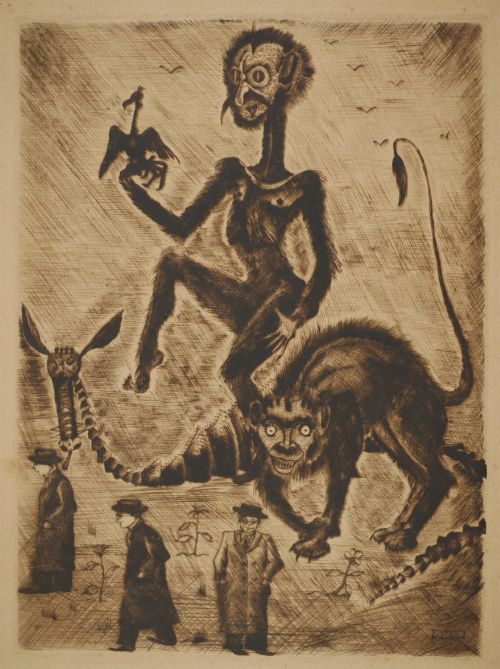
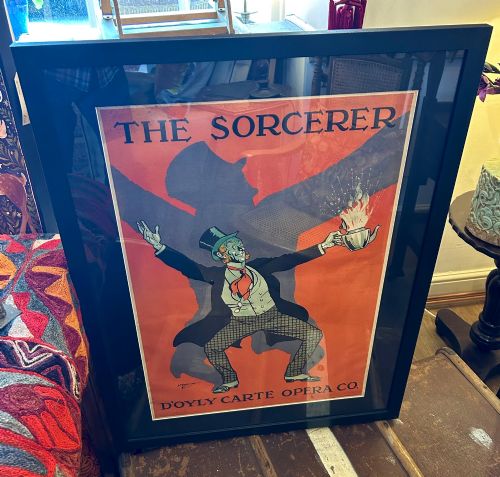
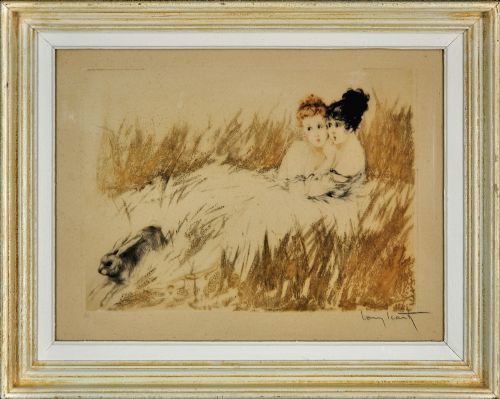
The pieces listed on this page frequently include framed wall art, vintage posters, and delicate etchings on paper or card. Collectors will encounter works associated with Art Deco, Art Nouveau, Surrealism, and Japanese ukiyo-e woodblock traditions.
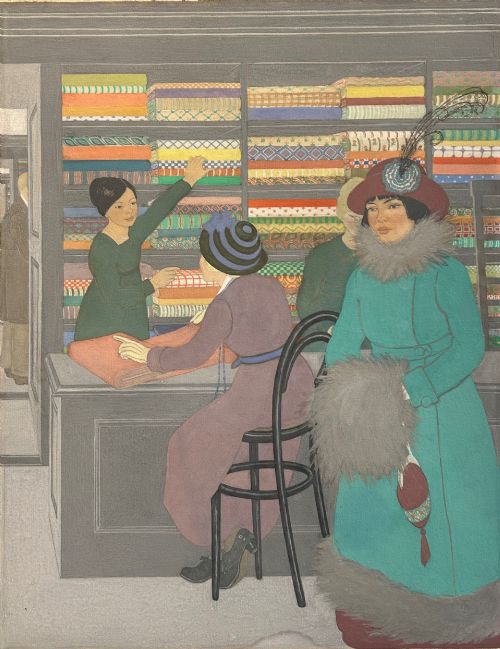
Many items reflect the commercial and artistic output of the 1920s and 1930s, alongside earlier Victorian examples. This mix provides a comprehensive view of how graphic imagery developed across different decades and international workshops.
How they were made
These works rely on traditional methods such as drypoint etching, engraving, and woodblock printing executed on paper, card, or sometimes enhanced with hand colouring. Artists and printers utilised ink applied to metal plates or carved wooden blocks to transfer detailed lines onto the sheet.
Presentation often involves protective glass and wooden framing to preserve the delicate paper and card substrates from environmental damage. Metal components appear in the fixings and frames that secure these works for display.
Antique Graphic Art Retail Price Guide 2026
Typical asking prices for graphic art among the pieces listed under this phrase on Sellingantiques today, from the lower quarter to the upper quarter. They describe what is for sale here now, not the wider market.
A solitary monochrome football poster from 1930 sits happily alongside delicate hand-coloured French ladies and Victorian pastoral babies.
What varies in quality
The distinction between standard commercial output and finer works lies in the precision of the impression and the subtlety of the plate mark or woodblock grain. Limited editions and signed impressions by recognised printmakers generally demonstrate a sharper execution of line.
Condition and medium purity heavily influence the character of each piece, particularly where hand colouring or delicate ink applications survive intact. The harmony between the original print, its framing materials, and paper preservation defines the overall standard of the object.
Kurt Lorein Victor Peiser·Louis Icart·Kunisada·Edgar J. Maybery·Albert Terry
The Antique Graphic Art Glossary
- Etching
- A printmaking technique where lines are bitten into a metal plate with acid before ink is applied and pressed onto paper. This process allows for fine, expressive detail.
- Woodblock print
- An image created by carving a design into a block of wood, applying ink, and transferring it to paper. Japanese ukiyo-e works often utilise this method.
- Drypoint
- A printmaking process where an artist scratches a design directly into a metal plate with a sharp needle. This creates a raised burr that holds ink for a velvety line.
- Engraving
- A method of cutting a design directly into a hard plate using a burin tool. The resulting prints show clean, crisp lines.
- Art Deco
- A design style dominant in the 1920s and 1930s characterised by sleek geometric shapes and stylised forms. It heavily influenced posters and graphic prints of the period.
Antique Graphic Art: Frequently Asked Questions
What periods do these graphic works cover?
The pieces span the Victorian era, the 1920s, and the 1930s. This covers major stylistic shifts from traditional illustration to early modernism.
Earlier items reflect nineteenth-century aesthetics, while later items embrace Art Deco and Surrealist movements.
How should antique prints be displayed?
These works require framing behind glass to protect fragile paper and card from moisture and airborne dust. Direct sunlight should be avoided to prevent fading of the inks.
Wall placement in rooms with stable temperature and humidity ensures the longevity of the paper substrate.
What is the difference between an etching and an engraving?
An etching uses acid to bite lines into a metal plate, producing softer, more fluid strokes. An engraving relies entirely on physical cutting tools to gouge the metal.
Both techniques result in distinct line qualities that help identify the method of production.
Are these works original prints?
The selection includes original hand-pulled etchings, woodblock prints, and vintage posters from the early twentieth century. Each type represents the primary medium used by the artist or printer at the time of creation.
Signatures, plate marks, and paper textures help distinguish original print runs from later reproductions.