







Antique Goldscheider Figure
These antique Goldscheider figure works bring expressive Austrian ceramic artistry into a room, prized for their striking detail and sculptural presence.
Antique Goldscheider Figure
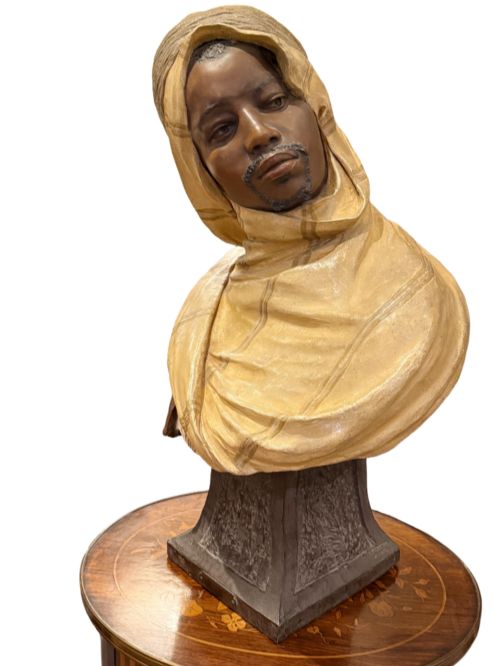
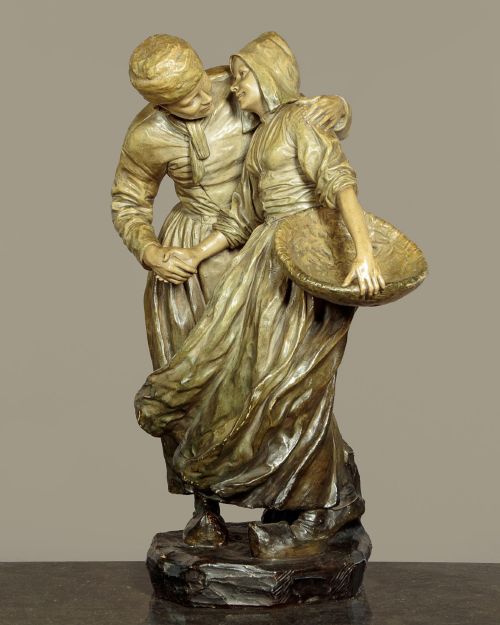
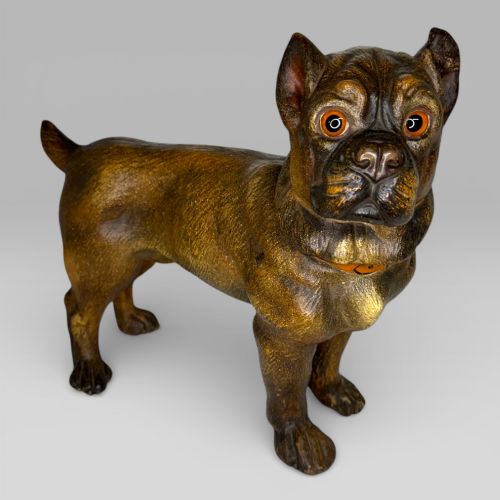
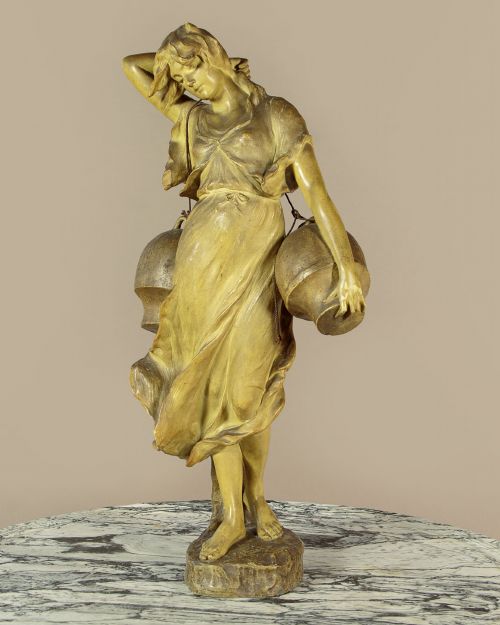
When you search for an antique goldscheider figure, you encounter sculptural ceramics produced by the Viennese manufactory during the late nineteenth and early twentieth centuries. These pieces encompass figurative sculptures, animalier studies, and character figurines that capture distinct human and animal expressions.
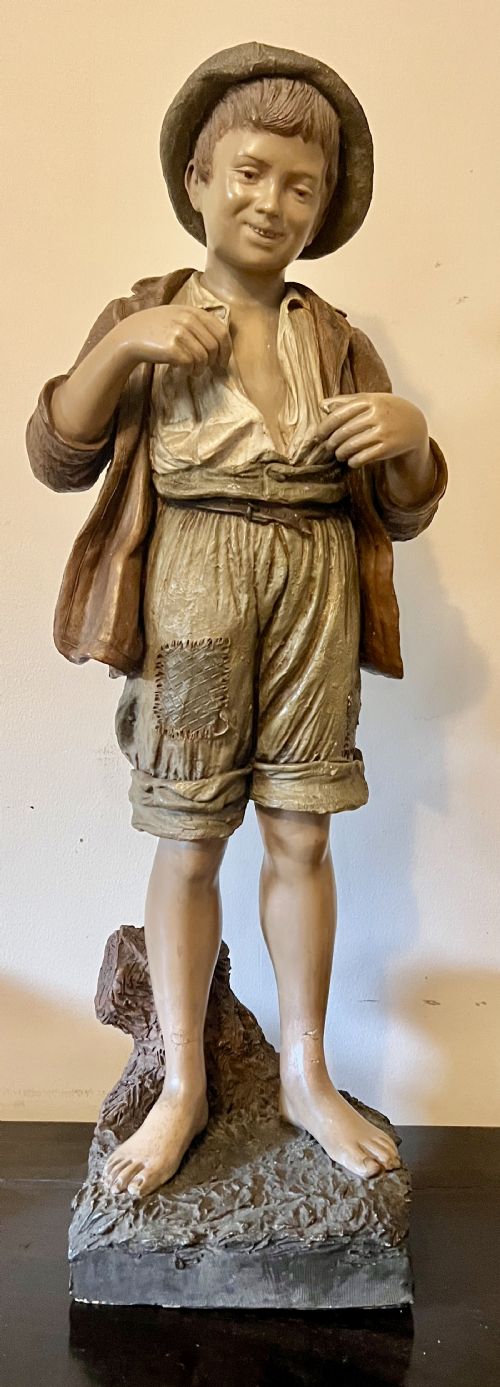
The selections available here span from Victorian animalier subjects to sweeping Art Nouveau compositions. You are most likely to meet terracotta figures of young women, water carriers, and children dating around nineteen hundred, alongside classical revival and orientalist designs.
Originating largely from Vienna, these works range from cabinet-sized figurines to life-size sculptures. They reflect the stylistic shift from Victorian realism toward the flowing lines of Art Nouveau.
How they were made
Makers utilised terracotta and earthenware as the primary base materials for shaping these sculptures. Artisans employed slip casting and hand-modelling techniques to achieve the intricate forms seen in human and animal subjects.
Surface decoration involved polychrome paint, pigment, and bronzed finishes applied over the ceramic body. Certain examples incorporated glazed ceramic finishes to highlight specific details of costume and form.
Antique Goldscheider Figure Retail Price Guide 2026
Typical asking prices for goldscheider figure among the pieces listed under this phrase on Sellingantiques today, from the lower quarter to the upper quarter. They describe what is for sale here now, not the wider market.
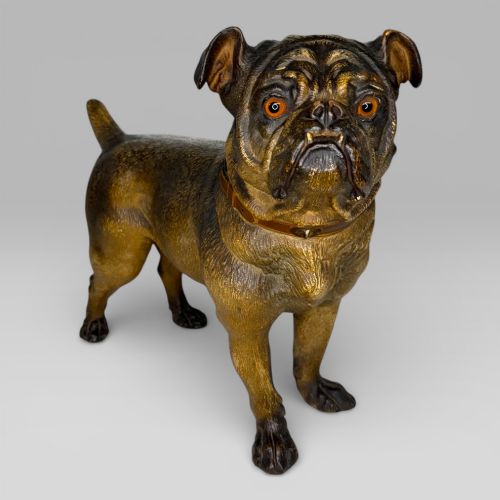
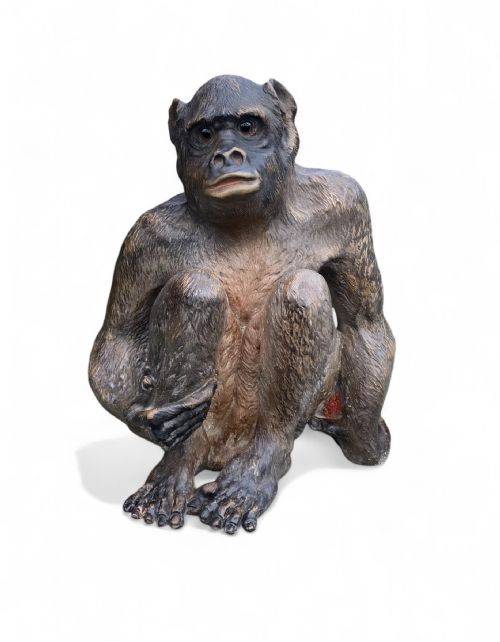
Among the human portraits and classical figures, life-size terracotta sculptures of pug dogs and chimpanzees stand ready to guard the hallway.
What varies in quality
The distinction between standard production pieces and superior works lies in the crispness of the modelling and the sensitivity of the facial expressions. Master modellers achieved depth in drapery and anatomical precision that lesser studio copies lack.
Surface finishing dictates visual success, with masterworks featuring nuanced polychrome paint or sophisticated bronzed slip casts. The preservation of original pigment and finish directly influences the aesthetic impact of the sculpture.
Friedrich Goldscheider·Frederic Goldscheider·J Gross
The Antique Goldscheider Figure Glossary
- Terracotta
- A porous fired clay body used extensively for Victorian and Art Nouveau sculpture. It provides a warm matte surface ideal for detailed modelling and subsequent painting.
- Slip cast
- A manufacturing process where liquid clay slip is poured into a plaster mould. This technique allows for consistent reproduction of complex sculptural forms.
- Animalier
- A genre dedicated to the realistic portrayal of animals. These sculptures capture creatures ranging from domestic pug dogs to chimpanzees with careful anatomical observation.
- Bronzed finish
- A metallic coating applied to a ceramic or terracotta base to simulate cast bronze. This treatment gives the figure a heavier, metallic appearance while retaining the underlying clay contours.
Antique Goldscheider Figure: Frequently Asked Questions
What periods do antique Goldscheider figures date from?
The pieces span from the late nineteenth century through to the early twentieth century. This encompasses Victorian animalier works and the later flowering of Art Nouveau design.
Production continued into the nineteen tens, showing a distinct evolution in both sculptural style and surface finishing techniques.
How do I identify a genuine Goldscheider figure?
Authentic pieces typically bear impressed factory marks, model numbers, or artist signatures on the base or reverse. Examining the quality of the terracotta modelling and surface paint provides further confirmation.
Comparing the specific subject matter against documented archival pieces helps establish provenance and period accuracy.
Where were these figures originally produced?
The manufactory was based in Vienna, Austria, which served as a major centre for ceramic art during the late nineteenth century. Master sculptors and designers worked within the Viennese workshops to create these distinctive figures.
Their creations were exported internationally, appealing to collectors of classical revival and orientalist art.
How should I display a terracotta figure at home?
Terracotta sculptures benefit from stable indoor environments away from direct moisture and rapid temperature fluctuations. Placing them on sturdy pedestals or shelves allows their three-dimensional forms to be viewed from multiple angles.
Dusting them gently with a dry, soft brush preserves the delicate painted or bronzed surface finishes over time.