

Antique Gold Wall Art
Antique gold wall art brings together centuries of painted portraits, landscapes and mirrors framed in giltwood to catch the light.
Antique Gold Wall Art
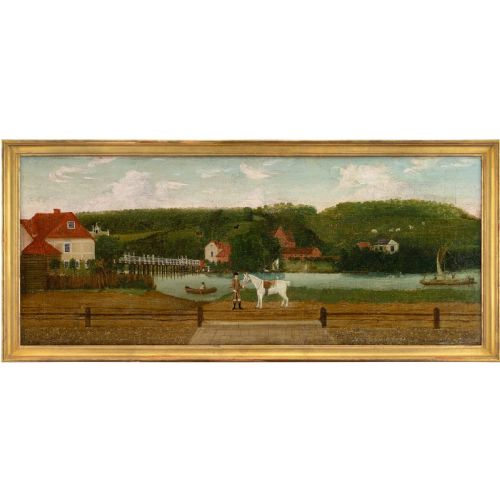
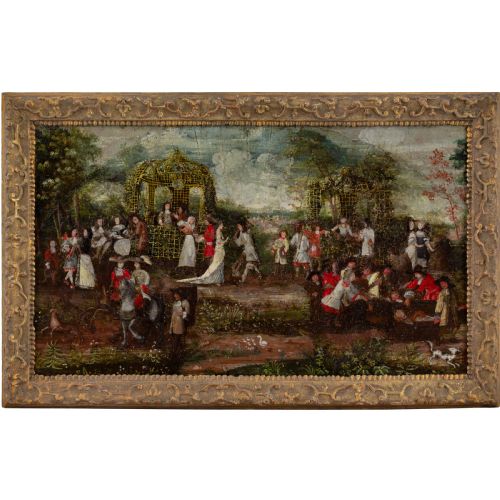
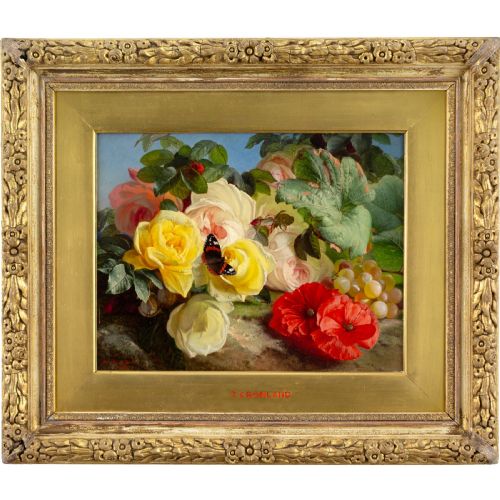
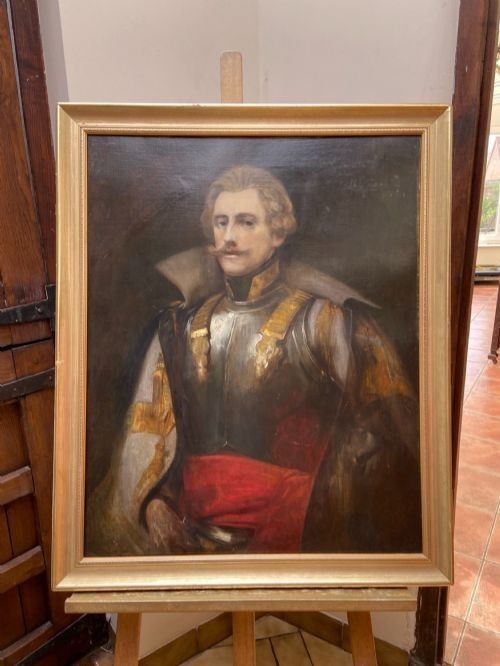
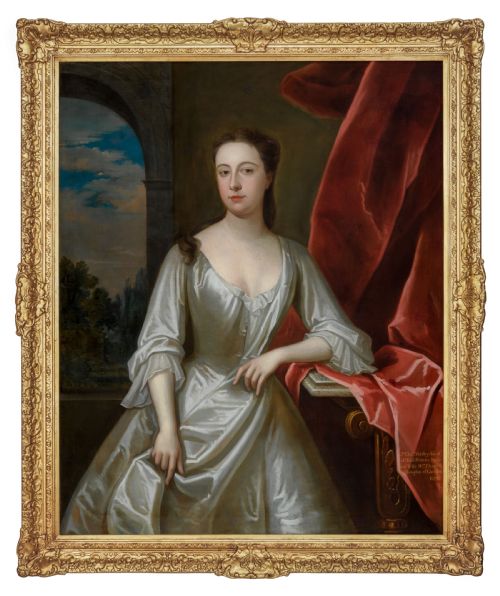
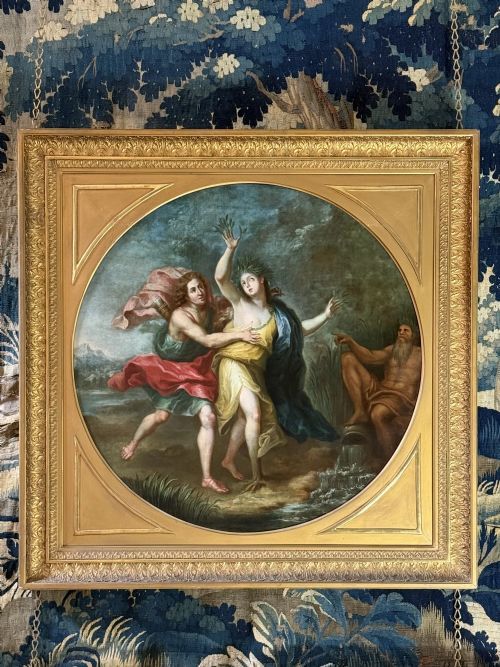
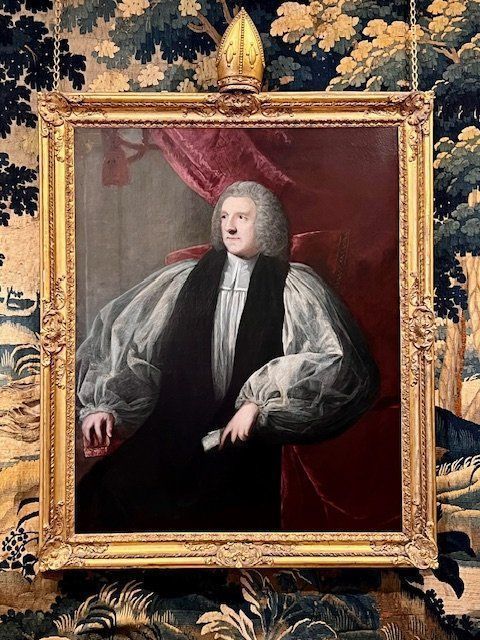
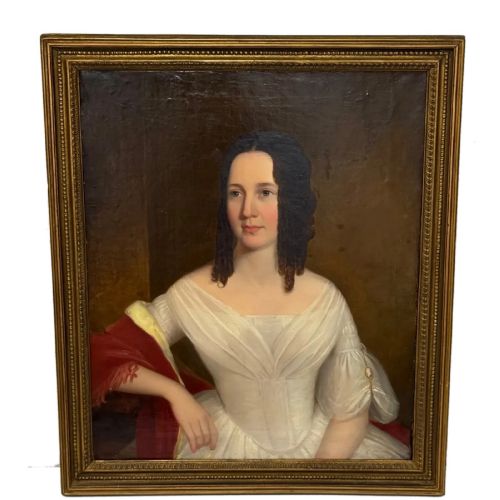
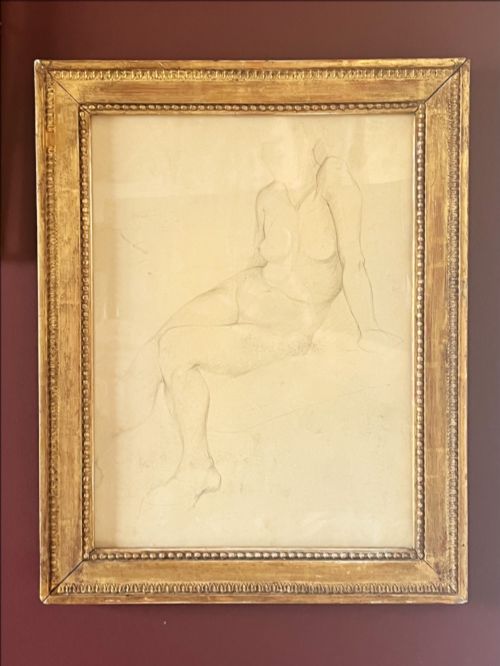
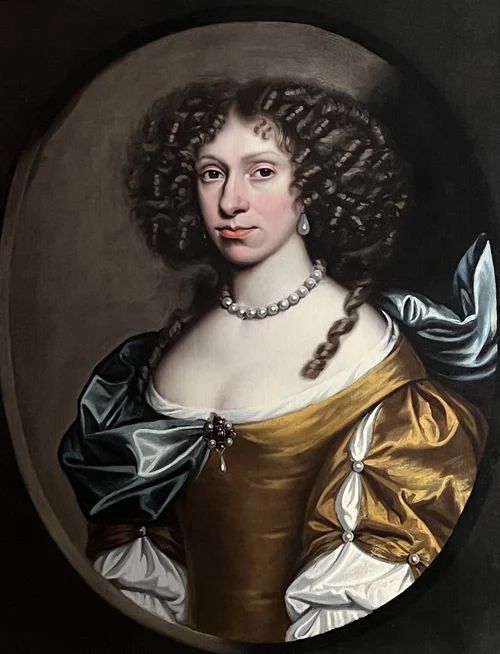
Antique gold wall art encompasses oil paintings, framed fine art, trumeau mirrors and engravings produced across the seventeenth, eighteenth and nineteenth centuries. These works frequently feature heavy gilt wood or gold leaf frames that define their visual presence.
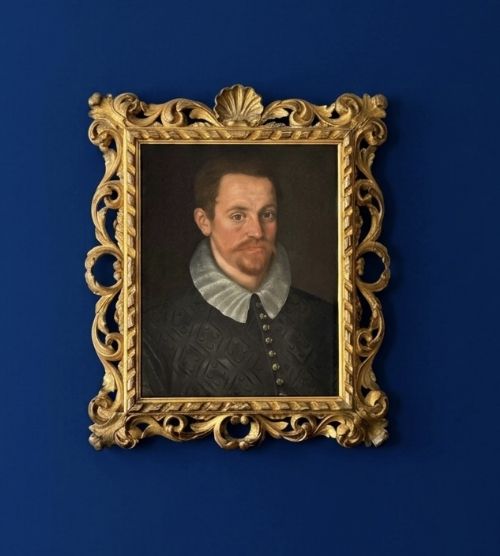
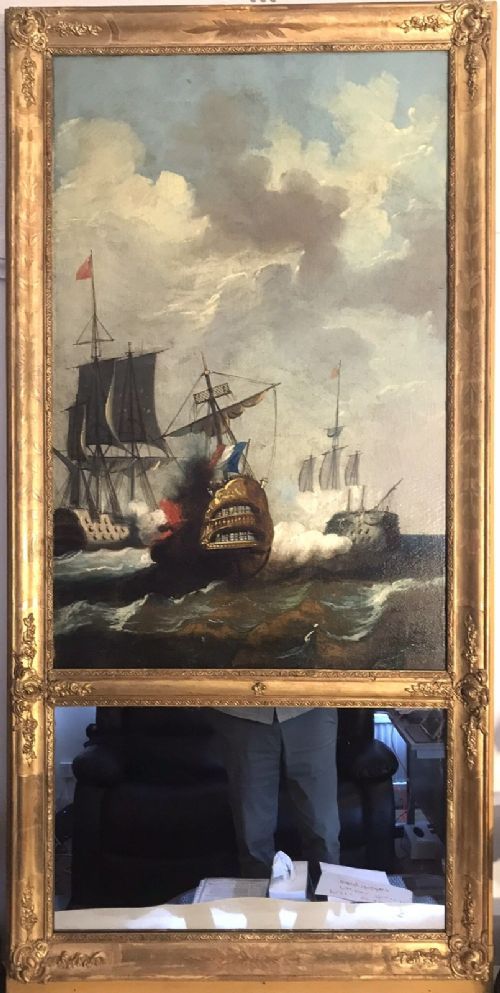
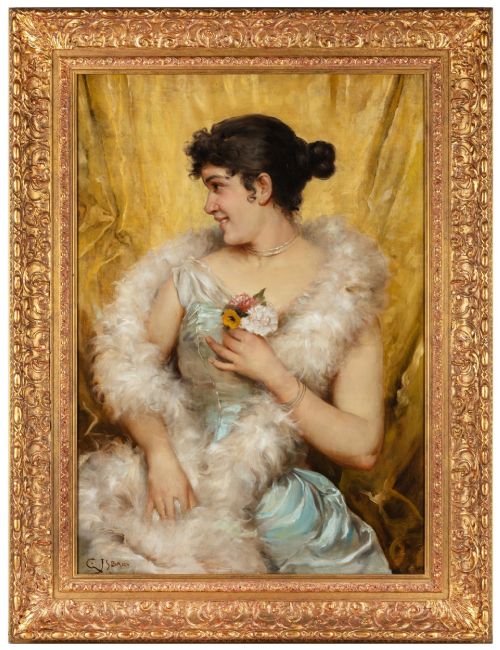
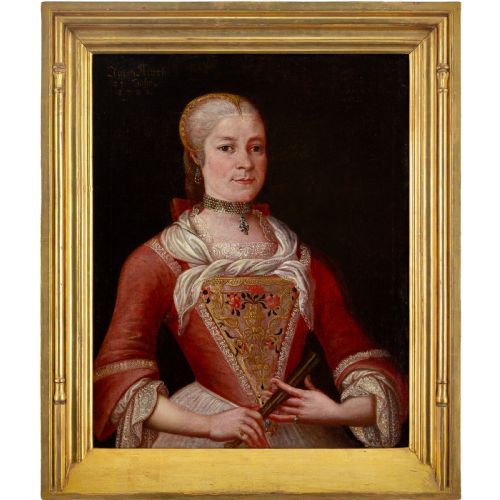
Buyers encounter portraits of gentlemen and noblewomen, pastoral landscapes, marine scenes and classical subjects executed by various European schools. The gilt surrounds are integral to the pieces, often showing the original carved wood and applied gold leaf of their period of origin.
Materials and construction
The physical objects rely primarily on oil on canvas, wood panels and paper, housed within frames constructed from carved wood finished with gold leaf or giltwood. Painters applied oil paint to stretched canvas or prepared wooden boards, while printmakers produced engravings on paper.
Gilt frames were built using traditional timber joinery and gesso layers before the application of gold leaf by hand. This combination of canvas, oil pigment and reflective wooden framing gives the works their enduring stability and lustre.
Dogs and ships make frequent appearances alongside nobility, proving that early patrons were just as fond of their pets and vessels as their own likenesses.
Distinctions in quality
The relationship between the artwork and its frame determines a major portion of quality. Pieces retaining their period giltwood frames with undisturbed gilding hold greater visual harmony than those paired with mismatched later surrounds.
Sir Joshua Reynolds·Sir Peter Lely·Charles Antoine Coypel·Sir Godfrey Kneller
The Antique Gold Wall Art Glossary
- Giltwood
- Wood that has been coated with a thin layer of gold leaf or gold paint. This technique was widely applied to picture frames and architectural mirrors to create a reflective, durable surface.
- Trumeau
- A decorative wall mirror featuring an oil painting or carved panel incorporated into the upper section. These French pieces combined functional glass with fine art within a unified frame.
- Gesso
- A plaster mixture applied to wood surfaces as a preparation before gilding or painting. It provides a smooth base for the adhesion of gold leaf.
- Doublet
- A close-fitting padded jacket worn by men during the sixteenth and seventeenth centuries. This garment frequently appears in early oil portraits with elaborate embroidery and ruffs.
Antique Gold Wall Art: Frequently Asked Questions
How do I care for antique gilt frames?
Keep giltwood frames away from direct sunlight and excessive humidity to prevent the gesso and gold leaf from cracking or flaking. Dust the carved surfaces gently with a dry, soft brush rather than using liquid cleaners.
Avoid touching the gold leaf directly with bare hands, as natural oils can damage the delicate metallic surface over time. Stable indoor environments preserve the underlying wood and the brilliance of the gilding.
What periods do these artworks cover?
The pieces span from the seventeenth century through the eighteenth and nineteenth centuries, capturing shifting artistic styles from Baroque to Victorian and Edwardian.
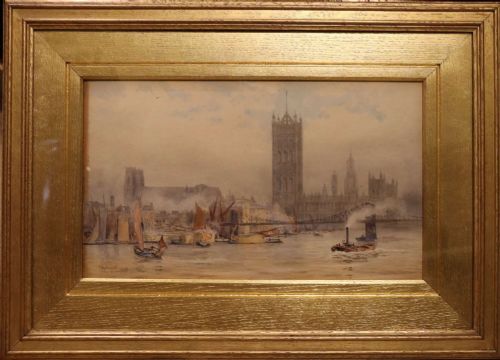
Early works frequently depict seventeenth-century subjects in dark embroidered doublets, while later examples include nineteenth-century landscapes and marine portraits. Each era employs distinct framing conventions and painting techniques.
How were oil paintings mounted?
Artists typically stretched canvas over wooden frames or painted directly onto prepared wooden panels before securing the work inside heavy decorative borders. These supports maintained tension across the painted surface to prevent warping.
Many works retain their original or period-appropriate gilt frames, which were constructed specifically to complement the scale and palette of the central painting.
Can I hang these paintings in bright rooms?
Oil paintings on canvas and wood tolerate ambient light well, but direct exposure to intense sunlight causes pigments to fade and varnish to yellow. Position the art away from direct rays to protect the integrity of the oil paint.
Temperature fluctuations near radiators or fireplaces should also be avoided, as heat causes wood panels and canvas stretchers to expand and contract, risking damage to the paint layer.