



Antique Gold Starburst
An antique gold starburst captures celestial design in precious metals and gemstones, offering timeless appeal as wearable jewellery or interior decor.
Antique Gold Starburst
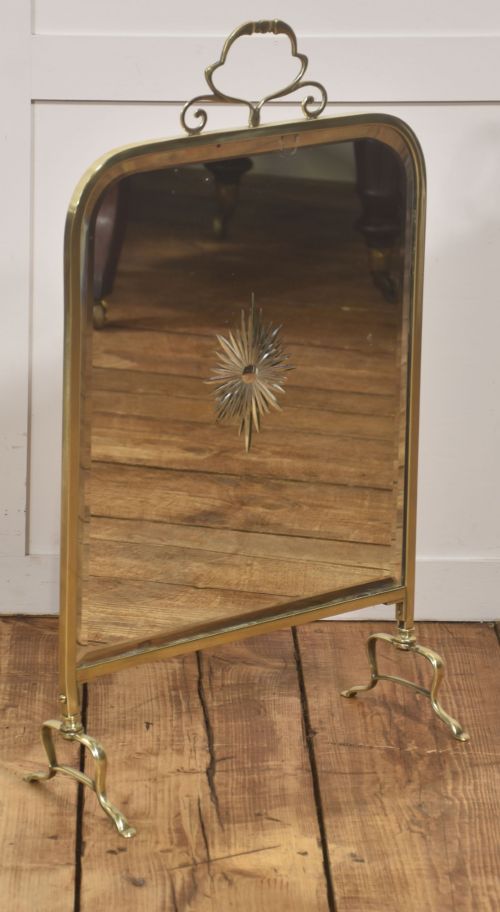
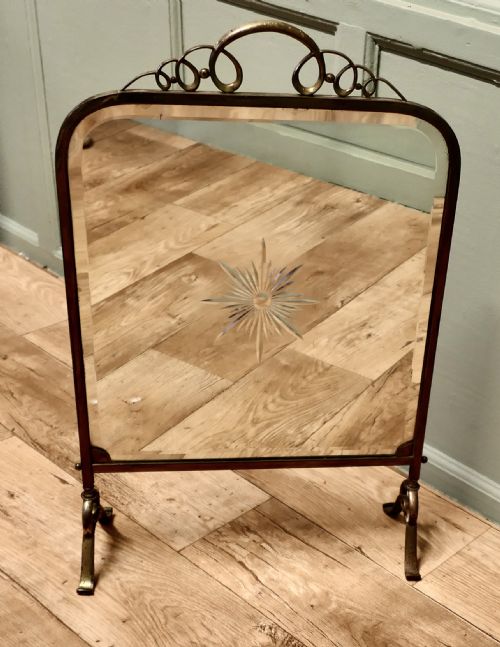
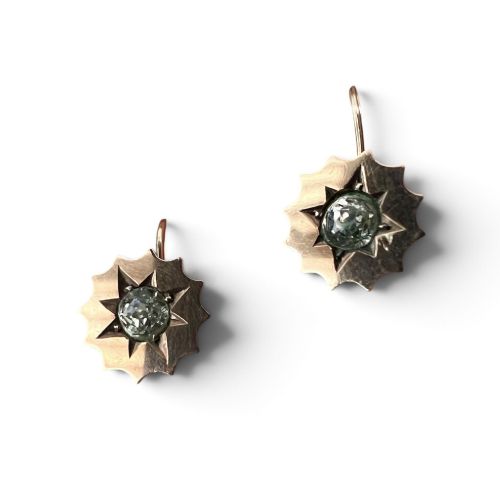
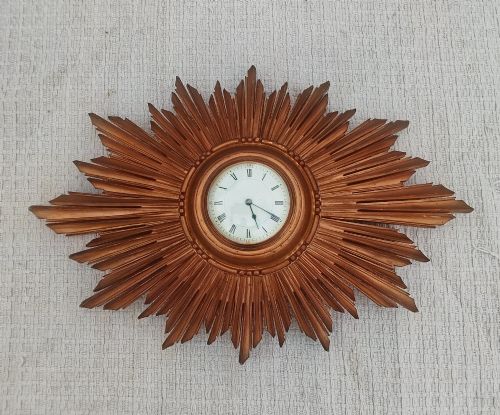
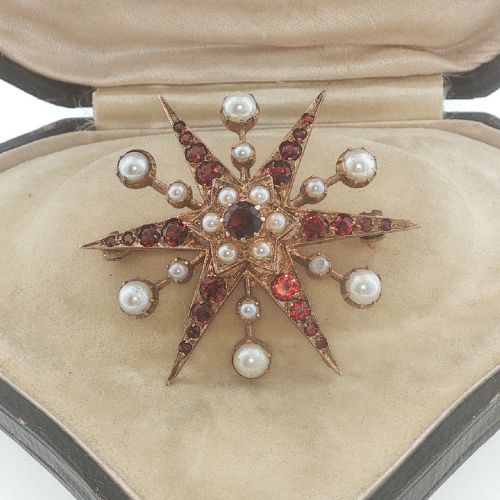
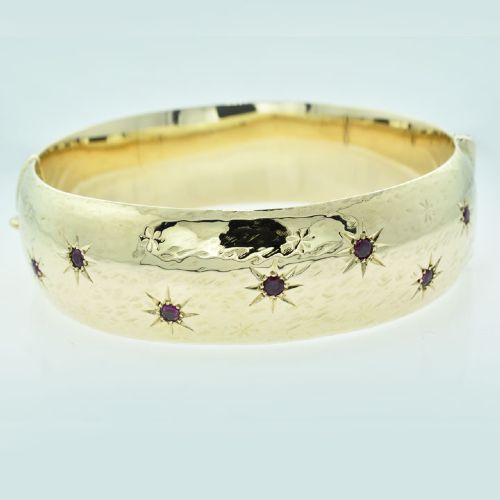
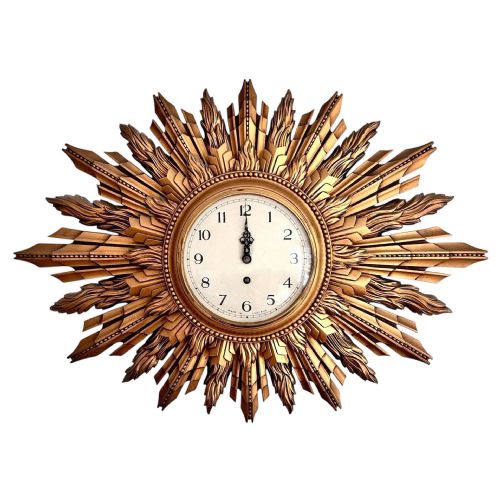
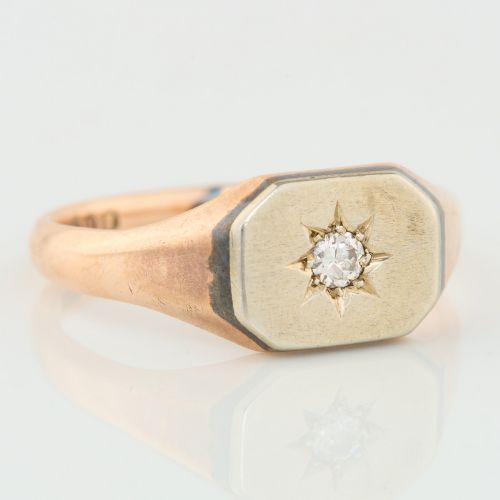
An antique gold starburst spans wearable jewellery forms such as rings, brooches, pendants, earrings, and necklaces, alongside decorative wall clocks and mirrors. These objects translate celestial motifs into tangible ornaments designed to catch the eye.
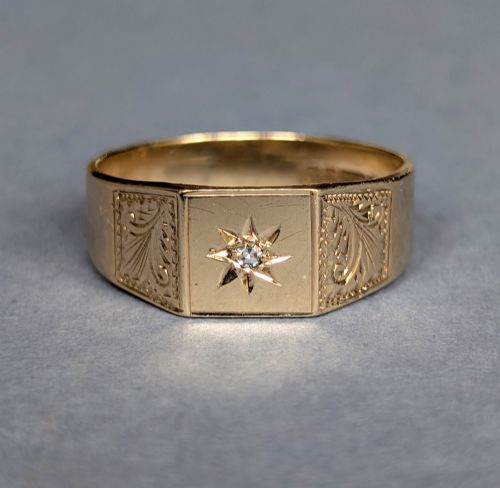
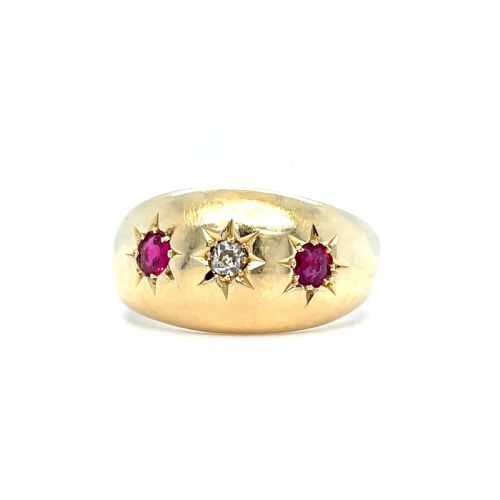
The pieces appearing on this page originate predominantly from the Victorian and Edwardian eras, extending through the 19th century and into mid-century decades. Brooches and pendants featuring convertible mounts emerge frequently, alongside gypsy-set and cluster rings.
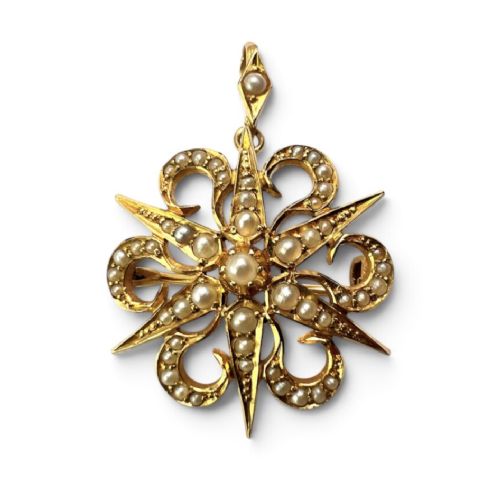
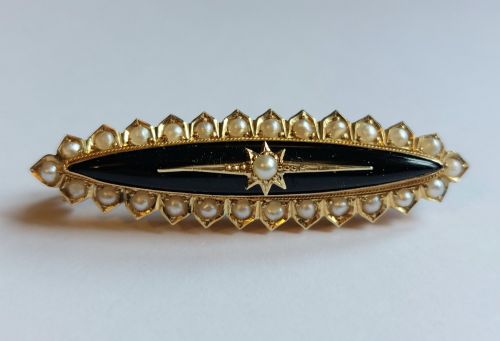
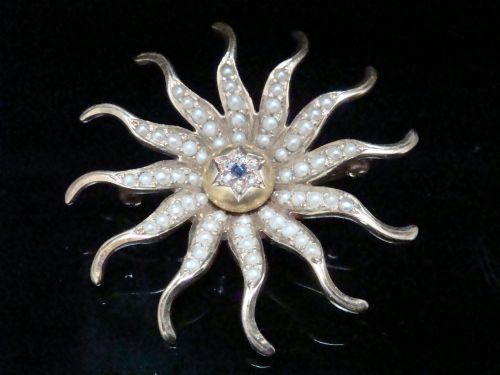
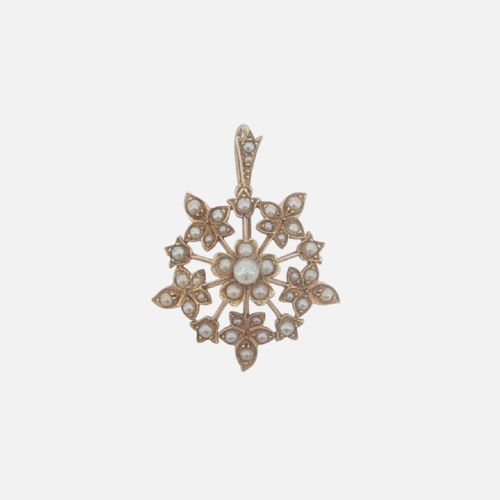
Makers and designers utilised gold in various purities, mounting diamonds, seed pearls, and coloured gemstones in radiating patterns. Buyers encounter everything from delicate seed pearl pendants to substantial diamond and silver-set star brooches.
How they were made
Craftsmen built these items using 9ct, 14ct, 15ct, and 18ct gold, frequently combining silver settings on the face of brooches to enhance the brilliance of old-cut diamonds. Yellow gold forms the warm backing for many pendants and rings, whilst giltwood and brass shape larger wall clocks and fire screens.
Gemstones including rubies, sapphires, peridots, garnets, turquoise, and opals are secured alongside seed pearls and paste stones. Artisans arranged these elements in geometric or radiating formations, employing claw settings and foil-backed techniques appropriate to the period.
Antique Gold Starburst Retail Price Guide 2026
Typical asking prices for gold starburst among the pieces listed under this phrase on Sellingantiques today, from the lower quarter to the upper quarter. They describe what is for sale here now, not the wider market.
Some nineteenth-century stars hid secret compartments behind the stones for a lock of hair.
What varies in quality
The distinction between tiers rests upon the choice of gemstones and the precision of the metalwork. Pieces set with natural, untreated rubies or substantial old European cut diamonds represent a higher standard than those utilising paste or minor seed pearls.
Construction details dictate longevity and refinement, observing how securely stones are grain-set into the radiating arms and whether convertible mechanisms on brooches operate smoothly. Heavier gold weight and documented hallmarks also distinguish superior examples.
Smiths·Hirsch and Oppenheimer
The Antique Gold Starburst Glossary
- Gypsy ring
- A style where gemstones are flush-set directly into a heavy band, popular during the nineteenth century. This mounting protects the girdle of the stone within the metal.
- Old-cut diamond
- A hand-faceted diamond cut prior to the standardisation of modern brilliants, typically featuring a small table and high crown. These stones display distinctive broad facets that catch candle or gas light.
- Seed pearl
- A very small natural or saltwater pearl, often pierced and threaded onto silk or wire in clusters. They frequently accent floral and starburst motifs in Victorian jewellery.
- Giltwood
- Wood that has been coated with a thin layer of gold leaf or gilt paint. This technique surfaces decorative wall clocks and mirrors with a metallic sheen.
- Convertible brooch
- An ornament designed with removable fittings, allowing a single piece to function as both a pendant and a brooch. This versatility suited changing nineteenth-century fashions.
Antique Gold Starburst: Frequently Asked Questions
How were starburst brooches worn?
Starburst brooches were pinned to the bodice, lapel, or hair of Victorian and Edwardian wearers to add dramatic sparkle to evening attire.
Many examples feature hidden loops or screw fittings that allowed the piece to convert into a pendant for a necklace chain.
How do I identify a Victorian starburst?
Victorian starbursts often feature closed-back silver settings over gold, old-cut diamonds, and natural seed pearls arranged in dense, multi-layered rays.
Examining the metalwork and gemstone cuts helps distinguish these nineteenth-century creations from later mid-century revivals.
Can I wear an antique star ring daily?
Wearing an antique star ring daily requires care, particularly if the piece contains softer gems like seed pearls, turquoise, or opals that are vulnerable to moisture and impact.
Selecting a sturdy gypsy-set diamond band offers greater durability for everyday use compared to high-relief cluster designs.