


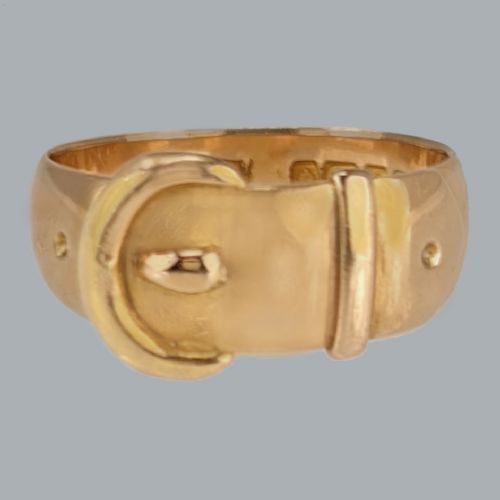


Antique Gold Signet Band
These antique gold signet band pieces are solid metal rings worn for personal identity, offering a weighty feel and distinct historical character.
Antique Gold Signet Band
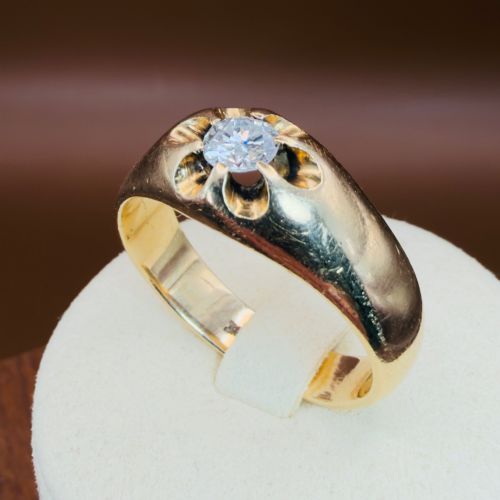
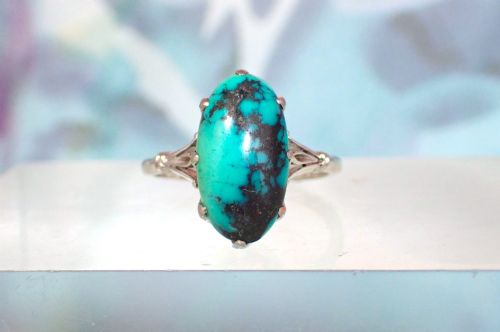
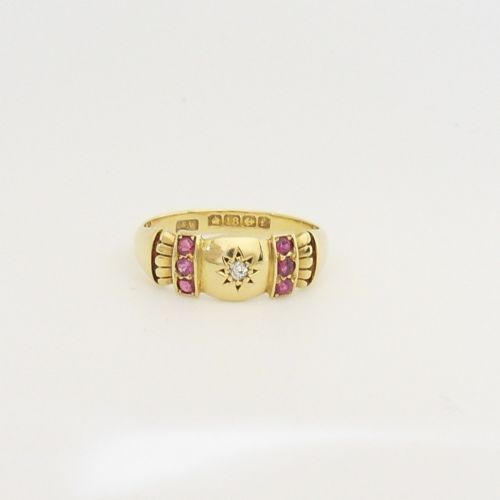
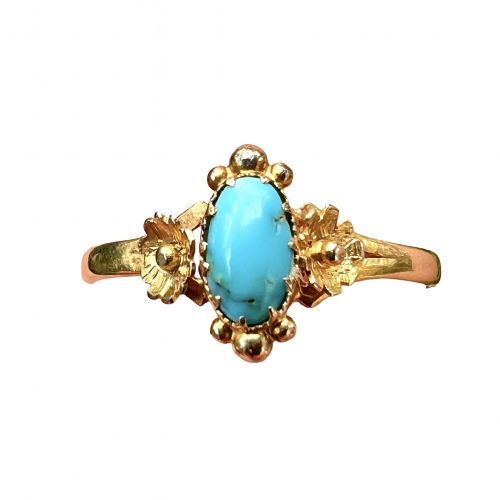
When you search for an antique gold signet band, you encounter rings spanning the Victorian, Edwardian, and mid twentieth century periods. The selection includes plain metal bands alongside examples set with diamonds, turquoise, rubies, and onyx.
Most items emerge from the nineteenth and early twentieth centuries, fashioned in yellow gold, rose gold, and white gold. These rings range from heavy gentlemen's styles to slender decorative bands carrying stones or engraved motifs.
Materials and construction methods
Gemstones such as diamonds, turquoise, and rubies are flush set or mounted in star settings, gypsy settings, and solitaire arrangements. Hallmarks stamped into the metal often indicate specific assay offices and dates of manufacture.
Distinctions in quality and execution
Quality separates through the purity of the gold alloy utilised and the precision of the metalwork. Heavier gram weights and crisp, deep hallmarks indicate superior substance and original integrity.
The skill involved in flush setting stones or carving detailed motifs like buckle straps and animal forms dictates the tier of the piece. Better examples retain sharp engraved details and secure stone settings without thinning of the shank.
William Griffiths and Son
The Antique Gold Signet Band Glossary
- Gypsy setting
- A mounting style where the gemstone is flush with the surface of the metal, surrounded by a tapering star-shaped or round bezel.
- Hallmark
- An official stamp applied by an assay office indicating the purity of the precious metal and the year of manufacture.
- Rose-cut
- An antique diamond cut featuring a flat base and a domed crown consisting of triangular facets.
- Shank
- The circular metal shaft of the ring that fits around the finger.
Antique Gold Signet Band: Frequently Asked Questions
How do I date an antique gold signet band?
Dating relies heavily on legible hallmarks stamped inside the band, which record the assay office and specific year letter. Stylistic elements such as gypsy settings or Edwardian buckle motifs also point to specific decades of production.
Without clear hallmarks, you look to the gold carat standard used, such as fifteen carat, and the overall manufacturing characteristics to narrow down the period.
Are these rings suitable for daily wear?
Solid gold bands designed for daily use generally withstand regular wear if the shank has retained adequate thickness over time. Rings set with softer stones or featuring delicate engraving require more careful handling to prevent damage.
Checking the thickness of the metal at the back of the band helps determine if it needs reinforcement before regular use.
What carat gold should I look for?
Carat options in these pieces include nine carat, fifteen carat, and eighteen carat gold, each offering a different balance of durability and colour richness. Higher carat options contain more pure gold, resulting in a richer hue and heavier weight.
Lower carat golds provide greater resistance to scratching, which appealed to makers of functional everyday rings.