


Antique Gold Seating
Antique gold seating brings together gilded frames, warm wood tones, and upholstered upholstery to shape interiors with historical presence.
Antique Gold Seating
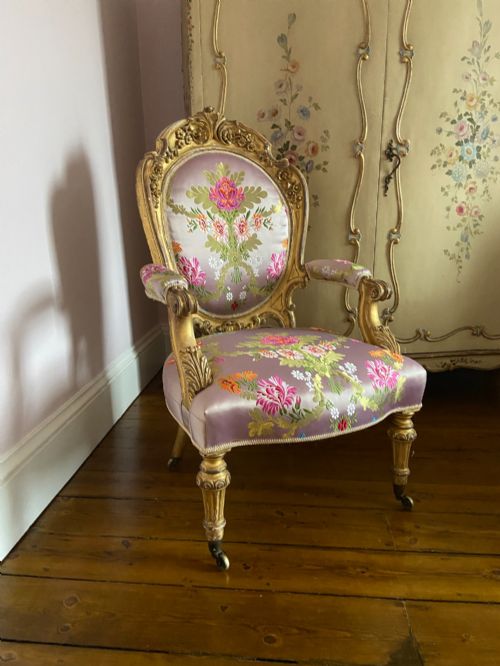
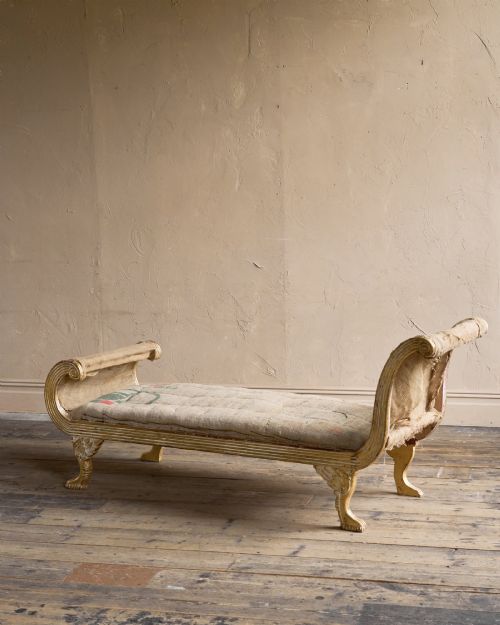
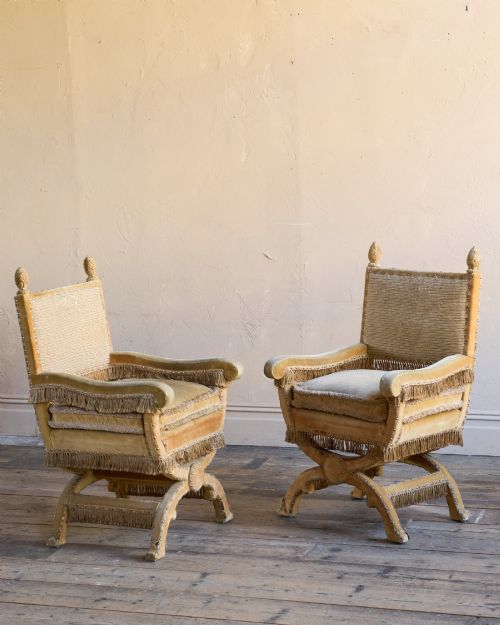
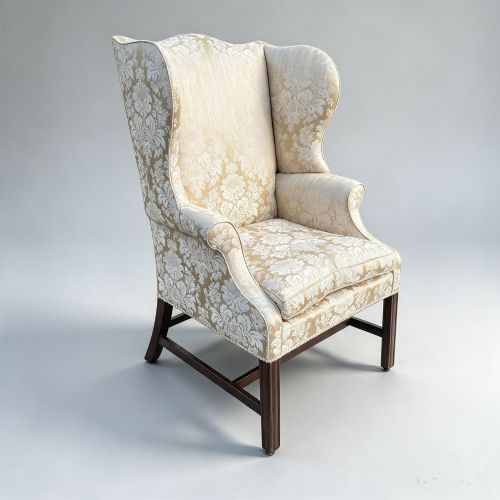
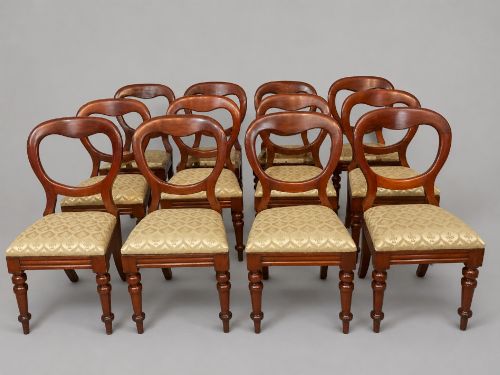
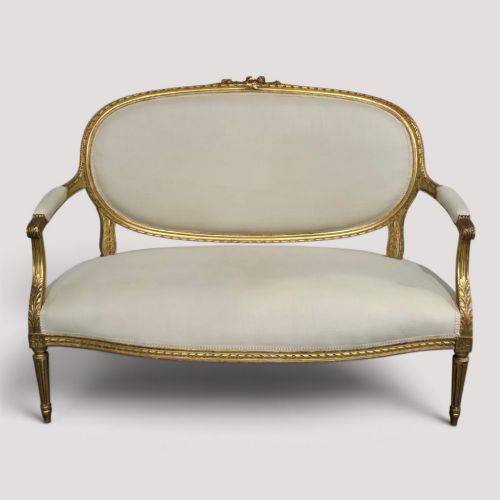
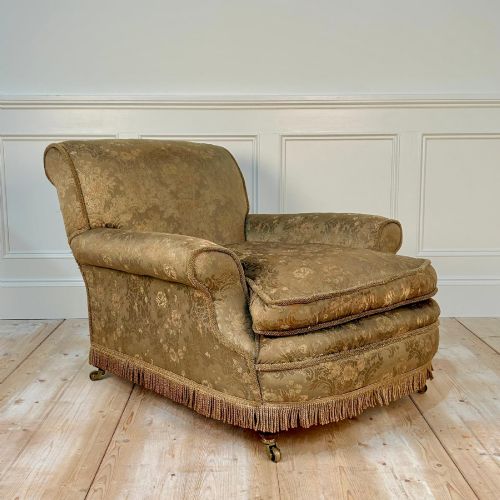
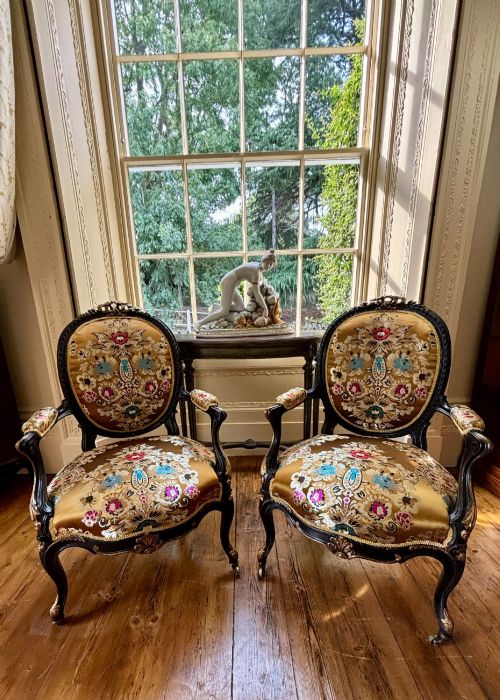
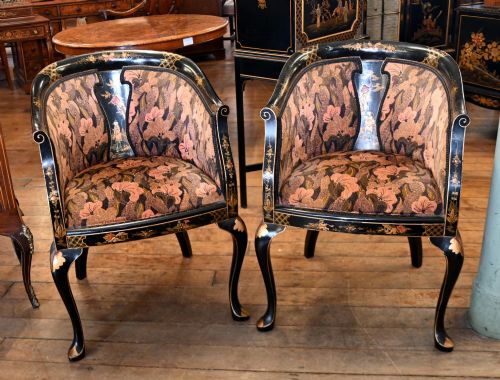
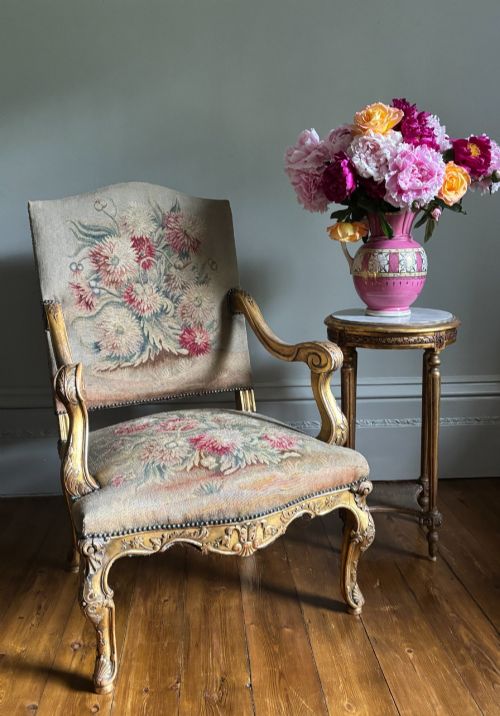
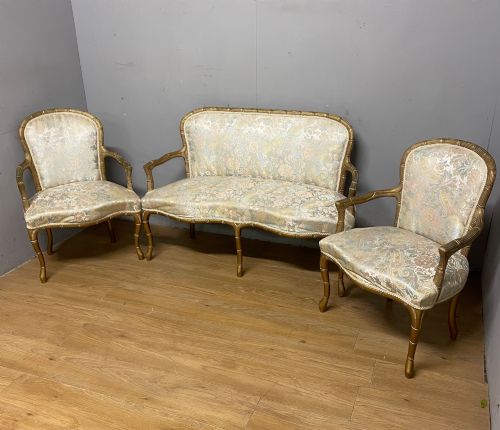
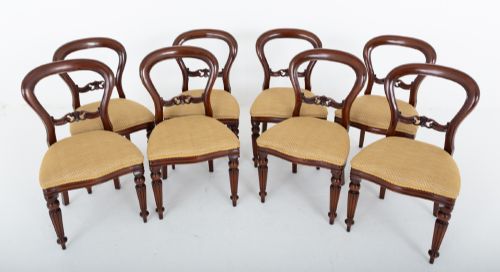
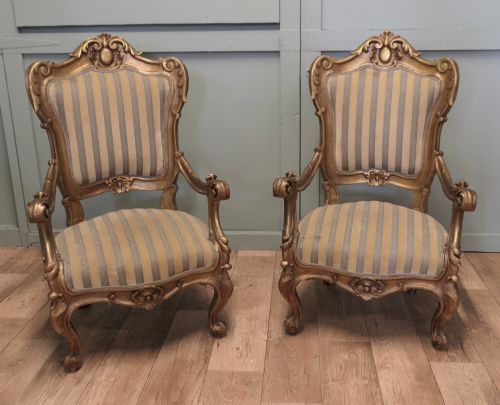
When you search for antique gold seating, you encounter a varied collection of chairs, sofas, and stools defined by gilded wooden frames and rich upholstered surfaces. The forms range from French salon armchairs and giltwood bergères to Victorian mahogany dining chairs and carved window benches.
You are most likely to meet pieces originating from the nineteenth century, with strong representation of French Louis XVI, Rococo, and Empire revival styles alongside English Victorian framework. These seats served in formal parlours, drawing rooms, and salons where gilded finishes signalled social standing.
The selection also spans bronze and gilt-bronze figurative pieces depicting seated deities and historical figures, alongside wooden seating structures enhanced with gold leaf, parcel gilding, and brass details. Each category reflects the prevailing taste for ornate ornamentation across European and Asian traditions.
Materials and construction methods
Makers shaped these frames from solid hardwoods like mahogany, walnut, and oak, often carving intricate floral motifs, fluted legs, and scroll arms directly into the timber. Gilding was applied using thin layers of gold leaf or liquid gold paint over a prepared gesso and bole base to achieve a brilliant metallic sheen.
Upholstered versions relied on traditional stuffing materials such as horsehair and wool, secured with webbing and springs before being covered in velvet, damask, silk, or needlepoint fabric. Frames joined together through traditional mortise and tenon joinery, while gilt-bronze figures utilised lost-wax casting techniques followed by fine chasing and fire gilding.
Antique Gold Seating Retail Price Guide 2026
Typical asking prices for gold seating among the pieces listed under this phrase on Sellingantiques today, from the lower quarter to the upper quarter. They describe what is for sale here now, not the wider market.
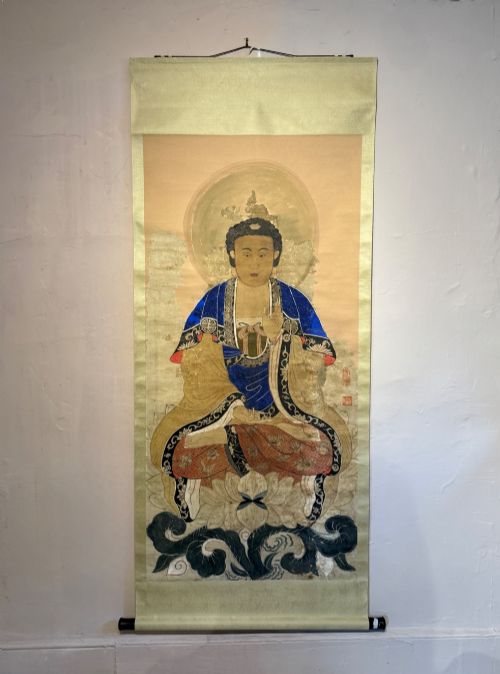
A fierce wrathful protector deity sits atop a tiger, proving gold seating suits immortals just as well.
Distinctions in quality
Quality rests upon the crispness of the hand-carved ornamentation on the wooden frames and the depth of the gilding applied to the surface. Superior examples display sharply defined acanthus leaves, smooth scrollwork, and intact gold leaf that catches the light without modern paint touch-ups.
The integrity of the structural joinery and the authenticity of the upholstery padding dictate the physical resilience of the piece. Workshops that employed skilled cabinetmakers and used premium timbers produced seating that maintains structural stability through centuries of use.
Loidrault Freres Paris·Etienne-Henri Dumaige·Franz Bergman
The Antique Gold Seating Glossary
- Giltwood
- Wood that has been coated with a thin layer of gold leaf or gold powder. This finish was widely applied to eighteenth and nineteenth-century frames to create an opulent metallic appearance.
- Bergère
- An enclosed upholstered armchair with wooden sides and a padded back. Originating in France, this seat style prioritised comfort while retaining formal elegance.
- Fauteuil
- An open-arm armchair featuring an exposed wooden frame and upholstered back and seat. The arms typically end in padded elbow rests above carved cabriole legs.
- Parcel Gilt
- A decorative technique where only specific portions of a wooden or metal object are gilded, leaving the underlying wood grain or ebonised surface visible elsewhere.
- Cabriole Leg
- A furniture leg that curves outward at the knee and tapers inward toward the foot, mimicking animal limbs. It frequently terminates in scroll or pad feet on period seating.
Antique Gold Seating: Frequently Asked Questions
How do I identify French revival styles in seating?
French revival pieces incorporate distinct architectural vocabulary from specific historical reigns, such as the straight tapered legs and neoclassical symmetry of Louis XVI or the flowing asymmetric curves of Louis XV and Rococo designs. Makers during the nineteenth century intentionally replicated these motifs to satisfy demand for classical grandeur.
Examining the carving depth and the joinery methods helps distinguish genuine nineteenth-century revival work from later reproductions. The application of giltwood and the choice of upholstery fabrics further anchor the piece to its specific revival period.
What is the difference between a salon chair and a dining chair?
Salon chairs are designed for decorative impact and relaxed conversation in reception rooms, featuring lower seats, wider proportions, and exposed carved frames with giltwood or polished mahogany finishes. They often include upholstered backs and open arms tailored for comfort.
Dining chairs are built taller and straighter to position diners upright at a table, prioritising structural support over plush cushioning. Their frames are typically constructed entirely from hardwoods like mahogany without elaborate armrests.
How should I care for giltwood frames?
Giltwood surfaces require gentle dusting with a soft, dry ostrich feather brush or a clean microfiber cloth to prevent abrasive particles from scratching the delicate gold leaf. Avoid using water, chemical polishes, or commercial cleaners, as moisture strips away the underlying gesso and gold layer.
Keep gilded seating away from direct sunlight and heat sources to prevent the wood from warping and the gesso from cracking. Stable indoor humidity levels preserve both the wooden frame and the metallic finish.
Can I use antique upholstered seating every day?
Period seating handles regular domestic use provided the internal webbing, springs, and horsehair stuffing remain stable and supportive. Many pieces retain sturdy hardwood frames that withstand daily sitting when treated with reasonable care.
If the internal padding has deteriorated or the fabric shows threadbare patches, professional reupholstery using traditional materials preserves the piece's integrity. Consulting a conservator ensures the internal structure supports modern weight distributions safely.