

Antique Gold Sconce Light
These antique gold sconce light pieces combine functional illumination with rich metallic finishes, bringing period elegance directly to domestic walls.
Antique Gold Sconce Light
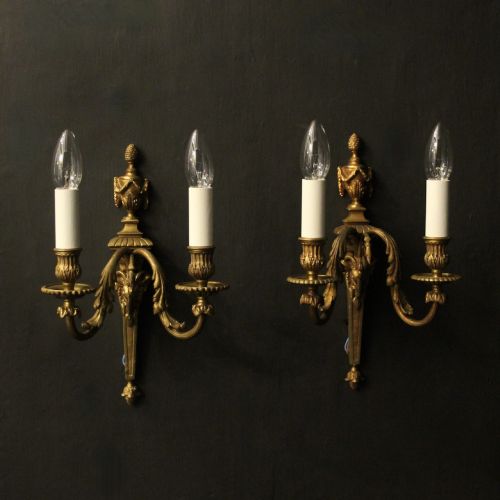
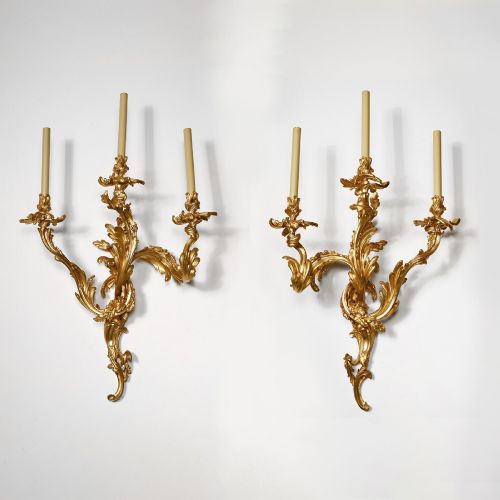
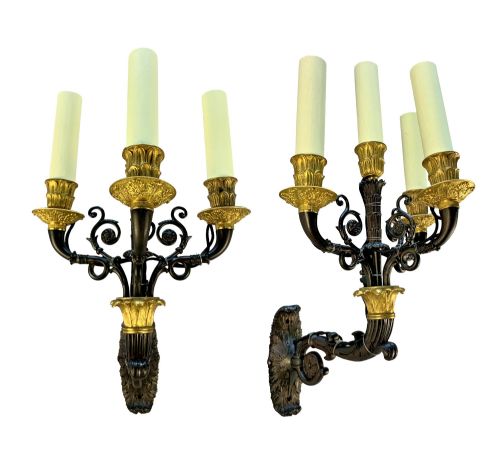
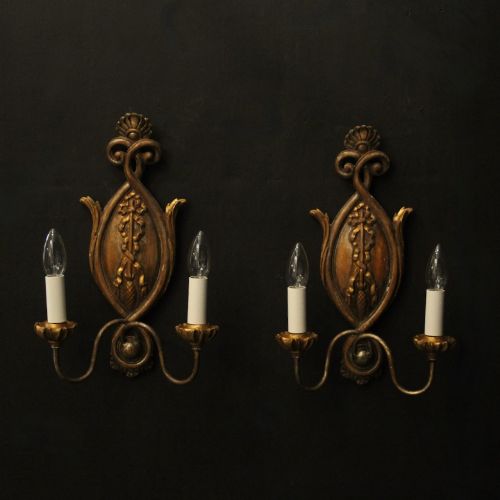
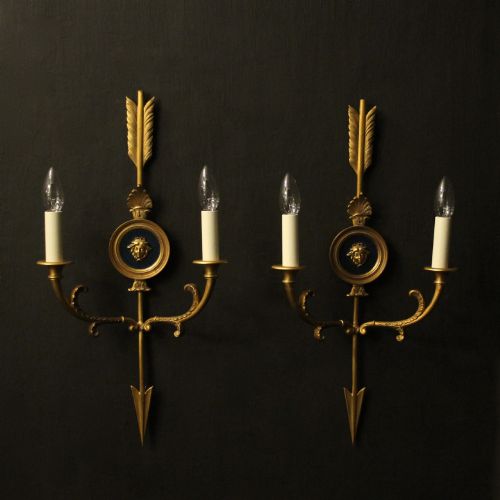
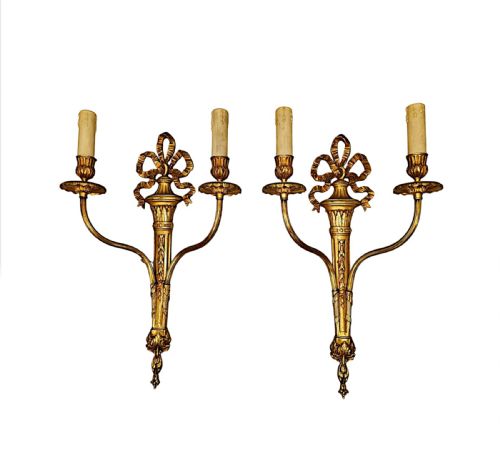
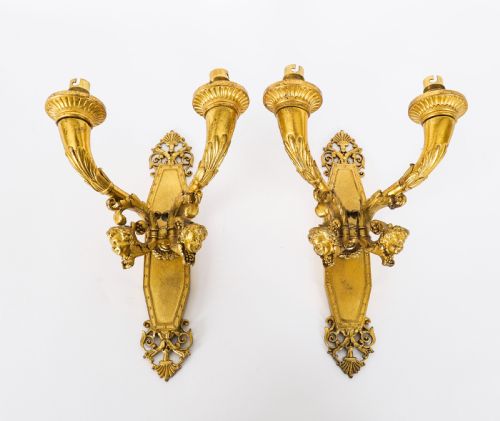
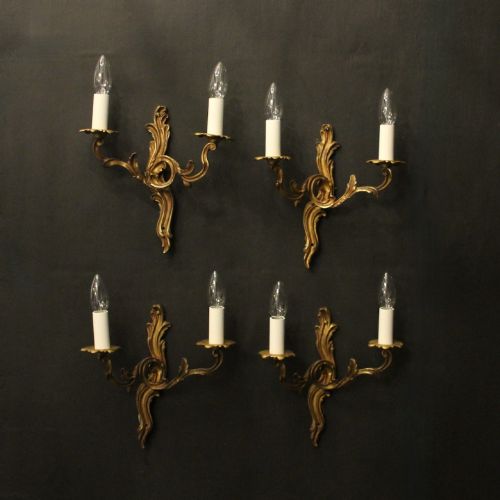
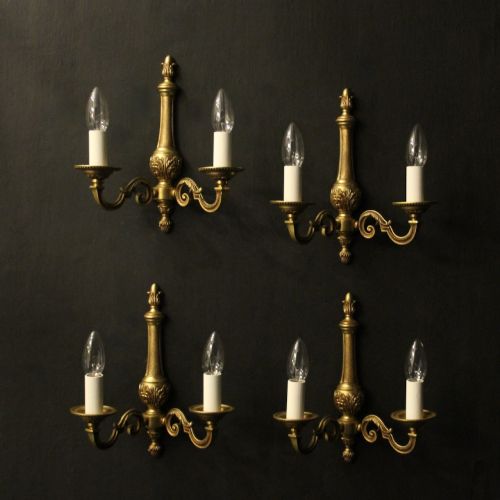
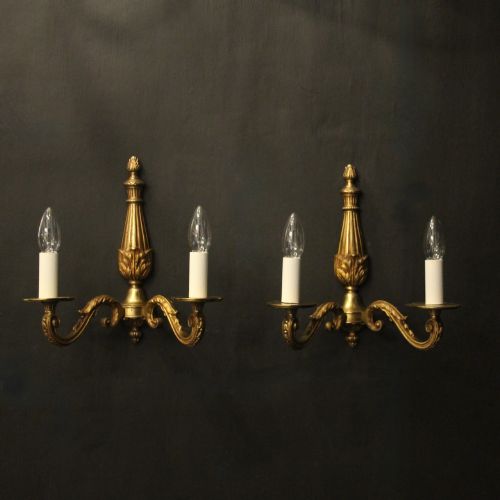
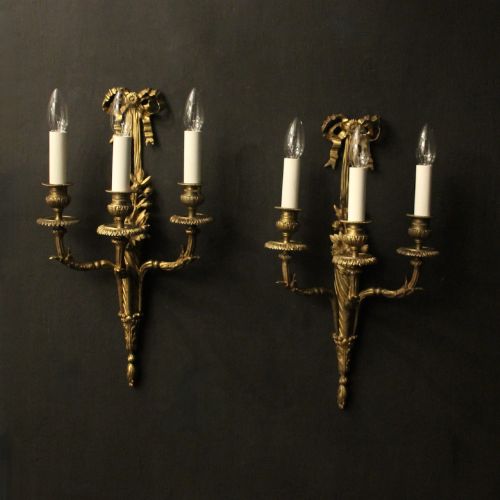
An antique gold sconce light encompasses wall-mounted lighting fixtures and candleholders finished in gilt, ormolu, or polished brass. Buyers searching this phrase will find a strong representation of French designs, particularly pairs of twin-arm lights originating from the early twentieth century and the nineteenth century. These fixtures draw upon historical aesthetics including French Rococo, Louis XVI, and Empire styles, translating grand architectural motifs into domestic wall adornments.
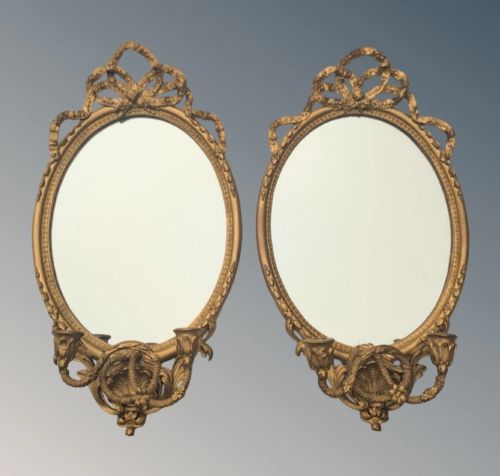
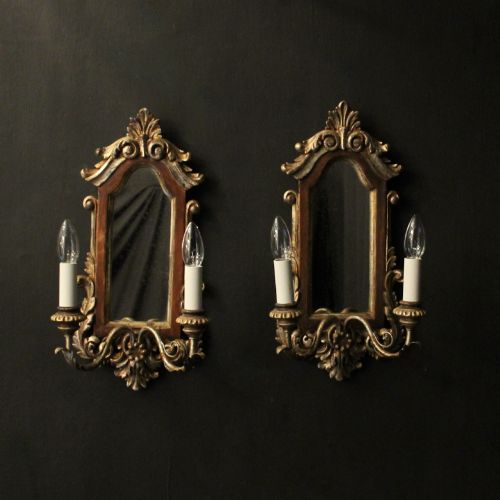
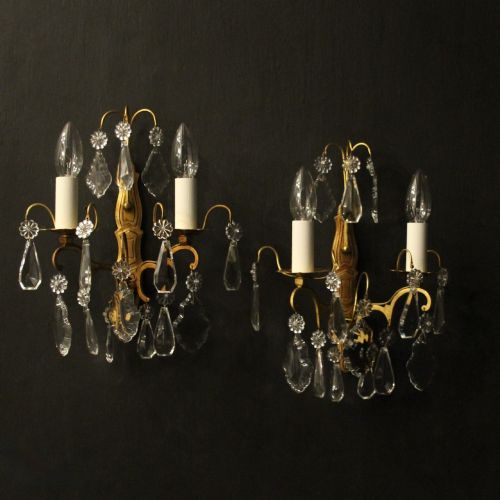
Beyond standard wall lights, the category extends to include girandoles, crystal-accented appliques, half-lanterns, and mirror-backed sconces. Many examples feature multiple candle branches or light arms, cast in bronze or brass and treated with historical gilding techniques. Whether originating from French workshops or Italian carvers working in giltwood, these objects function simultaneously as sources of warm illumination and sculptural wall art.
How They Were Made
The construction of these fixtures relies heavily on metal casting, utilising bronze, brass, and ormolu that was frequently hand-chased after casting to sharpen intricate floral or scroll details. Gilding methods varied from mercury gilding on early ormolu to applied gold leaf on carved wooden giltwood frames. Glass components, including crystal drops and panels, were integrated alongside hand-carved wood elements to catch and reflect the ambient light.
Makers employed traditional joinery and metalworking techniques to assemble multi-branch fixtures, securing arms with threaded bolts or pins. Wooden backplates and girandoles were hand-carved from timber such as gesso-coated wood, providing a stable foundation for delicate leaf and ribbon motifs. The combination of durable metal foundations and fragile decorative elements required precise craftsmanship to ensure the fixtures could support the weight of multiple branches safely on a wall.
Listings span the eighteenth century through the 1930s, showcasing materials from raw brass and giltwood to fine ormolu.
What Varies in Quality
The caliber of an antique gold sconce light depends heavily on the crispness of the casting and the depth of the subsequent hand-chasing. Superior examples display sharply defined acanthus leaves, crisp ribbon folds, and smooth transitions in the metalwork that reflect hours of skilled hand-finishing. Lesser pieces often exhibit softer contours and blurred decorative details where the mould has been reused excessively or the finishing work rushed.
Material composition and the preservation of the original surface finish dictate the upper tiers of the category. Ormolu and fire-gilded bronze retain a warm, multifaceted lustre that chemical plating or modern paint simply cannot replicate. Furthermore, structural integrity matters greatly; pieces that retain their original matched components, structural brackets, and untouched gilding represent the finest survivals of their respective periods.
W.A.S. Benson·Bruce Talbert·Maison Baguès·Casier
The Antique Gold Sconce Light Glossary
- Ormolu
- Finely ground high-carat gold applied to a bronze base using a mercury amalgamation process. This historic technique produces a deep, enduring golden lustre characteristic of fine French decorative objects.
- Girandole
- An ornamental branched candlestick or light fixture, frequently incorporating a mirror backplate to multiply the reflected illumination in a room. These pieces combine reflective glass surfaces with carved or cast arms.
- Applique
- A wall-mounted light fitting designed to hold candles or electric bulbs, often featuring decorative backplates. The term is frequently used interchangeably with wall sconce in continental European contexts.
- Giltwood
- Wood, typically carved gesso-coated timber, that has been decorated with thin gold leaf applied over a prepared ground. It appears frequently in Italian and English mirror frames and decorative wall sconces.
- Campana
- A vase-shaped or bell-shaped architectural component, often seen forming the socket or bobeche of a candlestick or sconce. The design borrows directly from classical antiquity.
Antique Gold Sconce Light: Frequently Asked Questions
How do I wire an antique wall sconce?
Many antique sconces designed originally for candles or early gas have been adapted over time to accept modern electrical wiring through the central mounting channel.
Qualified electricians can usually run discreet internal wiring through the existing brass or bronze arms without compromising the structural integrity of the piece.
Were these lights originally for candles or electricity?
The vast majority of nineteenth-century and earlier sconces were manufactured specifically to hold wax candles or oil before electricity became standard in domestic interiors.
Twentieth-century examples, particularly those dating from the 1920s and 1930s, were frequently produced during the transition period and may show evidence of early electrical adaptation.
How should I clean gilded bronze fixtures?
Dusting gently with a soft, dry artist's brush is the safest method to remove accumulated particles from intricate ormolu and carved giltwood surfaces.
Harsh commercial metal cleaners and abrasive cloths must be avoided entirely, as they will strip away the delicate historic gold leaf or fire-gilt finish.
Can I hang heavy bronze sconces on drywall?
Due to the substantial weight of cast bronze, brass, and timber components, these fixtures require secure fixing directly into wall studs or solid masonry.
Proper weight distribution ensures the wall mountings remain stable and prevents the fixture from pulling away from the plaster.