
Antique Gold Lavalier
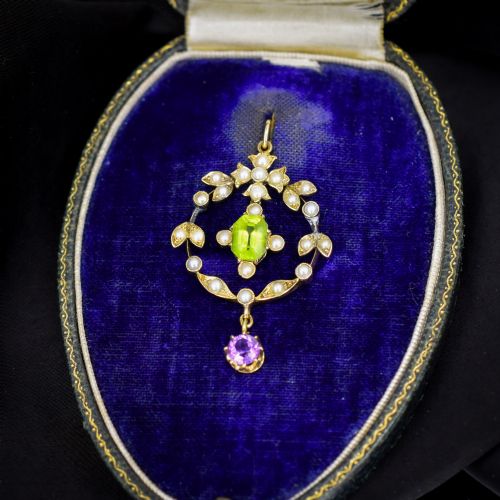
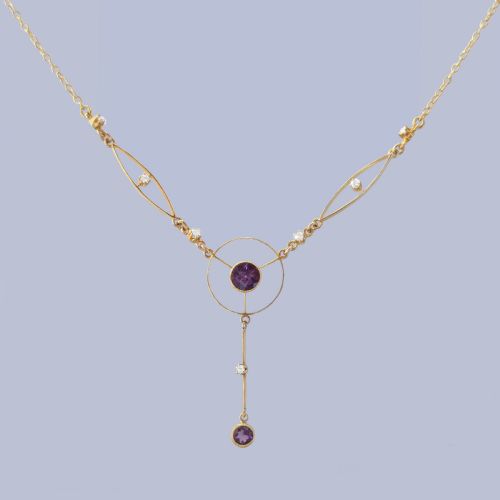
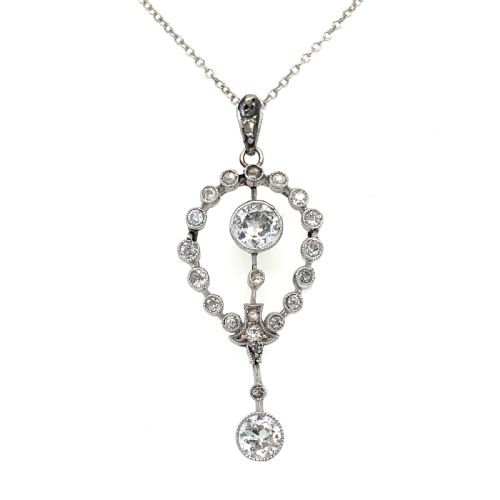
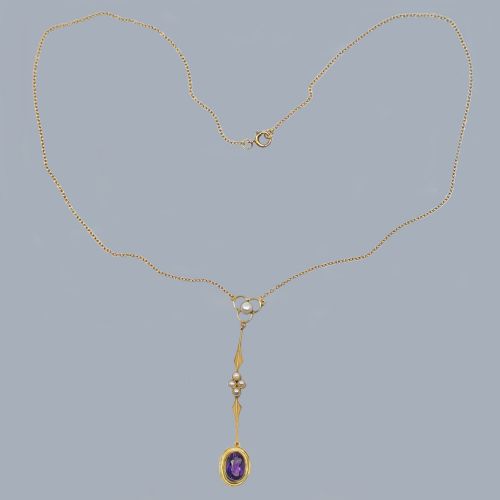
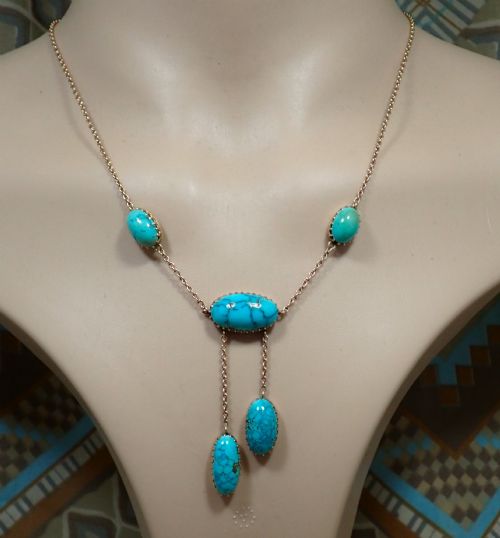
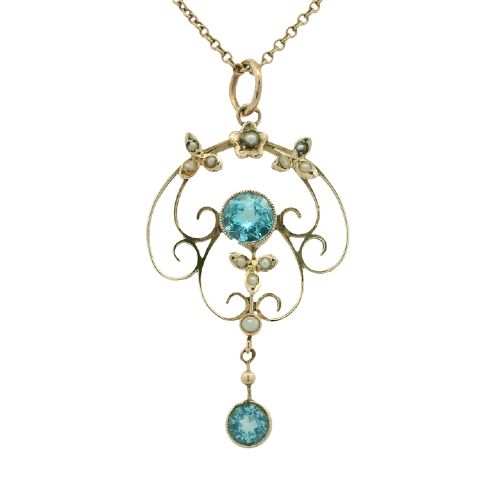
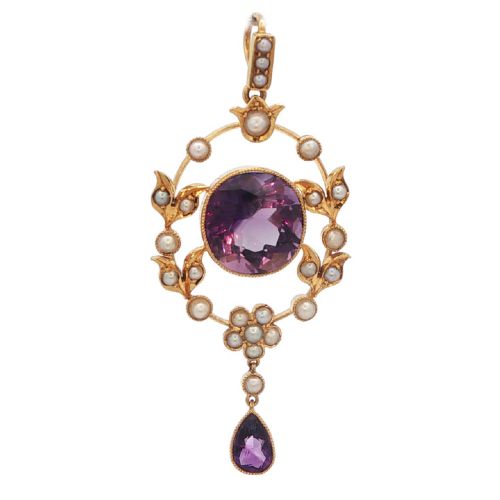
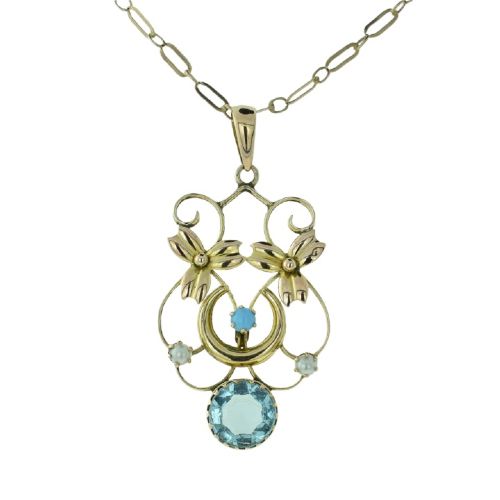
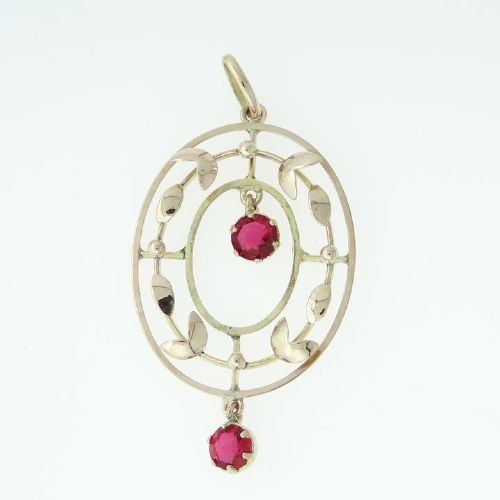
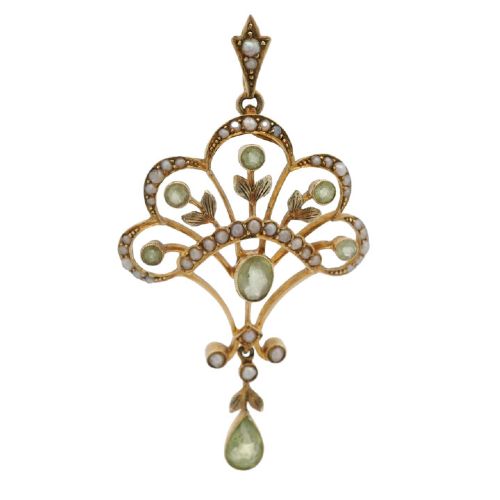
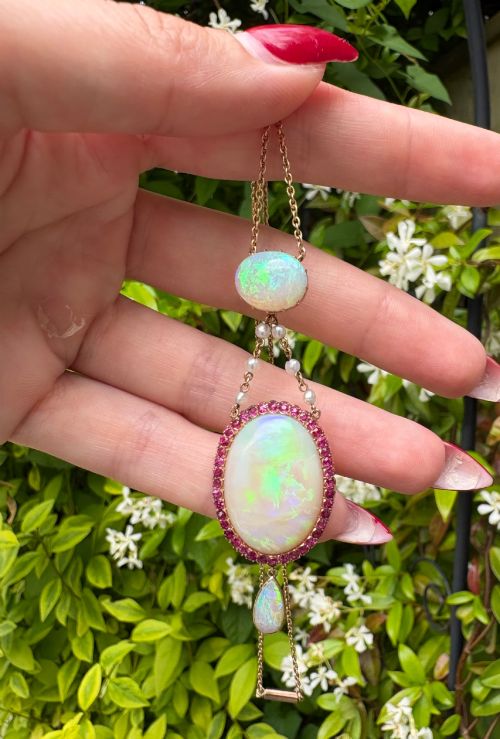
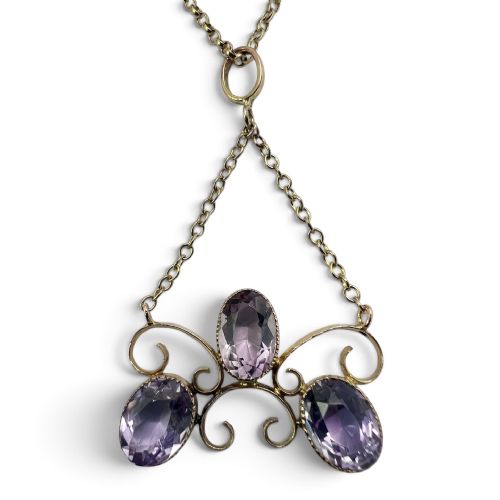
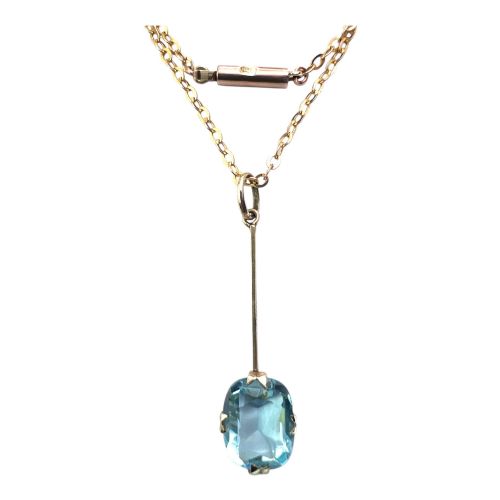
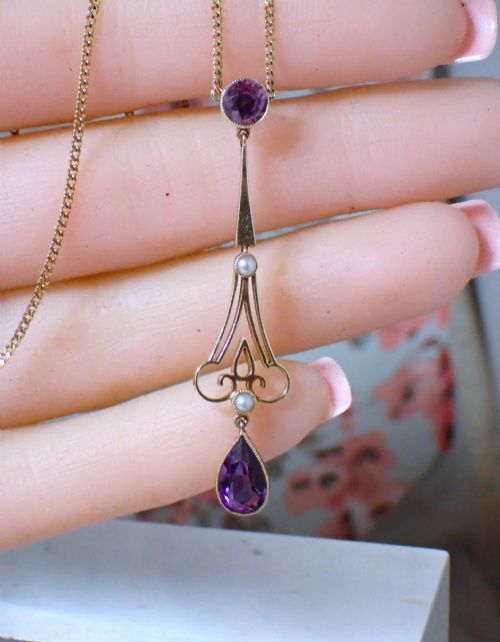
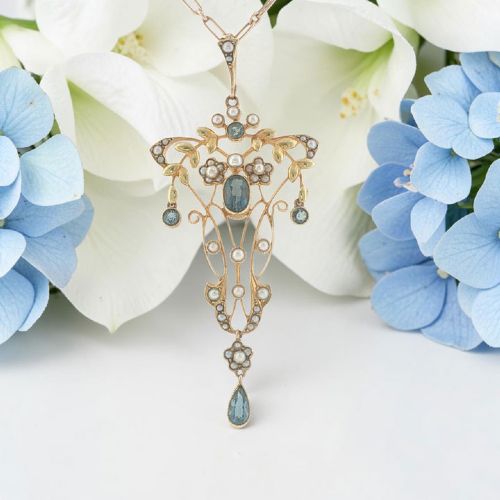
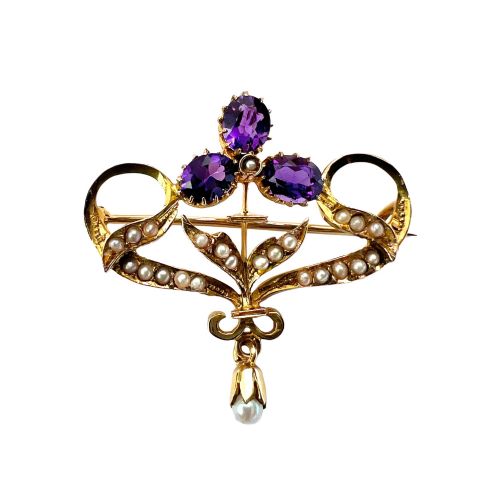
Delicate drops suspended from fine chains, an antique gold lavalier brings the graceful movement of the Edwardian and Victorian eras straight to the neckline.
Materials and Construction
The framework of these necklaces relies on cast and fabricated gold in varying purities, predominantly nine-carat and fifteen-carat standards, alongside occasional uses of eighteen-carat gold and platinum settings. Metalwork techniques frequently combine fine wirework, gallery settings, and articulated joints that allow the necklace to drape smoothly.
Gems are secured using traditional claw settings, collets, and delicate bezel mounts, while seed pearls are typically threaded on fine silk or held with tiny pegs. The integration of cascading drops requires sturdy yet invisible linkages to maintain both flexibility and structural integrity.
Distinctions in Quality
The distinction between standard examples and the finest pieces often rests upon the harmony of the gemstone selection and the finesse of the metalwork. Higher-tier items display meticulously matched stones, such as uniformly lustrous seed pearls and cleanly saturated amethysts or peridots, rather than mismatched or replacement gems.
Execution of the metal design further separates quality grades, where superior examples exhibit crisp, hand-finished detailing in Art Nouveau tendrils or Edwardian openwork rather than softened castings. The presence of original matching chains and maker marks provides additional indicators of superior craftsmanship.
Antique Gold Lavalier Retail Price Guide 2026
Typical asking prices for gold lavalier among the pieces listed under this phrase on Sellingantiques today, from the lower quarter to the upper quarter. They describe what is for sale here now, not the wider market.
Listings feature fifteen-carat and nine-carat gold alongside platinum, incorporating peridot, amethyst, and aquamarine across Victorian and Edwardian periods.
S. Blanckensee & Son·Murrle Bennett·Hamilton & Co
The Antique Gold Lavalier Glossary
- Lavalier
- A pendant necklace featuring a central stone or drop suspended lower than the main mounting, popularised in the late nineteenth and early twentieth centuries. This form allows the lower element to move independently from the upper collar.
- Seed Pearl
- Extremely small, naturally occurring or cultured pearls utilised extensively in Edwardian and Victorian jewellery to frame larger gemstones. Their uniform size and delicate placement require considerable skill to mount securely.
- Art Nouveau
- A design style spanning the turn of the twentieth century characterised by organic, fluid lines and asymmetrical plant-inspired motifs. Pieces from this period often reject rigid symmetry in favour of whip-like curves.
- Collet
- A small band or collar of metal that holds a gemstone in place by encircling its girdle. This traditional setting technique secures faceted or cabochon stones without obscuring their profiles.
Antique Gold Lavalier: Frequently Asked Questions
What is a lavalier necklace?
A lavalier is a pendant necklace featuring a primary decorative drop suspended beneath the main body, designed to catch the eye with its movement. The style gained immense popularity during the Edwardian era and the late Victorian period.
These pieces typically hang from very fine gold chains, often incorporating pearls and coloured gemstones in balanced, symmetrical or flowing arrangements.
How do I care for antique pearl jewellery?
Seed pearls require gentle treatment because organic material is sensitive to moisture, perfumes, and cosmetics. They should be wiped clean with a soft cloth after wearing and stored separately to avoid scratching.
Submerging antique necklaces in liquid jewellery cleaners can weaken the historic silk threading or adhesives used in early mountings, so professional inspection is advised for older pieces.
Can these pendants be worn as brooches?
Many period necklaces were constructed with hinged pin stems and safety catches on the reverse of the main pendant, allowing dual wear as a brooch. This versatility was common in Victorian and Edwardian workshops.
When wearing a convertible piece as a necklace, ensure the bail or suspension loop is secure alongside the tucked-away pin mechanism to prevent loss.