


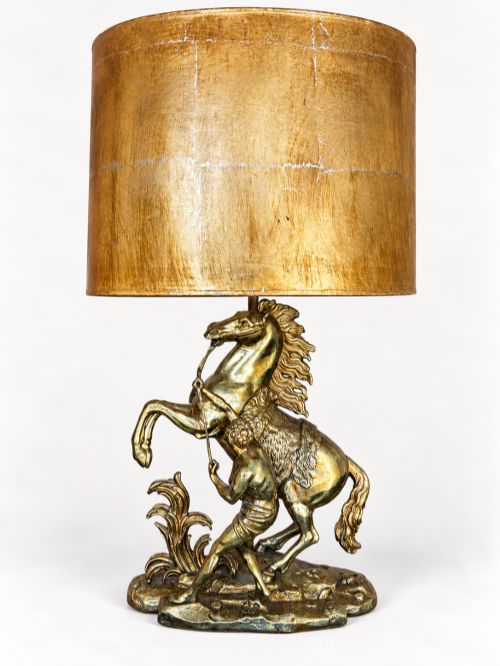
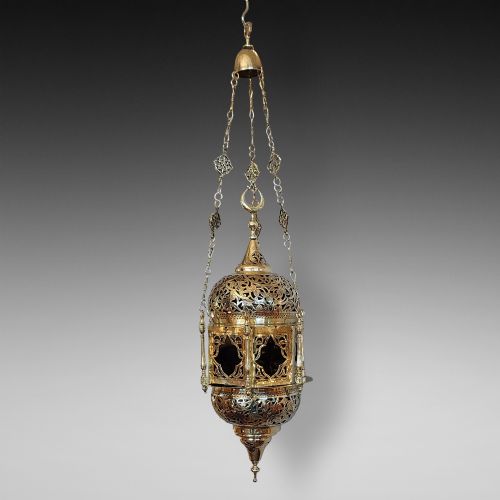
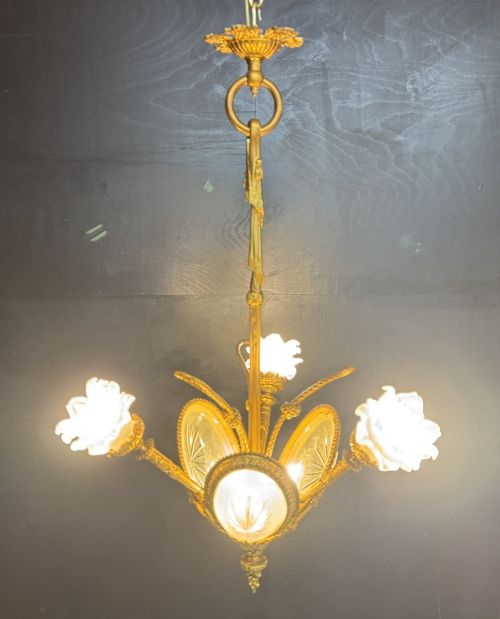
Antique Gold Lamp
An antique gold lamp brings warmth and ornate detail to a room, drawing the eye with polished brass, gilt bronze and shimmering crystal.
Antique Gold Lamp
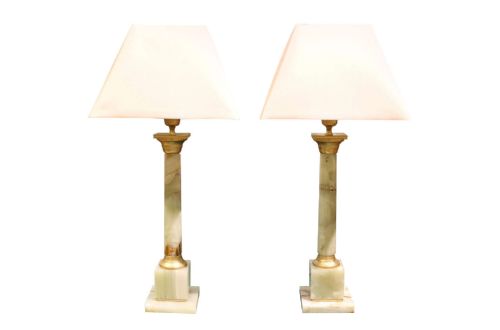
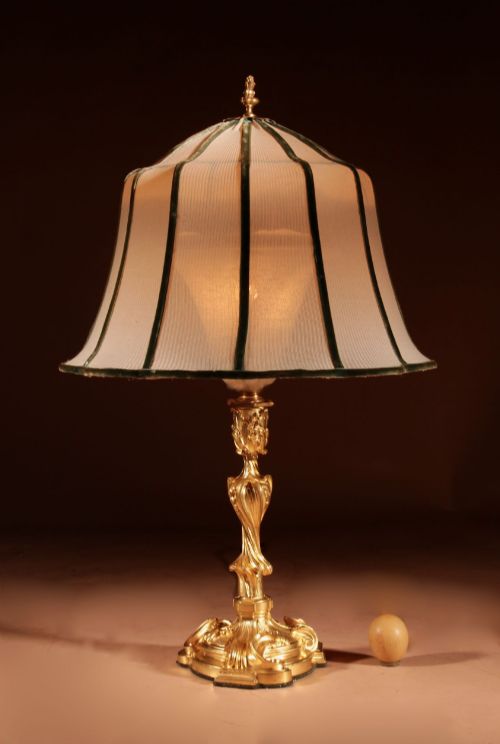
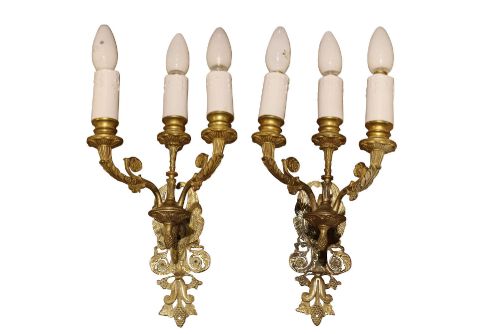
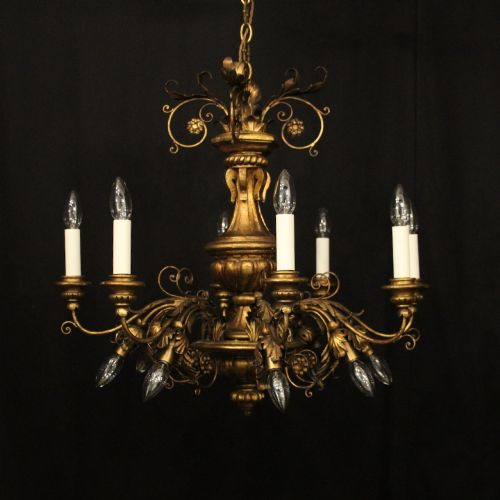
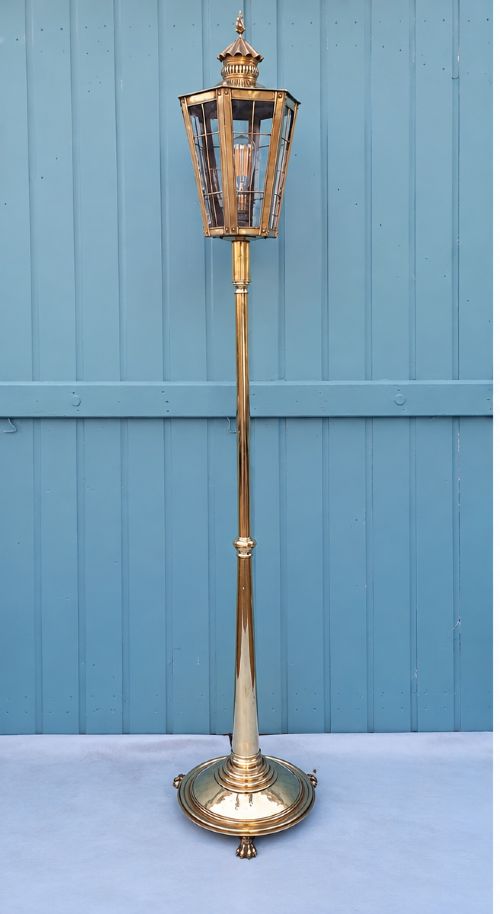
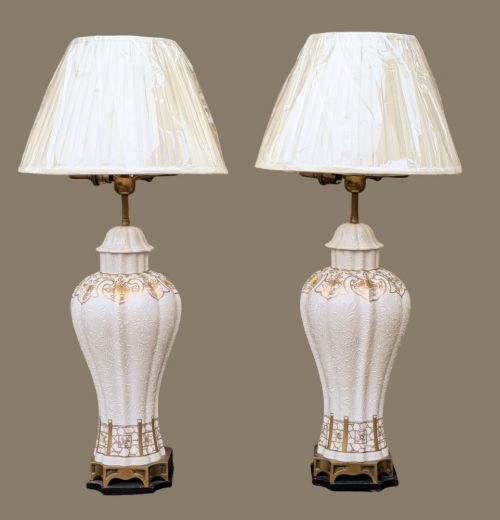
When searching for an antique gold lamp, collectors encounter a diverse selection of lighting fixtures fashioned primarily from brass, gilt bronze, gilt metal and gilded brass. These pieces span from the Victorian and Edwardian eras into the early twentieth century, reflecting stylistic revivals from Neoclassical and French Rococo to Art Nouveau and early Gothic.
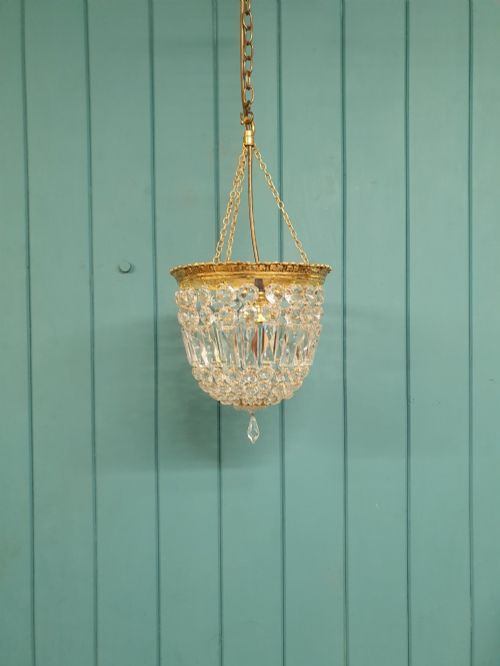
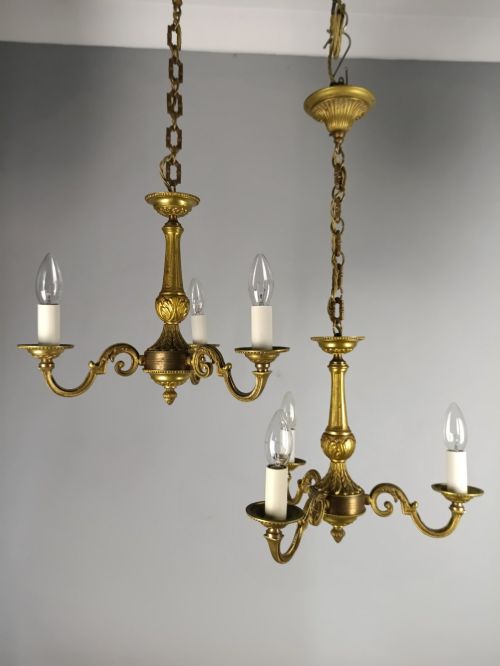
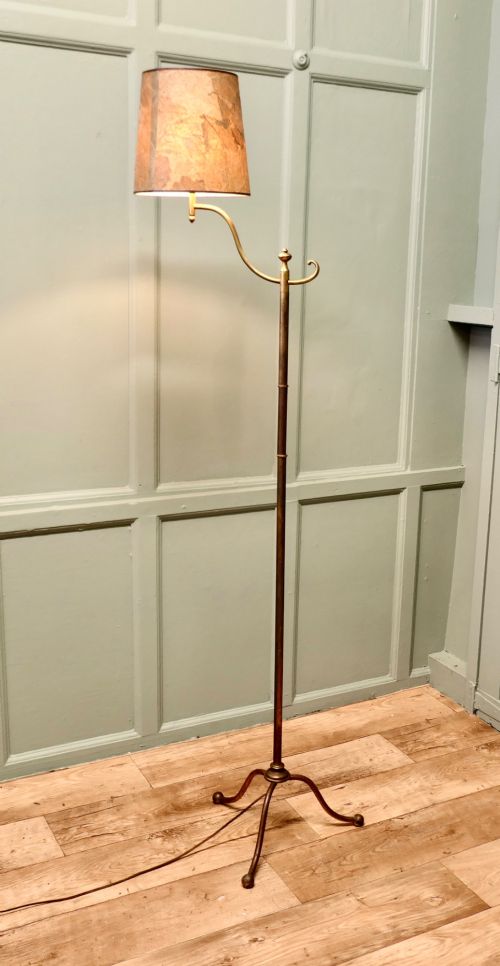
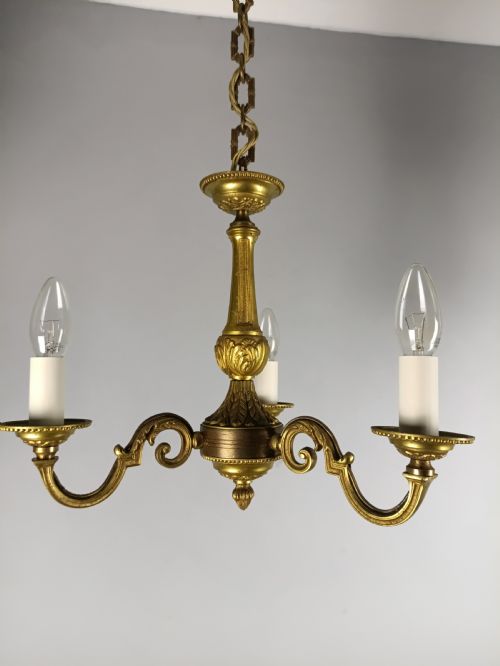
Table lamps, standard lamps and wall brackets dominate the choices, often appearing alongside related lighting forms such as chandeliers and converted oil lamps. Many items demonstrate French influence, particularly through elaborate gilt bronze and crystal configurations, while others showcase simpler British brass designs or converted Victorian telescopic oil lamps.
How they were made
The construction of these lamps relies heavily on cast and worked metals, predominantly brass, gilt bronze and gilt metal, often combined with natural materials like marble, alabaster, carved pine or glass crystal. Artisans employed casting, chasing and gilding techniques to achieve rich metallic surfaces, frequently pairing metalwork with fabric shades or intricate cut glass elements.
Many items incorporate functional engineering, such as telescopic mechanisms on oil lamps or adjustable arms on wall and table lights, reflecting the technological transitions from oil to electricity. Detailed hand-carving appears on wooden and giltwood components, while metal frames are assembled using traditional mechanical joints and fixings appropriate to each period.
Antique Gold Lamp Retail Price Guide 2026
Typical asking prices for gold lamp among the pieces listed under this phrase on Sellingantiques today, from the lower quarter to the upper quarter. They describe what is for sale here now, not the wider market.
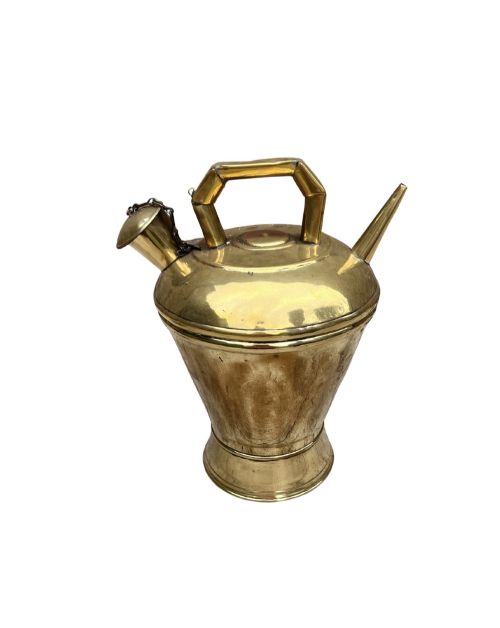
Materials across these listings include solid brass, gilt bronze, carved marble, crystal glass, fabric and lacquered wood.
What varies in quality
Proportion and structural balance influence overall success, as finer examples maintain harmonious lines whether taking the form of a slender neoclassical column or an elaborate rococo revival base. The preservation of original components, such as matching burners, screw threads and heavy weighted bases, further distinguishes better-surviving examples.
W.A.S. Benson·E Rousseau
The Antique Gold Lamp Glossary
- Gilt bronze
- Metal cast in bronze and treated with a gold layer or gold amalgam. This technique provides a durable, lustrous surface frequently seen on French decorative objects.
- Spelter
- An alloy of zinc and other metals often used as a substitute for bronze in decorative figures and lamp bases. It takes gilding and patination well but requires gentle handling due to its relative softness.
- Ormolu
- A historic term applied to gilded bronze mounts and decorative hardware. It describes the golden finish achieved through mercury gilding or modern electroplating.
- Telescopic
- A design feature allowing the height of a lamp stem to be adjusted up and down. This mechanical adaptation is common in Victorian oil lamps converted for modern use.
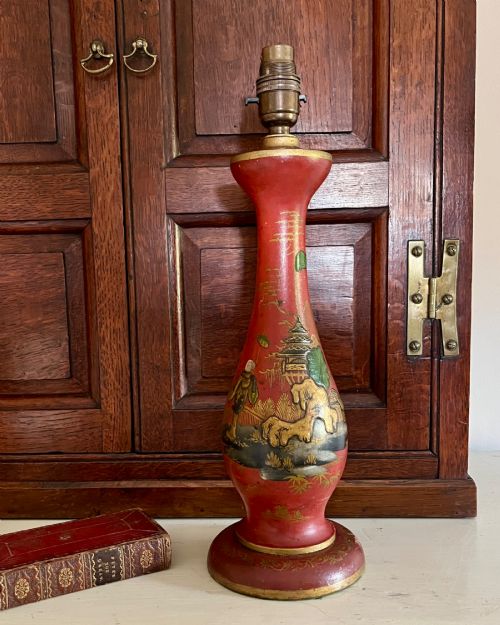
- Chinoiserie
- European artistic style reflecting Chinese decorative motifs and techniques. It appears on lacquered items and occasional furniture associated with period interiors.
Antique Gold Lamp: Frequently Asked Questions
How do I safely rewire an antique lamp?
Rewiring typically requires a competent electrician to thread modern heat-resistant flex through the original channels without damaging the historical metalwork or interior components. Earth wiring must be properly integrated, especially when dealing with conductive brass or bronze bodies.
Retaining original lampholders where possible preserves the integrity of the piece, provided modern internal safety sleeves are fitted. Professional testing ensures compliance with current electrical standards while keeping the exterior appearance untouched.
Can I convert an oil lamp to electricity?
Many Victorian and Edwardian oil lamps undergo conversion to electricity to allow everyday domestic use. This process usually involves passing a cord through the existing burner mechanism or adding a suitable brass adapter without altering the outer silhouette.
Reversible conversion methods are preferred by collectors because they protect the underlying metal and allow future restoration to oil configuration if desired. The original burner components should be stored safely alongside the lamp.
What is the difference between brass and gilt bronze?
Brass is an alloy of copper and zinc with a naturally golden metallic colour throughout the material. It can be polished to a bright shine or left with a subdued historic patina.
Gilt bronze, by contrast, starts as a copper-and-tin alloy that is subsequently coated in a layer of gold. This surface treatment gives a deeper, richer hue and resists tarnishing differently than plain brass.
How should I clean a gilded lamp surface?
Cleaning requires only a soft, dry feather duster or a gentle microfibre cloth to remove settling dust. Moisture, abrasive commercial polishes and chemical cleaners strip away historic gilding and fragile lacquers permanently.
Heavily patinated brass should be left untouched to preserve its age and character. If grime is stubborn, a slightly damp cloth with mild soap can be tested on a hidden area, though professional advice is safer for delicate mercury-gilt finishes.