



Antique Gold Keeper
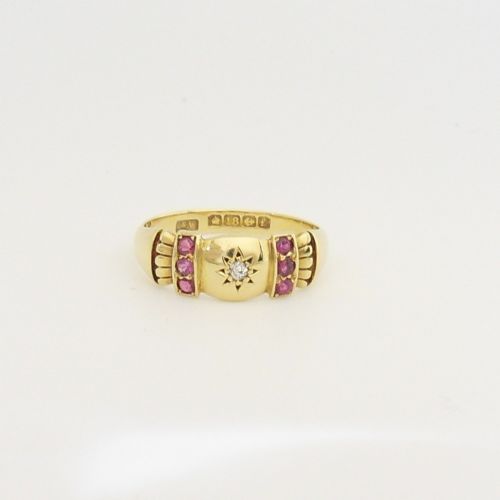
These antique gold keeper rings and related pieces are sturdy bands designed to secure a finer stone ring, offering both security and everyday charm.
Antique Gold Keeper
When you search for antique gold keeper, you find items spanning the Victorian, Edwardian, and nineteenth-century periods, alongside related jewellery like lockets and rings.
The most likely version to meet on this page is the classic ring format, often paired with gemstones like ruby, diamond, or turquoise set in yellow gold.
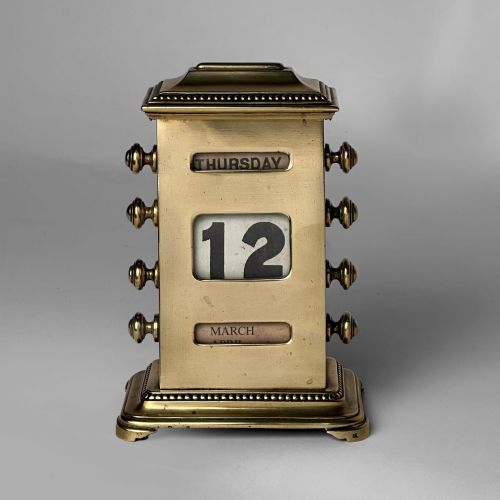
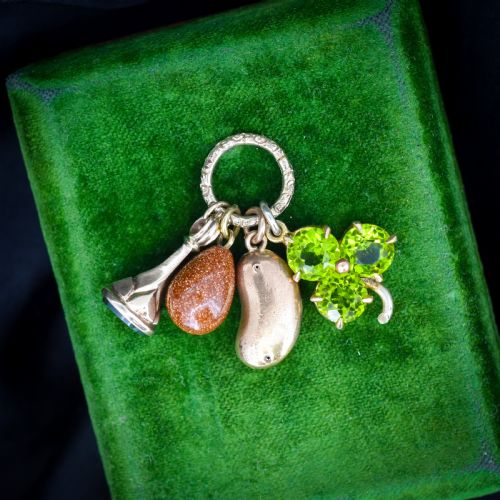
Beyond rings, the selection includes diverse objects such as charms, lockets, and desk accessories, reflecting the varied material culture of the era.
How they were made
Maker construction relies heavily on yellow gold, ranging across nine-carat, fifteen-carat, and eighteen-carat standards.
Pieces frequently incorporate precious and semi-precious stones including rubies, diamonds, seed pearls, and turquoise, secured within traditional settings.
Metalwork utilises casting techniques and detailed engraving, as seen in split rings and lockets.
Antique Gold Keeper Retail Price Guide 2026
Typical asking prices for gold keeper among the pieces listed under this phrase on Sellingantiques today, from the lower quarter to the upper quarter. They describe what is for sale here now, not the wider market.
What varies in quality
Quality rests on the weight and purity of the gold, distinguishing higher carat yellow gold from lower standards.
The choice and cut of gemstones, from diamonds and rubies to turquoise and seed pearls, determine the refinement of the piece.
The clarity of engraving and the structural integrity of settings separate standard workshop output from finer examples.
William Tonks of Birmingham
The Antique Gold Keeper Glossary
- Keeper ring
- A sturdy ring traditionally worn alongside a valuable gemstone ring to prevent it from slipping off the finger. These bands often feature subtle chasing or multiple rows.
- Carat
- A measure of the purity of gold used in jewellery. Higher carats indicate a greater proportion of pure gold in the alloy.
- Split ring
- A small circular ring with overlapping coils used to suspend charms or pendants securely. It functions like a miniature modern key ring.
- Seed pearl
- A very small, naturally formed pearl used extensively in Victorian jewellery clusters and floral motifs. They are typically half-drilled and glued or pegged onto a backing.
- Turquoise
- An opaque, blue-to-green mineral prized in Victorian jewellery for its vibrant colour. It is frequently paired with gold and seed pearls in star and forget-me-not designs.
Antique Gold Keeper: Frequently Asked Questions
What is an antique gold keeper?
An antique gold keeper is a sturdy ring originally designed to sit beside a valuable gemstone ring and prevent it from falling off the finger.
Over time, these pieces became popular items in their own right, appreciated for their durability and distinctive gold work.
How do I date these rings?
Dating relies on hallmarks, gold carat standards, and the specific styles of gemstone settings typical of periods like the Victorian and Edwardian eras.
Comparing the engraving techniques and material combinations also helps narrow down the decade of production.
Can I wear a keeper ring daily?
Yes, because these bands were built to be sturdy and practical, they handle daily wear well.
However, pieces set with softer stones like turquoise or seed pearls require more care than plain gold bands.
What stones are common in keepers?
Rubies, diamonds, and turquoise appear frequently alongside seed pearls in these gold pieces.
These gems reflect the popular decorative choices of nineteenth-century and early twentieth-century jewellers.