
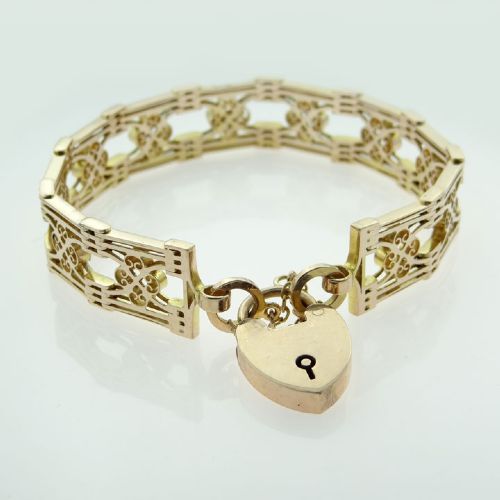
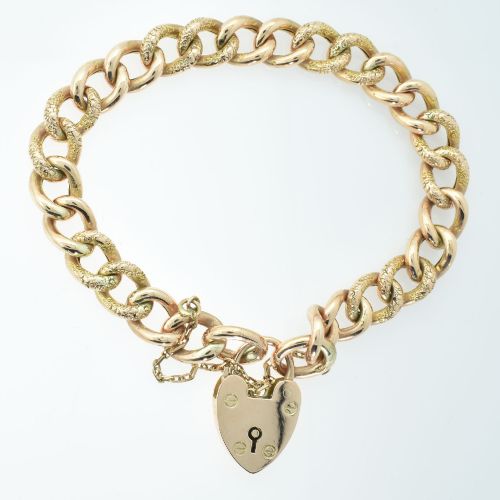
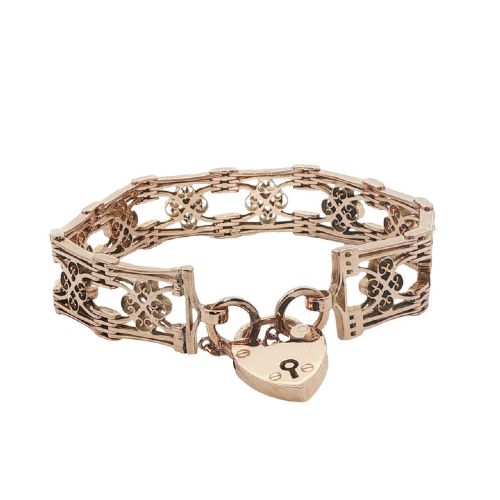
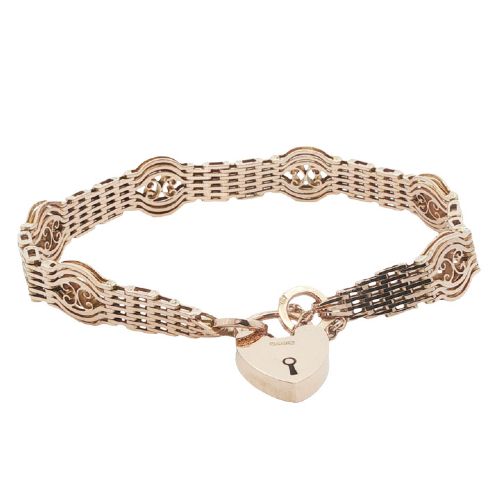

Antique Gold Heart Bracelet
An antique gold heart bracelet combines sentimental symbolism with secure fastening through the enduring design of the heart padlock.
Antique Gold Heart Bracelet
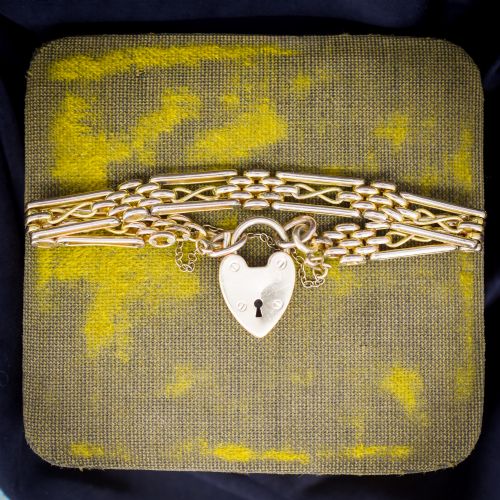
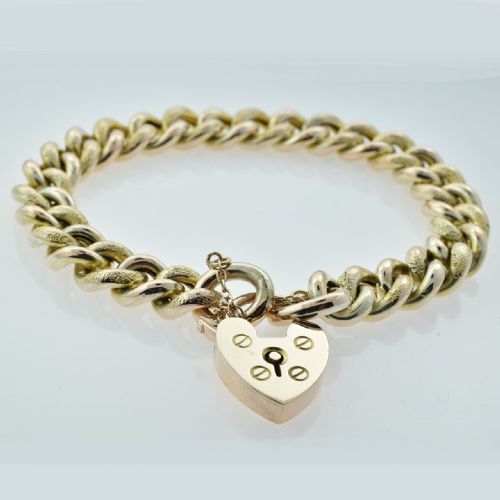
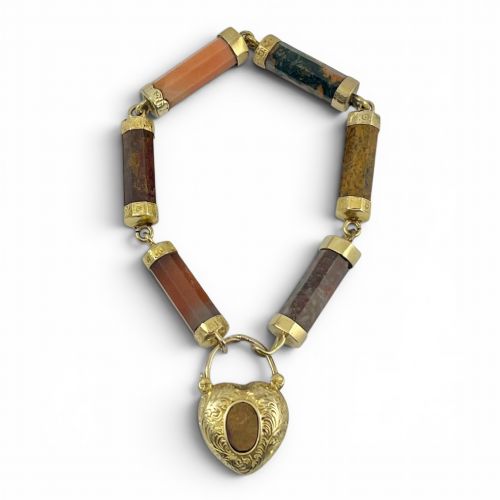
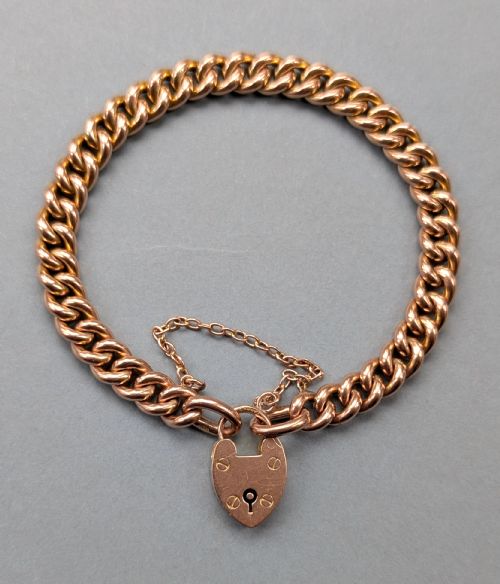
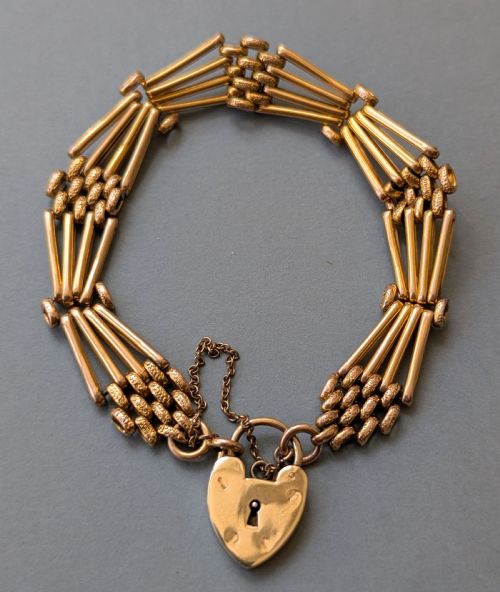
When searching for an antique gold heart bracelet, collectors encounter linked chains and gate bracelets secured by heart-shaped padlocks. The pieces span the Victorian and Edwardian periods, stretching into the early twentieth century.
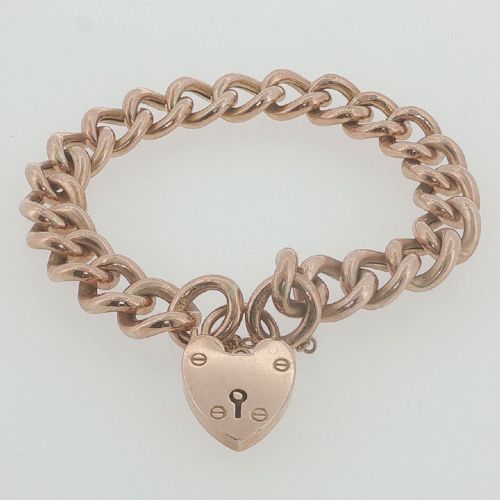
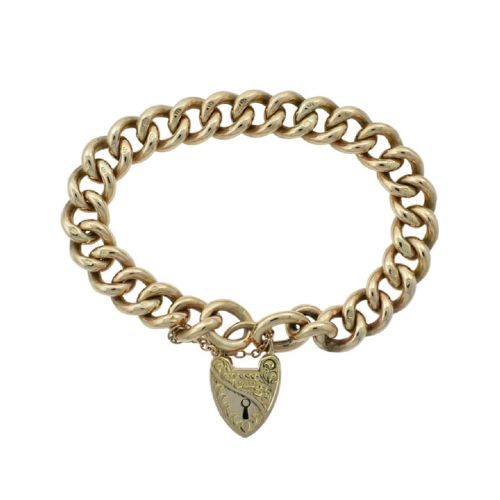
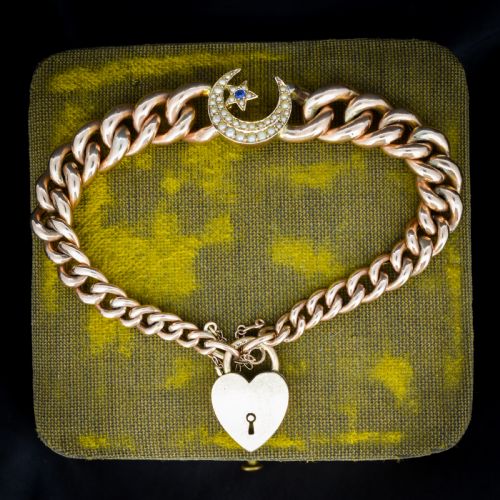
Curb link and gate link formations dominate the designs on this page, often accompanied by safety chains. Many pieces integrate decorative stones alongside the central padlock mechanism.
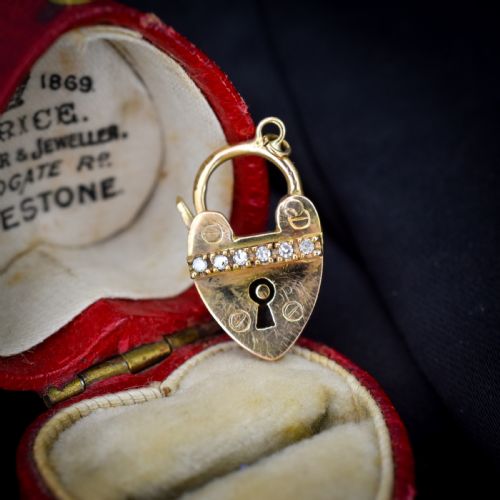
The most common survival from these eras pairs nine-carat rose or yellow gold links with an engraved heart padlock clasp. Gemstone variants incorporate seed pearls, amethysts, rubies, and turquoise.
How they were made
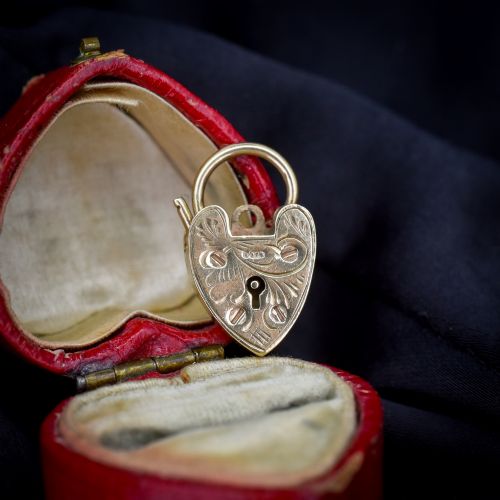
Goldsmiths constructed these chains from nine-carat and fifteen-carat gold, employing hollow and solid links formed into curb and gate patterns. Padlocks were typically stamped or hand-engraved with foliate patterns.
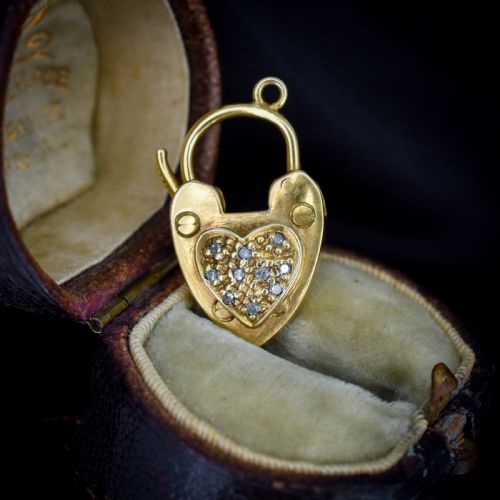
Set stones such as seed pearls, diamonds, and amethysts were mounted using claw or bezel settings embedded directly into the gold framework or onto the padlock face. Hallmarks stamped onto individual links and padlocks record assay offices in cities such as London, Birmingham, and Chester.
Listings feature nine-carat and fifteen-carat gold, alongside rolled gold, spanning the Victorian and Edwardian periods.
What varies in quality
Quality differentiates through the weight of the gold links and the crispness of the hand engraving on the padlock. Substantial curb chains and heavy gate bracelets represent a higher tier of production than lighter, hollow alternatives.
The inclusion of selected gemstones, such as matched diamonds, chrysoberyl, or natural seed pearls set into multi-stone clusters, alters the tier of the piece. Intricate mechanics on opening purse padlocks or fully hallmarked uniform links distinguish finer examples.
The Antique Gold Heart Bracelet Glossary
- Curb link
- A type of chain formed with uniform, slightly twisted links that lie flat. This linkage provides flexibility and strength for daily wear.
- Gate bracelet
- A style composed of parallel vertical bars connected by central links, resembling a decorative garden gate. These typically fasten with a heart padlock.
- Heart padlock
- A functional clasp shaped like a padlock in the form of a heart. It operates with a spring mechanism and secures the bracelet.
- Seed pearl
- A very small, naturally formed or cultured pearl used in clusters or floral motifs. They frequently accent the surface of Victorian padlocks.
- Rolled gold
- A material made by bonding a thin sheet of gold to a base metal core. It offers the appearance of solid gold at a different tier of manufacture.
Antique Gold Heart Bracelet: Frequently Asked Questions
How do I open the heart padlock?
Most heart padlocks operate via a spring-loaded latch that opens when the small protruding bar or bail is gently pressed. Some function as charms or decorative pendants rather than working clasps.
Securing the bracelet relies on ensuring the spring mechanism clicks firmly shut against the jump ring. Safety chains are often attached alongside the padlock to prevent loss.
What is a gate bracelet?
A gate bracelet consists of flat metal bars linked together in rigid or semi-flexible rows. This form gained popularity during the Victorian period.
These pieces almost universally feature a heart-shaped padlock securing the ends. They range from narrow everyday bands to wide, heavy statement pieces.
How do I care for my antique bracelet?
Cleaning antique gold requires warm soapy water and a soft cloth, avoiding harsh chemical dips that damage seed pearls and turquoise. Gemstones like amethysts and pearls need gentle handling to prevent loosening in their settings.
Storing the bracelet flat in a dedicated box protects the links and hinged padlocks from twisting or undue pressure. Regular checks on the safety chain ensure secure wear.