
Antique Gold Halo Ring
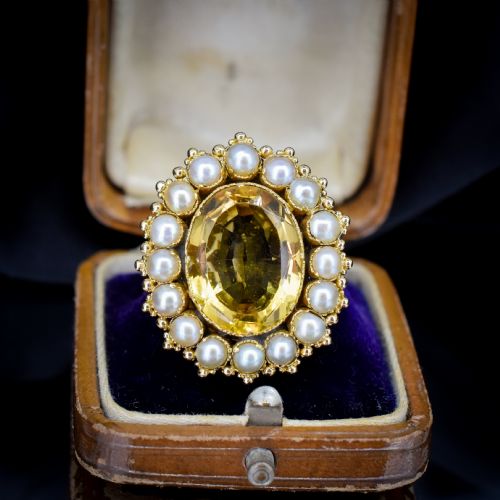
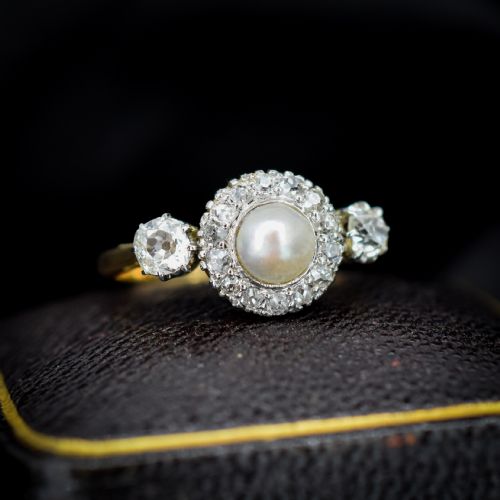
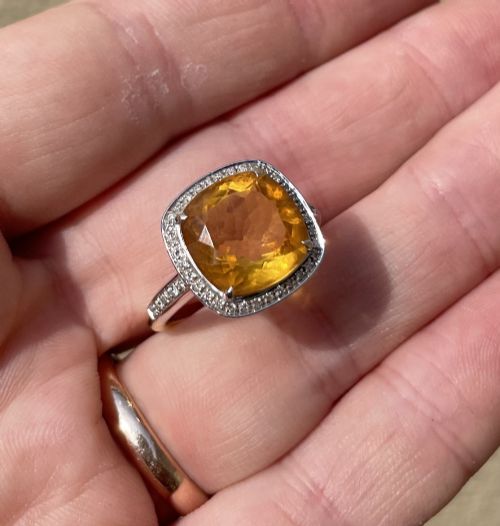
An antique gold halo ring focuses a central gemstone within a radiant border of smaller diamonds, framing colour with exceptional presence on the hand.
Antique Gold Halo Ring
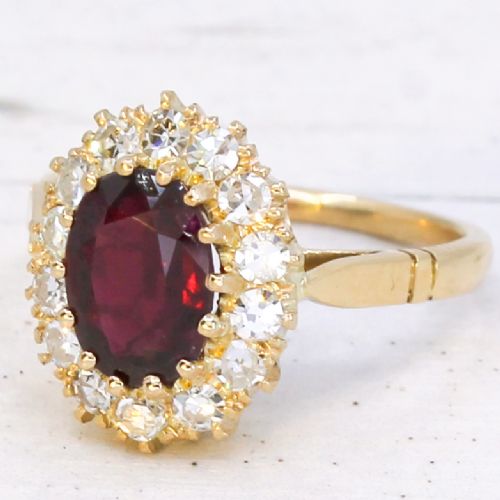
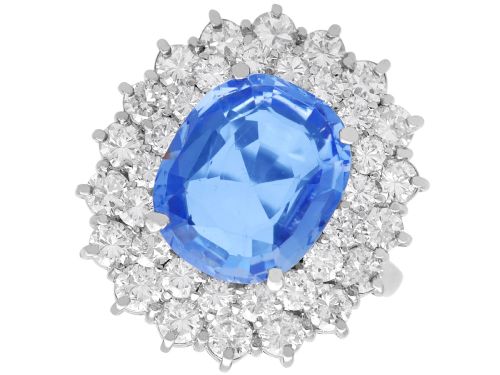
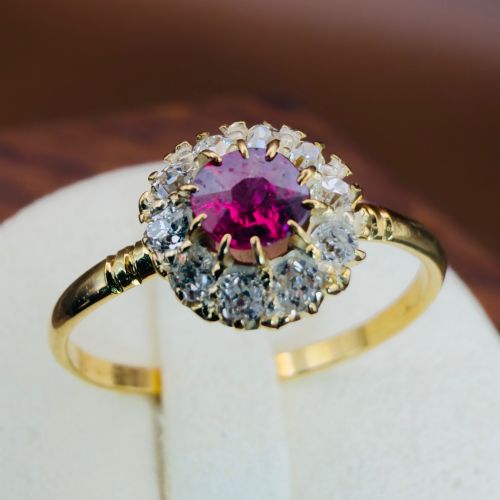
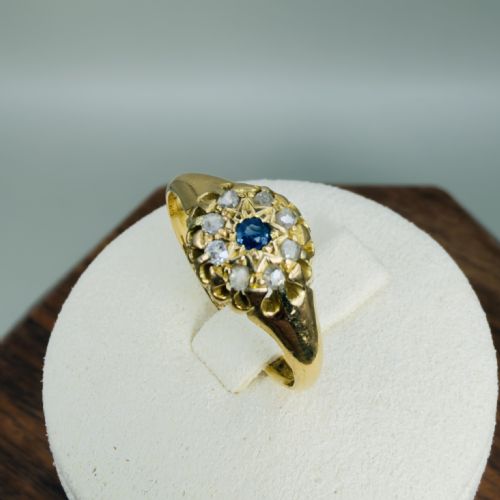
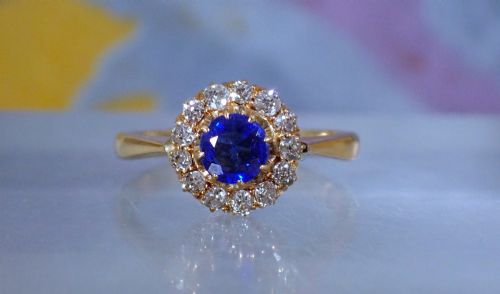
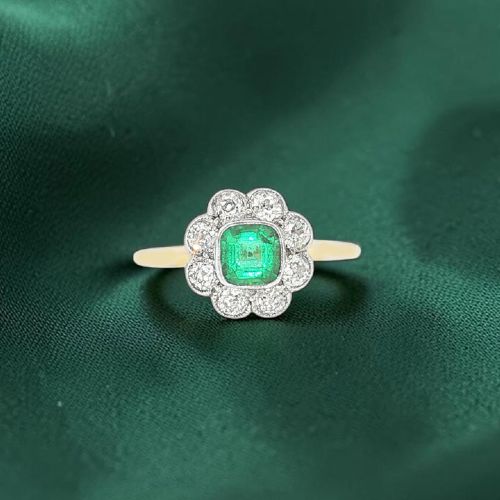
An antique gold halo ring centres on a principal gemstone, such as a sapphire, ruby, emerald, diamond, opal, citrine, or pearl, encircled by a border of smaller accent stones. These pieces span Georgian, Victorian, Edwardian, Art Deco, and mid-century eras, reflecting shifts in taste from romantic floral cluster designs to geometric target rings.
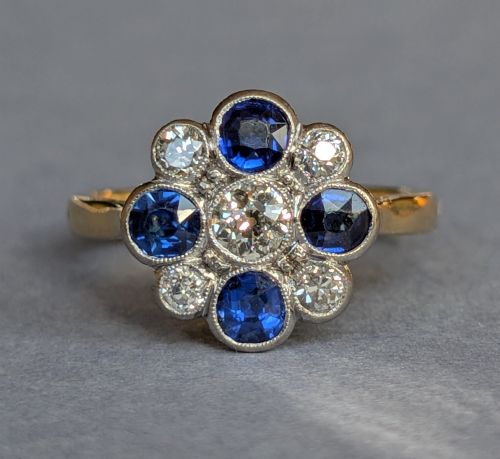
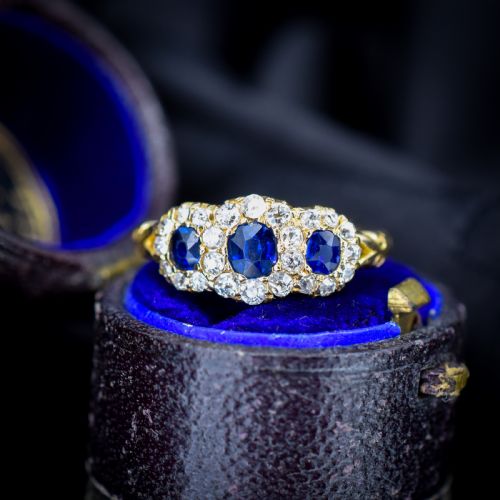
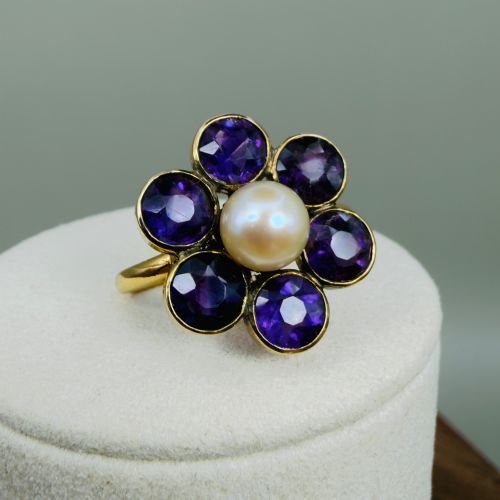
The layout often takes the form of a daisy, floral cluster, or target pattern, combining 18ct yellow gold, 18ct white gold, or platinum settings. The central stone commands attention while the surrounding halo enhances both scale and brilliance, appearing frequently in configurations featuring sapphires and diamonds.
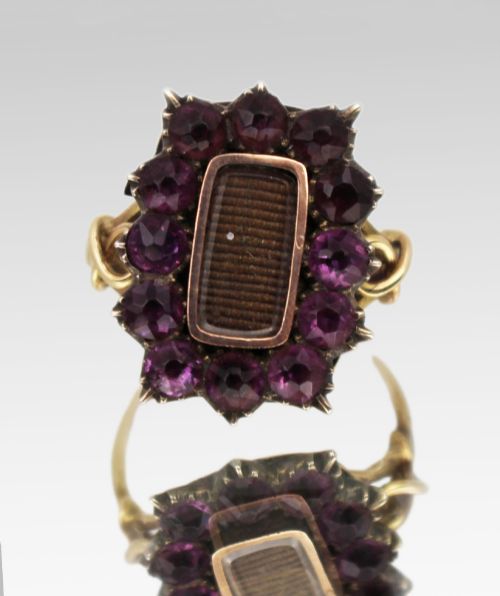
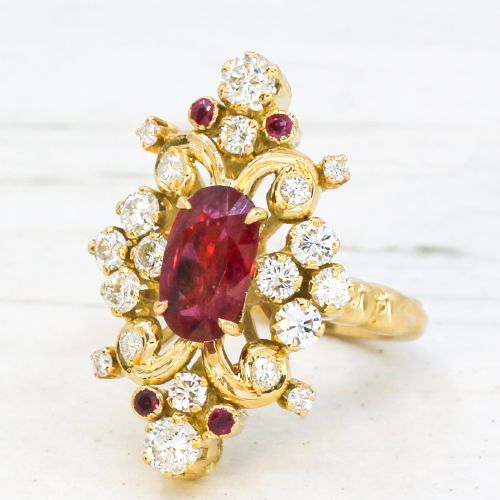
Buyers encounter rings ranging from early nineteenth-century pearl and amethyst pieces to 1920s white gold calibre-cut sapphire styles and 1950s ruby clusters. Each period contributes specific characteristics, from hand-cut old mined diamonds to symmetrical geometric borders.
Materials and Craftsmanship
Craftsmen built these rings using 18ct yellow gold, 18ct white gold, and platinum, frequently combining yellow gold Shanks with silver-topped settings in earlier periods to brighten diamond sparkle. Stones were hand-set into meticulous claw, bezel, or calibre arrangements that secured each gem within the tight concentric boundary of the halo.
Gemstones such as unheated Burmese rubies, Ceylon sapphires, Colombian emeralds, and old-cut diamonds were shaped by hand, resulting in characteristic facets like old mine cuts that distribute light with a softer, warmer glow than modern brilliant cuts.
Materials recorded across the inventory include diamonds, sapphires, rubies, emeralds, citrines, opals, pearls, and tourmalines set in 18ct yellow gold, white gold, and platinum.
Distinctions in Quality
Quality rests upon the proportion and matching of the surrounding stones to the central gem, where uniform colour saturation and well-matched diamond pairings elevate the overall harmony of the halo. The integrity of the setting work, evidenced by evenly spaced claws and secure flush seating of small accent stones, separates master workshops from standard production.
The provenance and natural state of the central gemstone, such as unheated sapphires or rubies documented by gemmological reports, define the upper tier of these pieces. Original structural preservation without excessive shank thinning further distinguishes exceptional survivors from heavily altered examples.
The Antique Gold Halo Ring Glossary
- Halo ring
- A ring featuring a central gemstone encircled by a concentric border of smaller accent stones. This arrangement maximises visual impact and perceived scale.
- Old cut diamond
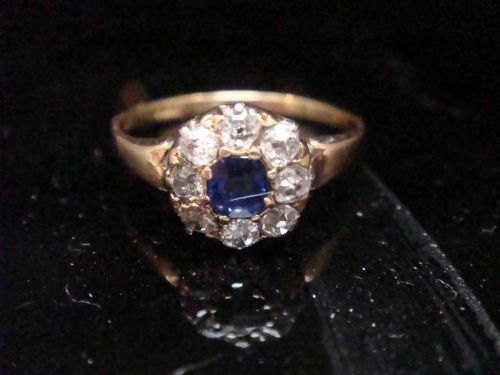
- A diamond cut by hand before the advent of modern machinery, typically exhibiting a smaller table, higher crown, and open culet. These stones catch candlelight with a distinctive, deep warmth.
- Calibre cut
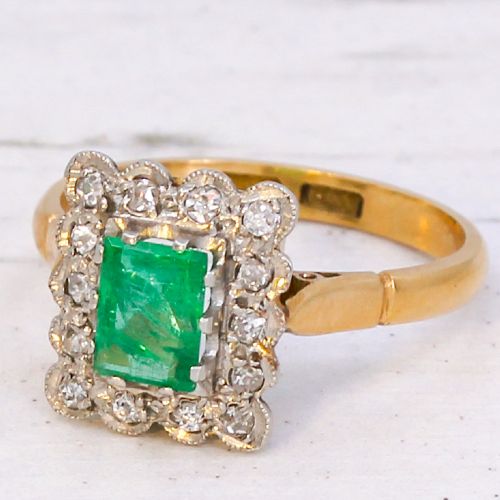
- Gemstones precision-cut into specific geometric shapes to fit tightly together without intervening metal. This technique defines many Art Deco designs.
- Cluster ring
- A jewellery form where multiple stones are grouped closely together, often in floral or target configurations. The halo is a specialised type of cluster.
- Collet setting
- A band of metal that encircles the girdle of a gemstone to hold it in place. It represents a traditional secure mounting method seen across various periods.
Antique Gold Halo Ring: Frequently Asked Questions
What is an antique gold halo ring?
An antique gold halo ring is a piece of period jewellery featuring a central gemstone surrounded by a ring of smaller accent stones, typically diamonds. These rings are set in gold or platinum and date from the Georgian era through to the mid-twentieth century.
The design creates a border that emphasises the colour and brilliance of the central gem. They appear in styles ranging from romantic Victorian floral clusters to geometric Art Deco target rings.
How do I tell different periods apart?
Georgian and early Victorian rings often feature closed-back settings or silver-topped gold mounts designed to enhance stone brilliance under candlelight. Edwardian and Art Deco examples utilise platinum and white gold with open-backed mountings, intricate piercing, and geometric calibre-cut stones.
Examining the cut of the diamonds also helps determine the age. Older periods utilise hand-sawn old mine or old European cuts, while later mid-century pieces incorporate standard brilliant cuts.
Were these rings worn for engagements?
Many of these pieces served as engagement rings, particularly during the Edwardian and Art Deco periods when gemstone clusters gained immense popularity. Others functioned as fashion rings, mourning pieces, or tokens of affection.
The central stones varied widely according to personal preference and period convention, with sapphires, rubies, and diamonds being standard choices for daily wear.
How should I care for an antique halo ring?
Care requires gentle handling due to the delicate nature of antique settings and older gemstone cuts. Cleaning should be restricted to warm soapy water and a soft brush, avoiding harsh ultrasonic cleaners that might dislodge small halo stones.
Regular inspection of the claws and settings by a professional jeweller ensures the accent stones remain secure within their delicate borders.