


Antique Gold Ear Studs
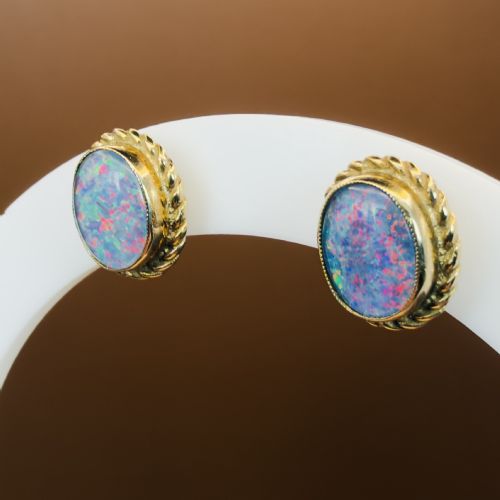
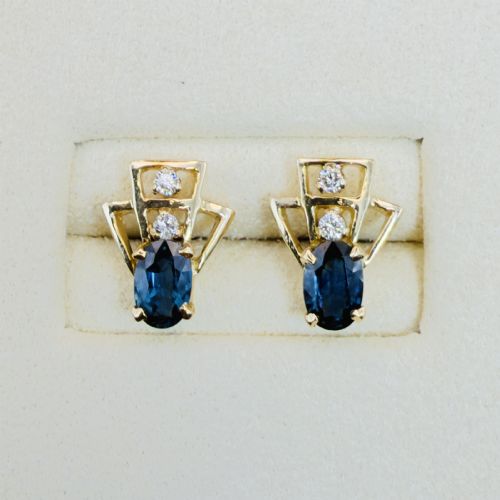
These antique gold ear studs range from Georgian target designs to mid-century diamond clusters, offering centuries of wearable heritage.
Antique Gold Ear Studs
When you search for antique gold ear studs, you encounter a concentrated history of lobe jewellery spanning the Georgian, Victorian, Edwardian, and Art Deco eras, right through to mid-century designs. The pieces on this page range from simple gemstone solitaires to intricate cluster and target configurations that sit close to the ear.
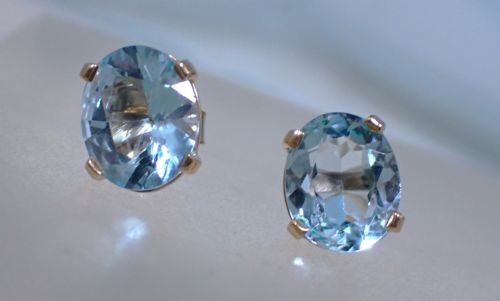
Victorian examples frequently incorporate garnets, pearls, rubies, and bloodstones set in yellow gold, often shaped as flowers, leaves, or halos. Meanwhile, pieces from the 1920s and 1930s introduce platinum settings, geometric lines, and bright blue sapphires, aquamarines, and zircons.
The selection also includes early twentieth-century diamond studs and later white gold screw-back variations. Each period brings distinct metalwork choices and stone-cutting techniques to these miniature ornaments.
How they were made
Makers constructed these ear studs using traditional goldsmithing techniques, shaping nine-carat, fourteen-carat, and eighteen-carat gold alongside platinum for enhanced durability in stone settings. Early pieces often relied on closed-foil backs or low-profile collets to secure rose-cut diamonds and seed pearls close to the wearer's skin.
As styles progressed into the Edwardian and Art Deco periods, workshops utilised platinum-topped gold to mount old-cut diamonds and sapphires in delicate, intricate cluster arrangements. Enamel guilloche work also appears in Georgian examples, fused to gold bases to create patterned backgrounds beneath translucent coloured layers.
The listings span multiple centuries, uniting Georgian gold enamel work with Victorian garnet clusters, Art Deco sapphire settings, and mid-century diamond pieces.
What varies in quality
The distinction between standard examples and superior specimens rests on the integrity of the original settings and the fineness of the hand-cut stones. Superior pieces display crisp claw or bezel work that holds old-cut diamonds, natural pearls, or vivid sapphires securely without obscuring their facets.
Condition also dictates standing, particularly where delicate seed pearls, enamel guilloche, or vine leaf engravings remain intact across centuries of handling. Retaining original fixings, such as early screw mechanisms or butterfly backs, preserves the authenticity and historical value of the piece.
The Antique Gold Ear Studs Glossary
- Old-cut diamond
- A hand-faceted diamond cut before modern machinery, typically featuring a smaller table, higher crown, and open culet that catches candlelight softly.
- Guilloche
- An ornamental technique where a precise, intricate pattern is mechanically engraved into a metal surface beneath translucent enamel.
- Cluster
- A stone-setting arrangement where a central gem is surrounded by a tight ring of smaller stones, frequently diamonds or pearls.
- Target design
- A concentric geometric style popular in Georgian and Art Deco jewellery, resembling a bullseye through alternating rings of colour or materials.
Antique Gold Ear Studs: Frequently Asked Questions
How do I date antique ear studs?
Dating relies on combining the specific cut of the gemstones, such as rose-cut or old-mine diamonds, with the prevailing metal alloys and design motifs of the mount. Georgian pieces often show closed-foil backs and intricate hand-chased gold, while Edwardian and Art Deco work introduces platinum-topped settings and geometric clusters.
Examining the fastening mechanisms also helps narrow the era, as screw-backs and specific pin types evolved alongside jewellery manufacturing techniques through the nineteenth and twentieth centuries.
Are these earrings safe for daily wear?
Most antique ear studs tolerate regular wear provided they receive gentle handling and professional checks to ensure the stones remain tight in their old settings. Because many feature delicate seed pearls, foil-backed gems, or antique enamel, keeping them away from water, perfumes, and harsh ultrasonic cleaners is essential.
Storing them individually prevents the harder diamonds from scratching softer gold surfaces or softer gems like bloodstone and garnet.
How do I clean antique gold studs?
Cleaning requires a soft, dry microfibre cloth to remove surface oils from the gold and the gemstone facets. You should avoid soaking pieces that contain seed pearls, foiled stones, or enamel, as moisture can seep behind the settings and cause irreversible staining.
If the metal requires more attention, a damp cloth with mild soap can touch the gold alone before thorough drying.