

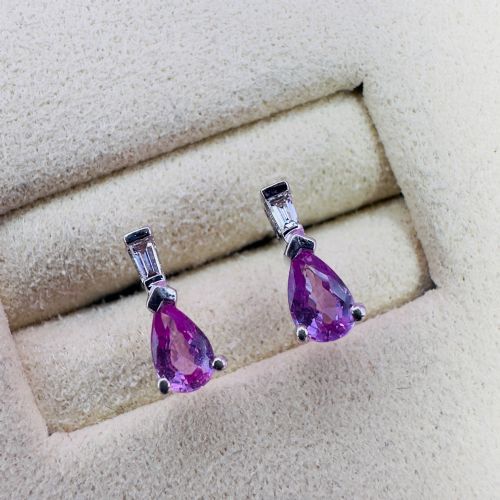


Vintage Gold Diamond Studs
Vintage gold diamond studs combine the warmth of traditional metalworking with the enduring brilliance of historic cut stones.
Vintage Gold Diamond Studs
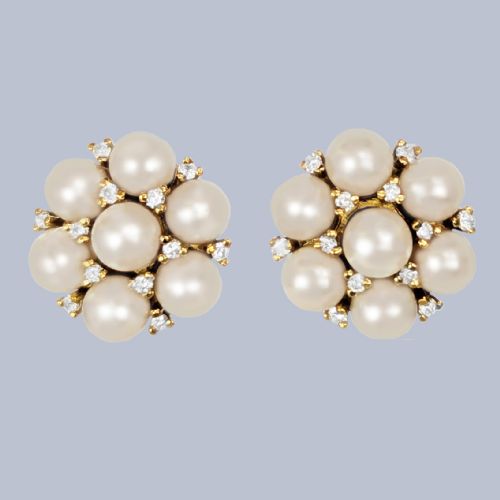
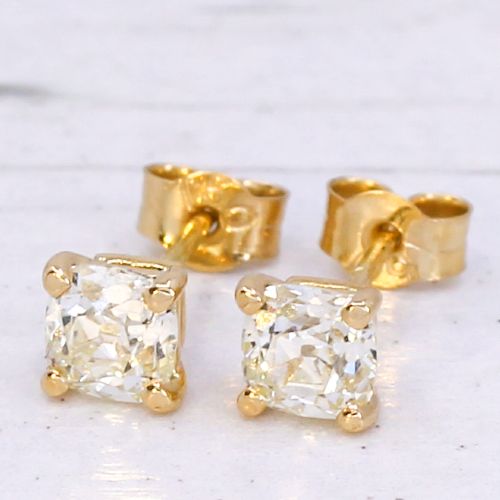
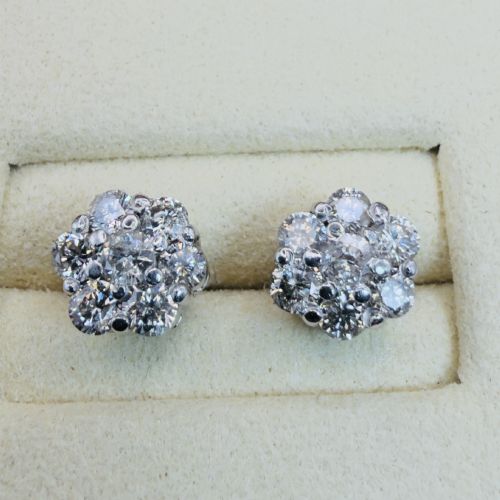
Vintage gold diamond studs encompass a variety of historical periods spanning from the Victorian era through the mid-twentieth century. Buyers seeking vintage gold diamond studs will encounter simpler solitaire configurations alongside elaborate cluster and floral daisy designs. These pieces range across multiple gold carats and white, yellow, or rose gold hues.
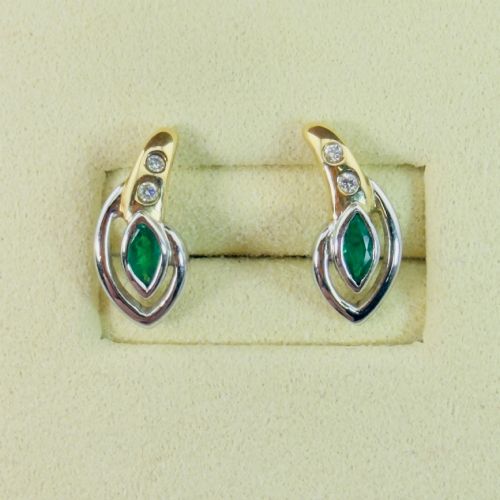
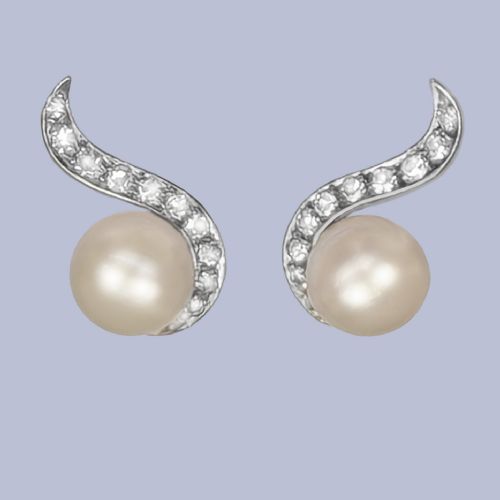
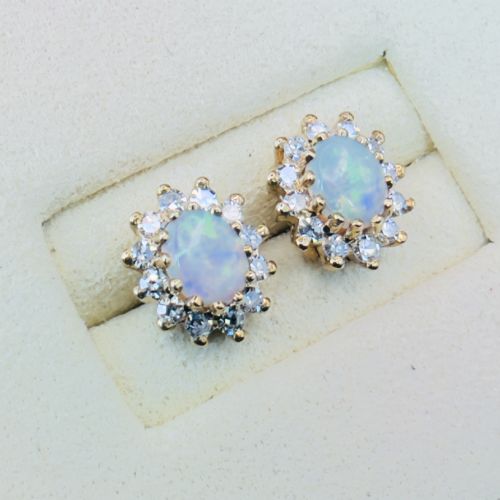
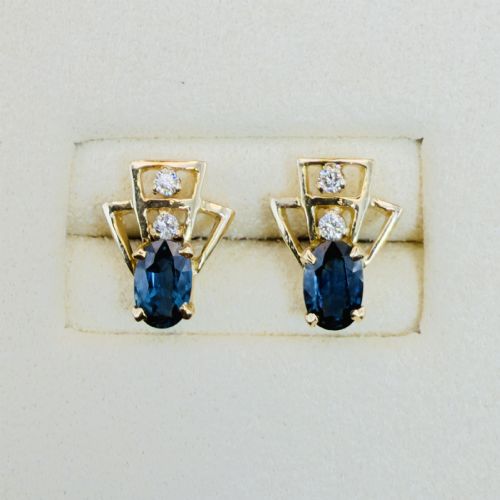
The selections available reflect diverse decorative movements including Art Deco geometry, Edwardian delicacy, and mid-century modern styling. While classic diamond-only designs appear frequently, many incorporate secondary gemstones such as emeralds, sapphires, pearls, and garnets. Cluster arrangements often frame a central diamond or coloured stone with smaller brilliant or old-cut stones.
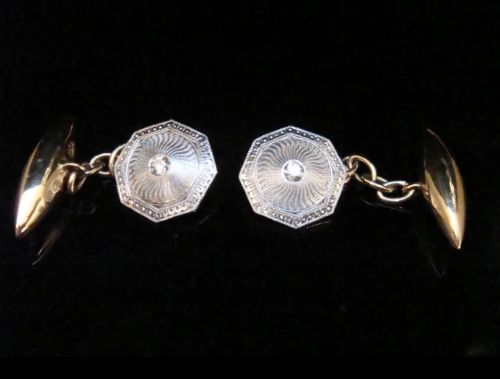
Mountings vary from traditional post and butterfly fittings to screw backs and clip-on mechanisms depending on the manufacturing decade. Early examples frequently utilise platinum settings fused to gold bases to enhance the whiteness around older diamond cuts. Every era brings distinct proportions and casting methods that distinguish these historic pairs from modern reproductions.
Materials and construction methods
Master jewellers employed high-carat gold and platinum alongside hand-cut diamonds shaped before the advent of modern laser machinery. Old-cut and rose-cut diamonds feature larger facets and open culets that capture candlelight differently than contemporary brilliant cuts. Metal components were shaped using traditional casting, hand-bezeling, and claw-setting techniques.
Coloured gemstones like sapphires, emeralds, and pearls appear securely integrated into multi-stone cluster motifs. Platinum-topped gold constructions predominated in earlier periods to provide a bright reflective surface for diamond settings while maintaining the structural warmth of gold underneath.
Vintage Gold Diamond Studs Retail Price Guide 2026
Typical asking prices for vintage gold diamond studs among the pieces listed under this phrase on Sellingantiques today, from the lower quarter to the upper quarter. They describe what is for sale here now, not the wider market.
Gemstone pairings include emerald, sapphire, garnet, opal, and pearl.
Evaluating craftsmanship and condition
Superior examples demonstrate meticulous stone matching where individual diamonds display uniform colour, brilliance, and symmetry within a cluster. The precision of the claw work and the preservation of original metal patination significantly influence the standing of a pair.
Quality also manifests in the structural integrity of the fastenings, ensuring posts, screws, or clips remain robust and secure. Hand-cut stones possessing high clarity grades and minimal internal inclusions elevate the overall execution of the jewellery.
Ilias Lalaounis
The Vintage Gold Diamond Studs Glossary
- Old Cut
- A historic diamond cutting style characterised by a smaller table, higher crown, and open culet, designed to sparkle under ambient lighting. These stones display a softer, more romantic brilliance than modern brilliant cuts.
- Cluster
- A jewellery arrangement where multiple smaller gemstones surround a larger central stone, often forming a floral or geometric pattern like a daisy. This design maximises visual impact and light reflection.
- Culet
- The tiny flat facet at the bottom tip of a historic diamond where the pavilion facets meet. Older stones often feature a distinct visible culet.
- Screw Back
- A secure earring fastening mechanism featuring a threaded post and a threaded nut that winds down to hold the piece firmly against the lobe. This type was common in mid-century designs.
- Bezel Setting
- A method of securing a gemstone by surrounding it with a thin metal rim that holds the stone in place. It offers a smooth outline and excellent protection for the girdle of the diamond.
Vintage Gold Diamond Studs: Frequently Asked Questions
How do I care for vintage gold diamond studs?
Clean these earrings gently using warm soapy water and a soft-bristled brush to remove accumulated oils from behind the stones. Avoid harsh chemical dips, particularly if the piece incorporates softer gems like pearls, opals, or emeralds.
Store each pair separately in a lined jewellery box to prevent the diamonds from scratching the surrounding gold or adjacent pieces. Periodic checks by a professional jeweller will ensure the historic claws remain tight and secure.
Are screw back earrings difficult to wear?
Screw backs require a gentle winding motion to thread the backing along the post until it rests comfortably against the earlobe. This mechanism provides exceptional security, making them popular for heavier cluster designs.
With brief practice, fastening them becomes straightforward and offers peace of mind against accidental loss during daily wear.
What is the difference between old cut and brilliant cut diamonds?
Old cut diamonds were shaped by hand before modern symmetrical formulas were standardised, resulting in smaller tables and deeper pavilions. They excel in low-light environments, producing a distinctive, chunky scintillation.
Modern brilliant cuts are mathematically optimized to maximise white light return and optical symmetry. Consequently, vintage stones offer a unique historic charm distinct from contemporary stones.
Can antique diamond earrings be converted to modern posts?
Altering original antique mountings is generally discouraged by collectors because it compromises the historical integrity and unaltered state of the piece. Many historic pairs feature convertible clips or screw backs designed for unpierced lobes that can be worn comfortably with adapters.
Consulting a specialist conservator helps determine whether alternative non-destructive options exist for wearing historic studs securely.