



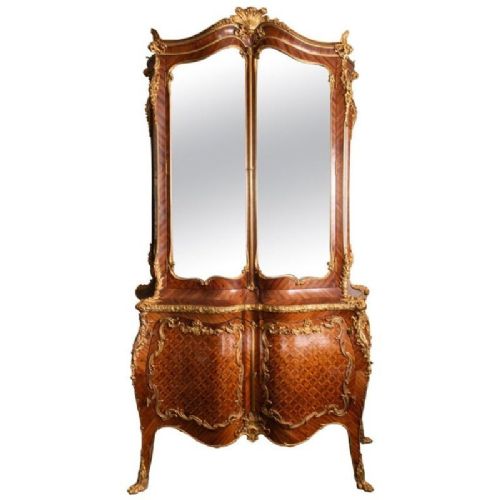


Antique Gold Curio Cabinet
An antique gold curio cabinet brings glass and gilt display into a room, holding small treasures behind glazed doors.
Antique Gold Curio Cabinet
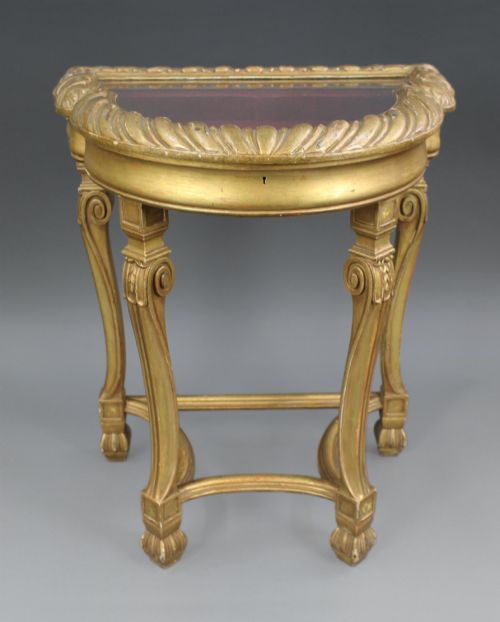
An antique gold curio cabinet is primarily built as a glazed display cabinet or vitrine, designed to showcase precious items. These pieces span the Victorian era, the nineteenth century, and early decades like nineteen hundred through nineteen twenty.
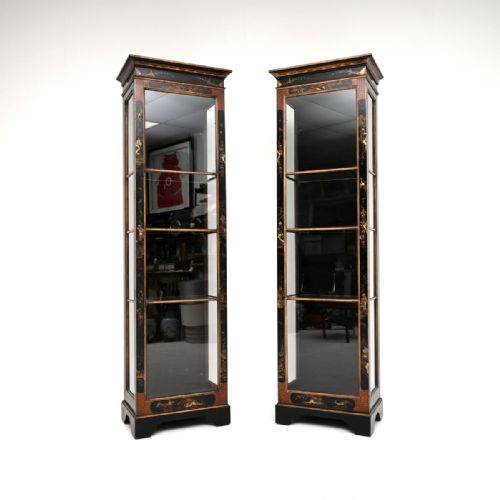
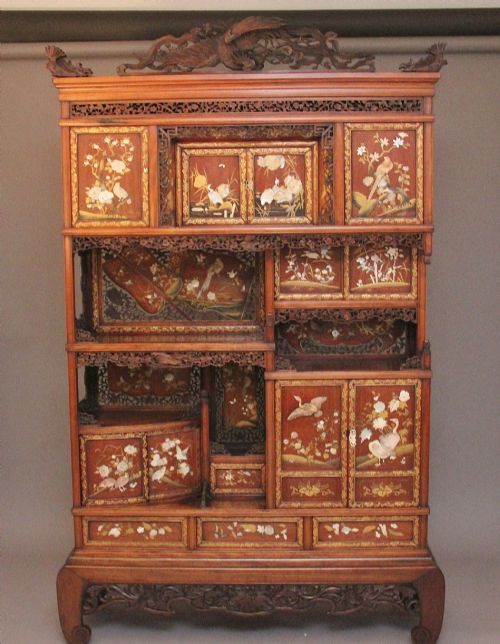
The versions most commonly met on this page follow French Rococo revival, Louis XV and Louis XVI styles, alongside Edwardian chinoiserie. Makers and workshops shaped them into cylindrical pedestals, serpentine fronts, and large imposing vitrines with glazed sides.
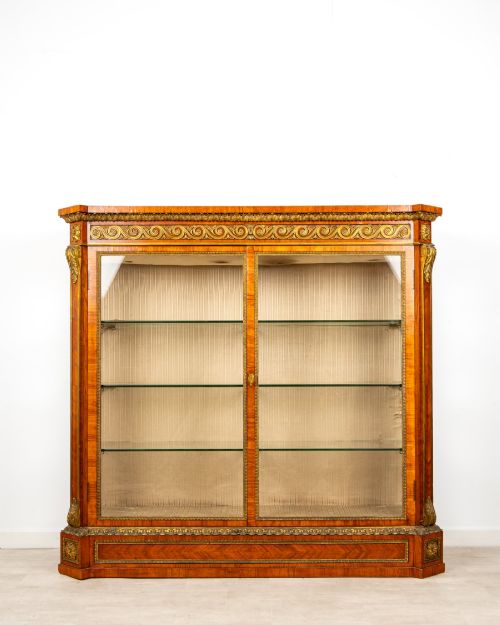
Materials such as giltwood, gilt bronze, ormolu, and lacquer define the aesthetic of an antique gold curio cabinet, often paired with fabric linings and painted panels. Timber structures support parcel-gilt and ebonised surfaces or fine kingwood veneers.
How they were made
Cabinet makers utilised timber frameworks finished with rich kingwood veneers, ebonisation, and lacquer work to create the body of each vitrine. Glazed sides and doors were carefully fitted to enclose the display space while protecting the interior.
Gilt bronze, ormolu mounts, and giltwood carving provided the characteristic gold surface finish across French Rococo and Louis XVI style pieces. Artisans also incorporated painted panels and fabric linings to complete the decorative presentation.
Antique Gold Curio Cabinet Retail Price Guide 2026
Typical asking prices for gold curio cabinet among the pieces listed under this phrase on Sellingantiques today, from the lower quarter to the upper quarter. They describe what is for sale here now, not the wider market.
Cabinets occasionally arrived with cylindrical pedestal forms or serpentine fronts, designed to fit snugly into awkward nineteenth-century corners.
What varies in quality
The refinement of the giltwood carving and the casting quality of the gilt-bronze or ormolu mounts set finer pieces apart. Superior examples display crisp detail in the ornamentation, whether following a French Rococo revival or an Edwardian chinoiserie design.
Structural complexity also influences the standard, such as the curved glass required for serpentine fronts or cylindrical pedestals. Hand-painted panels and the integration of fine timber veneers like kingwood indicate a higher tier of craftsmanship.
H. J. Hatfield & Sons·Francoise Linke
The Antique Gold Curio Cabinet Glossary
- Vitrine
- A glass-fronted cabinet or display case designed specifically for showing porcelain, curios, and small valuable objects. These pieces often feature glazed sides to maximise light penetration.
- Giltwood
- Timber that has been coated with gold leaf or a gold-coloured finish. It appears extensively across revival styles on this page.
- Ormolu
- Finely chased and gilt bronze used for decorative furniture mounts and ornaments. It provides bright golden highlights on nineteenth-century cabinets.
- Vernis Martin
- A simulated Japanese lacquer technique developed in France during the eighteenth century and imitated in later revival pieces. The style often incorporates painted decorative scenes.
- Kingwood
- A dense, richly figured timber native to Brazil, prized for veneering fine cabinet work. It offers deep contrasting tones beneath polished finishes.
Antique Gold Curio Cabinet: Frequently Asked Questions
What is a curio cabinet used for?
A curio cabinet serves to display collections of small objects, ceramics, and ornaments safely behind glass doors. The glazed sides allow light to reach the interior from multiple angles.
These pieces protect delicate items from dust while keeping them visible in a principal room. Their decorative frames add presence to an interior space.
How do I date a cabinet?
Dating relies on stylistic clues, construction methods, and materials recorded across periods like the Victorian era or nineteen hundred. Revival styles often borrow motifs from earlier French reigns.
Examining the timber preparation, joinery, and mount quality helps place a piece within the nineteenth or early twentieth century.
What is the difference between a vitrine and a cabinet?
A vitrine specifically emphasises glass panels on the front and sides for maximum visibility of stored objects. Standard display cabinets might incorporate more solid timber construction.
In these listings, the terms often overlap for glazed furniture designed to exhibit ornamental collections.
How do I clean giltwood and ormolu?
Giltwood surfaces require gentle dusting with a soft brush to avoid disturbing the delicate gold leaf layer. Moisture and abrasive cleaners can damage the finish permanently.
Ormolu mounts benefit from careful dusting without chemical solvents. Preserving the original surface sheen maintains the character of the metalwork.