

Antique Gold Armchairs
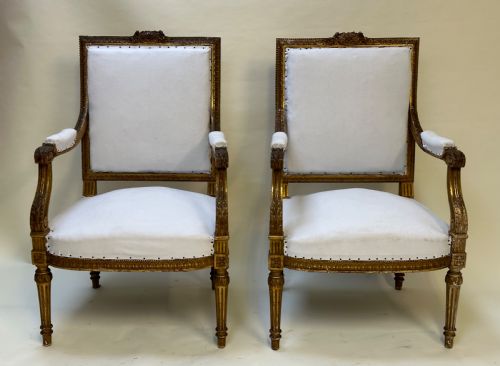
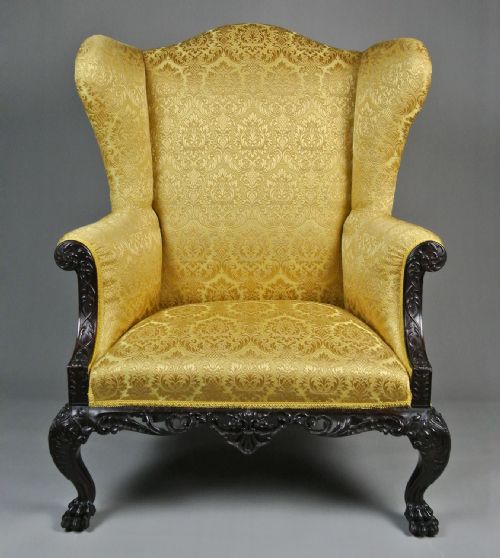
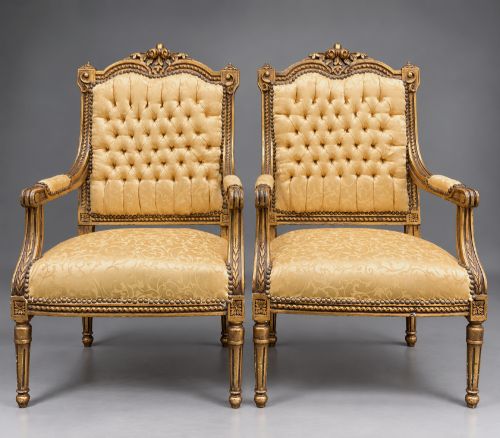
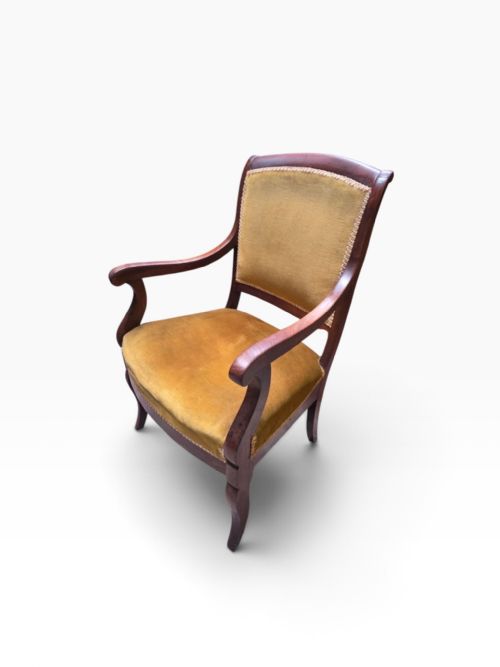
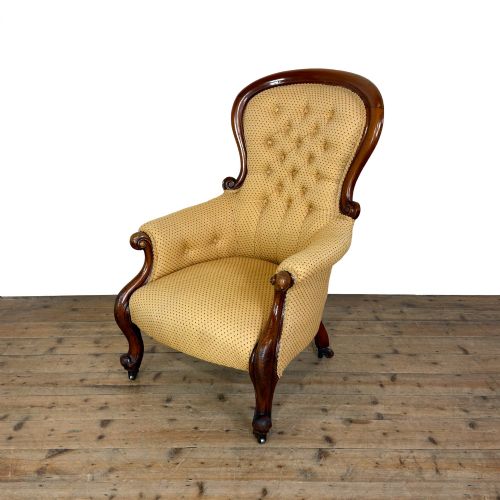
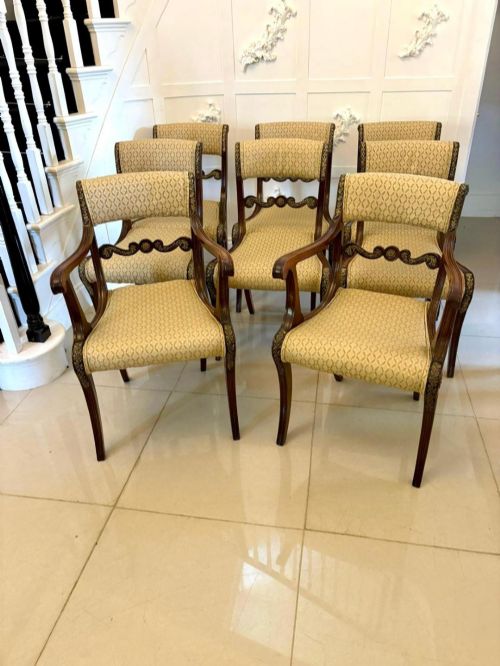
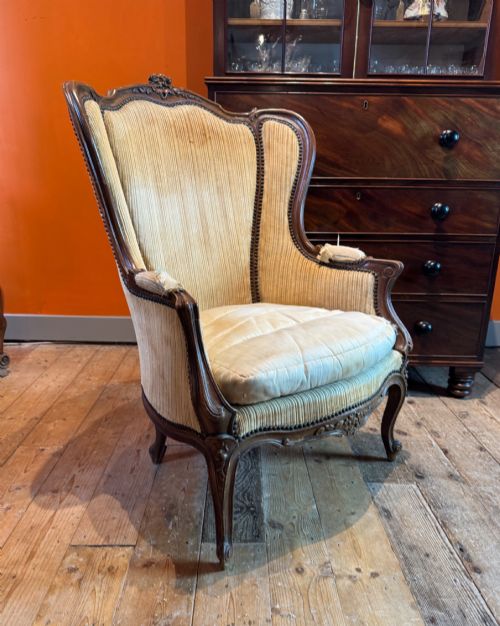
These antique gold armchairs combine carved wooden frames with rich upholstery to create imposing seating.
Antique Gold Armchairs
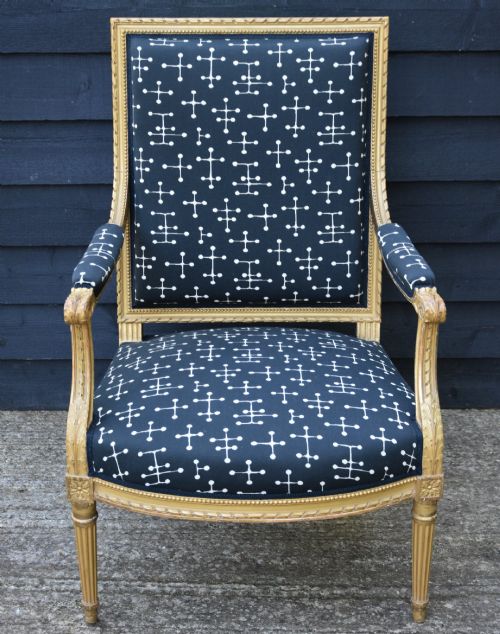
When searching for antique gold armchairs, buyers encounter a range of gilded seating options originating primarily from French and English workshops across the eighteenth and nineteenth centuries. These pieces span formal bergères, open-arm fauteuils, and heavy throne chairs designed for grand salons.
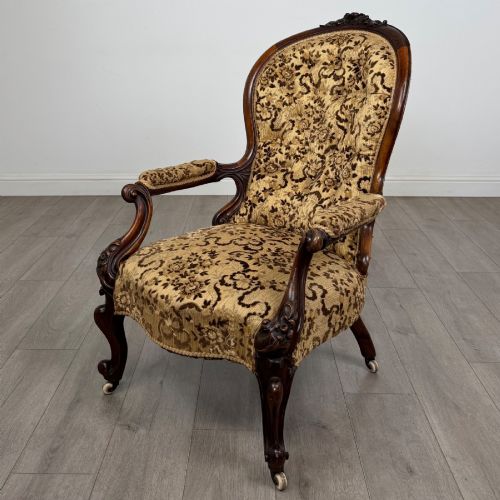
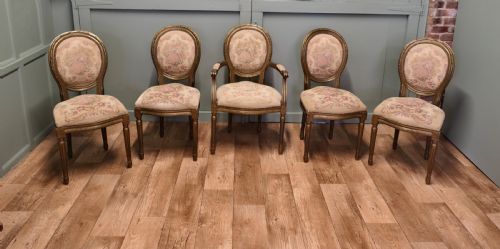
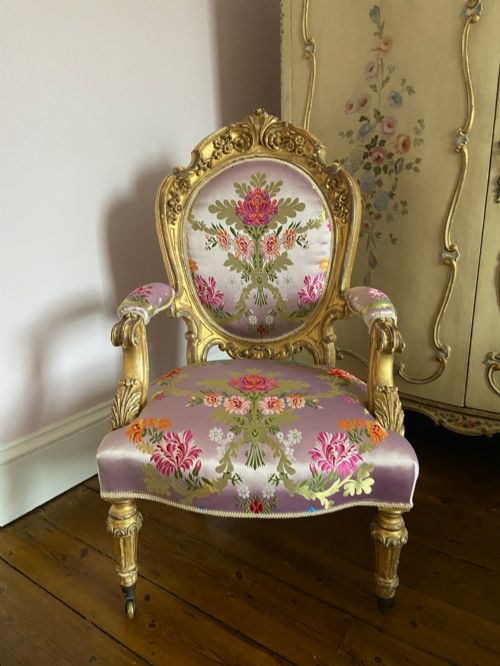
The versions most commonly met on this page include nineteenth-century French giltwood armchairs executed in Louis XVI or Louis XV styles, alongside Victorian gilt fireside chairs and walnut occasional seating. Such pieces typically feature elaborate wood carvings finished with gold leaf or gilt paint.
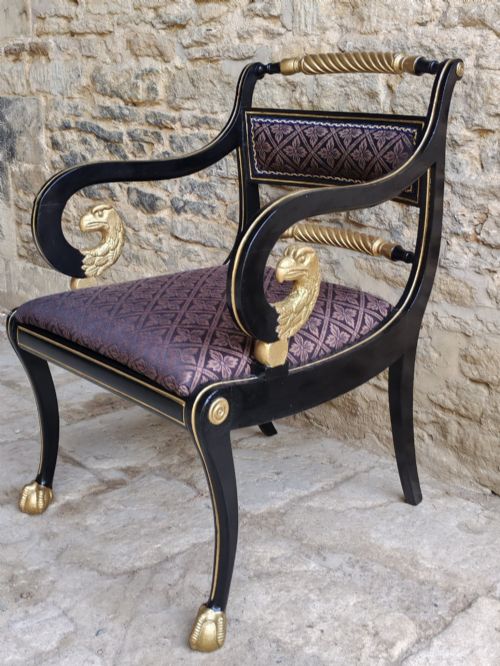
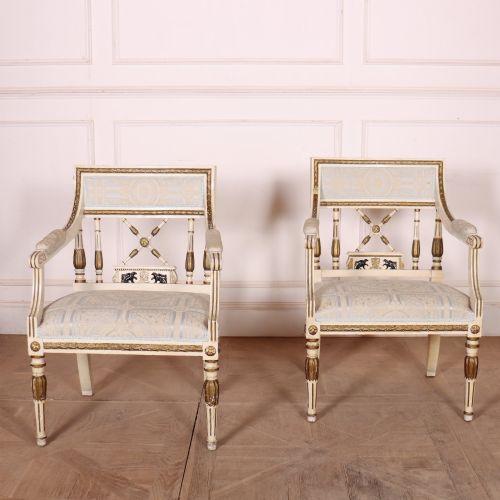
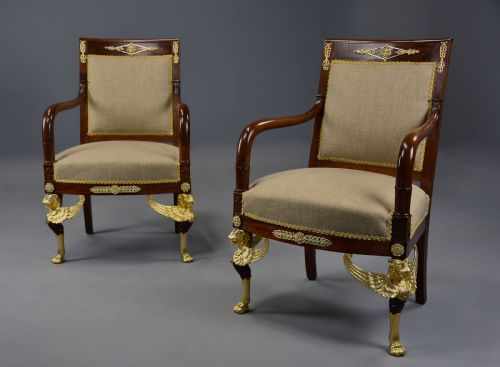
Beyond single armchairs, the selection extends to pairs, salon suites, and large throne chairs reflecting Regency, Baroque, and Empire influences. Their primary purpose remains decorative impact combined with formal seating utility in period interiors.
How they were made
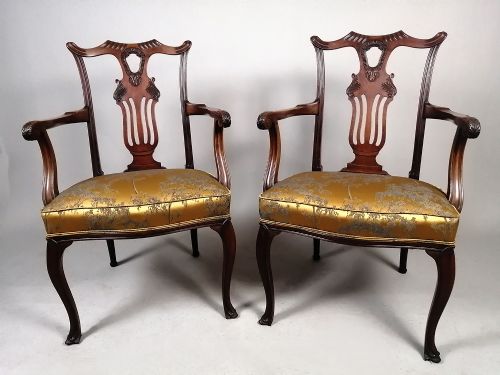
Cabinetmakers and joiners constructed the structural frames of these armchairs using dense hardwoods such as walnut, mahogany, and beech, shaping them with hand-carved details and curved arm supports. Joinery relied on traditional mortise and tenon techniques to ensure structural stability under heavy use.
The characteristic gold finish was achieved through gilding, applying thin sheets of gold leaf over a prepared gesso and bole ground on giltwood frames, or occasionally utilising gilt paint. Upholstery materials like silk, velvet, and patterned fabrics were then secured over webbing and stuffing to complete the seat.
Several armchairs are recorded with noble provenance, suggesting they once offered grand comfort to historical dignitaries.
What varies in quality
The distinction between standard and top-tier pieces rests upon the crispness and depth of the hand-carved woodwork on the frame. Master carvers produced spirited foliage, scrolls, and moulding profiles that retain sharp definition, whereas lesser chairs exhibit softer, shallower, or mechanically cast details.
Quality also manifests in the weight and proportion of the timber frame, with superior chairs utilising solid walnut or mahogany rather than lighter secondary woods. Original gilding surfaces that retain their aged patina without heavy modern overpainting command greater appreciation among collectors.
Jacob-Desmalter·Thomas Chippendale·Blaise Maucuy
The Antique Gold Armchairs Glossary
- Giltwood
- Timber coated with gold leaf or gilt finish. This material defines the bright, reflective appearance characteristic of formal French and English salon armchairs.
- Fauteuil
- An open-arm armchair with upholstered back and seat, originating in France. The wooden arms usually feature padded elbow rests.
- Regency
- A British design period spanning the early nineteenth century. Furniture from this era often incorporates neoclassical motifs and dark hardwoods.
Antique Gold Armchairs: Frequently Asked Questions
How do I clean giltwood frames?
Giltwood requires gentle dusting with a soft, dry brush to prevent damage to the delicate gold leaf surface. Moisture and chemical cleaners should be avoided entirely.
Over time, harsh liquids can strip the historical gesso and bole layers beneath the gold leaf, permanently reducing the visual depth of the carved details.
Are these chairs comfortable for daily use?
Most antique gold armchairs were designed for formal reception rooms rather than lounging, resulting in upright postures and firm padding. Their comfort depends greatly on the historical stuffing materials and upholstery tension.
Buyers intending to use them daily often test the seat height and back angle, or consult specialists regarding modern interior placement.
Can I reupholster an antique armchair?
Reupholstering is common for chairs that retain worn or modern replacement fabric, provided the structural frame remains sound. Traditional stuffing methods should be maintained where possible.
Preserving the original webbing and edge-stitching helps retain the historical integrity of the piece while ensuring the upholstery matches the period aesthetic.