



Antique Gold and Silver Necklace
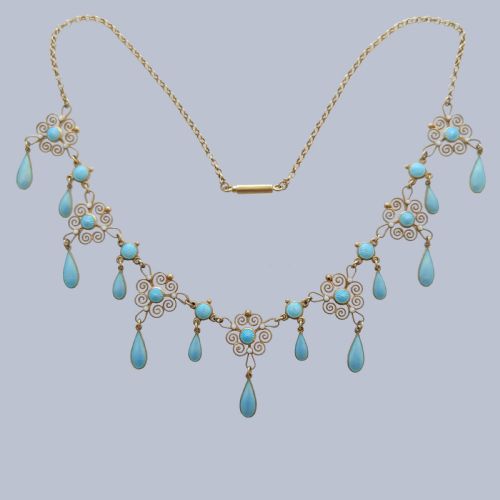
An antique gold and silver necklace brings together two contrasting metals to frame diamonds, pearls and coloured stones with distinct historical character.
Antique Gold and Silver Necklace
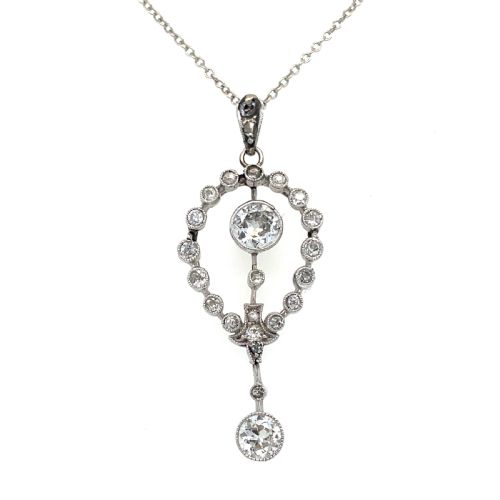
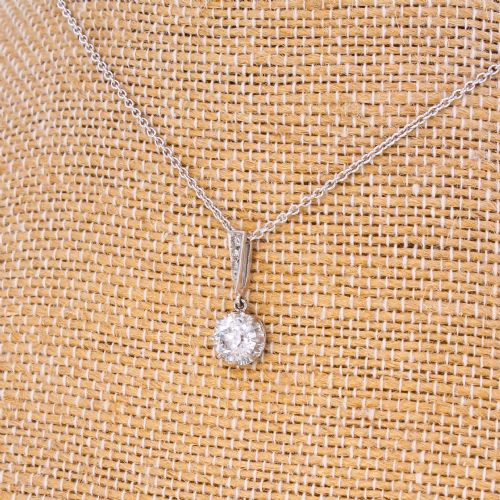
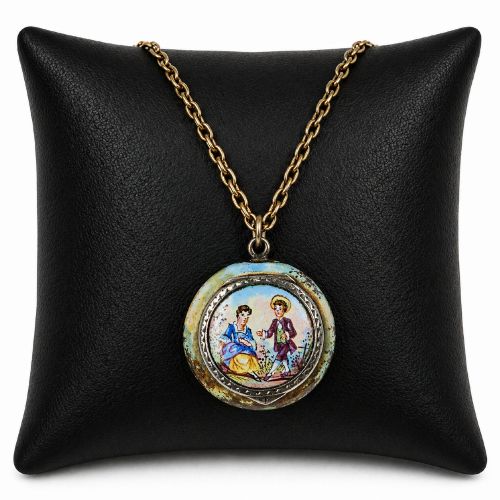
An antique gold and silver necklace is a hybrid piece of jewellery designed to showcase gemstones by mounting them in silver atop a warmer gold backing. This dual-metal technique appears frequently across Victorian, Edwardian and Art Deco pieces, often taking the form of pendants, lockets or integrated necklace sets.
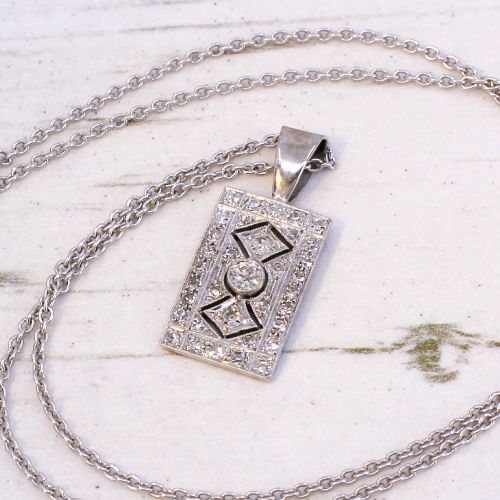
Buyers browsing this selection encounter work spanning the late nineteenth century into the early decades of the twentieth. Pieces range from naturalistic Victorian starbursts and pearl doves to geometric Art Deco pendants and expressive Arts and Crafts designs.
The combination of metals served a dual purpose in older workshops. Silver provided a bright, reflective surface that enhanced the brilliance of old cut diamonds and paste, while gold offered structural strength and prevented tarnishing against the skin.
Materials and Construction
The construction of these jewels relies on combining silver with gold, platinum, or silver gilt to support precious and semi-precious stones. Metalsmiths combined these elements alongside diamonds, pearls, turquoise, opals, garnets, rubies, amethysts, and enamel.
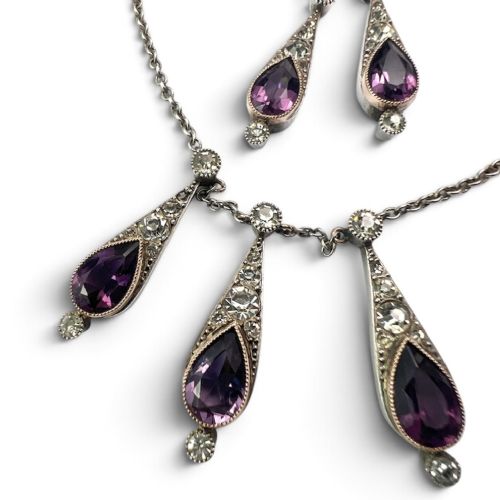
Master jewellers employed hand-cutting techniques for diamonds, including old cuts and rose cuts, setting them directly into silver collets. The reverse of the mounts and the supporting chains were typically fashioned from yellow or white gold to ensure durability.
Antique Gold and Silver Necklace Retail Price Guide 2026
Typical asking prices for gold and silver necklace among the pieces listed under this phrase on Sellingantiques today, from the lower quarter to the upper quarter. They describe what is for sale here now, not the wider market.
Some Victorian makers turned tiny winged doves and sentimental floral clusters into wearable declarations of devotion.
Evaluating Quality
Quality in these dual-metal jewels rests upon the precision of the metalwork and the integration of the silver front with the gold structure behind. Superior examples maintain crisp detail in granulation, filigree or repoussé work without losing the structural integrity needed to support stones securely.
The selection of gemstones and the harmony of the design also determine the standing of a piece. Finer items display well-matched pearls, vibrant rubies, opals or clean old cut diamonds that are held in securely hand-beaded settings rather than heavy, clumsy claw mounts.
Dorrie Nossiter·John Paul Cooper·Levinger and Bissinger·Otto Prutscher
The Antique Gold and Silver Necklace Glossary
- Old cut diamond
- A hand-faceted diamond shape popular before modern brilliant cutting standards, characterised by a smaller table and high crown.
- Silver gilt
- Silver that has been coated with a thin layer of gold, combining the bright lustre of silver with a warm golden exterior finish.
- Plique-à-jour
- An enamelling technique where the enamel is applied within a cellular framework without a backing, resembling miniature stained glass.
- Collet setting
- A metal collar that encircles the edge of a gemstone to hold it securely in place, common in older jewellery manufacturing.
- Watch fob
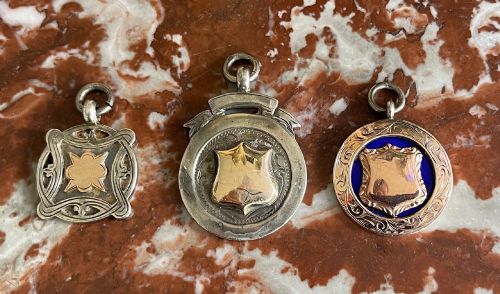
- A short ornament or chain attached to a pocket watch, frequently repurposed into pendants or collected as distinct silver artefacts.
Antique Gold and Silver Necklace: Frequently Asked Questions
What is an antique gold and silver necklace?
These are historical necklaces and pendants that utilise a traditional two-metal technique, pairing silver on the face with gold on the reverse.
This method allowed jewellers to mount diamonds and coloured stones against a bright silver surface while retaining the strength of gold.
How do I care for silver and gold jewellery?
Care requires keeping pieces away from harsh chemicals, perfumes, and abrasive cleaning cloths that might damage softer gems like opals or pearls.
Store each item in a separate lined box to prevent the harder silver and gold mounts from scratching delicate stones.
How can I tell the period of a necklace?
Dating relies on observing the stylistic markers, such as the naturalistic motifs of the Victorian era or the clean geometric lines of Art Deco.
Examination of the gemstone cuts, the fastening mechanisms, and any hallmarks also helps establish the precise era of manufacture.
Can these necklaces be worn every day?
Daily wear is possible with robust designs, though antique pieces demand greater care than modern jewellery due to their age and delicate settings.
It is wise to remove them before swimming, sleeping, or engaging in heavy physical activity to protect fragile enamel and stone mountings.