


Antique Glazed Column Stand
An antique glazed column stand elevates greenery or sculpture in the room, offering height and architectural presence.
Antique Glazed Column Stand
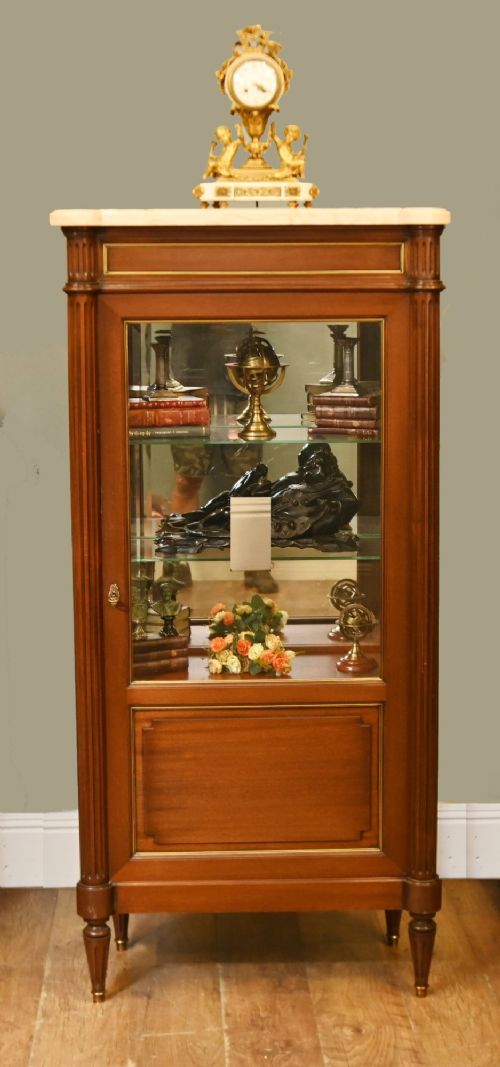
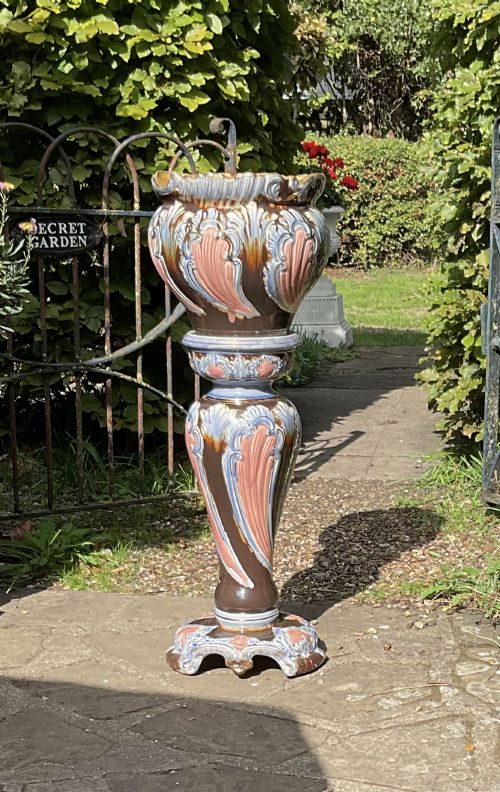
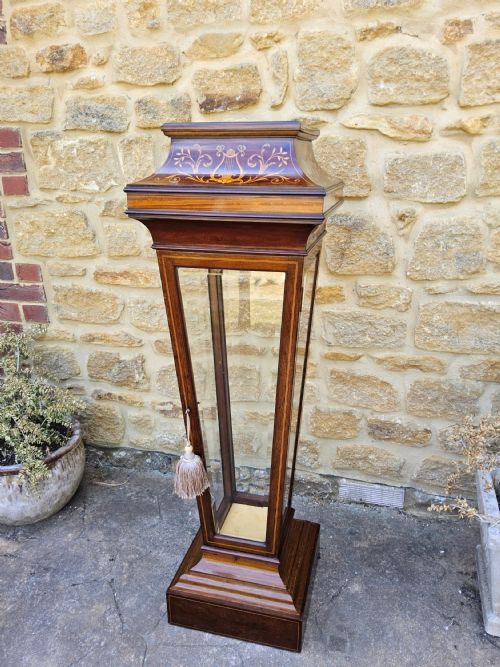
When you search for an antique glazed column stand, you encounter tall display pedestals, jardinieres on stands, and plant supports from the nineteenth century onward. These forms combine vertical elevation with decorative surfaces designed to hold heavy plants or display objects.
The pieces listed here draw upon Victorian, Edwardian, Arts and Crafts, and Art Nouveau design vocabularies. You meet earthenware bodies coated in rich glazes alongside timber cabinets fitted with classical proportions.
Makers utilised ceramic techniques and cabinetmaking traditions to produce stands that functioned as both furniture and architectural accents within nineteenth-century interiors. The column format allows plants and decorative urns to sit at eye level in conservatories, halls, and reception rooms.
Materials and construction methods
Potters shaped earthenware and faience on wheels or in moulds before applying thick coloured glazes and firing the clay to a vitreous finish. This process created glossy, impermeable surfaces suited to holding wet soil and plants.
Cabinetmakers constructed wooden pedestals using mahogany and satinwood, occasionally incorporating brass mounts or marquetry inlay to enrich the columnar form. The combination of glazed ceramics and timber frameworks defines the range of structural approaches seen in these pieces.
The documented object types span plant stands, jardiniere pedestals, umbrella stands, conservatory seats, and display cabinets.
Assessing quality in glazed columns
Quality reveals itself in the depth of the glaze and the crispness of the modelled detail on ceramic examples. Rich, even colouration without surface clouding distinguishes superior pottery bodies.
For wooden pedestals, the precision of the joinery and the selection of figured mahogany determine the standard of manufacture. Well-balanced proportions ensure the tall structure remains stable under heavy ornamental objects.
Burmantofts Art Pottery·Woodlesford Art Pottery
The Antique Glazed Column Stand Glossary
- Majolica
- A type of earthenware coated with an opaque tin glaze and painted with metallic oxide colours. This technique produces vibrant greens, blues, and browns on Victorian jardinieres and stands.
- Faience
- Tin-glazed earthenware produced in imitation of Italian majolica wares. The term describes glazed pottery bodies associated with nineteenth-century art potteries.
- Pedestal
- A structural support or base that raises an object above floor level. In these listings, pedestals take columnar forms to display plants or decorative cabinets.
- Jardiniere
- An ornamental pot or stand designed to hold growing plants or floral arrangements. They frequently appear paired with matching ceramic columns.
- Earthenware
- Porous pottery fired at lower temperatures than stoneware or porcelain. It forms the ceramic base for glazed majolica and faience columns.
Antique Glazed Column Stand: Frequently Asked Questions
What is an antique glazed column stand used for?
These tall stands support heavy ceramic jardinieres, potted plants, or display cabinets within interior spaces. Their elevated form brings greenery and decorative objects up to eye level.
Historically, they occupied conservatories, hallways, and drawing rooms where architectural height added vertical interest to room layouts.
How do I date an antique pedestal?
Dating relies on stylistic markers, material combinations, and manufacturing techniques recorded across the nineteenth and early twentieth centuries. Victorian and Edwardian examples often feature distinct glaze formulations or decorative motifs.
Art Nouveau and Arts and Crafts pieces introduce organic lines or handcrafted pottery finishes that reflect the design priorities of nineteen-hundred.
Are these stands suitable for holding plants?
Ceramic and majolica examples were specifically made to accommodate potted plants and damp conditions without damaging the structure. Glazed earthenware surfaces resist moisture from watering.
Wooden pedestals require protective saucers beneath plants to prevent water rings and moisture damage to the timber top.