



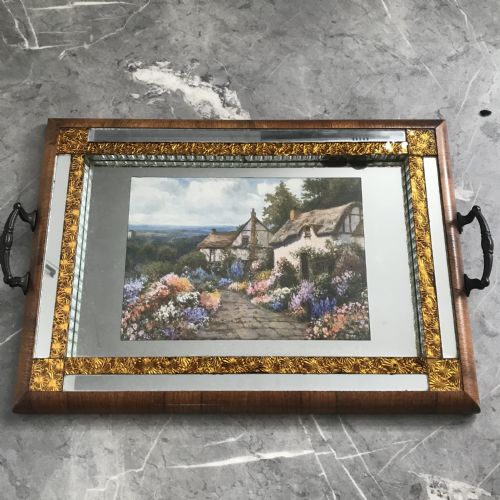

Antique Glass Tray
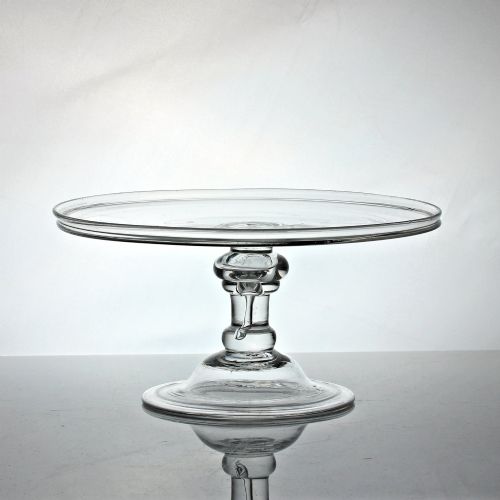
These pieces of antique glass tray bring function and decorative presence to a room, spanning periods from the Victorian era to Art Deco.
Antique Glass Tray
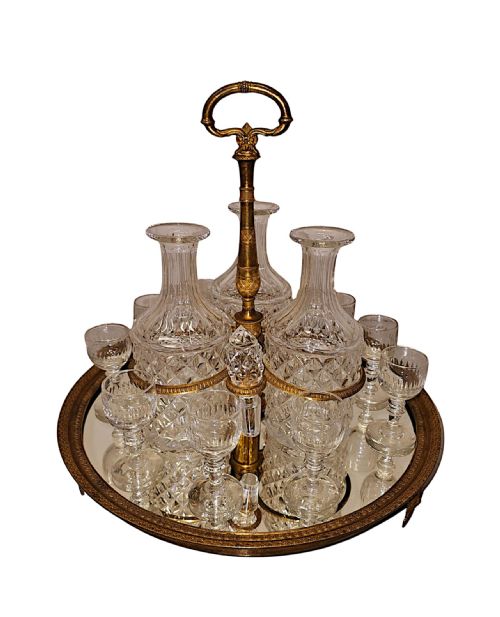
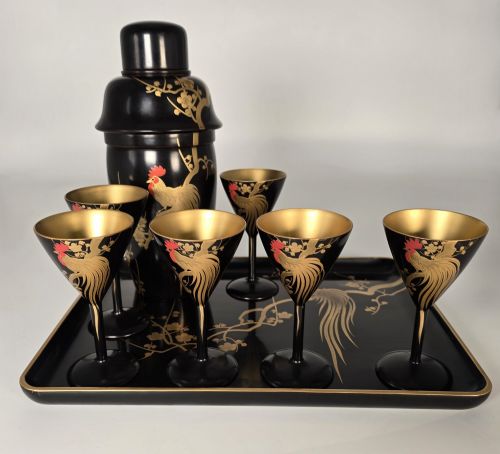
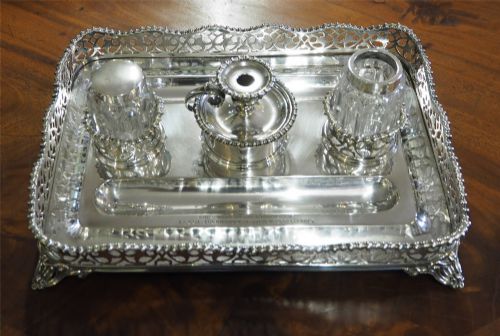
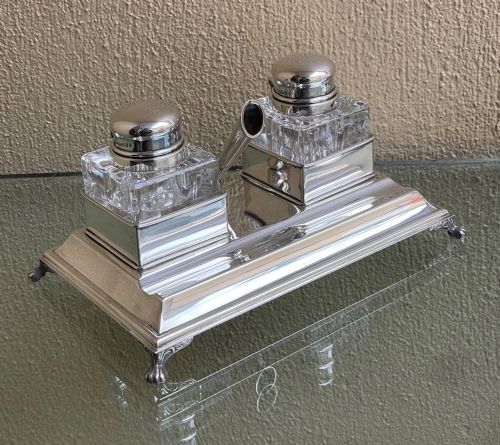
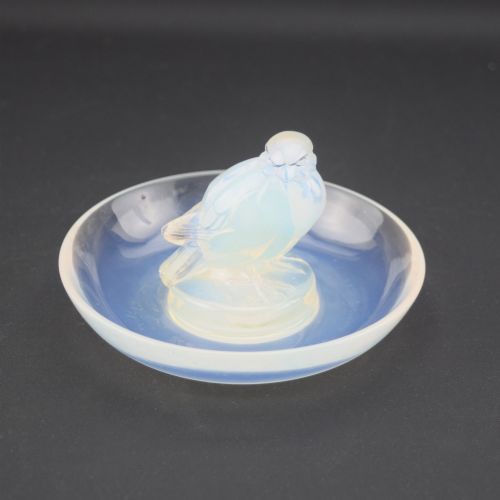
When searching for an antique glass tray, you encounter items designed for serving, display, or desk organisation. The examples found here range from mirror-backed Art Deco vanity pieces to heavy cut glass vessels used for drinks and formal service.
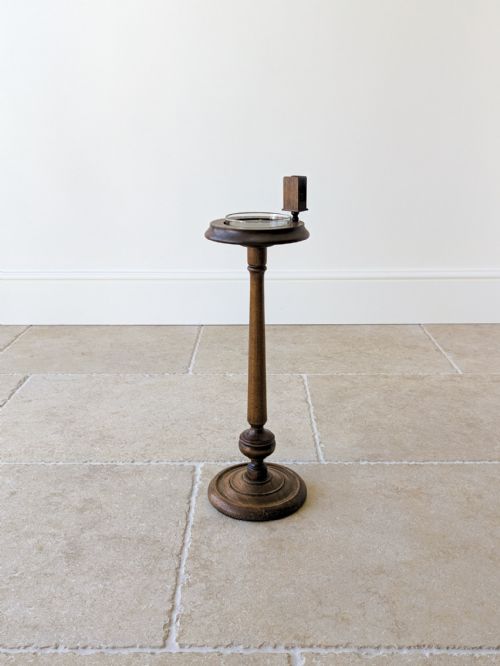
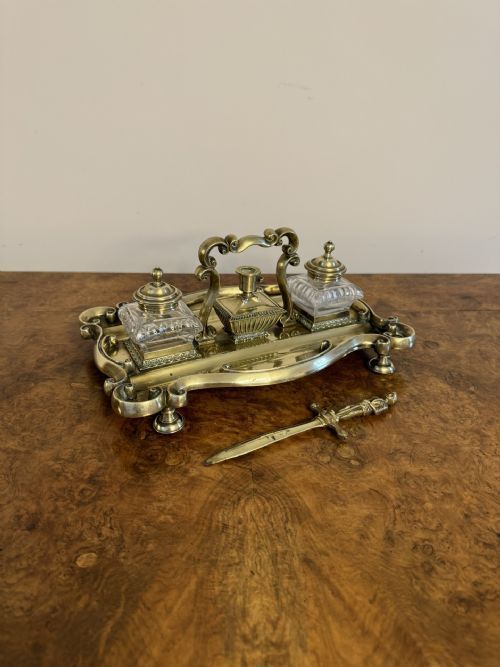
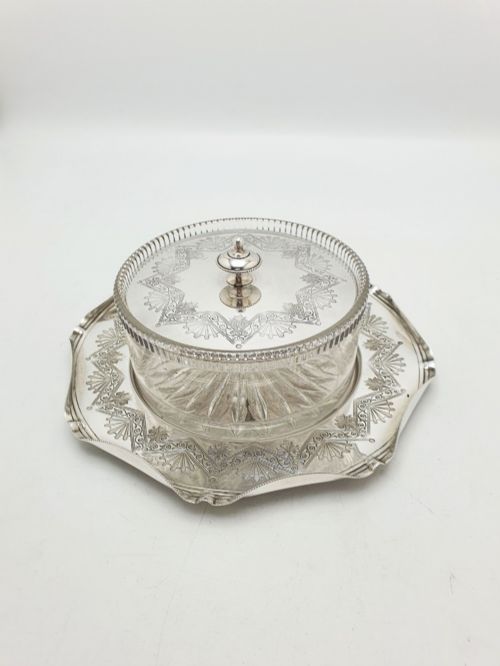
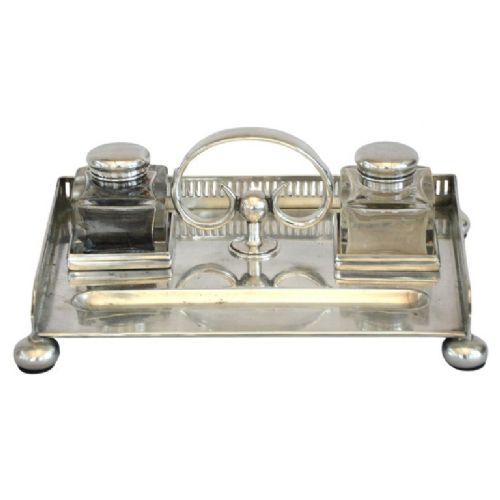
Many of these objects incorporate supportive frames or borders made from brass, silver plate, sterling silver, or woods such as mahogany and walnut. They bridge the gap between utilitarian serveware and decorative desk accessories.
How they were made
Makers utilised lead crystal and plate glass, often shaping them through cutting, etching, or silvering the reverse to create reflective mirror surfaces. Metal mounts in brass, ormolu, and silver plate were cast or hand-fretted to secure the glass securely.
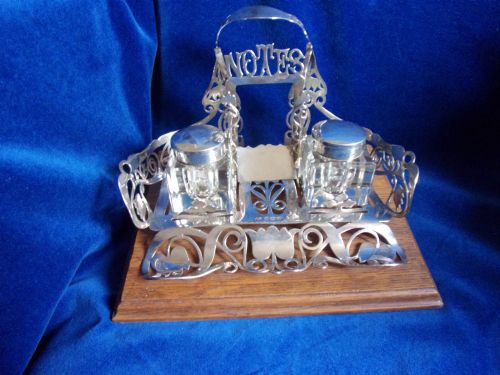
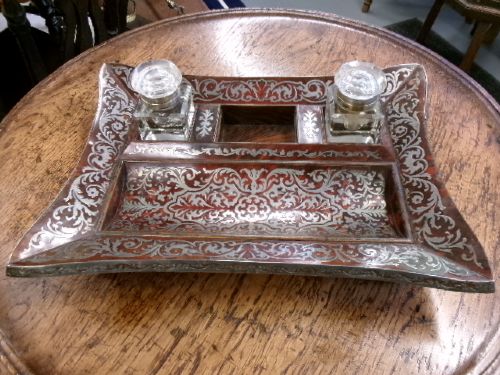
Wooden chassis employ cabinet-making techniques like veneer work and inlay, combining coromandel, walnut, or mahogany with metal fittings to hold the glass trays and inkwells in place.
Antique Glass Tray Retail Price Guide 2026
Typical asking prices for glass tray among the pieces listed under this phrase on Sellingantiques today, from the lower quarter to the upper quarter. They describe what is for sale here now, not the wider market.
Listings feature items spanning the 19th Century, Victorian, Edwardian, and Art Deco periods, combining glass with brass, silver plate, and hardwoods.
What varies in quality
Quality rests in the crispness of the glass cutting, the weight of the lead crystal, and the precision of any metal or wooden framing. Superior items exhibit deep, clean facets on the glass and secure, well-fitted mounts that show no looseness.
The integration between the glass and its support structure dictates the overall standard. Pieces that balance substantial glass plates with solid brass or silver-plated fittings sit firmly at the upper end of the range.
Elkington·Walker And Hall·René Lalique
The Antique Glass Tray Glossary
- Cut Glass
- Glass shaped and patterned by grinding facets into the surface with a wheel. This technique adds considerable weight and sparkle to the tray.
- Lead Crystal
- Glass containing metallic oxide that increases brilliance and softness for cutting. It produces a distinct ring when struck.
- Ormolu
- Gilt bronze mounted onto decorative items, providing a bright golden finish. It appears frequently on French desk sets and trays.
- Silver Plate
- A thin layer of silver fused to a base metal like copper or brass. It allowed makers to achieve the look of solid silver at a lower cost.
Antique Glass Tray: Frequently Asked Questions
How do I clean an antique glass tray?
Use a soft cloth dampened with warm water and mild soap, avoiding harsh abrasives that can scratch the glass or damage silver-plated mounts. Dry the piece thoroughly immediately after washing to prevent moisture damage to any wooden or metallic elements.
Take extra care around mirrored surfaces or metal joints where trapped water might cause oxidation or degrade the backing over time.
Can I use these trays for serving food?
Many of these pieces served drinks or food originally, particularly the flat plates and mirrored serving items. Ensure the materials are stable and free from seal degradation before placing consumables directly on them.
For trays with delicate silver plate or antique mirror backs, placing a doily or liner on the surface protects the vintage finish from moisture and marks.
How do I date an antique glass tray?
Look at the manufacturing style, the type of glass, and any maker's marks or hallmarks stamped into the metal mounts. Victorian and Edwardian pieces often feature heavier cast brass or silver-plated galleries, while Art Deco items lean towards geometric mirrored glass.
Wear patterns on the base and the construction methods of the wooden or metallic frames also offer clear clues to the decade of production.