



Antique Glass Storage
Antique glass storage encompasses glazed cabinets, apothecary jars, and display cases used to contain and exhibit valued possessions.
Antique Glass Storage
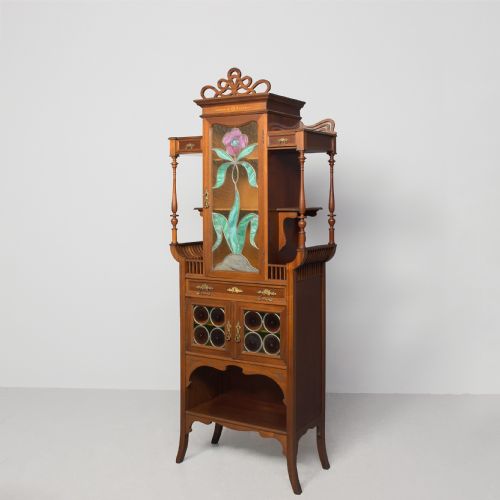
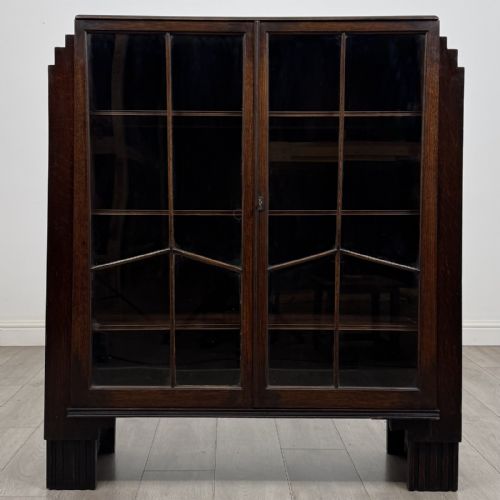
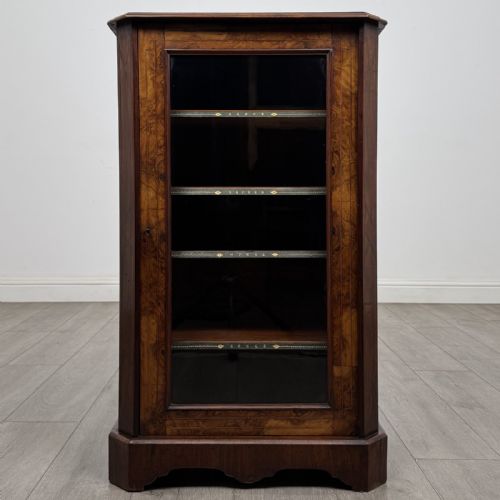
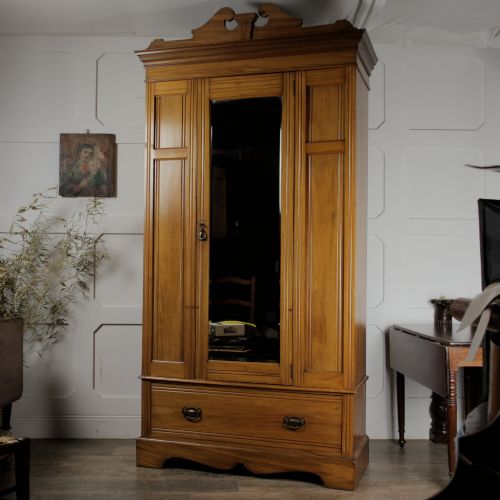
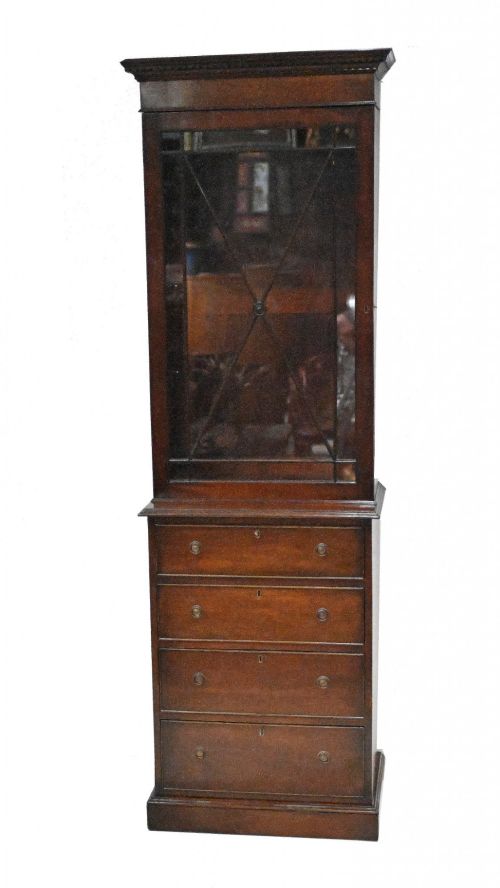
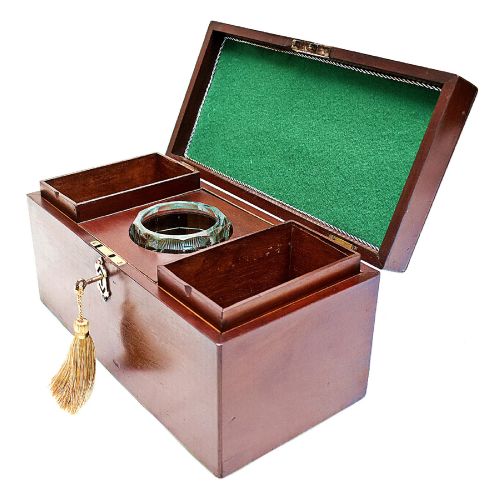
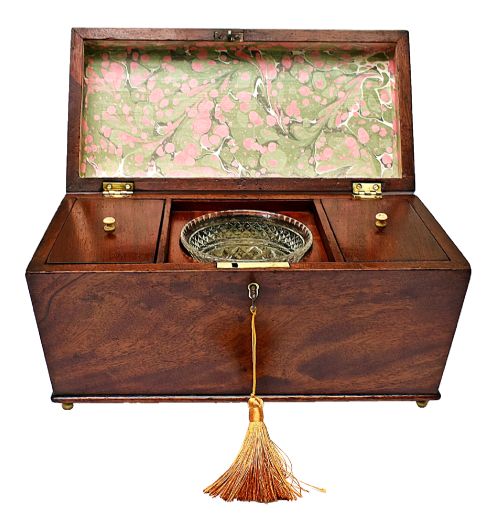
When buyers search for antique glass storage, they encounter a range of timber furniture with transparent panels alongside dedicated glass vessels. The pieces on this page span the Georgian, Victorian, and Edwardian periods, stretching into the Art Deco era.
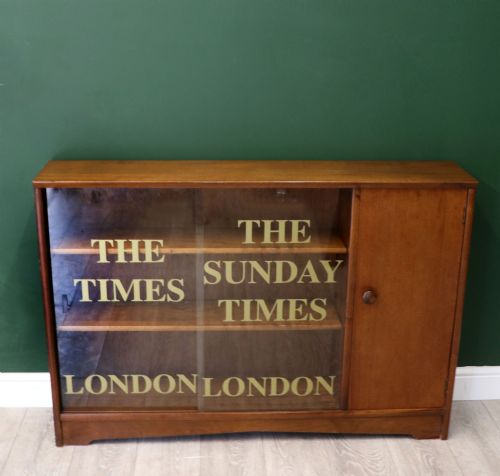
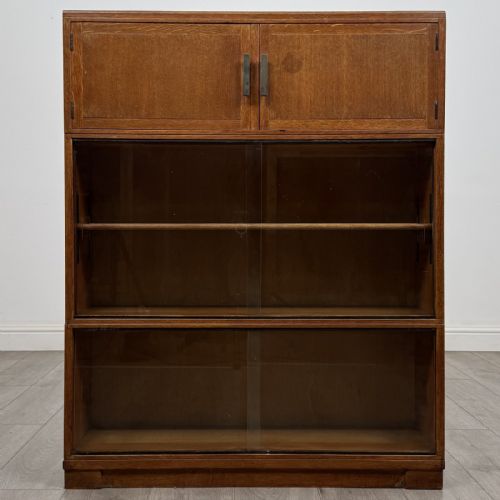
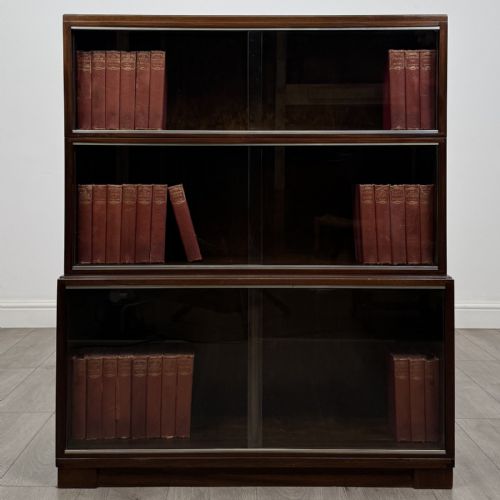
Display cabinets, bookcases, and credenzas form the primary furniture types designed to keep contents visible yet protected. Smaller apothecary jars and carboys represent the vessel side of antique glass storage.
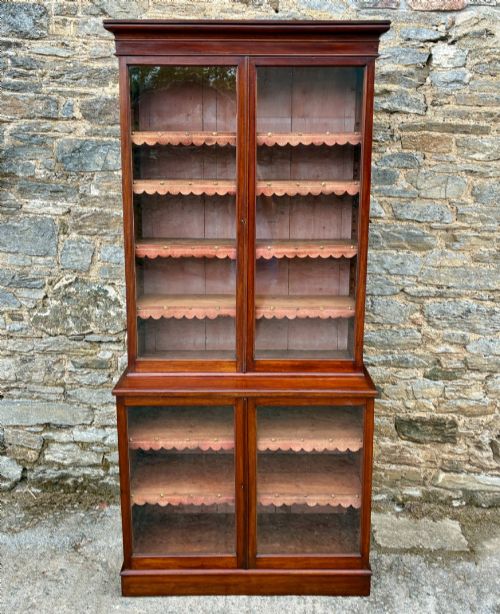
Mahogany, walnut, and oak dominate the wooden frames, whilst pine appears in regional and country pieces. Glazing ranges from simple leaded panes to large polished sheets set into elaborate library bookcases.
Materials and construction
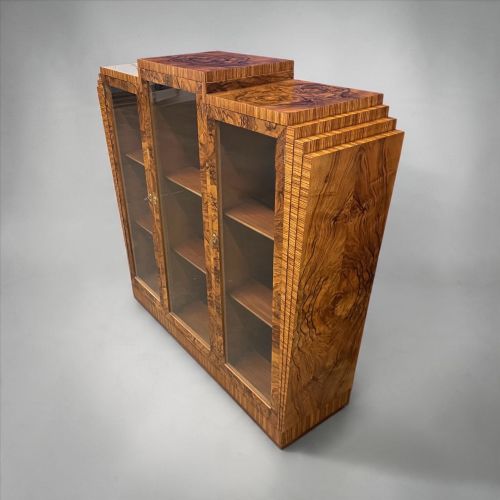
Makers utilised dense hardwoods like mahogany and walnut for formal cabinets, often applying burr veneers to large flat surfaces for decorative grain patterns. Pine served reliably for regional cupboards and simpler shelving units.
Glass production yielded varying thicknesses and surface textures, from clear window panes in barrister bookcases to heavy, blown glass in apothecary carboys and jars. Brass hardware, ormolu mounts, and inlaid banding frequently complete the joinery.
Antique Glass Storage Retail Price Guide 2026
Typical asking prices for glass storage among the pieces listed under this phrase on Sellingantiques today, from the lower quarter to the upper quarter. They describe what is for sale here now, not the wider market.
Listings include Victorian, Edwardian, and Georgian periods alongside Art Deco items, constructed from mahogany, walnut, oak, and pine.
Judging the work
The standard of timber selection and cabinet joinery dictates the structural integrity of larger display units. Finely cut dovetails, well-fitted doors, and original glass panes distinguish superior pieces from utilitarian storage.
Decorative details such as marquetry inlay, ormolu mounts, and proportioned cornices separate standard workshop production from exceptional cabinet work.
Shapland and Petter·Liberty·Maison Gagneau
The Antique Glass Storage Glossary
- Apothecary jar
- A vessel utilised by chemists to store ingredients, often featuring etched glass labels.
- Barrister bookcase
- A stackable office bookcase with glass doors that lift and slide inward.
- Carboy
- A large, heavy glass bottle with a narrow neck, originally employed for holding liquids.
- Credenza
- A low cabinet, frequently mounted with ormolu and glass doors, used for display and storage.
- Glazing
- The process of fitting glass panes into timber window or cabinet frames.
Antique Glass Storage: Frequently Asked Questions
What is antique glass storage?
Antique glass storage covers furniture with glazed doors designed to show contents, alongside freestanding glass jars used for holding items. These pieces include tall bookcases, low credenzas, and chemist jars from past centuries.
Cabinet makers built these items to protect books, china, and goods from dust while keeping them visible. Materials typically involve hardwoods like mahogany and walnut paired with transparent glass.
How do I date a glass cabinet?
Dating relies on timber choices, construction methods, and the style of the hardware or frame. Victorian pieces often use heavy mahogany or walnut, whereas Edwardian examples favour lighter oak or inlaid mahogany.
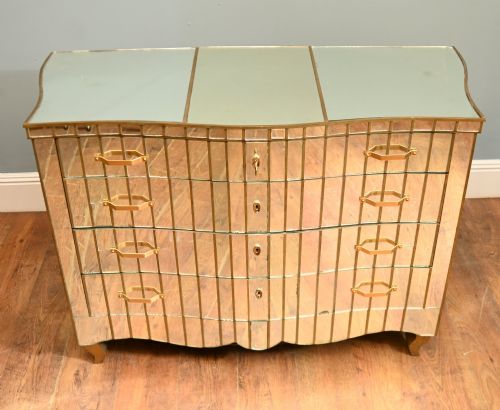
Examining the glass itself helps, as older panes display minor surface ripples and bubbles from early manufacturing methods. Period styles like Art Deco introduce distinct geometric lines and mirrored surfaces.
Where were apothecary jars used?
Apothecary jars stood on shelves and counters within nineteenth-century chemists and dispensaries to hold dry drugs, herbs, and liquids. Their heavy glass construction protected contents from moisture and contamination.
Many feature ground glass stoppers and etched labels identifying specific medical ingredients. Today, they function primarily as decorative decorative containers in domestic interiors.
How do I clean an antique cabinet?
Cleaning requires soft cloths and mild wax suitable for historic wood surfaces, avoiding modern chemical sprays that damage old finishes. Timber frames benefit from occasional nourishing to prevent the wood from drying out.
Glass panels need gentle wiping with standard glass cleaner applied to the cloth rather than sprayed directly onto the glass. This prevents moisture from seeping into old wooden rebates and putty.