
Antique Glass Stand
An antique glass stand brings functional elegance to a table, combining polished metal or wood mounts with clear or cut vessels.
Antique Glass Stand
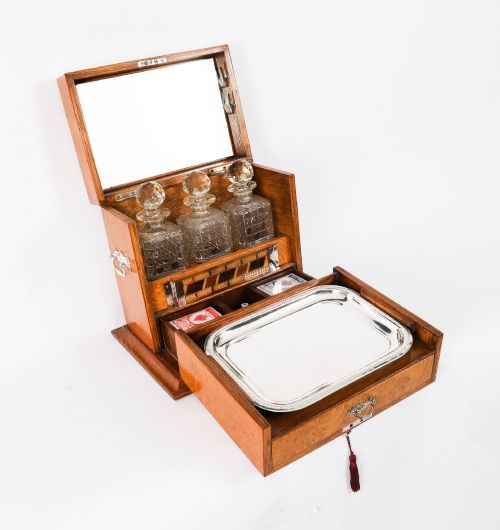
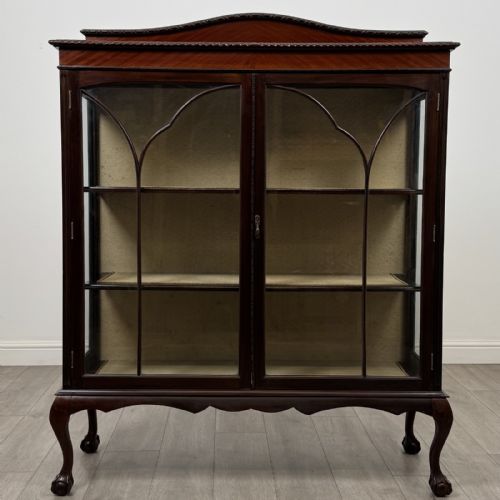
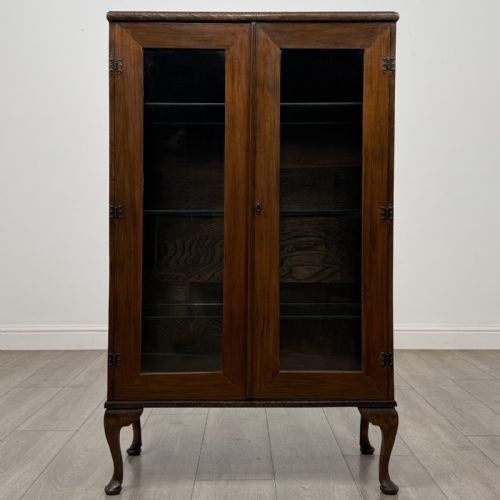
When you search for an antique glass stand, you encounter pieces designed to hold bottles, teapots, or condiments securely upon a surface. The most common examples span the Victorian and Edwardian periods, utilising sturdy frames of silver plate, mahogany, or brass.
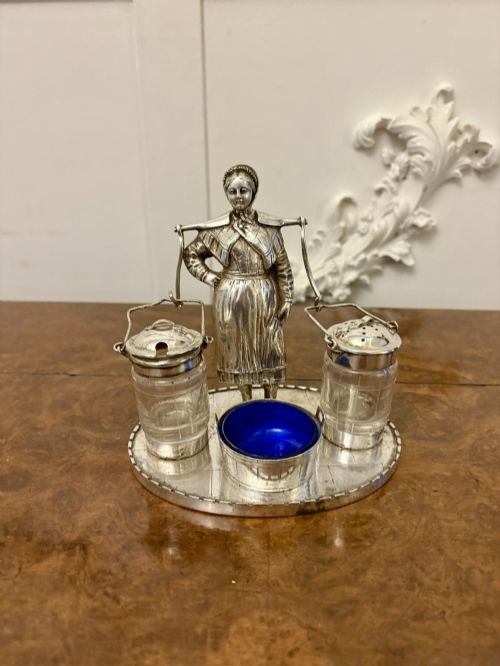
These items range from cruet sets and decanter stands to smaller teapot stands mounted in silver. They served both domestic utility and formal presentation in dining rooms and drawing rooms throughout the nineteenth and early twentieth centuries.
Makers integrated glass vessels directly into wheeled trolleys, stationary frames, or handled carriers. The survival of the original glass alongside the metal or wooden framework defines the integrity of each surviving piece.
Materials and construction
Makers constructed the structural frames of an antique glass stand using hardwoods such as mahogany and walnut, or cast and shaped silver plate and brass. These materials provided the necessary rigidity to support heavy glass decanters and condiment bottles without tipping.
The glass components were typically mouth-blown, cut, or moulded to fit snugly within designated ring mounts or trays. Metal mounts often featured pierced galleries, secure handle bars, and hallmarks denoting the assay office and year of production.
Listings for antique glass stand examples frequently feature Victorian and Edwardian periods, utilising materials such as silver plate, mahogany, and brass.
Judging execution and finish
The distinction between standard domestic wares and superior examples rests on the crispness of the metal casting, the weight of the silver plating, and the depth of the glass cutting. Heavier frames with hand-chiselled detailing and matching original glass vessels demonstrate superior workshop output.
Attention to joinery in the wooden bases and the precise fit of the glass inserts indicate higher standards of craftsmanship. Pieces retaining their complete set of matching original bottles and undamaged mounts represent the upper tier of quality.
The Antique Glass Stand Glossary
- Cruet set
- A fitted stand holding glass bottles for oil, vinegar, mustard, and other condiments. These sets typically feature a central carrying handle and a revolving or stationary metal base.
- Silver plate
- A thin layer of silver applied to a base metal, commonly copper, nickel silver, or brass. This technique allowed manufacturers to produce decorative tableware with the appearance of solid silver at a lower cost.
- Cut glass
- Glass decorated by grinding designs into the surface using rotating wheels. This process created facets that reflected light, commonly seen on nineteenth-century decanters and bowl inserts.
- Gallery
- A decorative pierced metal or wooden railing fitted around the edge of a tray or stand to prevent items from sliding off. Galleries add architectural detail and structural security to tabletop accessories.
Antique Glass Stand: Frequently Asked Questions
What is an antique glass stand?
An antique glass stand is a decorative and functional holder designed to support glass decanters, teapots, or condiment bottles upon a dining table or sideboard.
These pieces combine frames of silver plate, brass, or hardwood with fitted glass vessels to keep dining accessories organised and portable.
How do I date an antique glass stand?
Dating relies on examining the style of the mounts, the manufacturing technique of the glass, and any stamped maker marks or silver hallmarks.
Victorian and Edwardian examples often feature distinct casting styles, pierced galleries, and registration numbers that help narrow down the period of production.
How were these stands used?
They were utilised during formal meals to present condiments, oils, vinegars, or after-dinner liqueurs directly to guests at the table.
The central handle allowed servants or diners to pass the entire collection of bottles safely around the room without handling individual glass pieces.
How do I care for silver plated stands?
Silver plated metal requires gentle cleaning with a soft cloth and a specialised polish formulated for plated items to avoid wearing away the thin silver layer.
The glass inserts should be washed separately in warm soapy water and dried thoroughly before being placed back into the metal frame.